The crisp days of autumn bring a fresh opportunity to prepare your outdoor space for colder months ahead. Many homeowners are surprised when a once-beautiful patio shows signs of fading, weeds, or shifting after only a few years. The good news is that with consistent paver patio maintenance, you can protect your investment and keep your space looking like new. A seasonal plan takes the stress out of upkeep and ensures your patio performs year after year.
Outdoor living spaces face constant pressure from weather and daily use. Rain and freeze-thaw cycles wash sand from the joints. Weeds find gaps to push through. Oils or food spills cause stains. Even natural processes such as efflorescence leave a chalky film on surfaces.
None of these issues signals failure. They are common side effects of outdoor exposure. Nicolock’s exclusive paver-shield™ technology already provides built-in protection by locking color into every stone. Adding seasonal attention ensures those colors stay vivid and the surface stays strong for decades.
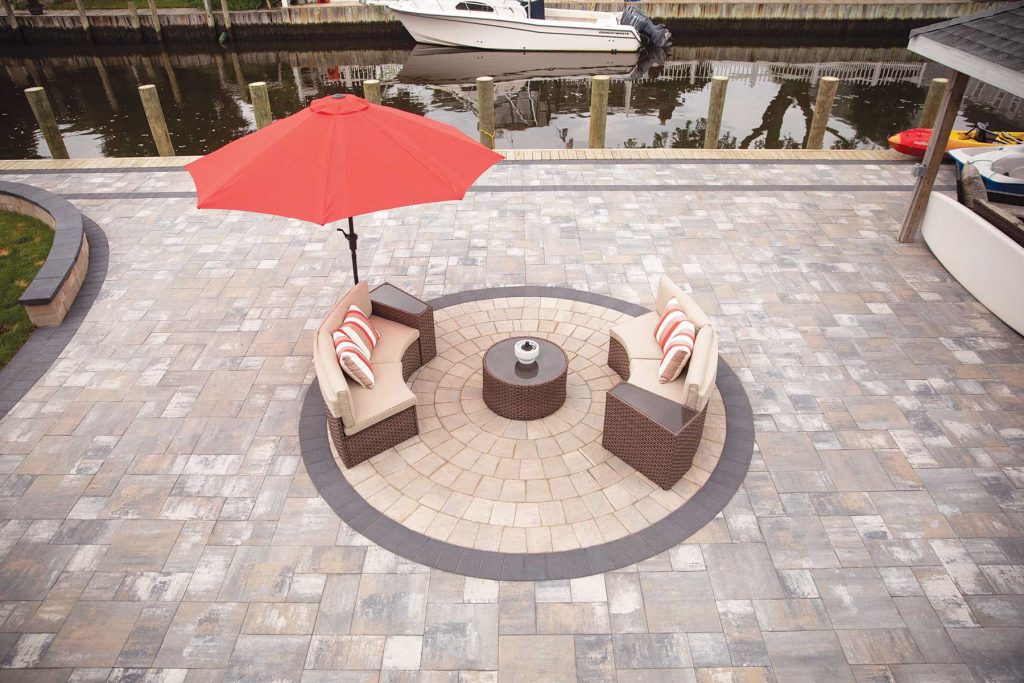
Autumn is the right moment to prepare for winter. A simple checklist reduces costly surprises in spring.
One of the biggest frustrations homeowners face is weeds creeping into paver joints. This happens when sand washes away. The most effective habit for preventing shifting and growth is keeping those joints full and stable.
Options include:
Inspect the joints every time you rinse or clean. If gaps are present, refill before the next rainfall.
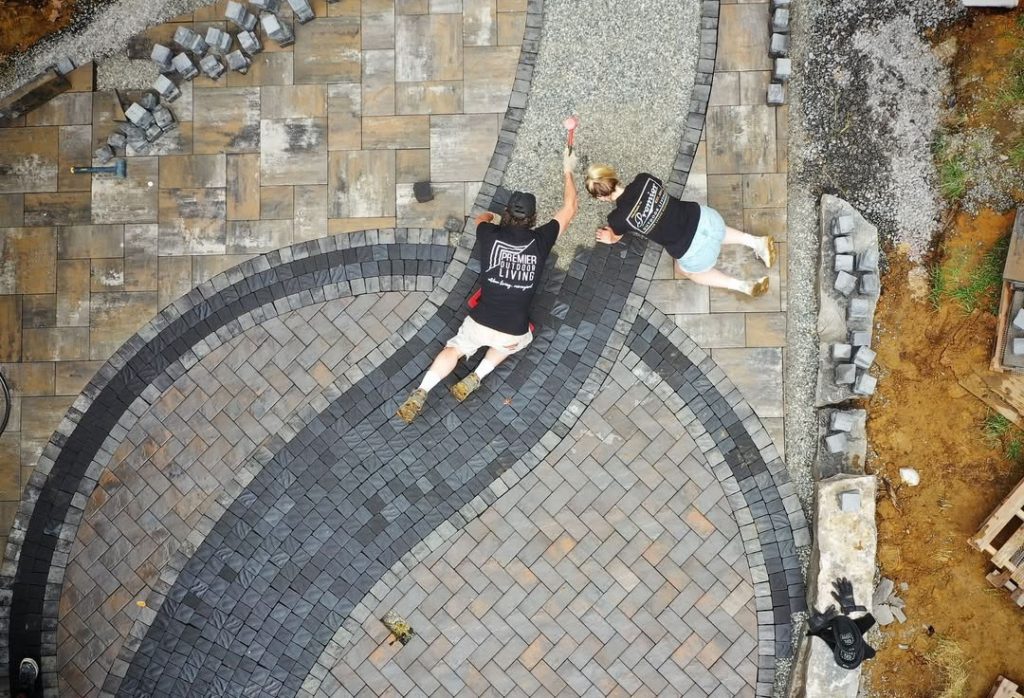
High-pressure washing is not recommended because it can scar surfaces and strip joint or bedding sand.
For heavier buildup, mechanical cleaners with rotating brushes are effective. Keep rinsing methods gentle and avoid directing water into the joints.
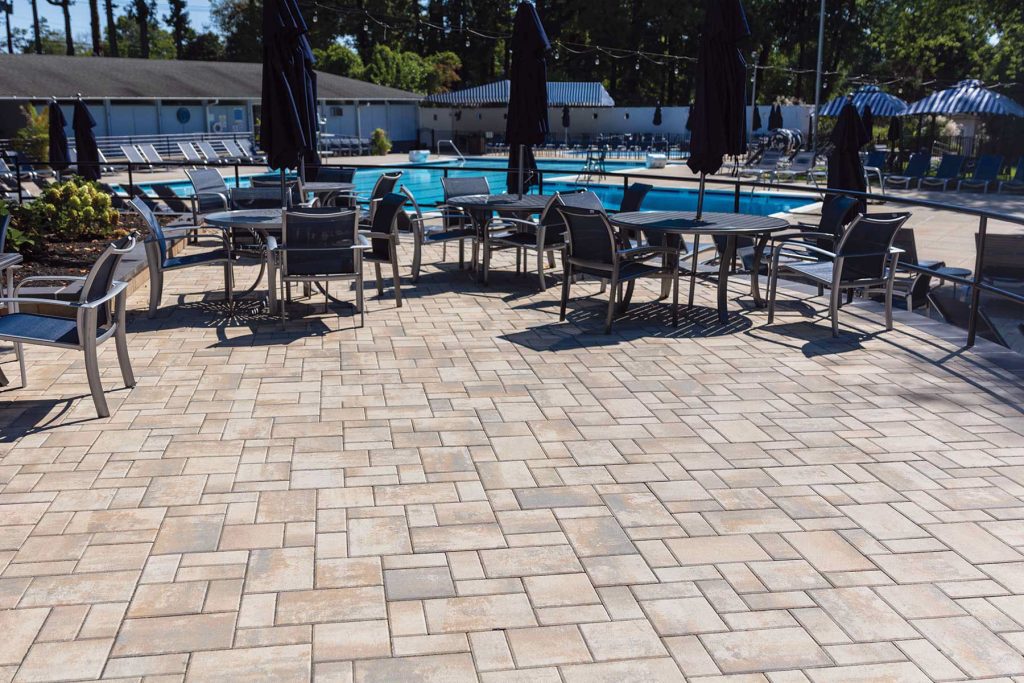
Sealers protect against stains and help retain color, but they do not last forever. Homeowners should:
Sealing on a schedule ensures long-lasting color and simpler cleaning throughout the year.
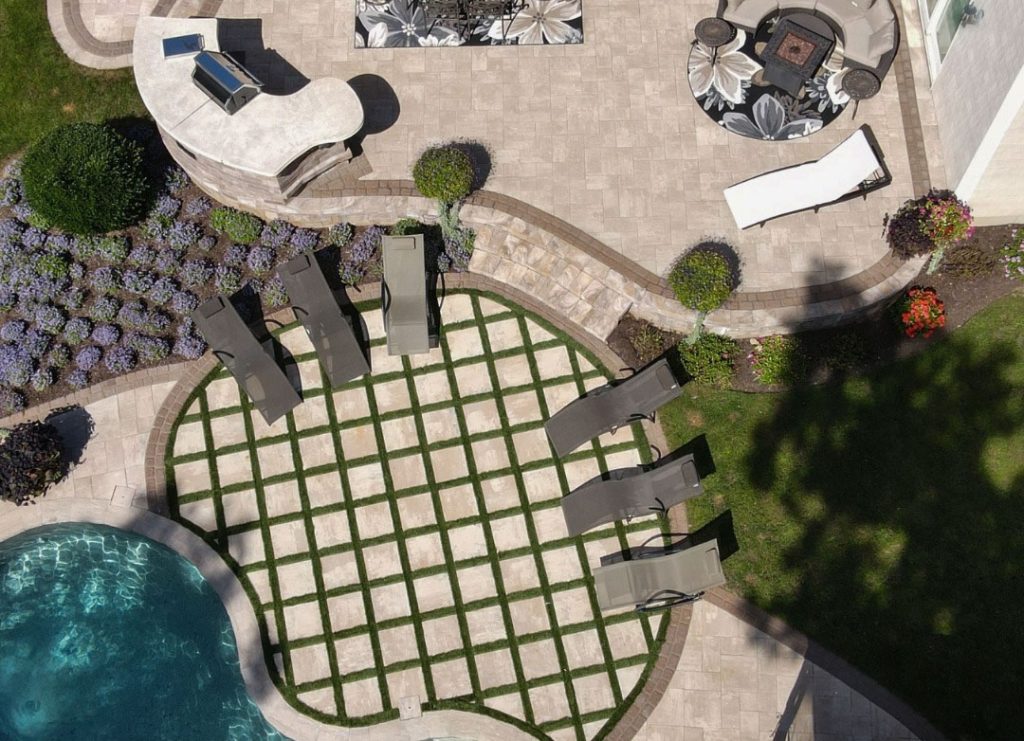
Absorb spills quickly using sand or kitty litter. Clean gently with soap and water. Avoid rubbing, which can drive stains deeper.
The white film that sometimes appears is natural. It results from salts migrating to the surface. Efflorescence often fades with time and rinsing, but specific cleaners can speed removal.
Patio furniture or irrigation systems may cause rust spots. Use rust removers designed for masonry and always test a small patch first.
Shaded, damp patios can develop slippery moss or algae. Prevention comes first:
For treatment, Nicolock recommends liquid bleach diluted 10:1 with water, applied carefully to avoid nearby plants, followed by thorough rinsing. In some cases, a diluted vinegar solution can also be used as an alternative for algae. Some regrowth in shady or damp spots is natural.
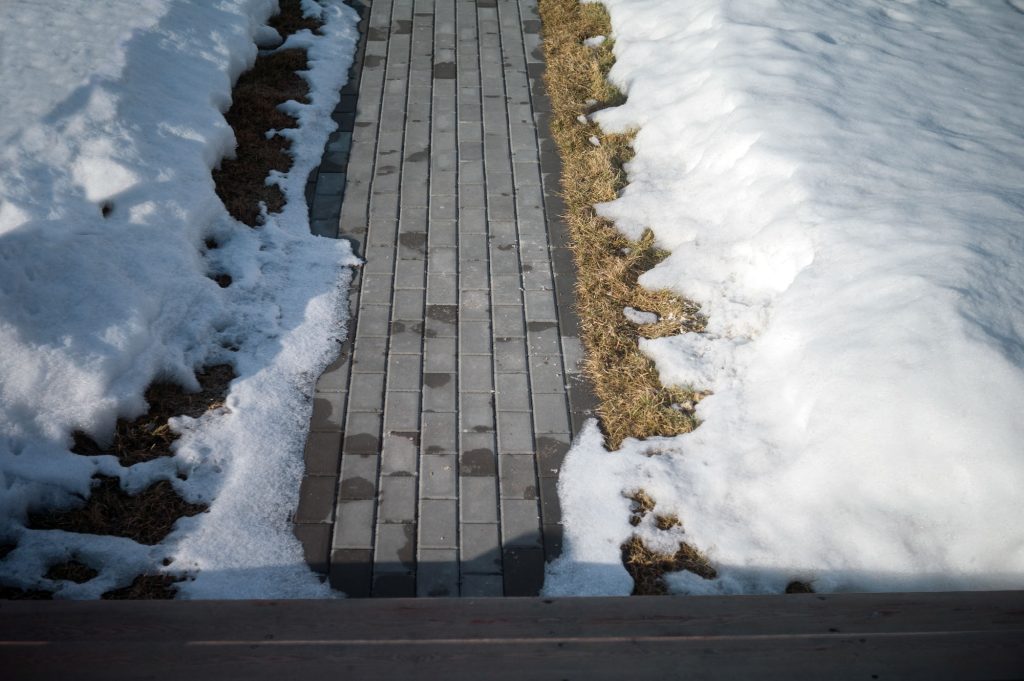
Always sweep away remaining de-icer granules once the ice melts.
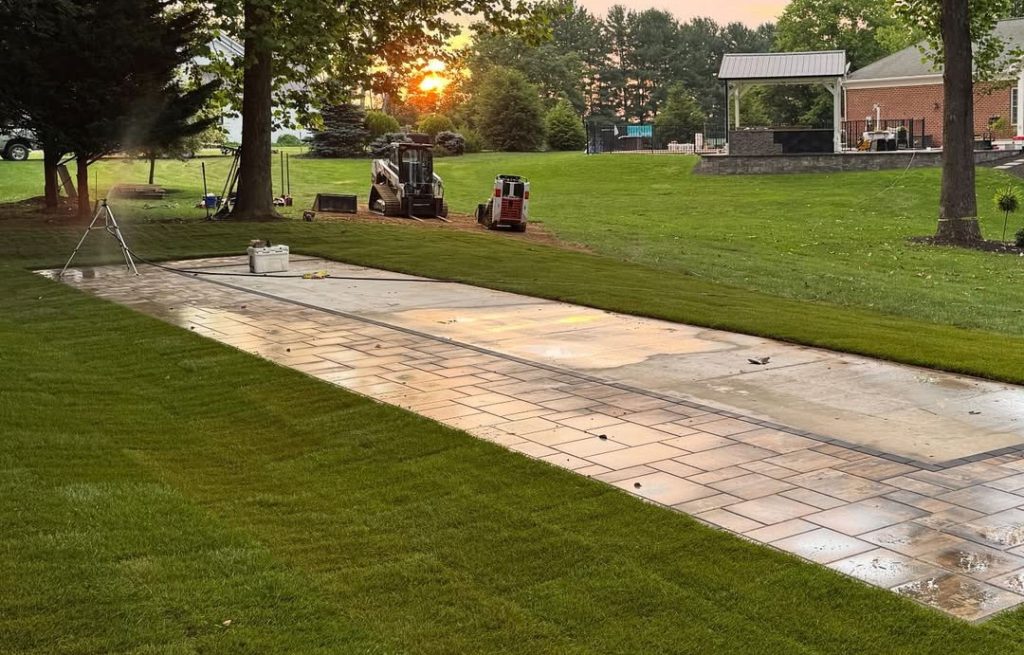
Breaking care into seasons makes the routine manageable.
Spring
Summer
Fall
Winter
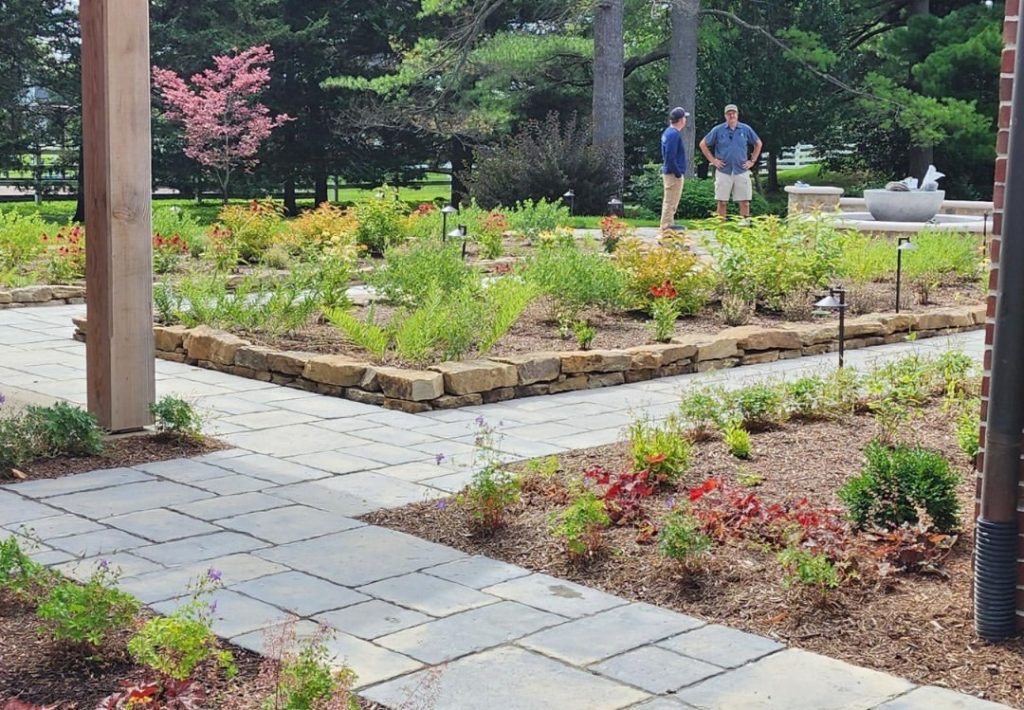
Sweeping, rinsing, joint refilling, and spot cleaning are tasks homeowners can manage on their own. Larger projects, such as resetting uneven pavers or applying a new sealer coat, are better left to trained contractors. Knowing the difference saves time and money while preserving the patio's design.
Do I need to seal my patio every year?
No. Sealing every three to five years is typical, but wait at least six months after installation before applying the first coat.
Can I pressure wash my patio?
Nicolock does not recommend high-pressure washing, as it can damage surfaces and wash out sand. Mechanical brush cleaners are more effective.
How do I stop weeds?
Keep joints filled with sand or polymeric filler. Pre-emergent additives in sand or spot vegetation killers can also help.
What if I see white haze on my pavers?
That's efflorescence, a natural process that usually clears with time or gentle cleaning.
For additional tips and answers, visit our full Paver Care FAQs.
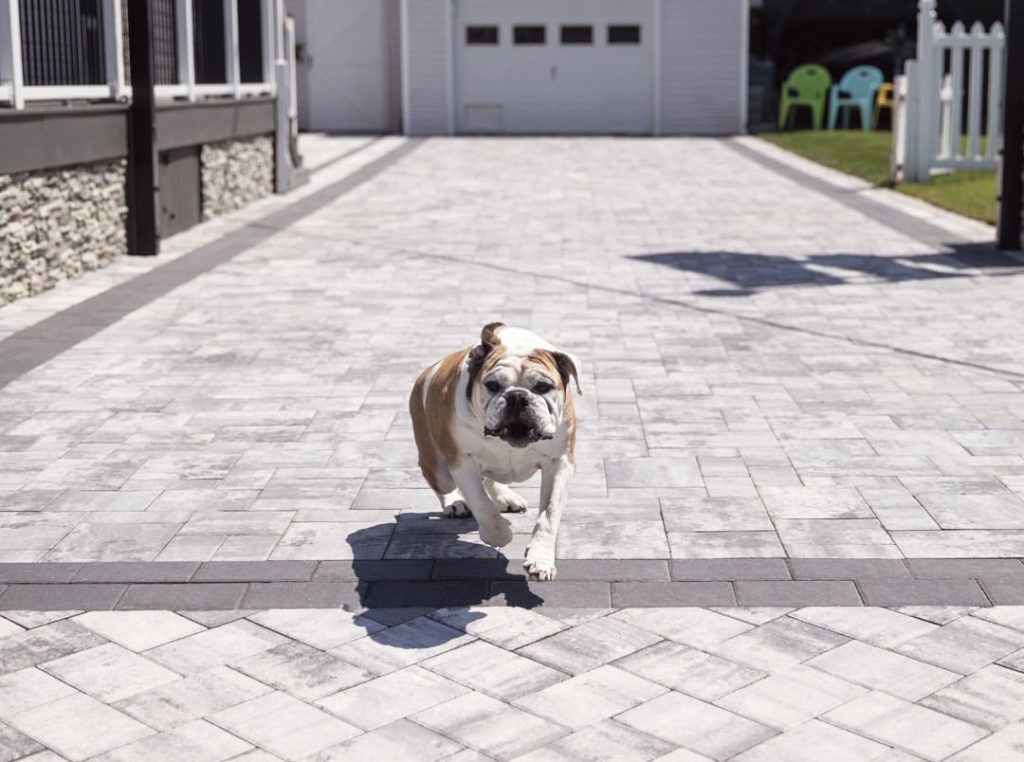
Your outdoor space deserves long-lasting beauty without ongoing frustration. Nicolock combines paver-shield™ technology with these seasonal maintenance tips to help your patio resist fading, stains, and shifting. Whether you need guidance on sealing schedules or want professional help for larger projects, support is close by.
Visit a Nicolock Design Center, find a dealer, or connect with a contractor to prepare your patio for every season.