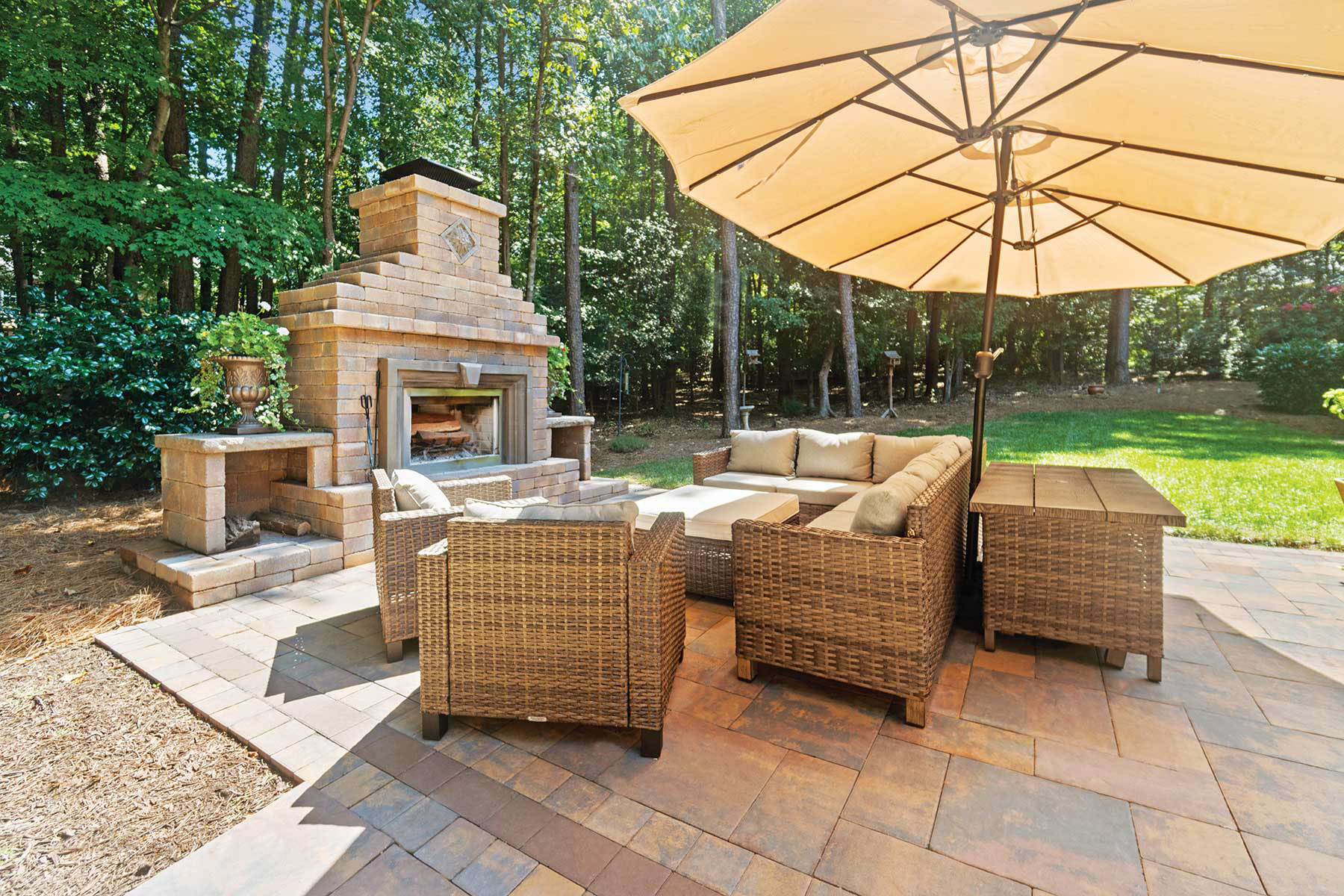
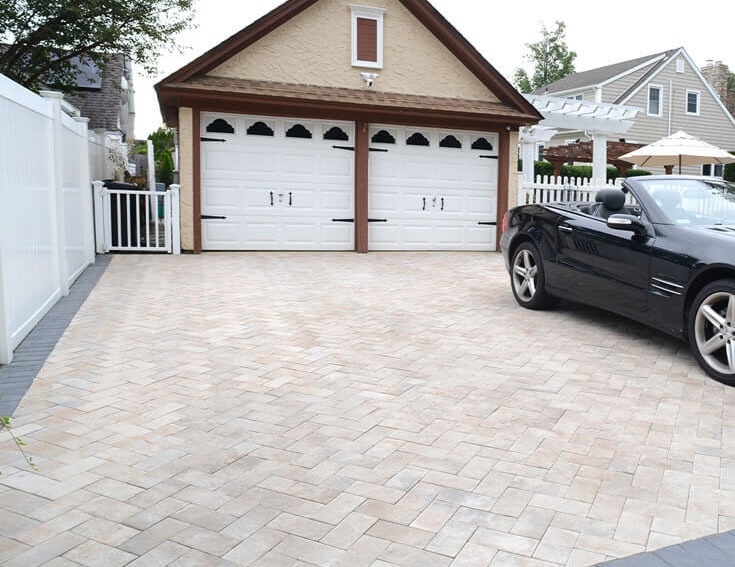
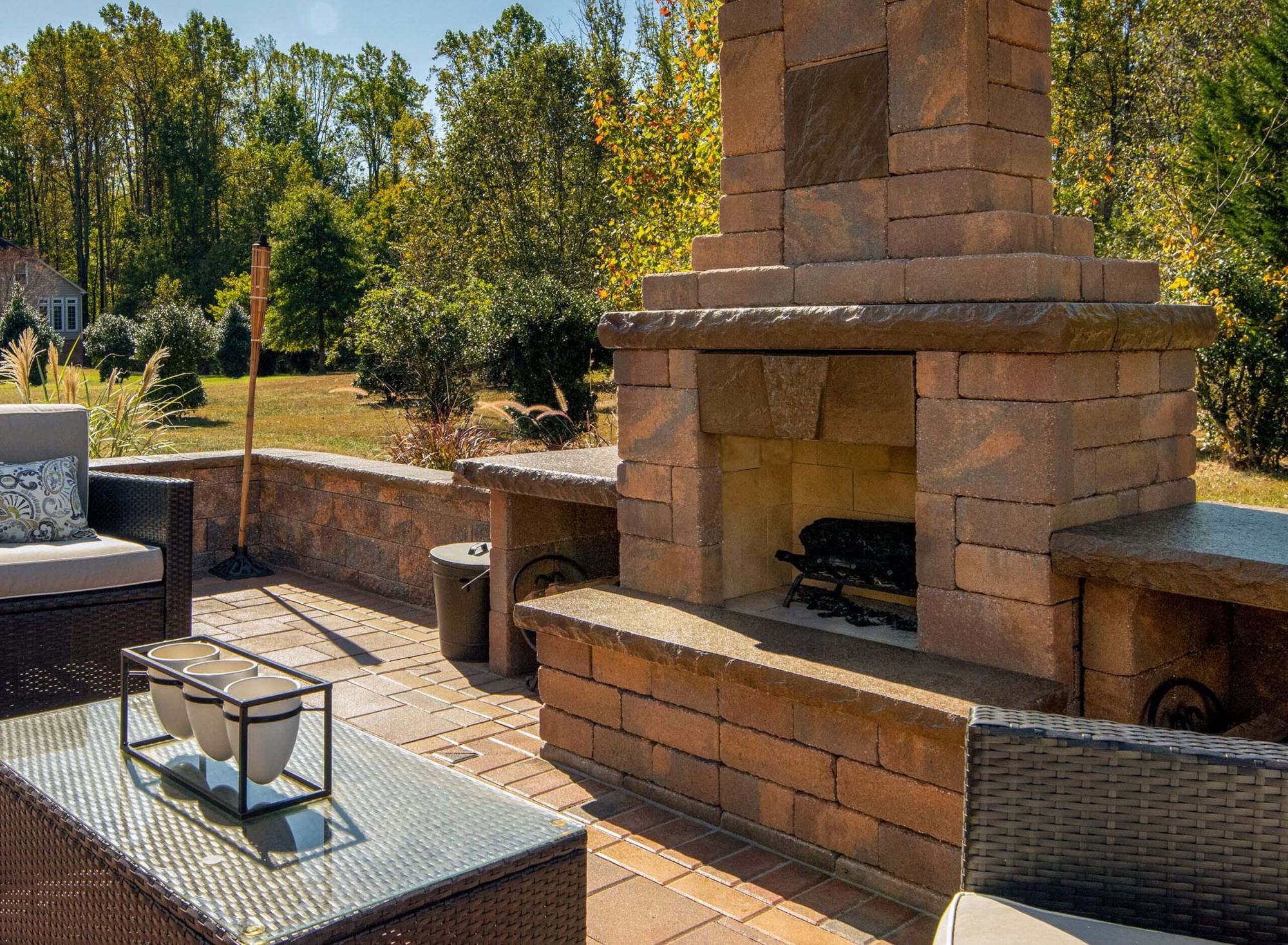
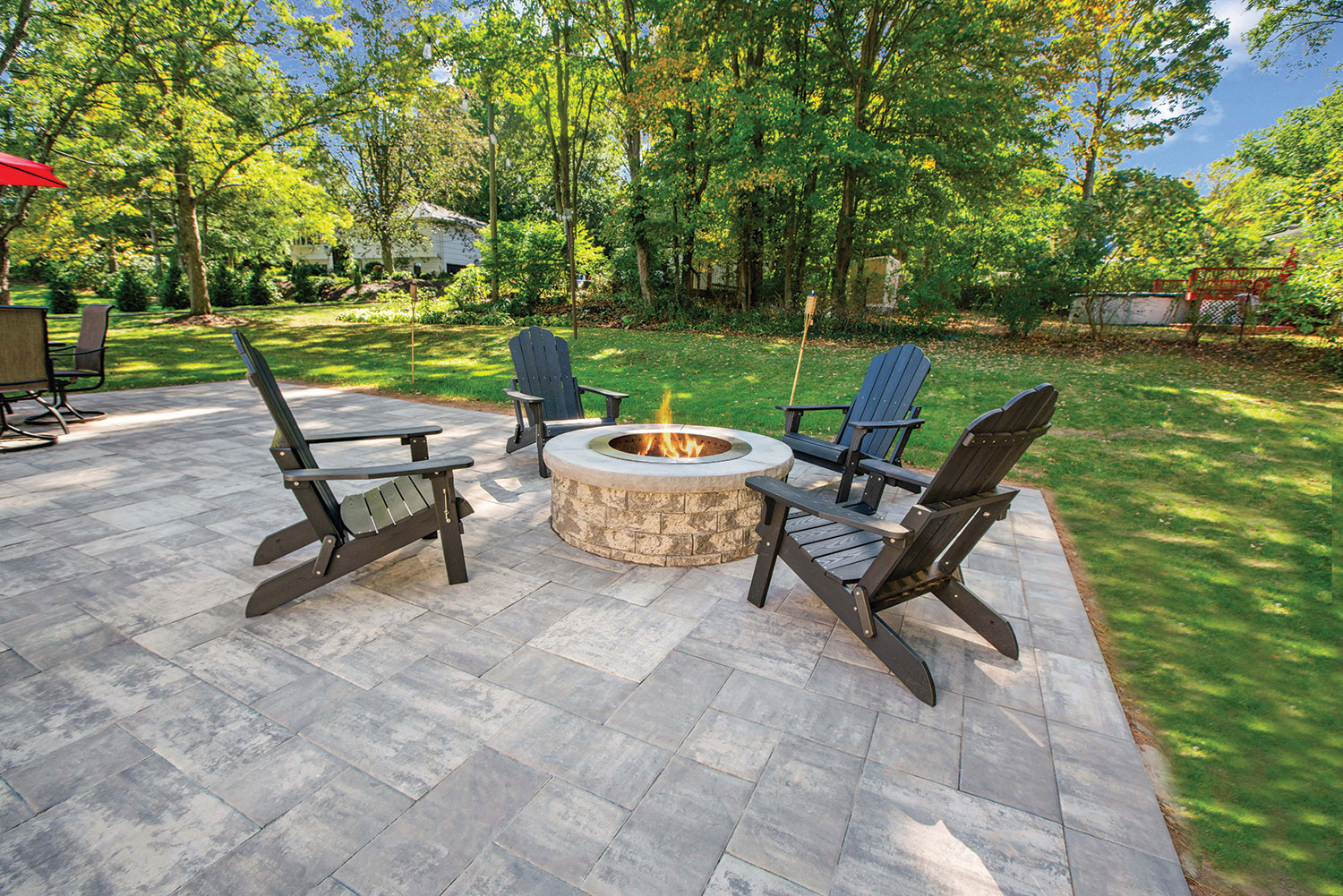
The best small backyard paver ideas start with a clear plan for how each part of the yard will be used. In tight spaces, every choice carries more weight. Pavers and walls do more than shape appearance—they help define purpose, guide movement, and create outdoor areas that feel settled rather than crowded. With the right layout, even a compact backyard can feel welcoming and easy to enjoy.
At Nicolock, backyard planning begins with function, then moves to form. This approach helps homeowners create outdoor spaces that feel intentional, comfortable, and built to last.
Small backyards leave little margin for error. In larger spaces, extra square footage can soften missteps. In compact yards, those same choices stand out immediately. Walkways narrow. Furniture presses too close together. Cooking and seating overlap in ways that never feel right.
Most of these issues trace back to the planning, not the yard size. Thoughtful backyard zoning—using pavers and walls to organize space—helps each area serve a purpose without feeling boxed in.

Many projects begin with color and pattern. While those choices matter, they work best after the layout is established. When pavers are selected before deciding how the yard will be used, the result often feels awkward. Chairs scrape paths. Tables crowd grills. Movement feels forced.
A stronger plan starts by identifying how the space will support daily life. Dining, relaxing, cooking, or gathering each requires different clearances and proportions.
Pavers influence how people move through a yard. Their size, direction, and placement create visual cues. Walls guide circulation. Borders establish edges. When these elements are treated only as surface details, the layout loses clarity.

Every small yard benefits from a clear anchor. One primary use gives direction to the entire layout.
Common anchors include:
Once that purpose is defined, supporting areas fall into place more easily.
Before choosing finishes, map how people enter and move through the yard. Paths should feel natural and open. Pavers can shift direction or scale to guide flow while keeping sightlines clean.
Walls separate spaces without closing them off. Seat-height walls double as boundaries and seating. Borders and inlays signal transitions while keeping the yard visually connected.

Clean geometry often suits compact yards. Straight runs and aligned joints reduce visual noise, helping the space feel orderly. This approach pairs well with large backyard concrete pavers, where fewer seams create a smoother look.
Curves can soften edges, yet they should serve a purpose. In small yards, decorative arcs without a functional purpose can reduce usable area. Curves work best when guiding movement or framing a focal feature.
One step or a low wall can separate areas without shrinking the footprint. Gentle elevation changes add interest while keeping the layout efficient.

Strong layouts rely on paver choices that support organization rather than compete with it.
Helpful strategies include:
These decisions keep the yard visually steady while reinforcing boundaries.
Larger-format pavers work especially well in dining and lounge areas. Fewer joints help these zones feel open and calm. The scale also supports furniture placement by creating predictable proportions.
Large concrete pavers pair naturally with seat walls and steps, allowing transitions between areas to feel smooth instead of busy.

Thoughtful layouts allow pavers in backyard designs to serve multiple roles. A change in direction can signal a new area. A border can double as an edge and a visual guide. A wall can support seating while defining space.
This approach helps each square foot work harder without adding clutter or unnecessary features.
Color guides the eye across the yard. Continuous tones help areas feel connected, while subtle shifts define use.
Effective approaches include:
Nicolock color options offer blends that remain consistent over time, supporting long-term clarity and performance.

Think of the yard as a sequence rather than a single surface:
This structure gives each section a role, which is the foundation of effective backyard zoning.
Certain choices tend to complicate compact yards:
Simpler plans adapt better over time and support daily use.

Seeing materials and layouts in person helps turn ideas into decisions. You can find a Nicolock dealer, connect with a contractor, visit a design studio, or locate a design center to explore options that suit your space.
With the right plan, small backyard paver ideas can define spaces clearly and help even the tightest yard feel ready to enjoy.