Smart small patio ideas begin with planning rather than square footage. Limited outdoor areas often feel crowded because layout decisions happen too late. With a clear plan and the right materials, patios and courtyards can feel calm, functional, and welcoming. Nicolock approaches compact design by focusing on movement, balance, and long-term performance—three factors that shape how a space feels every day.
Smaller patios reveal design issues quickly. Walkways tighten. Seating interrupts access points. Cooking areas drift too close to gathering spaces. These frustrations rarely come from size alone. Most stem from adding features before understanding how the space needs to function.
Designing with intention changes the experience. A patio planned around daily use feels comfortable, even with limited room.

Crowding usually begins when every element competes for attention. Fire features, seating, planters, and grills all require room. Without clear circulation, the patio feels tense instead of relaxed.
Flow should guide every decision. Easy movement matters more than adding one more feature. When people move naturally through the space, the patio feels larger.
Another common issue appears when furniture or grills are selected first, then forced into place later. Oversized pieces block circulation and reduce usable zones. Planning the layout before choosing finishes prevents this cycle and avoids costly adjustments.

Every successful compact patio excels at one primary role. Some focus on cooking. Others support dining or quiet relaxation. Trying to support every activity often leads to friction.
Once the primary purpose is defined, supporting elements fall into place more easily. Zones do not require walls. Orientation, seating placement, and subtle surface direction changes define areas while keeping sightlines open.

The surface strategy plays a significant role in how a small patio performs.
Built-in seating creates predictable dimensions and preserves walkways. Low walls or benches provide seating without loose furniture and may include hidden storage.
Benefits include:
Walls offer opportunity. Lighting, planters, and accessories mounted vertically add function while keeping floors clear. Vertical elements also draw the eye upward, helping courtyards feel more open.
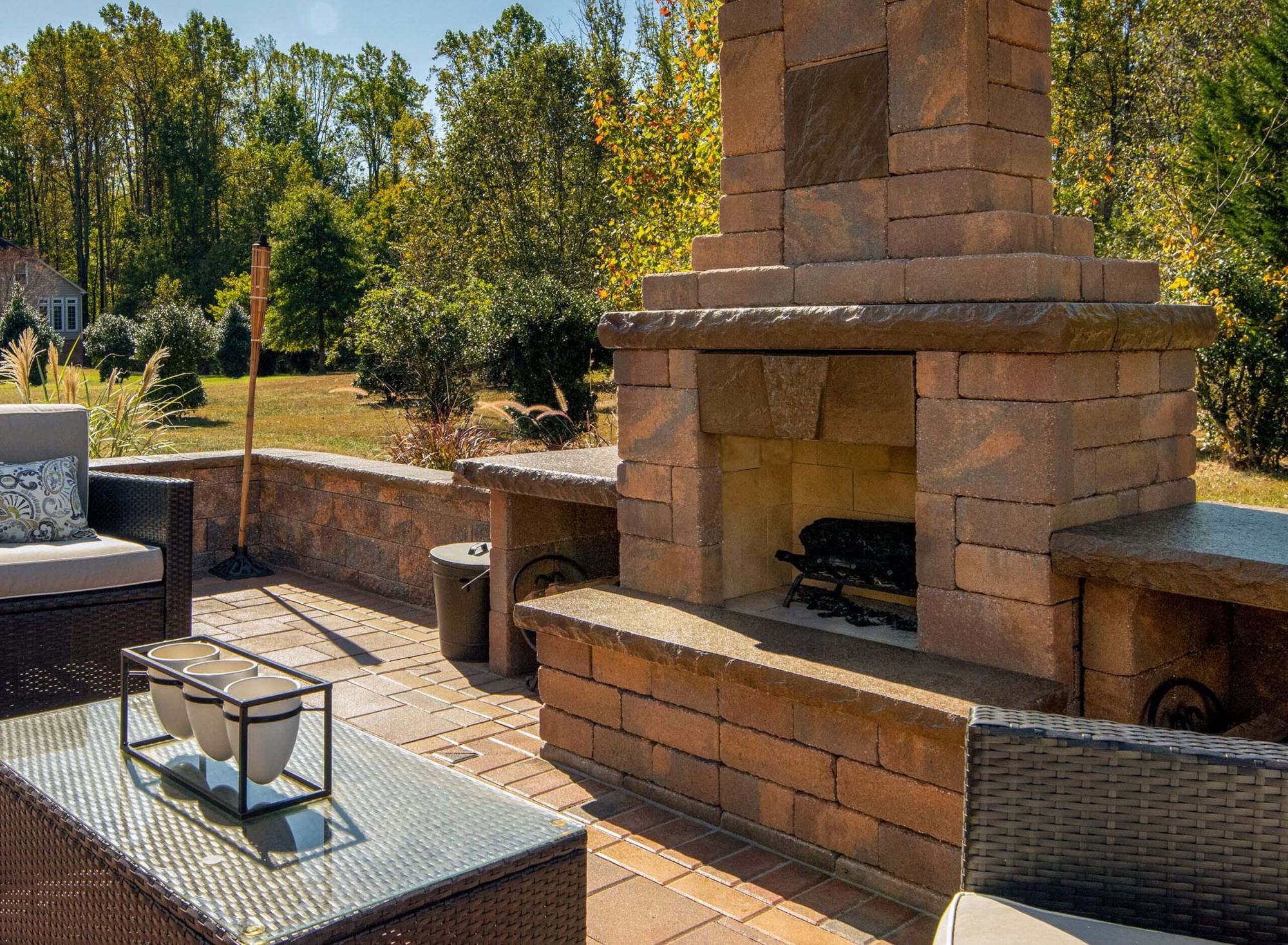
In compact layouts, surfaces should work harder. Seating walls double as casual perches. Wide coping edges act as drink ledges. These choices reduce clutter while supporting everyday use.

Cooking zones often amplify layout problems. Grills placed too close to seating or walkways disrupt circulation and comfort. A lack of landing space increases unnecessary movement during gatherings.
A defined cook zone solves these issues. Placing the grill against a wall or edge preserves the patio's center. Pairing it with a short counter or ledge improves workflow without crowding the space.
Bulky shade structures overwhelm compact patios. Lighter overhead options provide comfort while keeping edges open, allowing air and light to move freely.
Thoughtful lighting extends use into the evening. A layered approach works best:
This balance adds warmth without clutter.

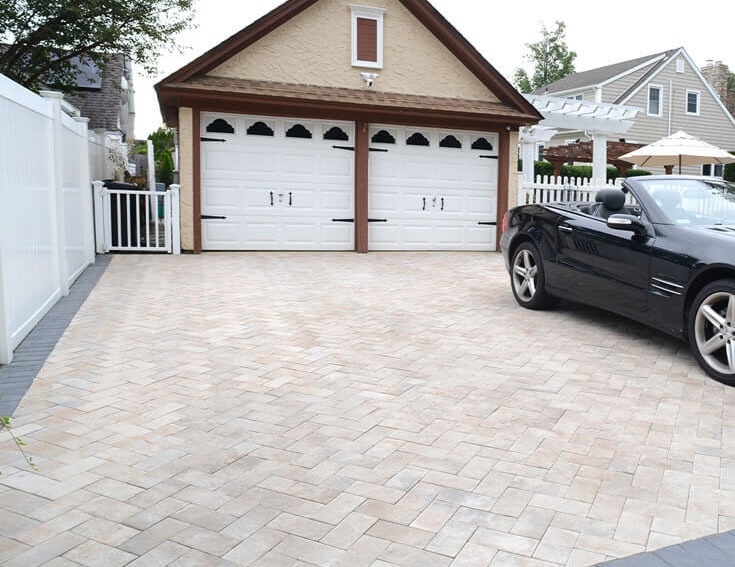
Visual continuity improves flow. Consistent paver patterns and balanced colors reduce visual breaks, helping small patios feel calmer and more spacious.
Compact patios also experience concentrated wear. Foot traffic, furniture movement, and cooking activity stress fewer areas. Nicolock’s paver-shield™ technology supports durability and color retention, even in high-use courtyards.

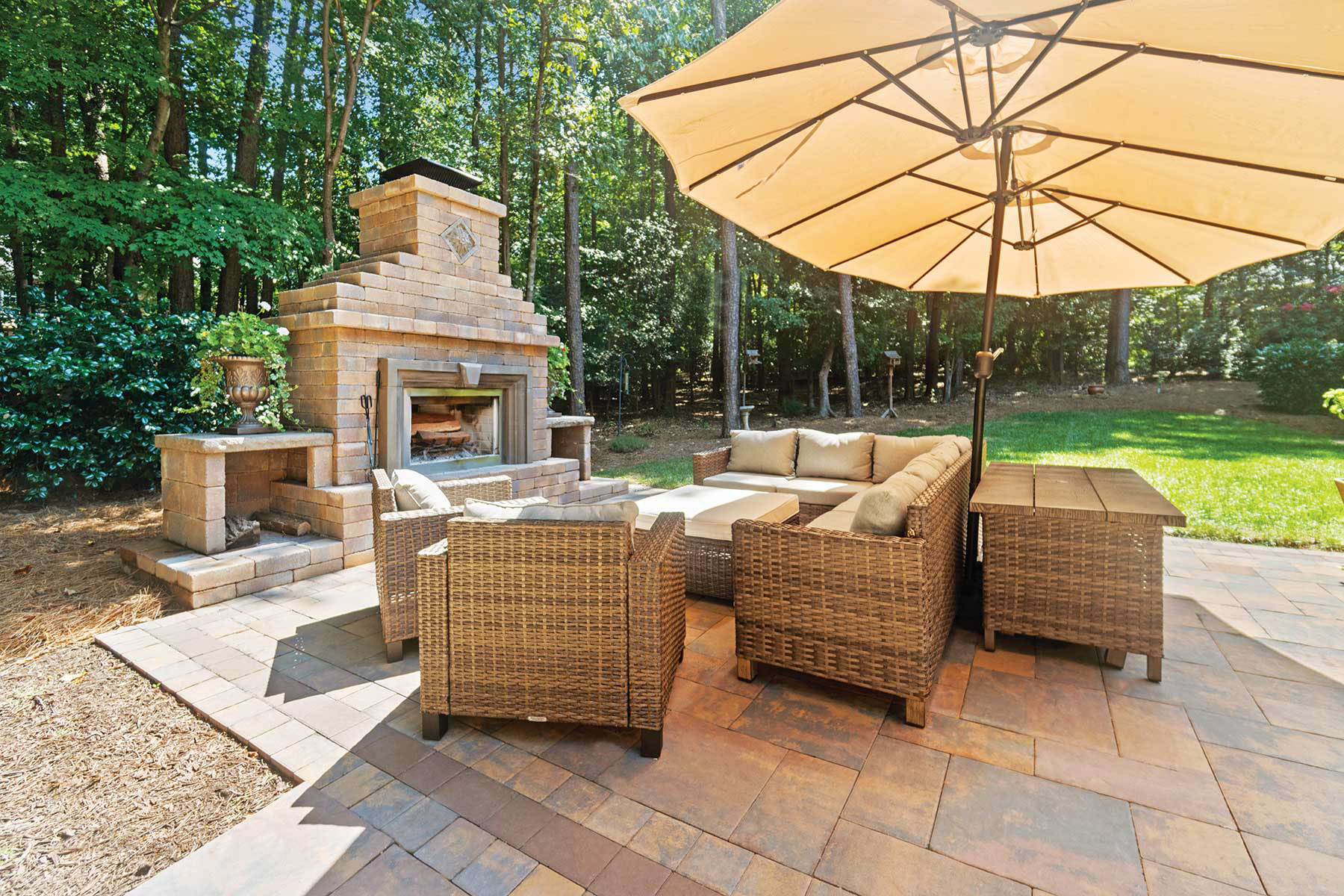
A linear arrangement places the cook zone along one side with built-in seating opposite, keeping the center clear.
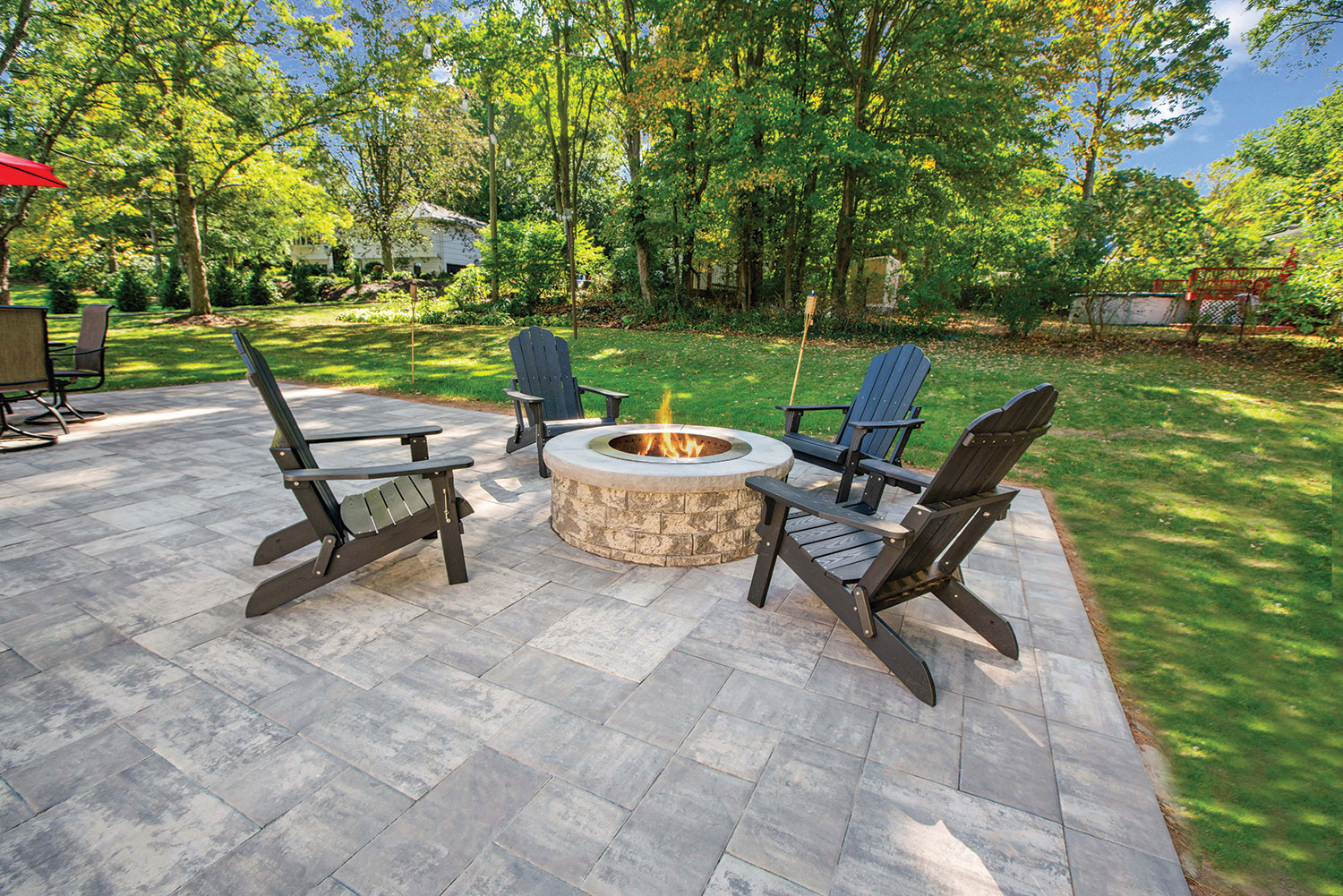
Defined seating around a focal point creates balance while integrated benches reduce furniture needs.
Vertical elements, low walls, and consistent pavers convert overlooked areas into inviting retreats.

Small outdoor spaces deserve the same level of care as larger projects. With thoughtful small patio ideas, durable materials, and a clear plan, compact patios and courtyards support everyday living without compromise.
Start planning with confidence. Visit a Nicolock Dealer, connect with a Nicolock Contractor, or explore a Design Studio or Design Center to see how innovative paver design brings small spaces to life.