Every outdoor project begins with a vision. You may be planning a backyard patio for relaxing evenings, a driveway to create a welcoming first impression, or a pool deck for years of family fun. During the planning stage, one question often comes up: stamped concrete vs. pavers. Both options can create an attractive finished surface, but the better choice depends on much more than appearance alone.
The most successful outdoor spaces are judged years after installation, not the day the project is completed. Weather, foot traffic, vehicles, outdoor furniture, and everyday living all influence how a surface performs over time. Understanding those long-term differences can help you choose materials that continue to look beautiful while requiring fewer repairs and providing greater flexibility for future improvements.
This guide compares the strengths of both materials through the lens of long-term ownership. Along the way, you'll learn what affects durability, maintenance, repairs, design flexibility, and value, while seeing why premium Nicolock paving stones remain a trusted choice for homeowners who want their outdoor spaces to stand the test of time.
Before looking deeper, here's a quick comparison of the features homeowners ask about most.
| Feature | Stamped Concrete | Concrete Pavers |
| Initial Installation Cost | Typically lower | Usually higher upfront investment |
| Long-Term Repairs | May require patching or replacing larger sections | Individual pavers can often be replaced |
| Freeze and Thaw Performance | Large slabs can develop cracks over time | Interlocking system accommodates natural movement |
| Design Flexibility | Pattern selected during installation | Wide variety of colors, patterns, borders, and future additions |
| Color Retention | Surface color may require periodic resealing | Nicolock pavers feature paver-shield™ technology for rich, long-lasting color |
| Future Expansion | More difficult to modify | Additional patios, walkways, or outdoor features can often be integrated more easily |
| Maintenance | Periodic sealing and crack monitoring | Routine cleaning with optional sealing depending on homeowner preference |
Both materials have advantages. The sections below explain where each one performs well and what homeowners should consider before making a final decision.
Most homeowners begin comparing outdoor surfaces by asking two questions.
Those questions matter, but they only tell part of the story.
A patio, driveway, or walkway is a long-term investment that should continue to perform well through changing seasons and years of daily use. Experienced hardscape professionals often look beyond installation costs and decorative finishes because they know the real ownership experience begins after construction is complete.
Instead, they consider questions like these:
Thinking ahead often changes the conversation from simply comparing materials to evaluating long-term value.
Many homeowners who revisit their projects years later say they wish they had spent more time understanding how each option ages. The initial appearance rarely causes regret. Maintenance requirements, repair costs, and flexibility for future projects tend to have a much greater influence on long-term satisfaction.
That is why this comparison focuses on ownership rather than installation alone.
Reading homeowner discussions and speaking with experienced contractors reveals a common pattern. Most people are happy with their outdoor project during the first few years. Questions usually begin much later.
Several concerns appear again and again.
How will the surface age?
Every material changes over time. Sunlight, rain, snow, vehicles, furniture, and daily use all leave their mark. Understanding those changes before installation helps set realistic expectations.
What happens if something gets damaged?
Accidents happen. Heavy equipment, shifting soil, tree roots, and dropped objects can all affect an outdoor surface. Repair options vary considerably depending on the material that was installed.
Will I want to expand my outdoor space?
Many homeowners begin with a patio and later decide to add a fire pit, outdoor kitchen, seating wall, pergola, or an additional walkway. Planning for future improvements today can simplify tomorrow's projects.
How much maintenance fits my schedule?
Some homeowners enjoy routine outdoor maintenance, while others prefer surfaces that require less ongoing attention. Knowing what each material needs over the years helps avoid surprises.
Considering these questions before construction often leads to better decisions and greater satisfaction over the life of the project.
One of the biggest differences between stamped concrete and pavers becomes apparent several years after installation.
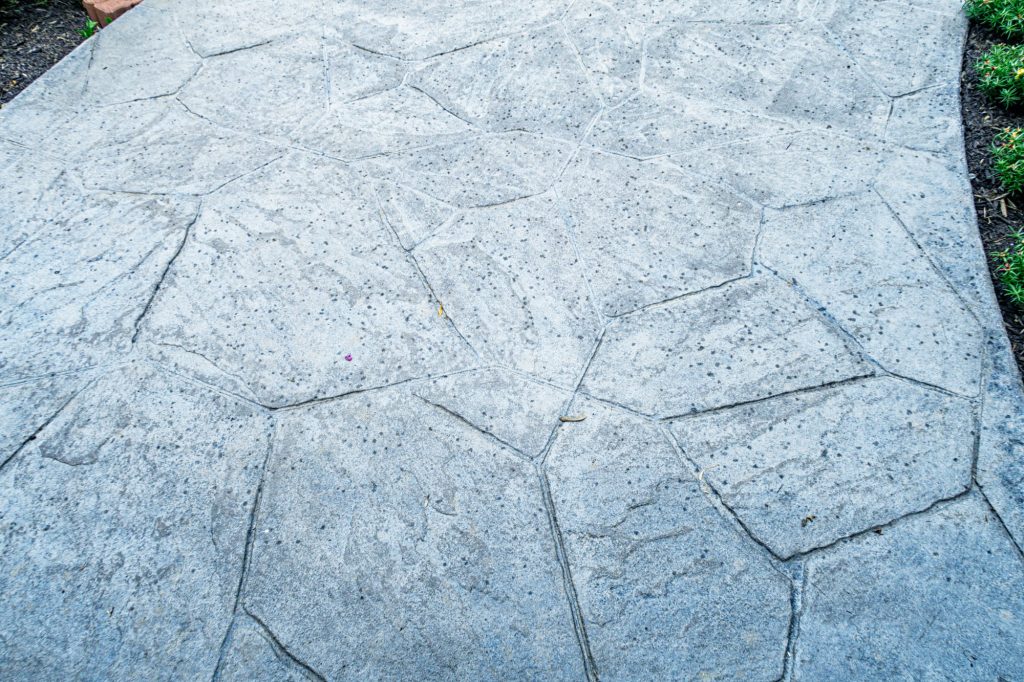
Stamped concrete is installed as one continuous slab. Decorative patterns and textures are pressed into the concrete before it hardens, creating the appearance of natural stone, brick, or other materials. The finished surface can look impressive, especially when new.
Concrete, however, naturally expands and contracts with changing temperatures. Over time, freeze-thaw cycles, soil movement, moisture, and daily use may contribute to hairline cracks or larger structural cracks. Control joints help manage movement, but they do not always prevent visible cracking throughout the life of the installation.
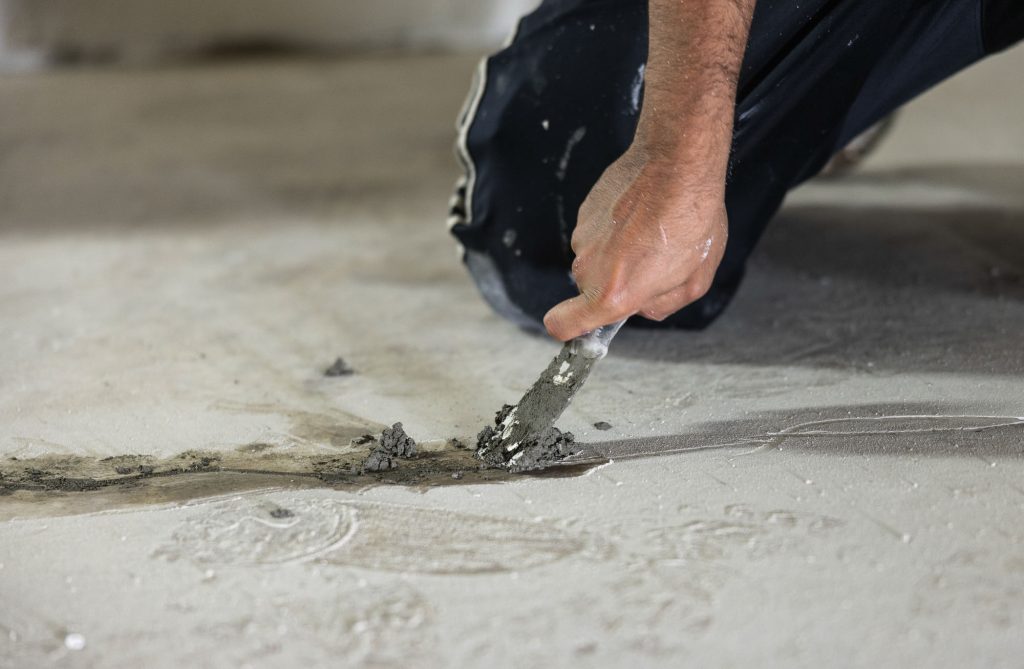
Because stamped concrete is a single slab, fixing damaged areas often requires patching or replacing larger sections. Matching the original color and decorative pattern several years later can be challenging because weather and sunlight gradually alter the appearance of the existing concrete.
Concrete pavers perform differently.
Individual paving stones work together as an interlocking system rather than as a single continuous surface. Small joints between each unit allow the pavement to respond to minor ground movement while maintaining the integrity of the installation.
If damage occurs, contractors can usually remove and replace individual pavers without disturbing the surrounding area.
Nicolock paving stones are manufactured with paver-shield™ technology, producing rich color designed to remain vibrant through years of outdoor use. Rather than relying solely on a decorative surface treatment, Nicolock's manufacturing process helps preserve the beauty homeowners expect from premium hardscape materials.
According to Nicolock's installation guidelines, successful paver projects begin with proper excavation, a compacted aggregate base, bedding sand, edge restraints, and correctly installed joint materials. Each layer contributes to the strength and longevity of the finished surface while promoting proper drainage and structural stability.
The quality of the installation is just as valuable as the materials themselves. A properly constructed foundation helps both appearance and performance continue well beyond the first season of outdoor living.
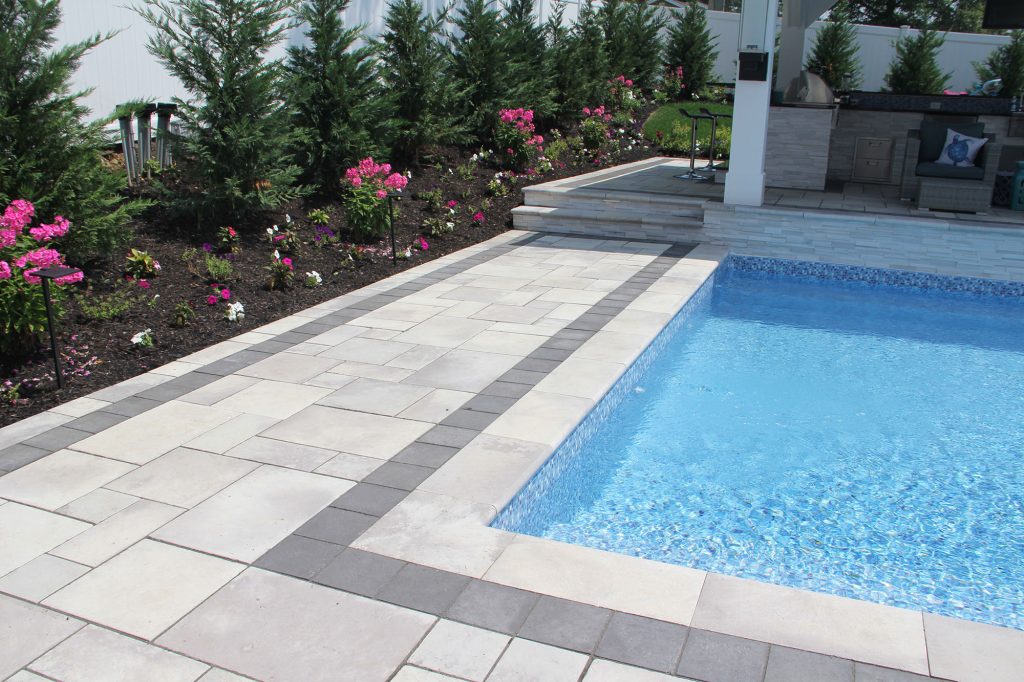
Outdoor surfaces must perform through years of changing conditions. Summer heat, heavy rain, freezing temperatures, snow removal, and shifting soil all place stress on hardscape materials. While both stamped concrete and pavers are built for outdoor use, they respond to those conditions differently.
Stamped concrete expands during warm weather and contracts as temperatures fall. Control joints help direct where movement occurs, but they do not eliminate stress within the slab. In regions that experience repeated freeze-thaw cycles, water can enter small openings, freeze, expand, and gradually make those cracks more noticeable over time.
Concrete pavers respond differently because they are installed as individual units over a properly prepared base. The joints between pavers allow the surface to accommodate small amounts of natural movement without relying on a single continuous slab. Proper drainage beneath the installation also helps move water away from the surface, supporting long-term performance.
Climate is only part of the equation.
The foundation beneath every hardscape project has a direct impact on how well it performs. Nicolock's installation guidelines emphasize proper excavation, a compacted aggregate base, bedding sand, edge restraints, and polymeric joint sand. Together, these components create a stable system that supports patios, walkways, driveways, and pool decks for many years.
No paving material performs well when installed on an inadequate base. Investing in professional installation is one of the best ways to protect any outdoor project, regardless of the surface you choose.
Every outdoor surface benefits from routine care. The difference is how that maintenance fits into everyday homeownership.
Stamped concrete is commonly sealed after installation to help protect its decorative finish. Over time, many installations require resealing to maintain their appearance and improve stain resistance. Dirt, leaves, automotive fluids, and food spills should also be cleaned promptly to help preserve the finish.
If cracks develop, they can become more visible as debris and moisture collect within them.
Concrete pavers have their own maintenance routine, but many homeowners appreciate that the work is often simple and localized.
Typical care includes:
Many homeowners also choose to seal their pavers for additional stain resistance or color enhancement. Others prefer to enjoy the natural appearance of the paving stones without applying a sealer.
Weeds are another common concern.
A professionally installed paver system uses polymeric joint sand that hardens after activation, helping reduce weed growth and stabilize joints. Although no outdoor surface is completely maintenance-free, proper installation significantly reduces many of the issues homeowners associate with older paver installations.
Routine maintenance should support your lifestyle rather than become another weekend project. Understanding those expectations before installation helps homeowners make informed decisions they continue to appreciate years later.
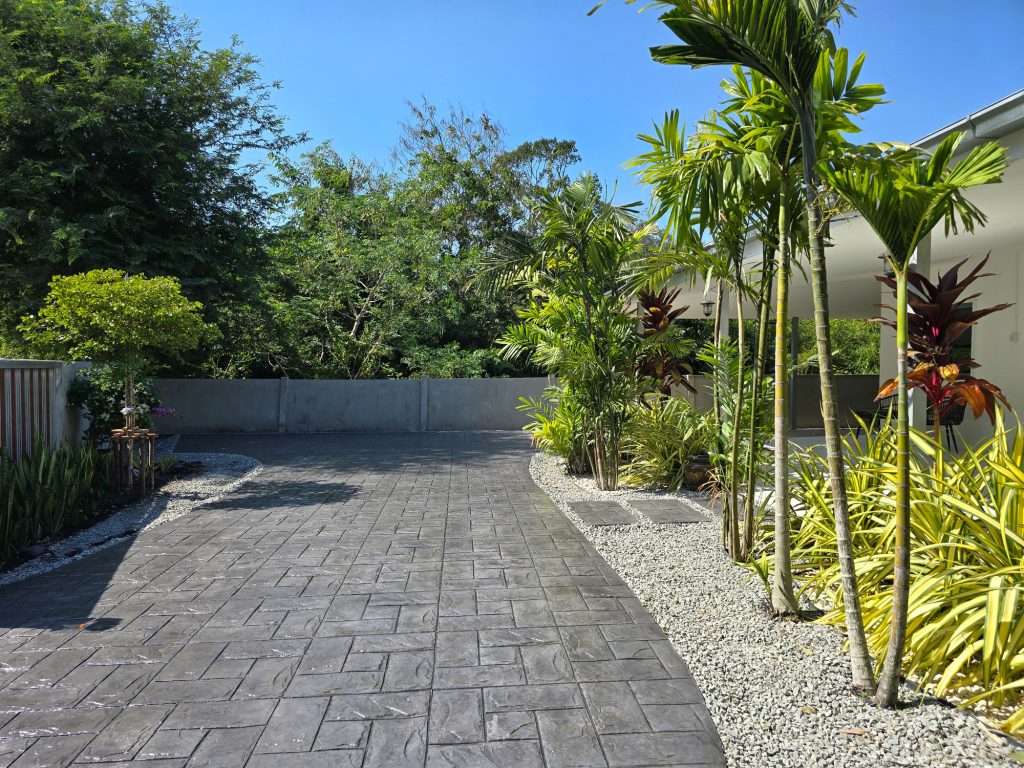
Most homeowners never expect to repair a patio or driveway. Still, planning for that possibility before construction can save considerable time and expense in the future.
Because stamped concrete is one continuous slab, repairs often affect larger sections of the installation.
Depending on the type of damage, contractors may need to:
While skilled contractors can produce excellent repairs, matching concrete that has weathered for several years is not always easy.
Concrete pavers simplify many repair situations.
If one paver becomes chipped, stained beyond cleaning, or damaged by impact, contractors can usually lift the surrounding pavers, replace the affected unit, and reinstall the area without replacing the rest of the project.
That flexibility provides another long-term benefit.
Underground utilities occasionally need maintenance. Irrigation systems change. Landscape lighting is added. Drainage improvements become necessary. Since pavers can often be removed and reinstalled, accessing utilities beneath the surface is generally much less disruptive than cutting into a concrete slab.
Future renovations become easier as well.
Many homeowners begin with a patio before adding:
Interlocking pavers make these additions much easier to integrate into the original design while maintaining a cohesive appearance.
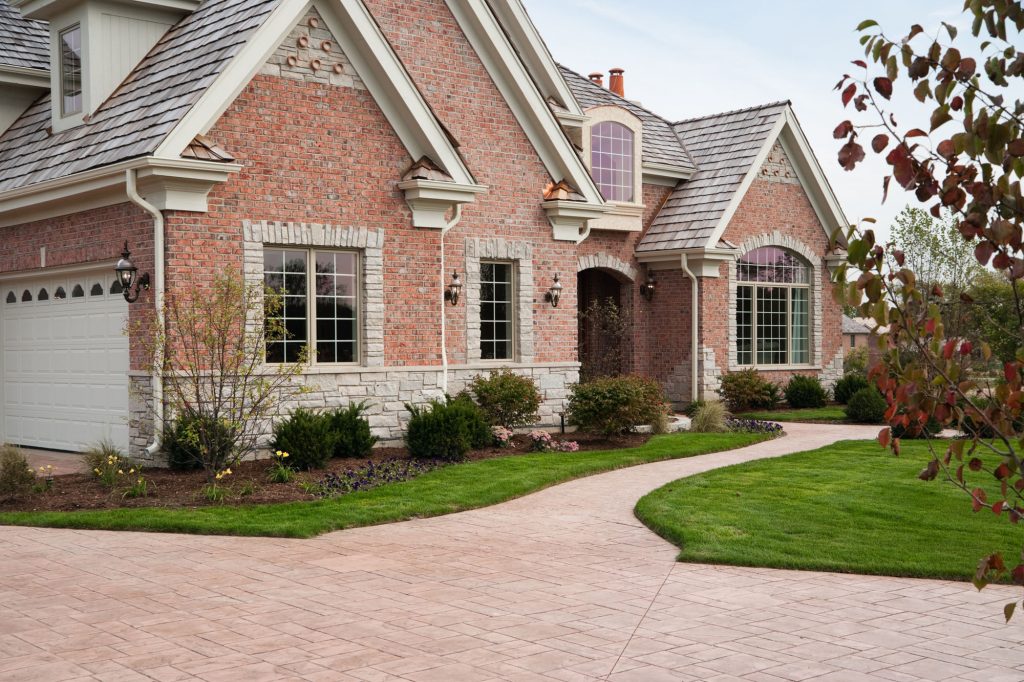
Installation price is one of the first questions homeowners ask, and understandably so. Outdoor living projects represent a meaningful investment in both the home and the lifestyle it supports.
In many situations, stamped concrete has a lower initial installation cost than premium concrete pavers. That difference often makes it an attractive option during the early planning stages.
However, the installation price tells only part of the financial story.
Several factors influence the total cost of ownership, including:
Viewing the project through this broader perspective often changes the conversation.
For example, a stamped concrete surface may require periodic resealing throughout its life. If significant cracking develops, repairs may involve replacing larger sections rather than isolated areas.
Concrete pavers typically require a greater upfront investment, yet their modular design allows individual repairs without replacing an entire patio or driveway. Homeowners who anticipate expanding their outdoor living space may also appreciate the flexibility to incorporate new features without having to start over.
Value extends beyond maintenance costs.
Professionally designed hardscapes improve curb appeal while creating outdoor spaces that encourage homeowners to spend more time outside. A thoughtfully planned patio, driveway, or walkway can continue serving the home for decades while complementing future improvements throughout the property.
Instead of asking which material costs less today, ask which investment best supports the way you plan to use your outdoor space over the next ten or twenty years. That perspective often leads to a much more satisfying decision.
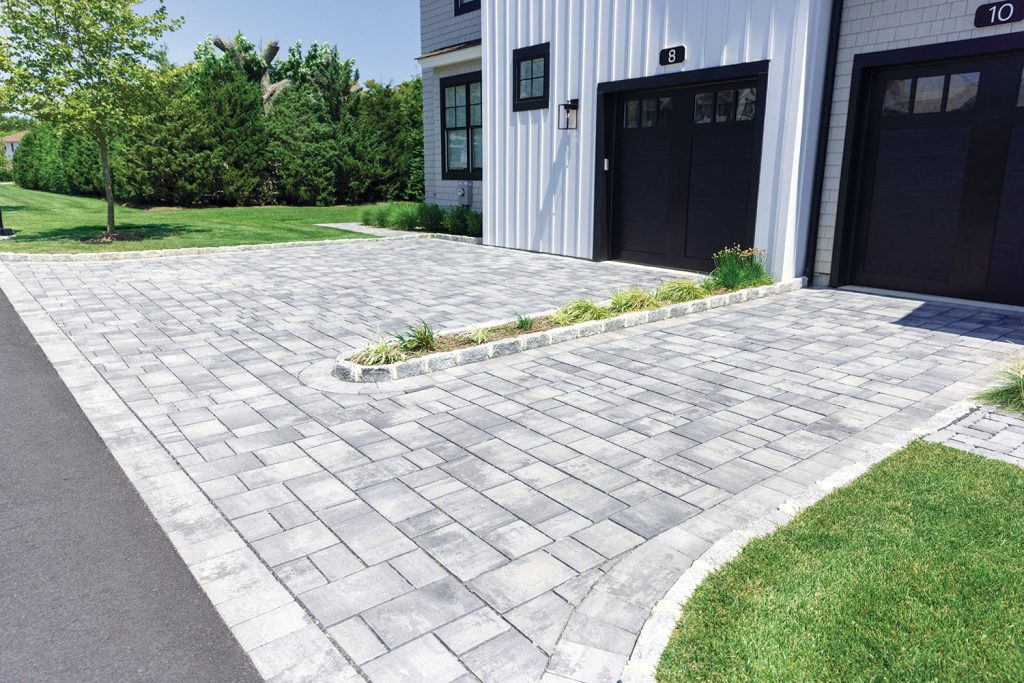
While durability and maintenance are major considerations, appearance is what brings an outdoor space to life. A well-designed hardscape should complement your home today and continue fitting your lifestyle as your property evolves.
Stamped concrete offers a variety of decorative patterns and textures that mimic natural materials such as stone, slate, and brick. Once the concrete cures, however, the design is permanent. Adding onto the project years later often means pouring new concrete, which can be difficult to blend with the original surface because color naturally changes over time.
Concrete pavers provide much greater design flexibility from the beginning and well into the future.
Homeowners can choose from:
This flexibility makes it easier to personalize the space while maintaining a cohesive appearance throughout the property.
Nicolock offers one of the industry's broadest selections of paving stones, allowing homeowners to create outdoor spaces that reflect both traditional and contemporary styles. Whether you're designing a welcoming front entrance, an expansive backyard patio, or an inviting pool deck, coordinated product collections make it easy to connect each area into one unified landscape.
Many homeowners also appreciate having options later.
An outdoor space often grows over time. What begins as a simple patio may eventually include:
Because pavers are installed as individual units, these additions can often be incorporated while maintaining the project's original character.
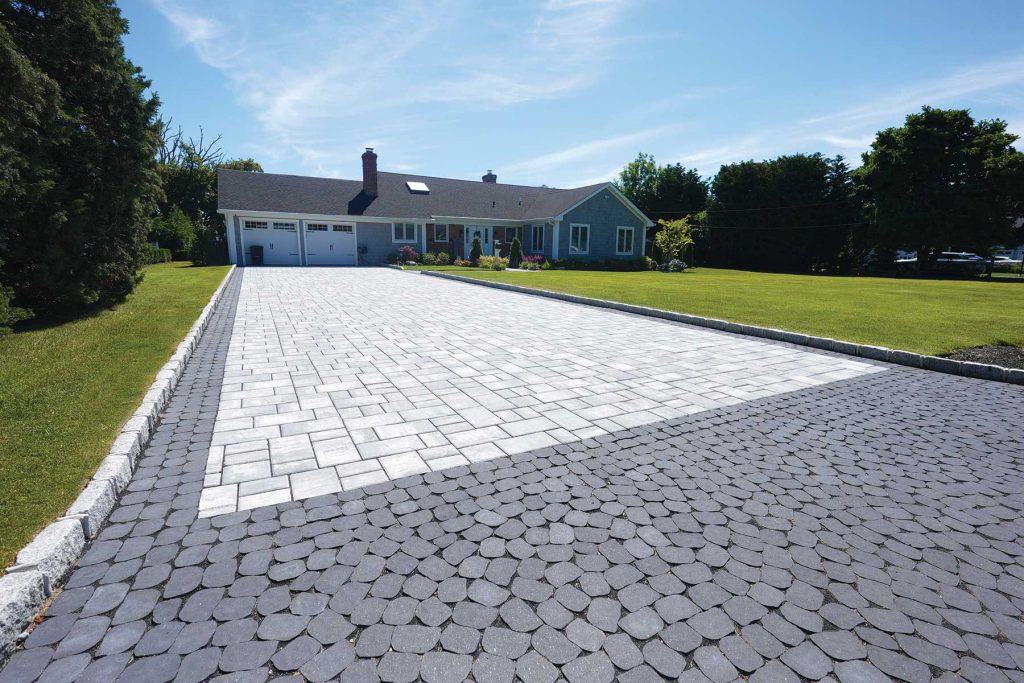
Different areas of your property place different demands on paving materials. Understanding those differences helps create outdoor spaces that remain attractive and functional for years.
Patios are often the heart of outdoor living.
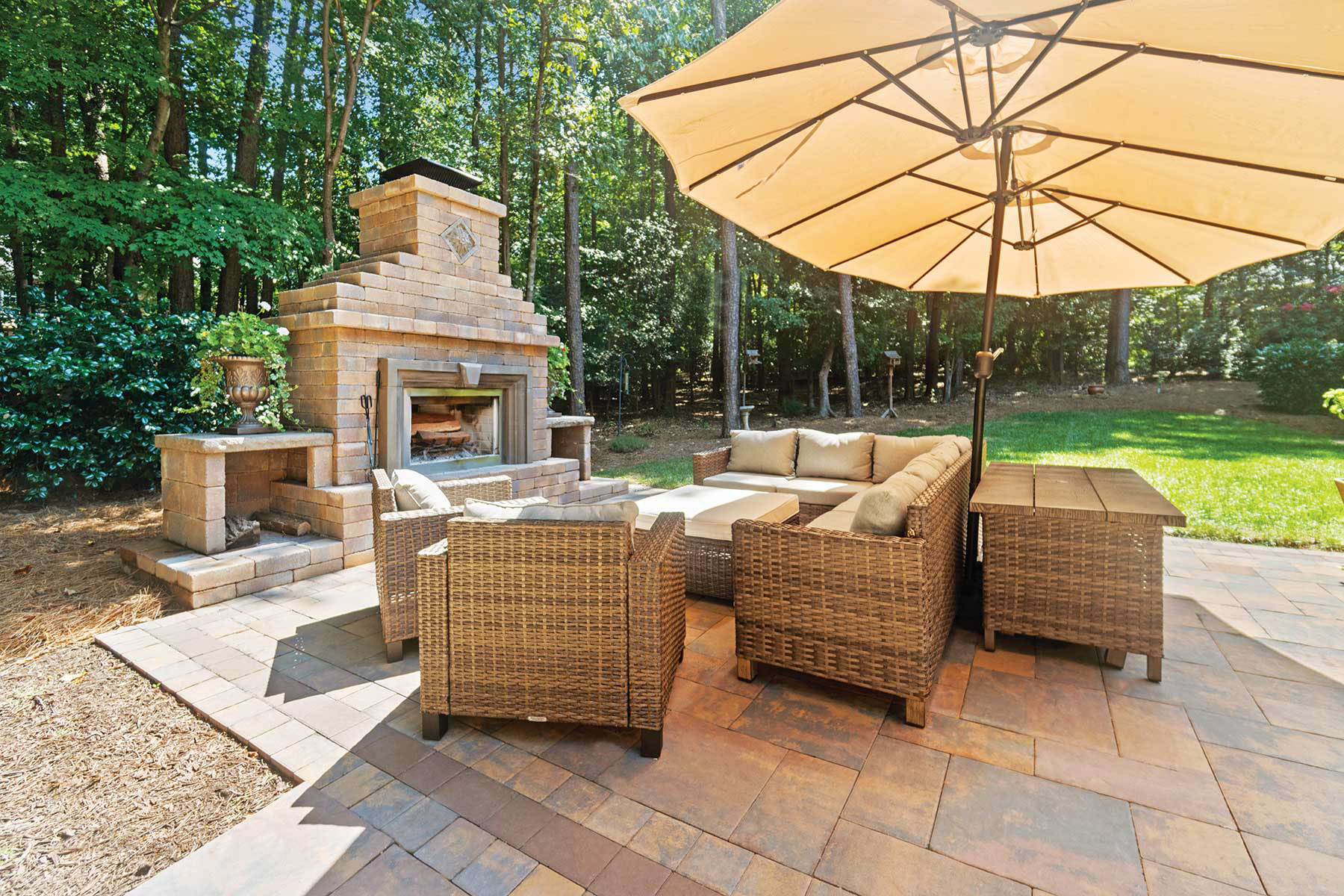
Family dinners, weekend cookouts, quiet mornings, and holiday celebrations all happen here. Concrete pavers offer design flexibility, allowing homeowners to create inviting gathering spaces with colors and patterns that complement the home's architecture.
Walkways do much more than connect one destination to another.
They create a welcoming path to the front entrance, guide guests through the landscape, and connect patios, gardens, and outdoor living areas into one cohesive design.
Driveways experience constant vehicle traffic and are among the first features visitors notice.
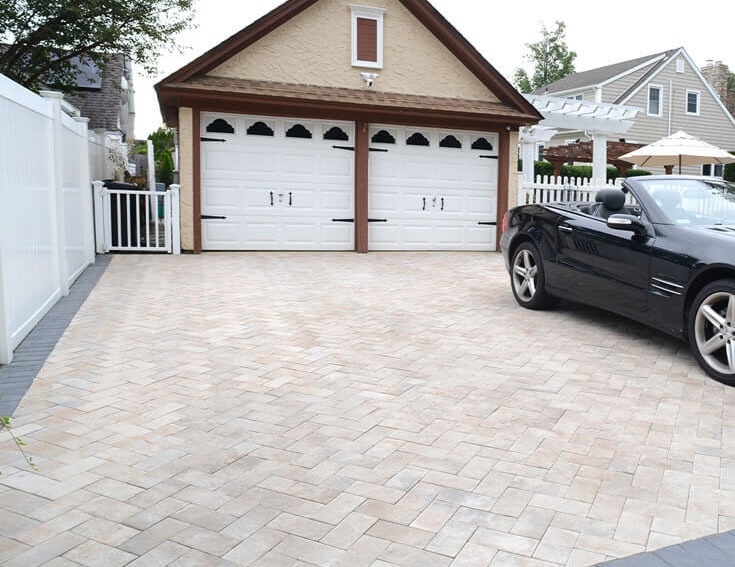
Premium concrete pavers offer long-term durability and the ability to replace individual units if damage occurs, helping preserve the appearance of the entire driveway.
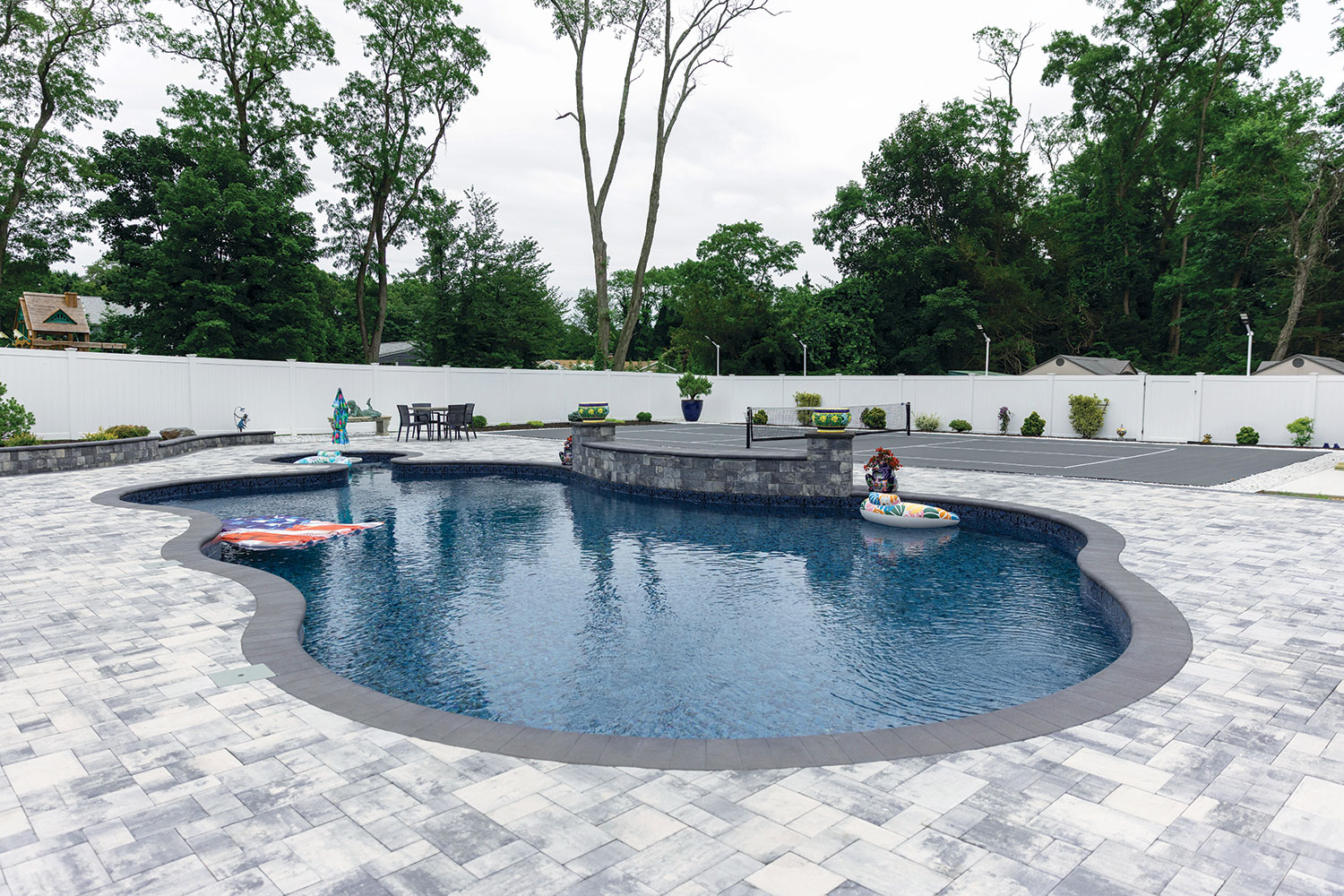
Pool areas require surfaces that perform well around water while creating an attractive environment for relaxation and entertaining.
Nicolock offers paving stones specifically designed for pool decks, including options with Solar Reflective Technology that stay cooler under direct sunlight than traditional darker paving materials. Combined with coordinated colors and textures, these products create comfortable outdoor spaces that remain inviting throughout the summer.
Today's backyards often feature multiple destinations rather than a single large patio.
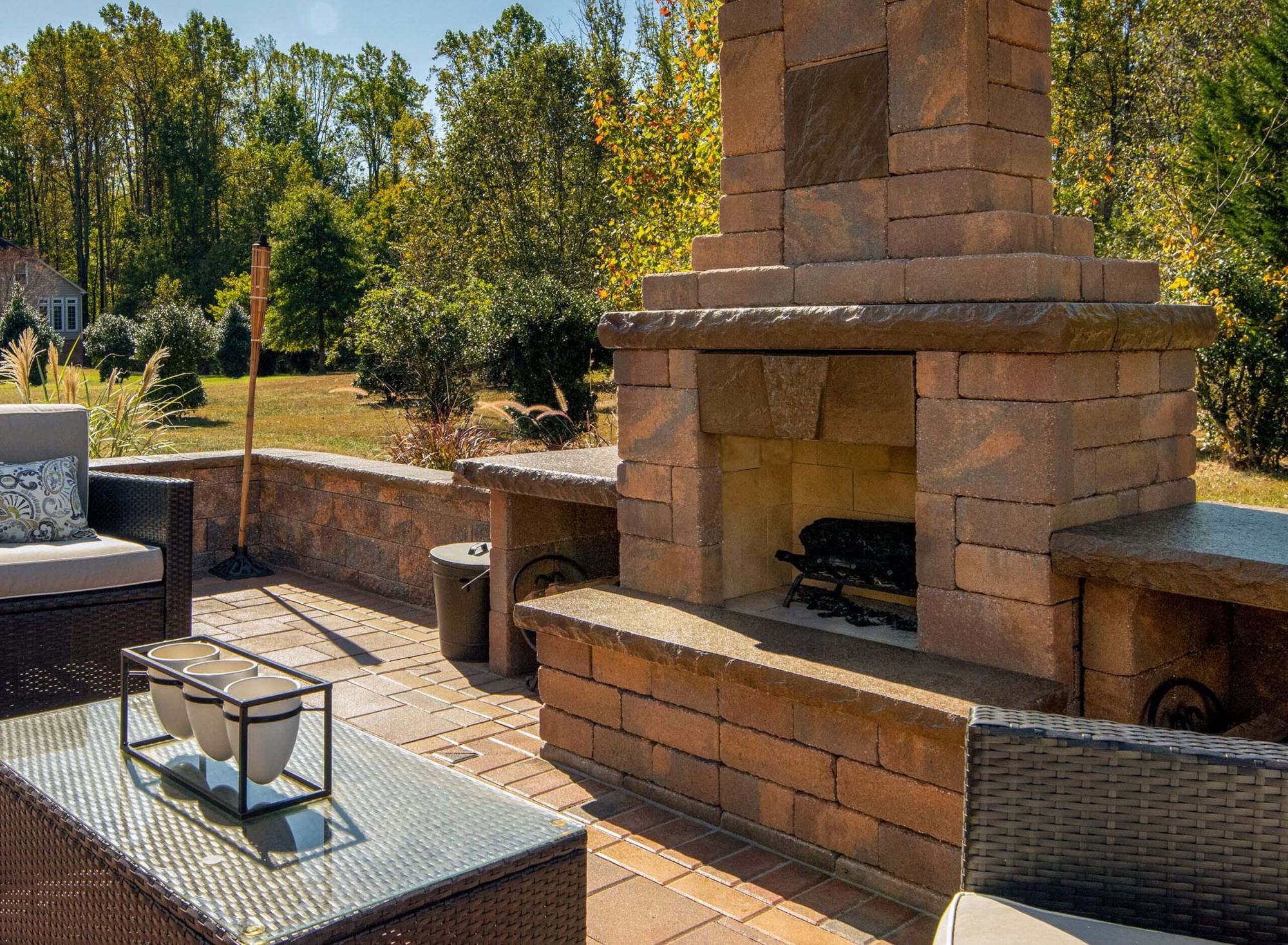
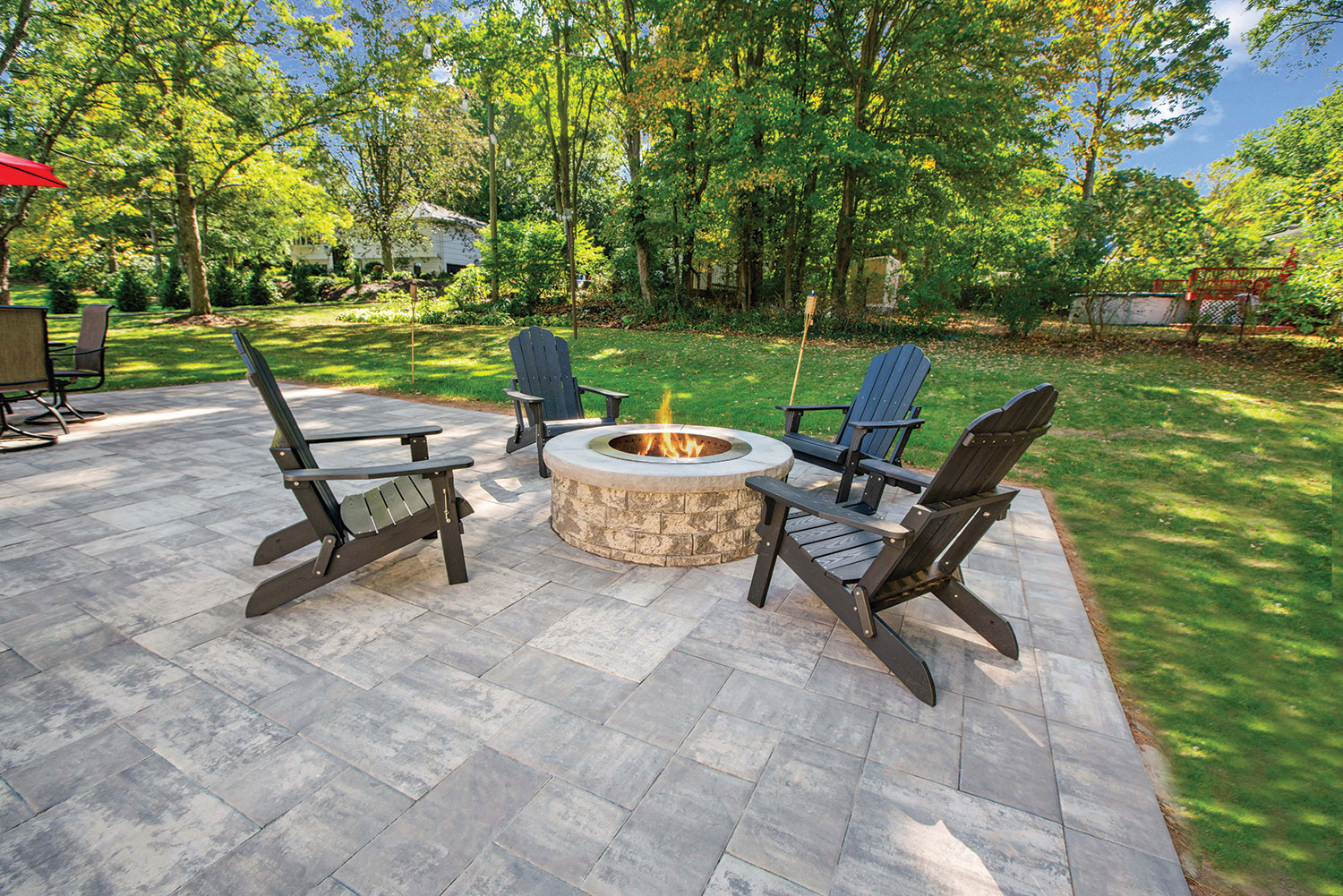
Fire features, dining spaces, outdoor kitchens, seating walls, pergolas, and landscape walls all work together to create an extension of the home. Coordinating these elements with matching paving stones helps establish visual continuity while allowing each space to serve its own purpose.
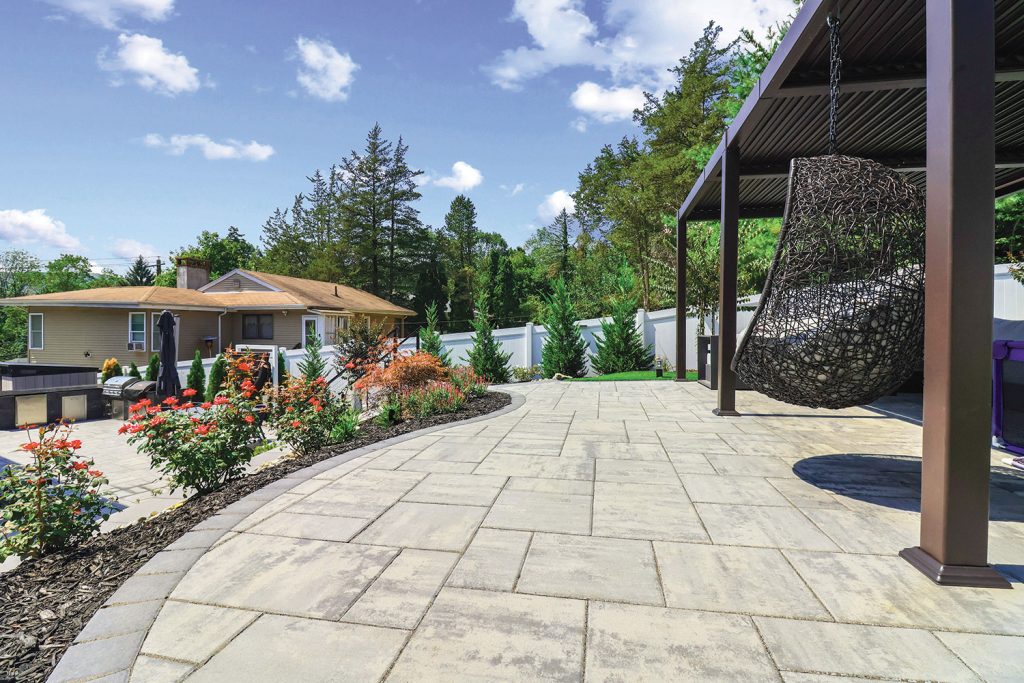
Choosing between stamped concrete vs pavers ultimately comes down to the kind of outdoor space you want to own years from now.
For more than five decades, Nicolock has helped homeowners create patios, driveways, walkways, pool decks, and outdoor living areas that combine lasting performance with distinctive design. Every product is manufactured in the United States, giving homeowners confidence that their investment is backed by decades of hardscape experience and consistent quality.
One of Nicolock's defining features is paver-shield™ technology.
Rather than depending on a decorative surface treatment alone, Nicolock paving stones are manufactured to deliver rich, vibrant color that stands up to years of everyday use. This process helps maintain the appearance of the pavers while supporting the long-term beauty homeowners expect from premium hardscape products.
Homeowners can also choose from an extensive collection of paving solutions, including:
These product lines work together, making it easier to create a complete outdoor environment instead of selecting individual products that may not complement one another.
Proper installation is equally valuable.
Nicolock provides comprehensive installation guidance covering excavation, compacted aggregate base preparation, bedding sand, edge restraints, drainage, and joint stabilization. Following these best practices helps maximize both the beauty and long-term performance of every installation.
Working with an experienced Nicolock contractor also helps ensure your project is built on a solid foundation that supports years of outdoor enjoyment.
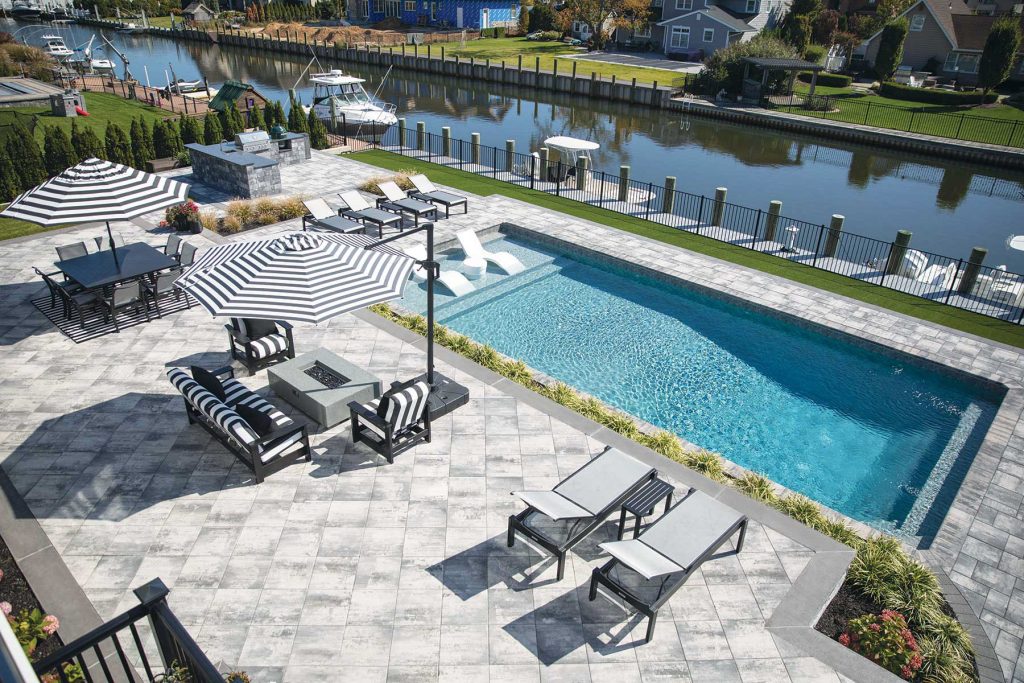
The stamped concrete vs pavers decision is about much more than choosing a construction material.
It is an opportunity to create an outdoor space that welcomes family, supports everyday living, and continues adding value to your home through every season.
Stamped concrete offers decorative appeal and can provide a lower initial investment for some projects. Concrete pavers, however, deliver advantages that become more valuable over time. Easier repairs, long-term design flexibility, durable construction, and the ability to expand an outdoor living space all contribute to an ownership experience that many homeowners appreciate long after installation is complete.
The best projects are those that continue serving your family year after year while maintaining the beauty that inspired them in the first place.
If you're ready to begin planning your own outdoor space, visit a Nicolock Design Center to compare products in person, gather inspiration, and speak with knowledgeable professionals. You can also find a Nicolock dealer or connect with a Nicolock contractor who can help bring your vision to life with products designed for lasting outdoor living.
Each material has advantages, but concrete pavers are often preferred for their repairability, design flexibility, and long-term durability. Individual pavers can usually be replaced if damaged, whereas repairs to stamped concrete often involve larger sections of the slab.
Concrete naturally expands and contracts as temperatures change. Although control joints help manage movement, stamped concrete can develop cracks over time due to freeze and thaw cycles, ground settlement, or normal wear.
Professionally installed concrete pavers are designed for decades of outdoor use. Their interlocking system allows the surface to accommodate minor ground movement while supporting long-term performance.
Many homeowners believe so because pavers offer easier repairs, greater design flexibility, and the ability to modify or expand outdoor spaces without replacing the original installation.
Both materials can perform well when properly installed. Interlocking pavers are often selected in regions with freeze-thaw cycles because they can better accommodate natural ground movement.
Yes. Small cracks may be repaired, while larger damage may require removing and replacing portions of the slab. Matching the original color and decorative pattern may become more difficult as the surface ages.
Routine care usually includes sweeping, occasional washing, and inspecting joint sand over time. Some homeowners choose to apply a sealer for additional stain resistance or color enhancement.
Well-designed hardscapes can improve curb appeal and increase buyer interest. Premium concrete pavers are often viewed as a desirable feature because they combine attractive design with long-term durability and repair flexibility.
Yes. One of the primary advantages of an interlocking paving system is the ability to remove and replace individual pavers without disturbing the surrounding installation.
Yes. Concrete pavers are a popular choice for pool decks because they combine attractive design options with dependable performance. Nicolock also offers paving stones with Solar Reflective Technology that help create a more comfortable surface under direct sunlight.