Outdoor spaces shape how you live at home. A well-designed patio becomes the setting for family dinners, quiet mornings, and gatherings with friends. A professionally built driveway strengthens curb appeal and daily function. When you look at paver cost through the lens of long-term enjoyment and durability, the conversation shifts from price alone to value over time.
Search paver cost online, and you will see a wide range of numbers. Then a contractor provides a proposal, and the total feels higher than expected. That difference can feel frustrating and even confusing, especially when the online price seemed straightforward. Behind those numbers, however, are structural layers, skilled labor, and design decisions that shape long-term performance.
Understanding what drives paver patio cost allows you to move forward with confidence and better information. Once you see what supports the surface beneath your feet, the investment begins to make practical and financial sense.
Before going deeper, keep these fundamentals in mind:
Each of these elements influences total paver cost.
Many homeowners focus on the visible product and assume that the number represents the entire project. In reality, the installed surface includes far more than the pavers themselves. Separating product pricing from the full construction scope helps you evaluate numbers more accurately.
Retail pricing reflects the paver itself. Installed pricing includes:
A completed outdoor surface functions as a system. The visible layer is only part of that structure. Beneath it sits a compacted foundation designed to resist settling, shifting, and water damage.
Industry organizations such as the Interlocking Concrete Pavement Institute outline proper installation standards. Those guidelines emphasize base preparation and drainage as key performance elements. Skipping those steps may reduce initial cost, but it can increase the likelihood of future repairs.
Understanding this distinction helps you evaluate proposals with more awareness.
Homeowners often receive bids that differ by thousands of dollars. The variation usually comes down to structural details and scope.
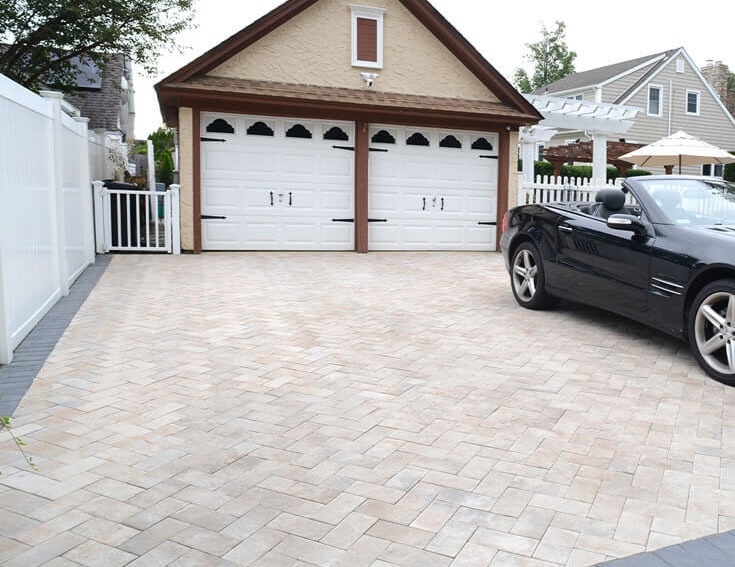
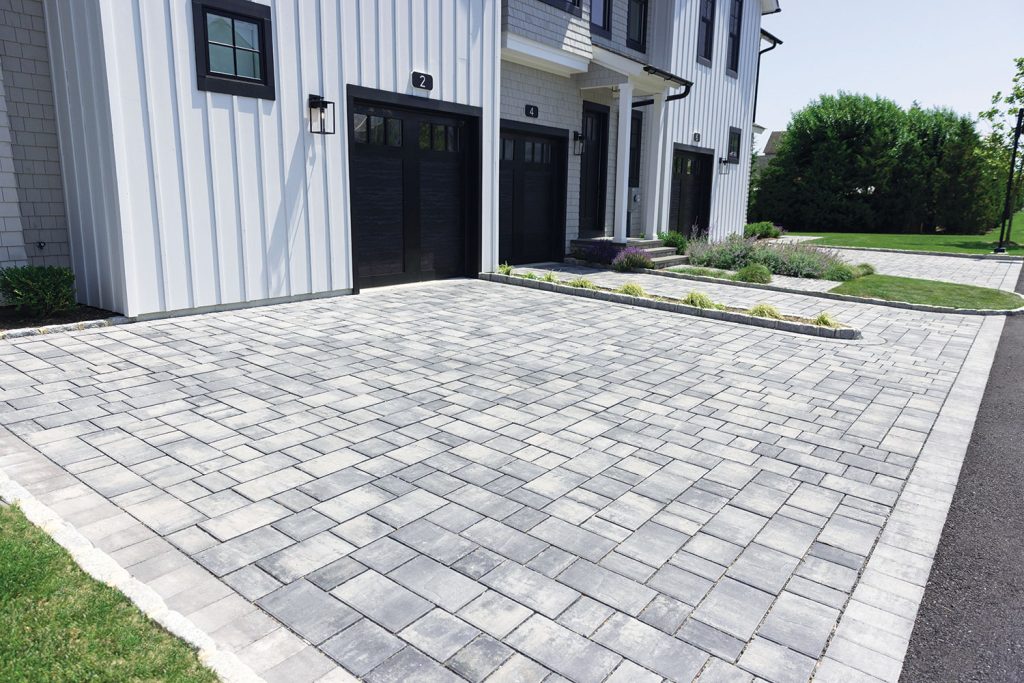
Patios and driveways require different foundations. Driveways must support vehicle loads and endure freeze-thaw cycles. That often means deeper excavation and thicker aggregate layers.
Reducing base depth lowers upfront pricing. However, long-term durability depends on proper depth and compaction.
Water management protects your investment. Proper slope directs runoff away from structures. Permeable systems allow water to move through the surface and into the ground below.
Nicolock’s environmental pavers support responsible drainage strategies. These systems require specialized installation steps, which can affect labor costs.
Limited backyard access increases installation time. Materials may need to be transported manually rather than with equipment.
Straight layouts install faster. Multi-size patterns, borders, and inlays require more cutting and additional labor hours.
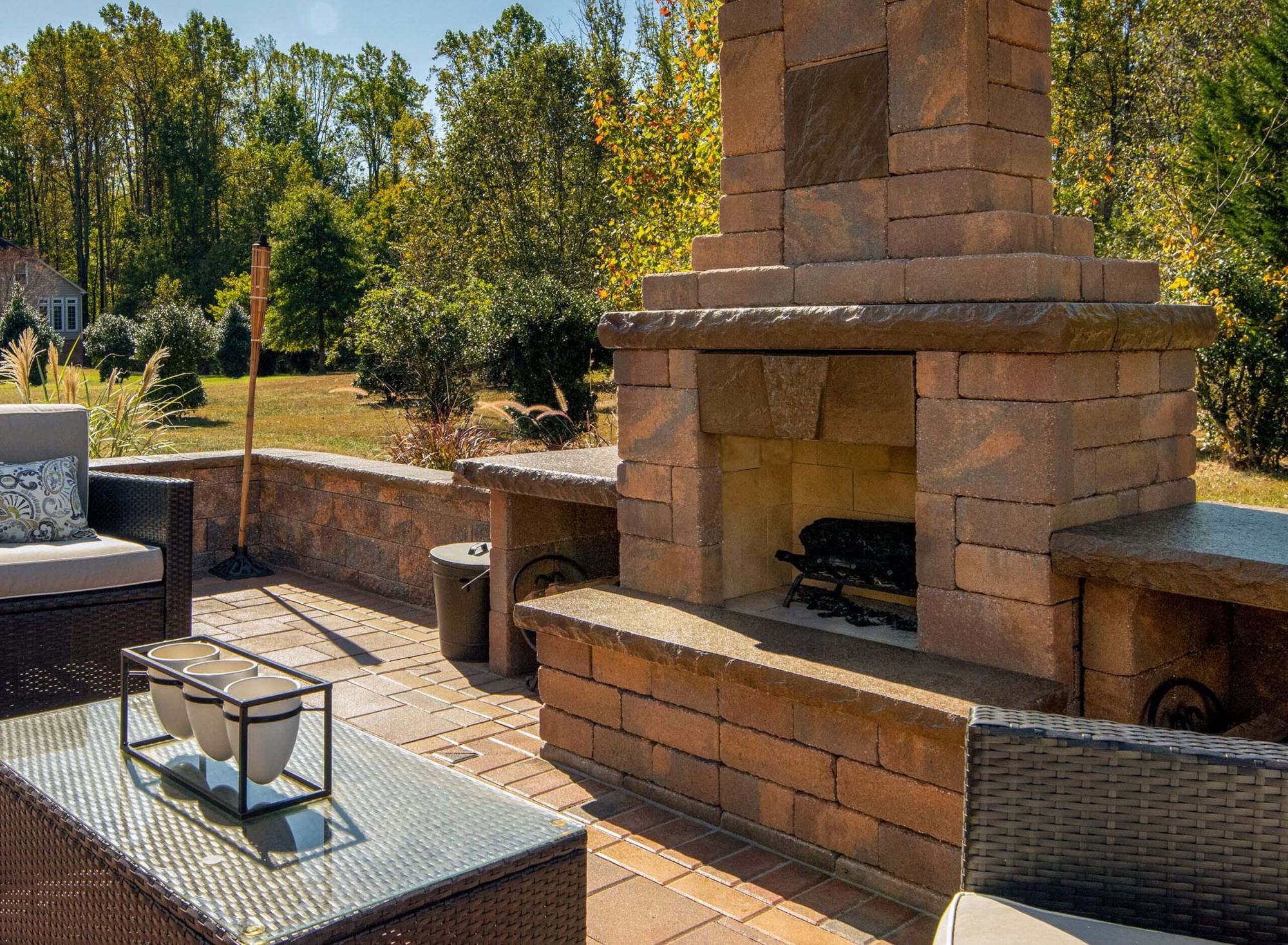
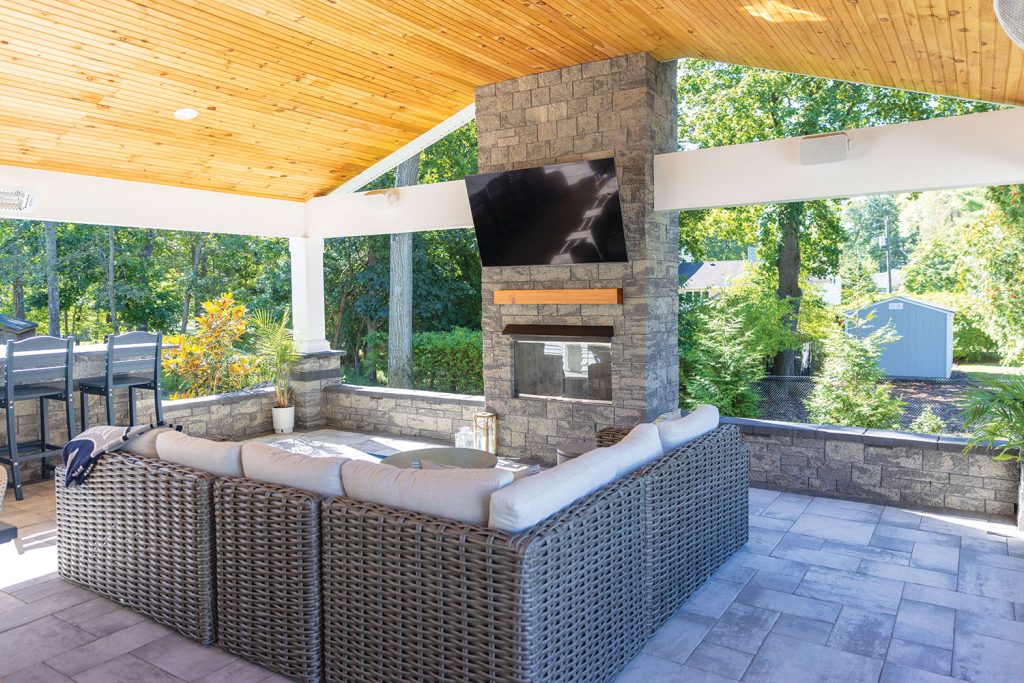
Steps, retaining walls, outdoor kitchens, and lighting expand the scope. Nicolock’s product showcase demonstrates how integrated elements create cohesive outdoor environments. Each feature affects the overall paver cost.
Comparing proposals requires careful review of each bid's contents.
The phrase paver patio cost often centers on square footage. Yet structure and design influence the final number just as much as size.
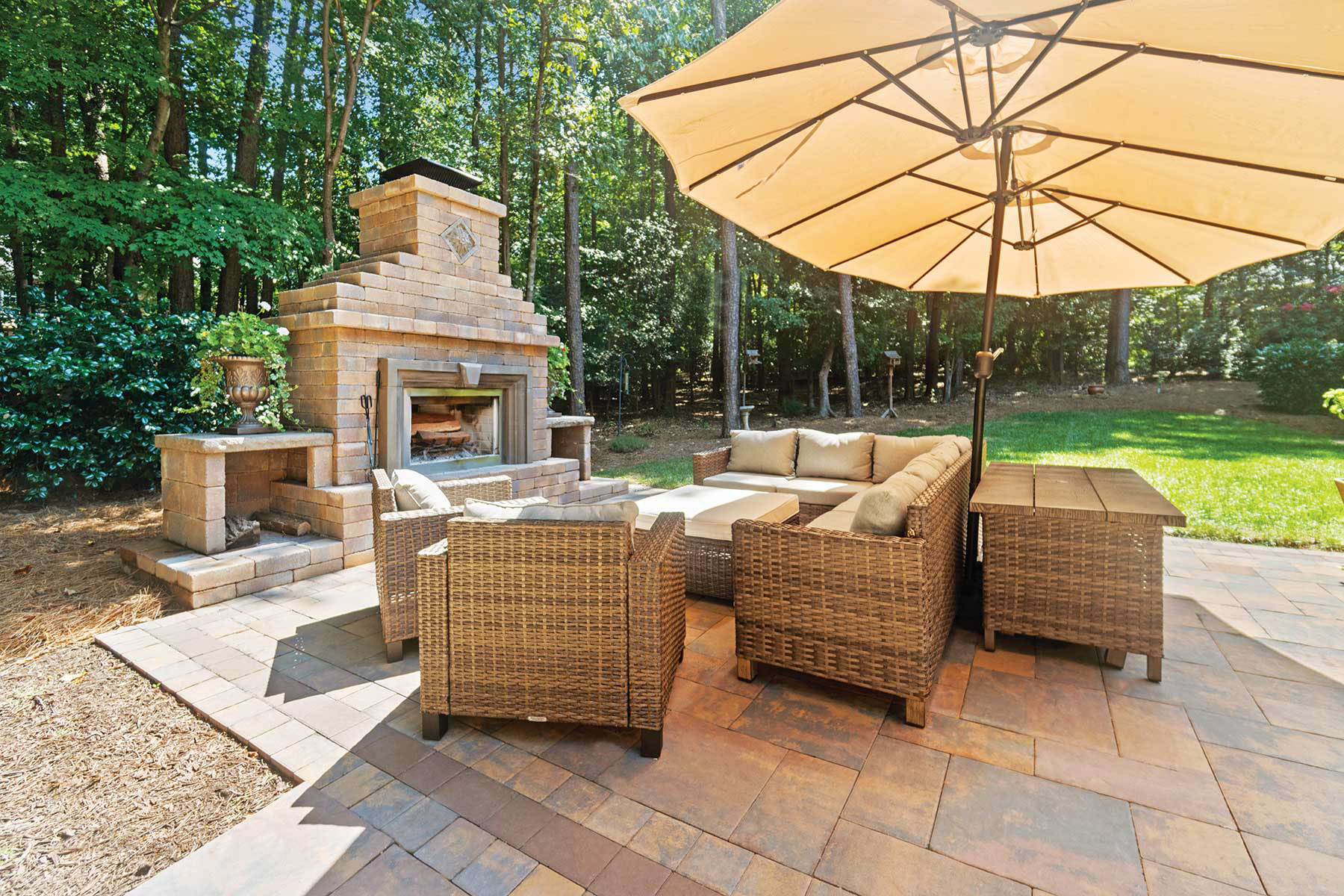
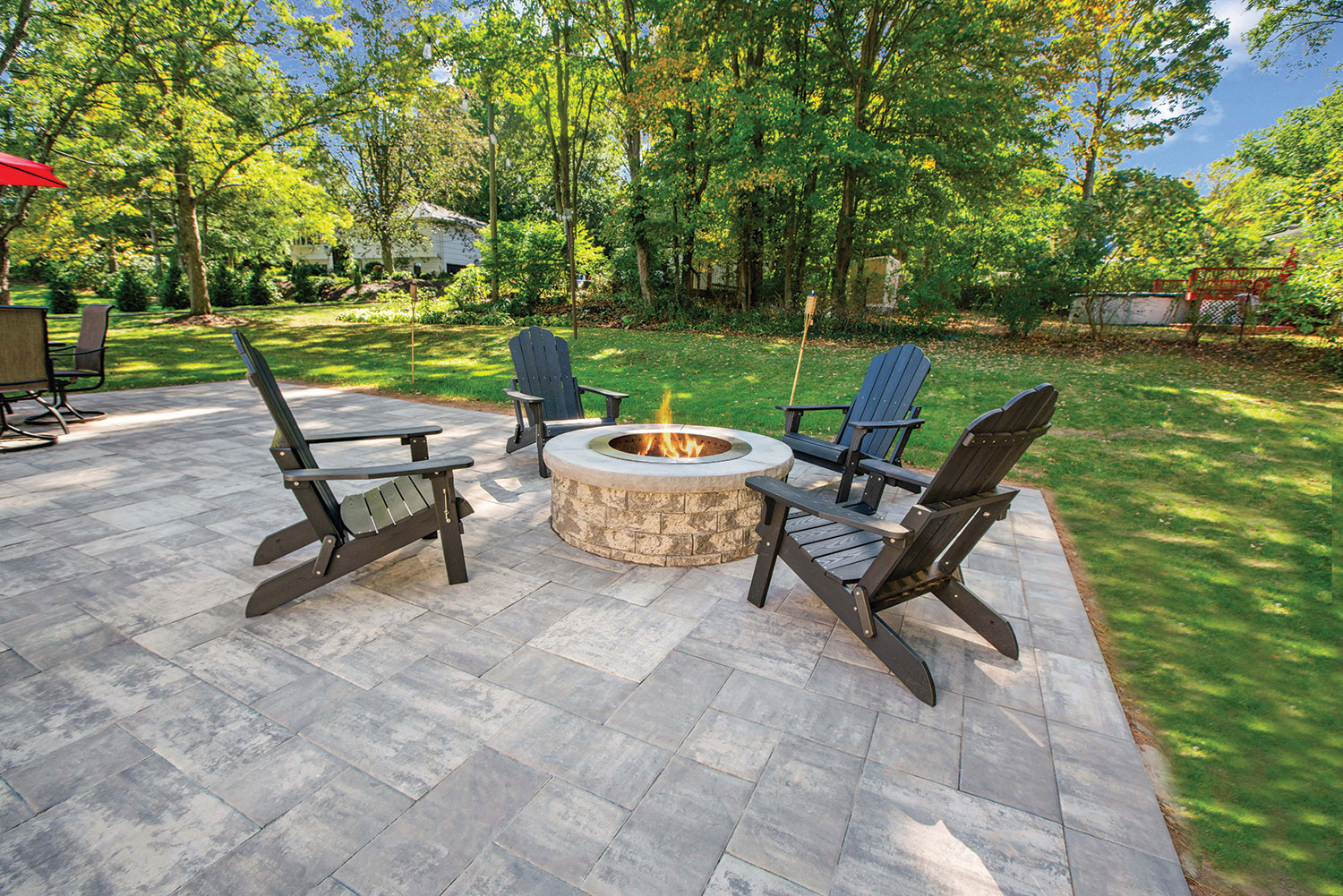
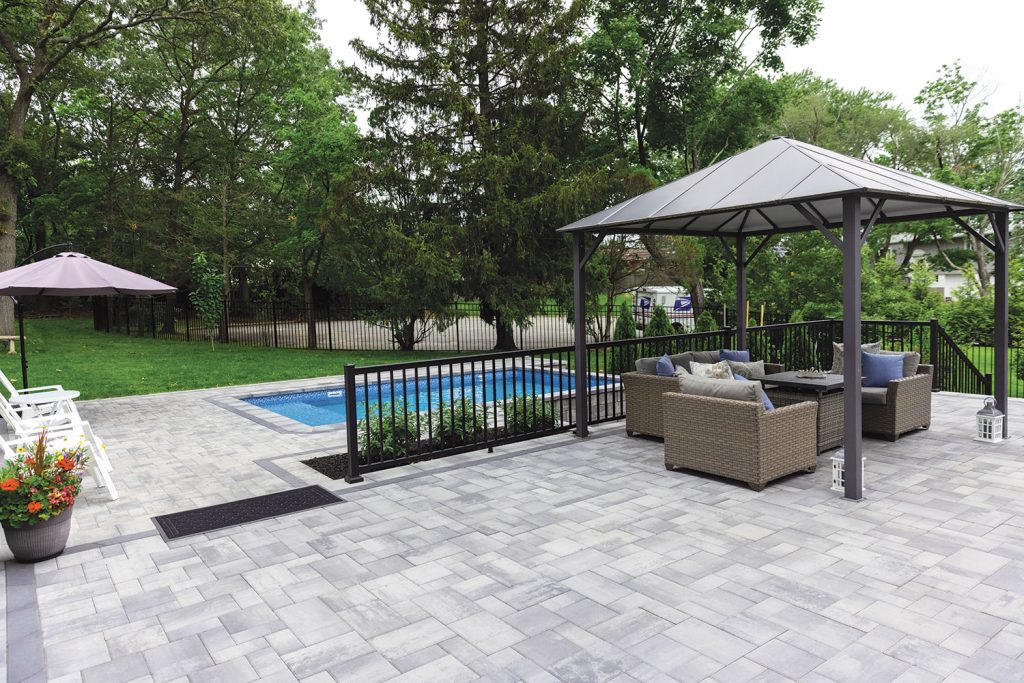
Patios allow flexibility in layout and finish level. Some homeowners choose clean, linear patterns. Others select decorative borders or blended color palettes.
Surface technology also plays a role. Nicolock’s paver-shield™ technology concentrates rich color in the paver's surface layer. This manufacturing process supports long-lasting vibrancy and surface resilience. Over time, color retention contributes to overall value.
Patio projects may include:
Design decisions affect material selection and installation time. As a result, paver patio cost reflects both performance and style.
Project type directly shapes structural requirements, installation time, and material selection. While square footage matters, the intended use of the surface often has a greater influence on total investment. Recognizing these distinctions helps you plan more effectively.
Patios support furniture and foot traffic. Base depth varies based on soil conditions and climate.
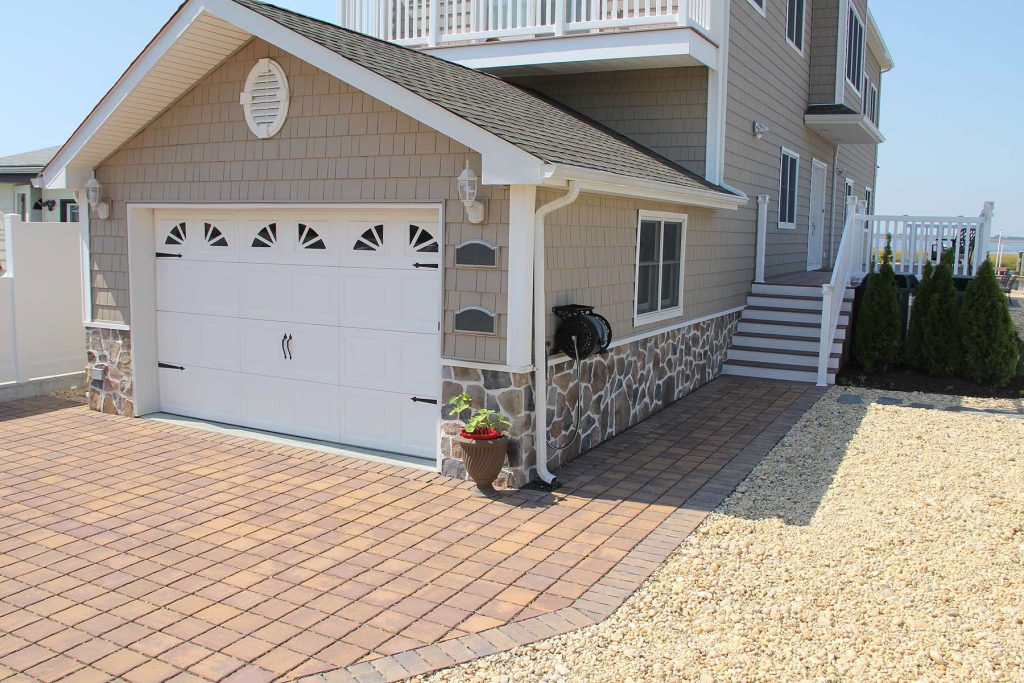
Driveways carry heavier loads. Proper excavation and compaction are essential for long-term stability. Cold climates require additional attention to prevent shifting from freeze-thaw cycles.
Walkways often include curves and elevation changes. Connecting to existing steps or surfaces may require adjustments to the grading.
Recognizing these differences helps explain variations in paver cost.
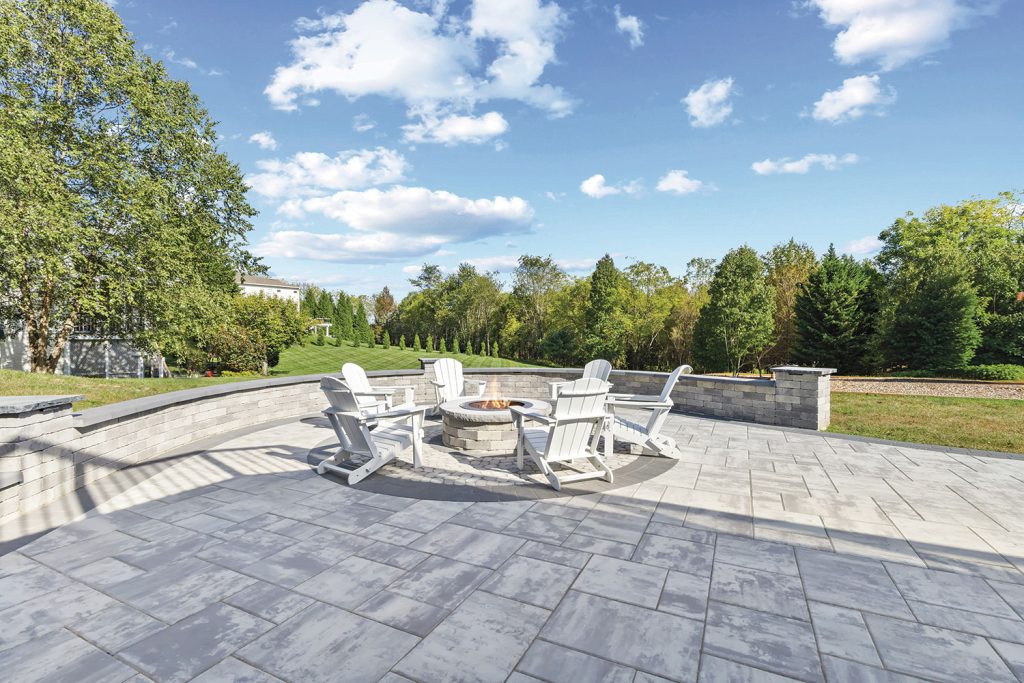
Material choice affects how your outdoor surface performs over time and how it looks on day one. Durability, color retention, and structural integrity all contribute to overall value. Evaluating performance alongside appearance provides a more complete picture.
Concrete pavers offer versatility across design styles. Manufacturing quality affects strength and finish longevity.
Nicolock’s paver-shield™ technology creates a dense, color-rich surface layer. This method supports lasting vibrancy and helps resist wear from traffic and weather. Long-term appearance contributes to overall return on investment.
Nicostone products provide textures inspired by natural stone. Thickness, design profile, and installation approach influence price.
Environmental pavers allow water to pass through joints and into a prepared base. These systems support effective water management and may suit drainage-sensitive properties.
Evaluating materials based on performance rather than price alone provides a broader perspective.
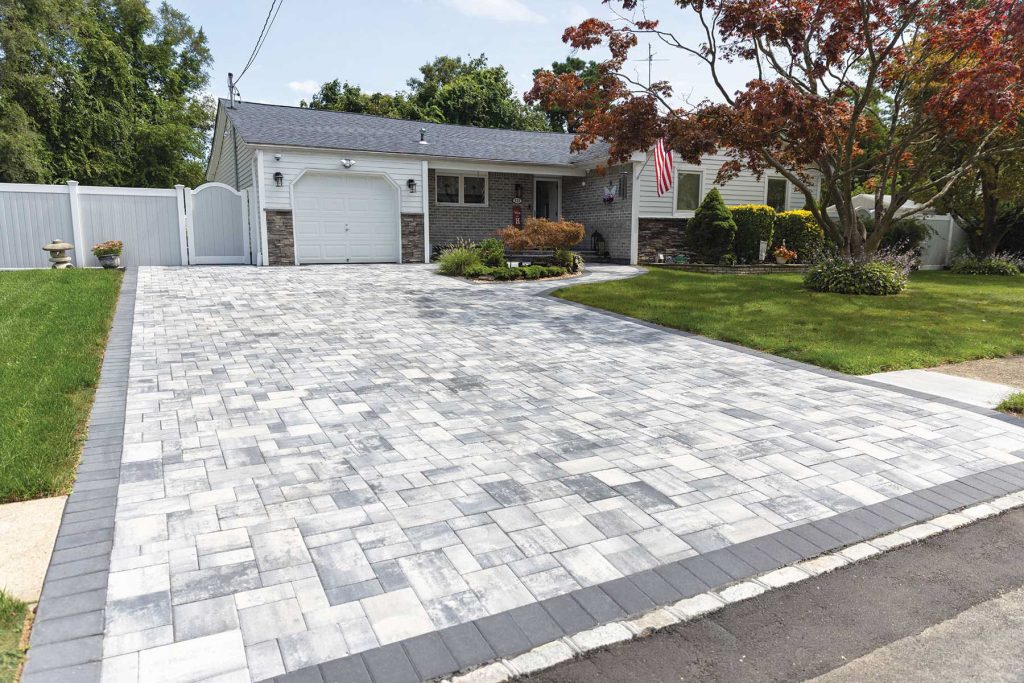
Early estimates sometimes overlook site-specific conditions that influence construction. Addressing these details before installation begins prevents unexpected adjustments later. Reviewing them in advance supports a smoother process.
Certain elements are frequently overlooked during early budgeting:
Reviewing Nicolock’s homeowner resources and FAQs can help you prepare for these considerations. Clear communication with your contractor reduces unexpected expenses.
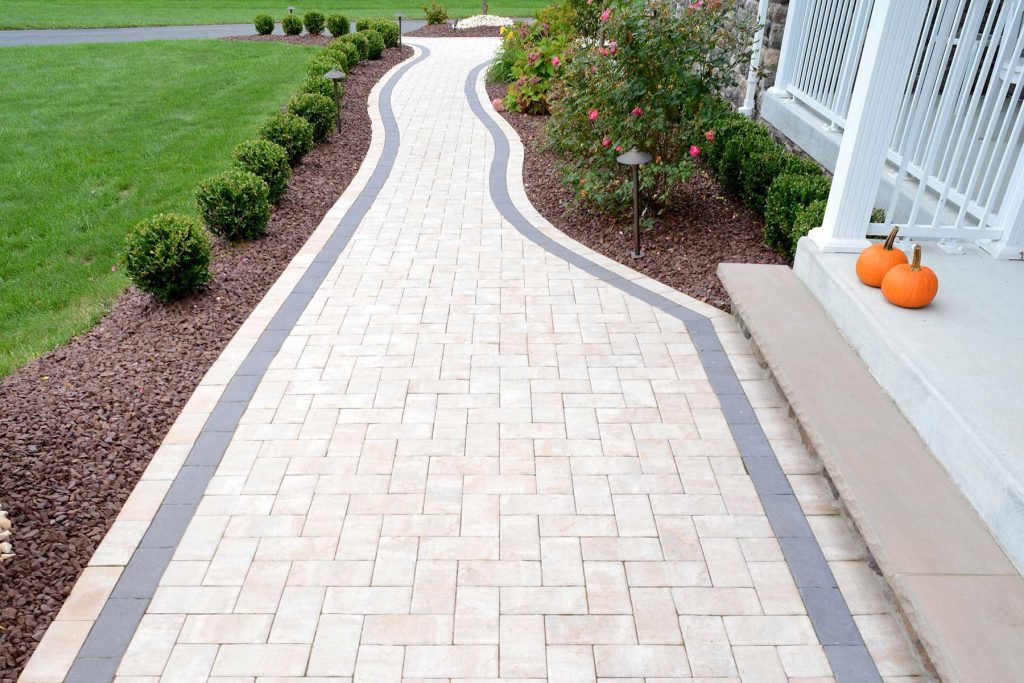
Preparing in advance allows you to approach conversations with realistic expectations. While exact pricing depends on location and conditions, a structured outline helps you understand the scale of your project. Gathering this information beforehand leads to more productive discussions.
You can build a preliminary framework:
This preparation allows for more informed discussions.
Before choosing a contractor, confirm each proposal includes:
Transparent documentation supports long-term durability.
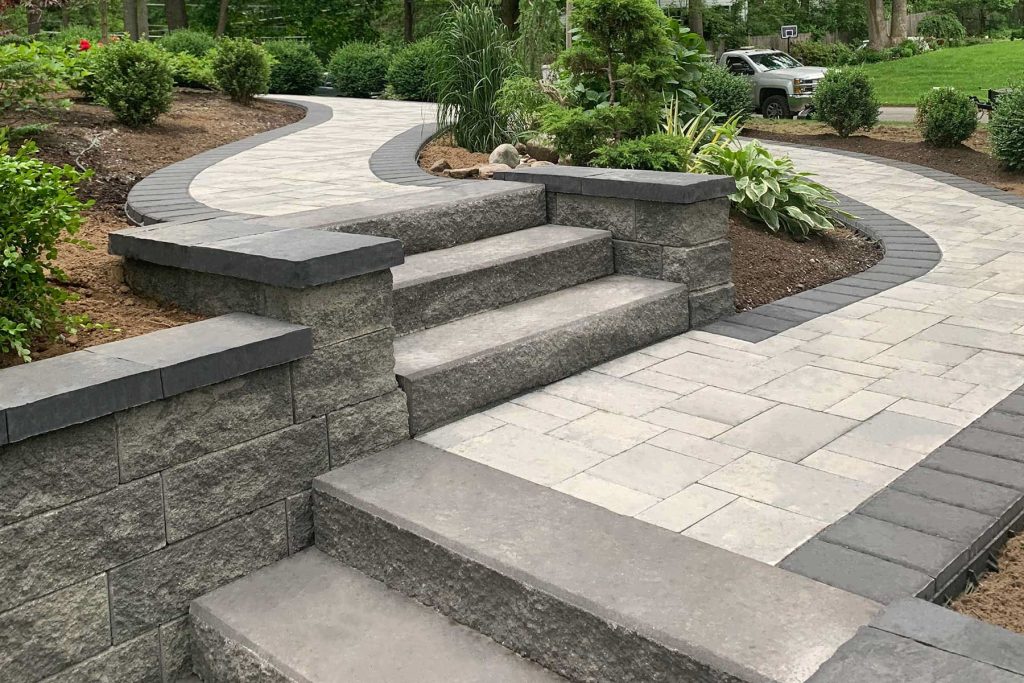
Evaluating value requires looking beyond initial pricing and considering long-term performance. Durability, flexibility, and appearance over time all contribute to overall return. Viewing the project as a structural system rather than a surface alone changes the conversation.
Pavers provide flexibility over time. Individual units can be lifted and replaced if necessary. Proper installation supports structural stability. Advanced surface technology maintains visual appeal. Integrated design options allow future expansion of outdoor living features.
Nicolock has manufactured concrete products in the United States for more than 50 years. With extensive color options, Nicostone collections, environmental pavers, and paver-shield™ technology, homeowners can align performance with personal design goals.
When viewed through the lens of durability, adaptability, and lasting appearance, the investment often proves worthwhile.
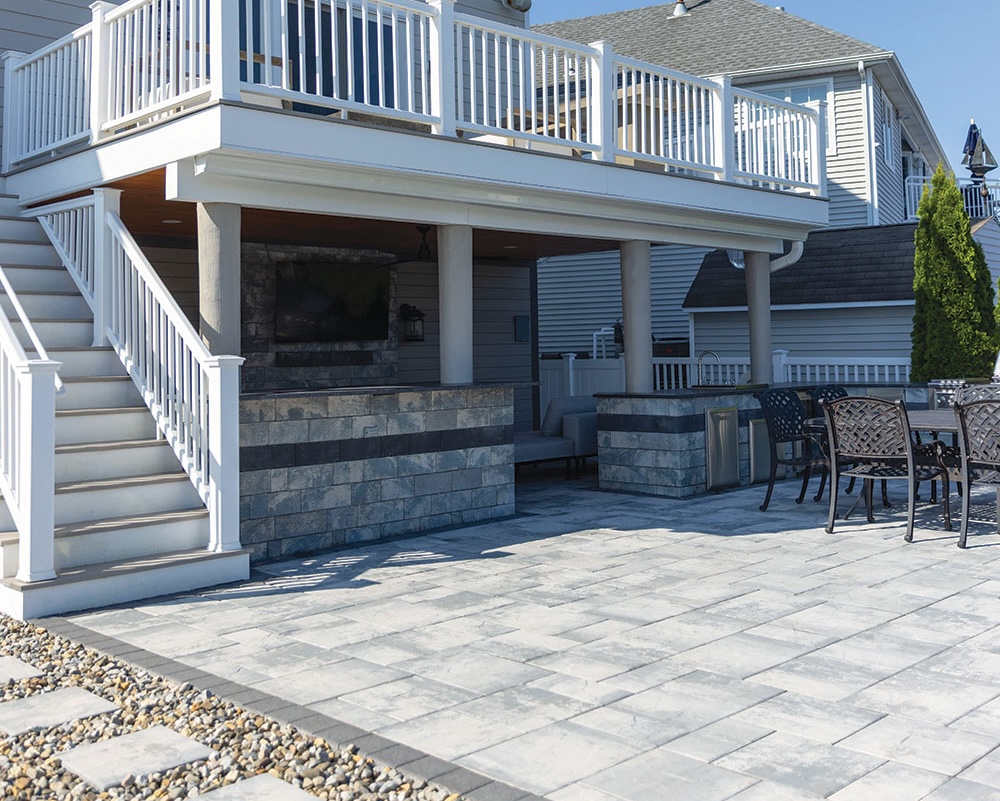
Understanding numbers helps, yet experiencing materials firsthand provides a deeper perspective. Seeing color, texture, and scale in person makes planning more tangible. Meeting with knowledgeable professionals also helps align design with site conditions.
Visit a Nicolock Design Studio or Design Center to review color options and product collections. Speak with a knowledgeable dealer or contractor about your goals and site conditions.
Take the next step:
With careful planning and professional guidance, your outdoor space can serve your home beautifully for years to come.