Driveway pavers shape how a home functions and how it's perceived from the street. Every arrival, every departure, and every guest interaction starts there. This Feature Contractor Spotlight examines how contractors use Nicolock driveway pavers to plan surfaces that withstand daily traffic and changing weather and deliver lasting value. The focus stays on preparation, material selection, and design decisions that help a Nicolock driveway perform well long after installation.
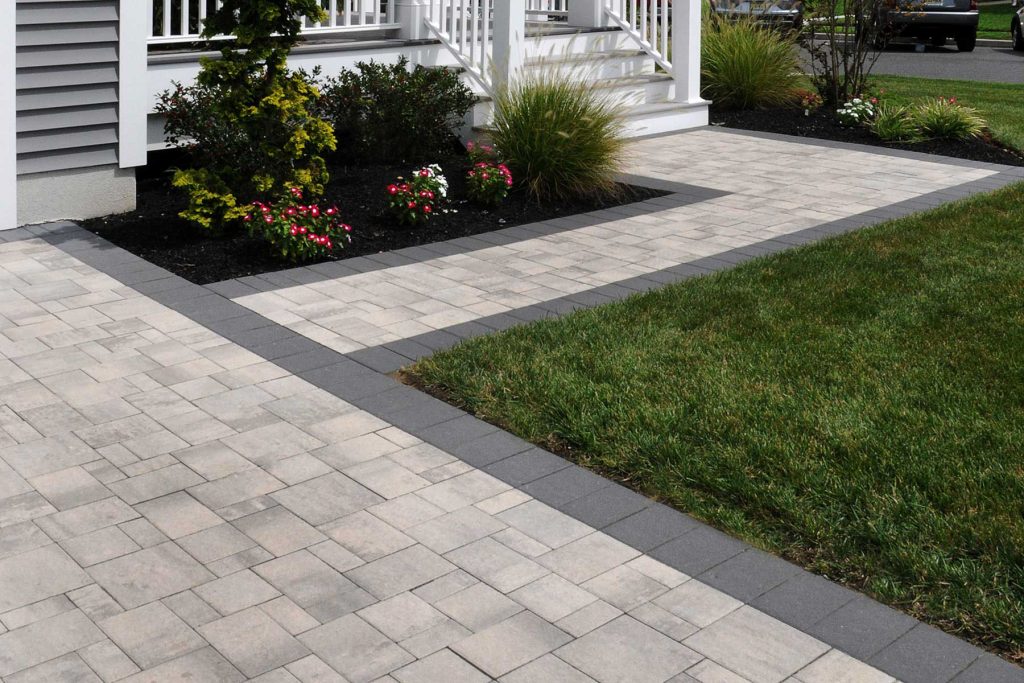
Driveways face demands that patios and walkways never see. Vehicle weight, turning tires, seasonal moisture, and freeze-thaw cycles place stress on every layer beneath the surface. Contractors who specialize in driveway pavers account for these forces before any design work begins.
Early planning often determines whether a surface stays even or shifts within a few seasons. Proper excavation, base depth, and edge support allow driveway pavers to function as a system rather than a decorative layer.
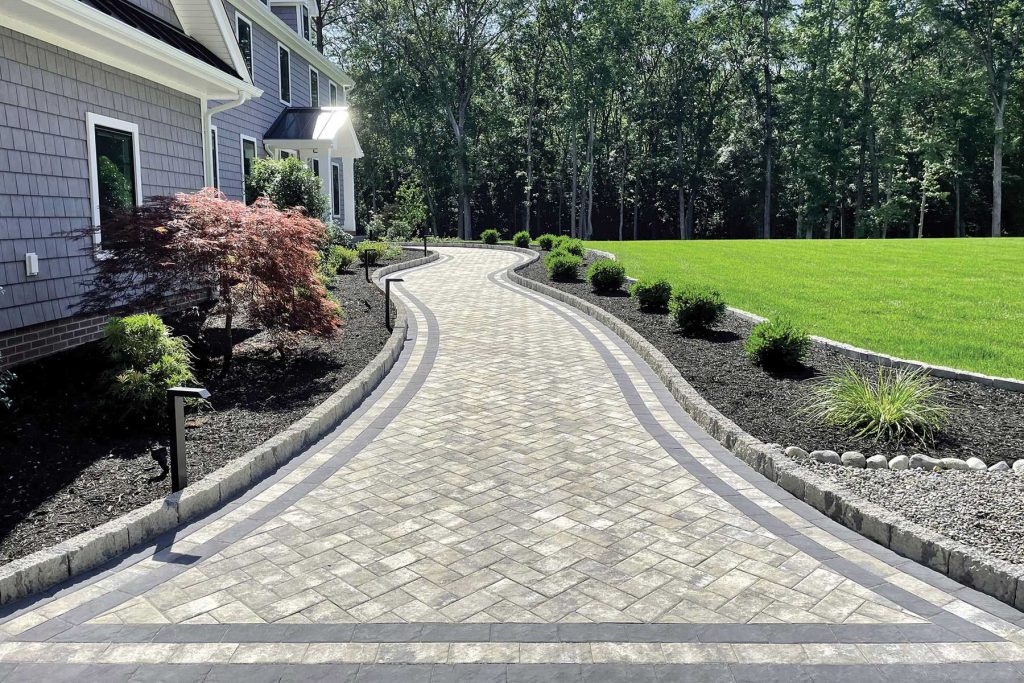
Many homeowners assume pavers perform the same across applications. Contractors know otherwise. Driveway-rated pavers feature greater thickness and tighter interlock than options intended only for foot traffic, allowing weight to spread across the surface instead of concentrating pressure in one area.
Many Nicolock pavers are engineered to meet driveway application requirements when installed over a properly prepared base and used in appropriate layouts. This versatility gives contractors the flexibility to meet performance expectations.
Using patio-only materials in a driveway often leads to movement and surface stress. Selecting the correct paver at the start prevents these issues before they appear.

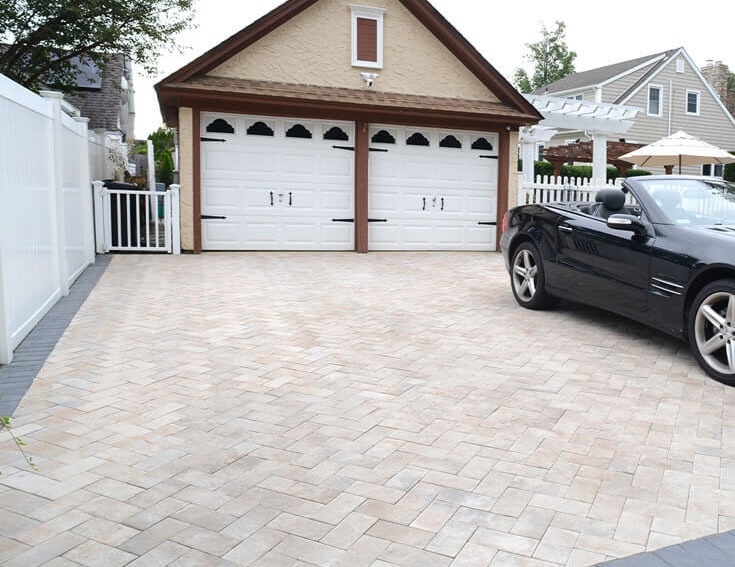
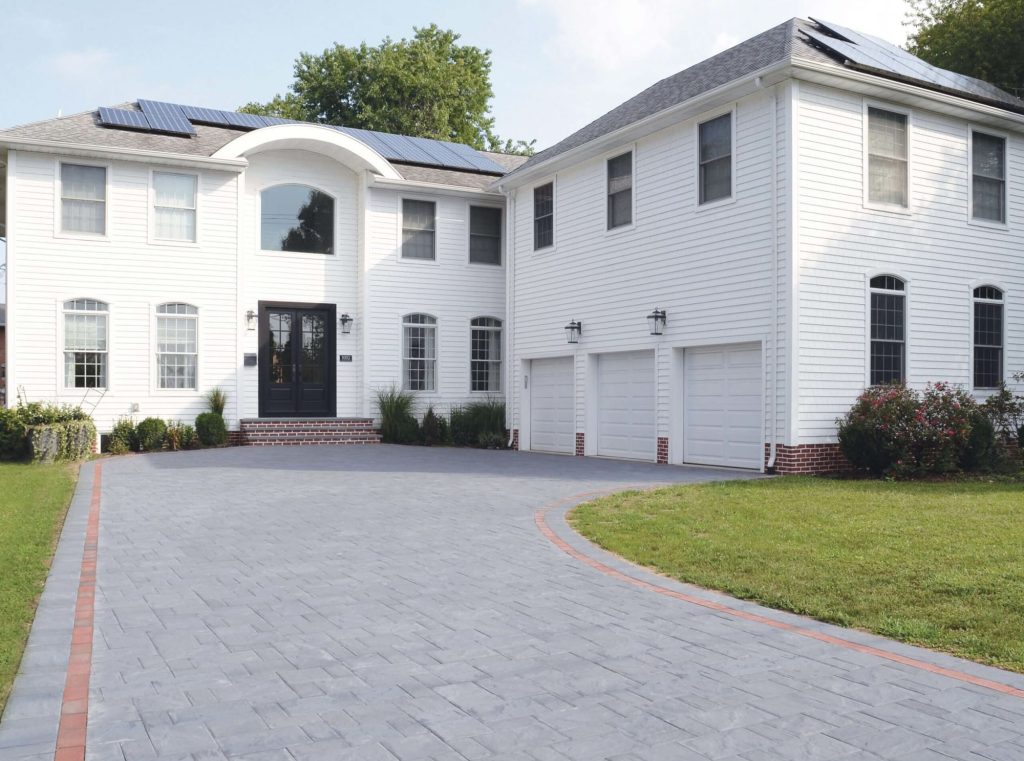
For this spotlight, a Nicolock-authorized contractor in the Northeast was tasked with updating a home where an aging concrete driveway had cracked and collected water near the garage. The goal was reliability, visual balance, and an even aging surface.
Project overview
Excavation and base preparation matched local soil conditions, followed by careful compaction to support vehicle loads. Edge restraints defined the perimeter, limiting lateral movement over time.
Pattern selection reduced stress from turning tires while maintaining a consistent look between the driveway and walkway zones. The result supported both daily use and long-term stability.
Every layer beneath driveway pavers contributes to durability. Contractors working with Nicolock follow installation guidance that addresses base depth, compaction, and jointing materials. These steps help surfaces remain aligned through seasonal changes.
Industry standards from professional paving organizations reinforce these practices, supporting preparation over shortcuts. Nicolock’s technical documentation gives contractors clear benchmarks for each phase of installation.
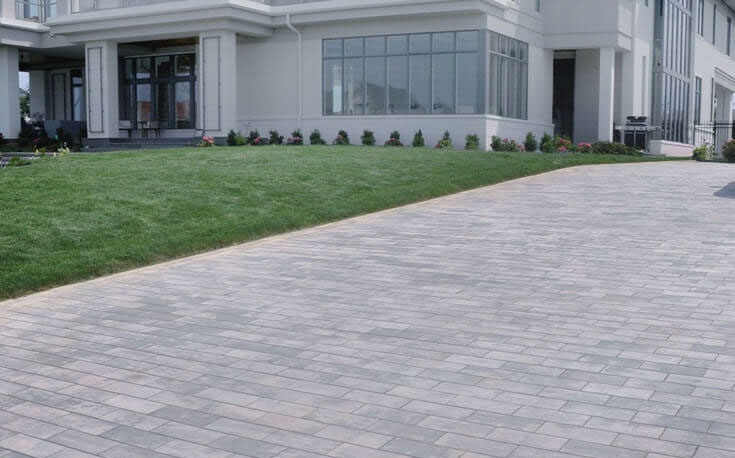
Design decisions influence appearance and performance. Contractors often guide homeowners toward choices that strengthen the driveway while improving visual balance.
Effective curb appeal ideas include:
Products such as Colonial Cobble and Rustico 4-Pc Combo introduce surface variation that softens everyday marks while keeping a cohesive look.
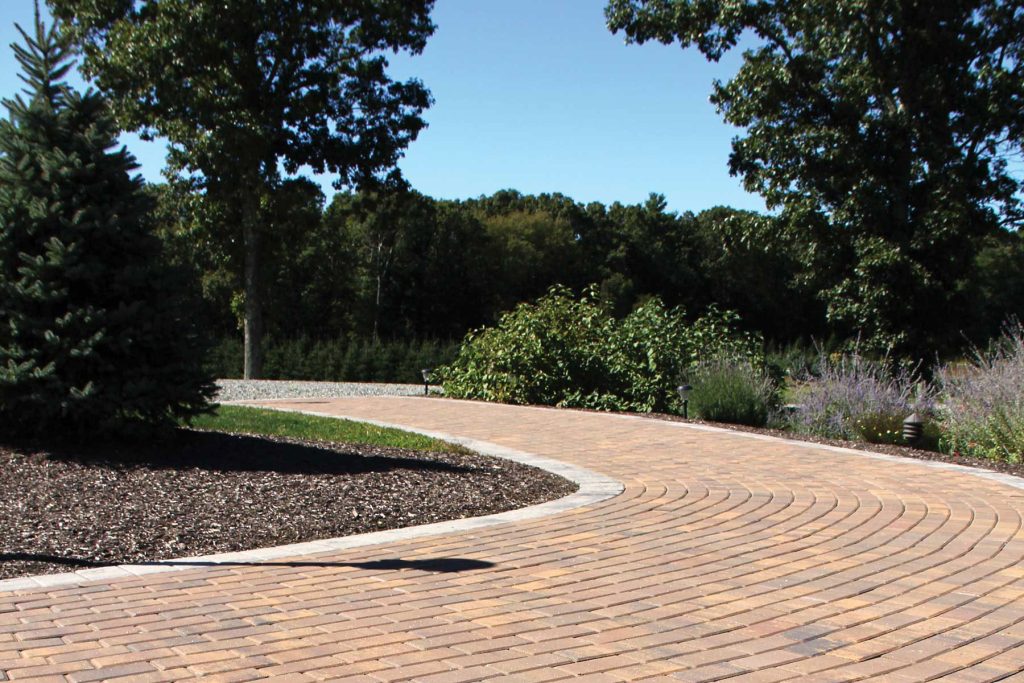
Driveways receive more exposure than many hardscape areas. Sunlight, moisture, and vehicle use all affect appearance. Contractors often recommend textured finishes and blended tones that maintain consistency as surfaces mature.
Old Vienna with paver-shield offers refined color blends designed to resist surface fading. Rustico 6x6 & 6x9 options introduce variation that disguises minor wear without distracting from architectural details.
Water movement remains one of the most common sources of driveway failure. Poor drainage weakens base layers and contributes to uneven settling. Contractors address this issue through slope planning and material selection.
Nicolock’s environmental pavers offer solutions for properties where runoff management is a priority. These systems allow water to pass through the surface, reducing pooling while preserving the appearance expected from driveway pavers. Environmental pavers are best evaluated on a site-by-site basis with a contractor to confirm suitability for the property.

Driveway pavers offer a practical advantage: targeted repair. Individual units can be replaced if stained or damaged, avoiding widespread removal. Routine sweeping and joint sand refreshes help maintain surface stability.
Some homeowners choose sealing for appearance or added surface protection, though sealing is not required for performance. Nicolock supports clear ownership expectations through homeowner resources and FAQs that clearly outline care practices.
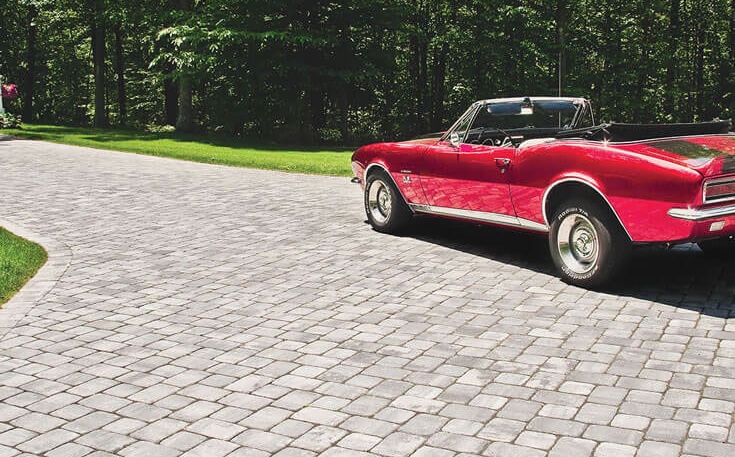
Driveways support more than parking. Contractors plan layouts that account for turning radii, guest vehicles, and foot traffic near entry points. These considerations reduce wear in high-use areas and preserve alignment.
Plank Paver and Holland Stone options allow designers to coordinate driveway and walkway surfaces, reinforcing flow across the property. Ridge Brick accents further define edges and guide movement toward the front entrance.
Clear communication helps projects stay on track. Contractors often suggest homeowners review these topics during planning:
These conversations support confident decisions and realistic expectations.
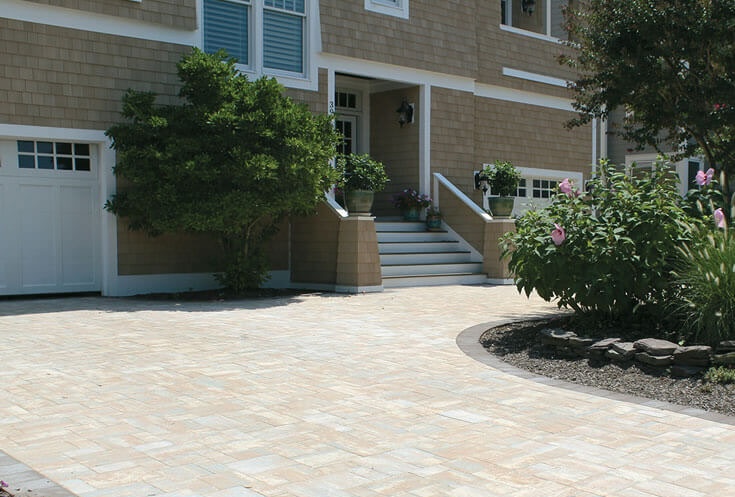
A finished driveway should feel stable underfoot and under the tire. Nicolock driveway systems support contractors as they balance performance with curb appeal ideas that complement each home’s style. The result reflects planning that values daily use as much as visual presence.
Whether you’re gathering inspiration or preparing for installation, Nicolock offers tools to guide you at every step.
With thoughtful planning and the right materials, driveway pavers can support daily life while presenting a welcoming arrival year after year.