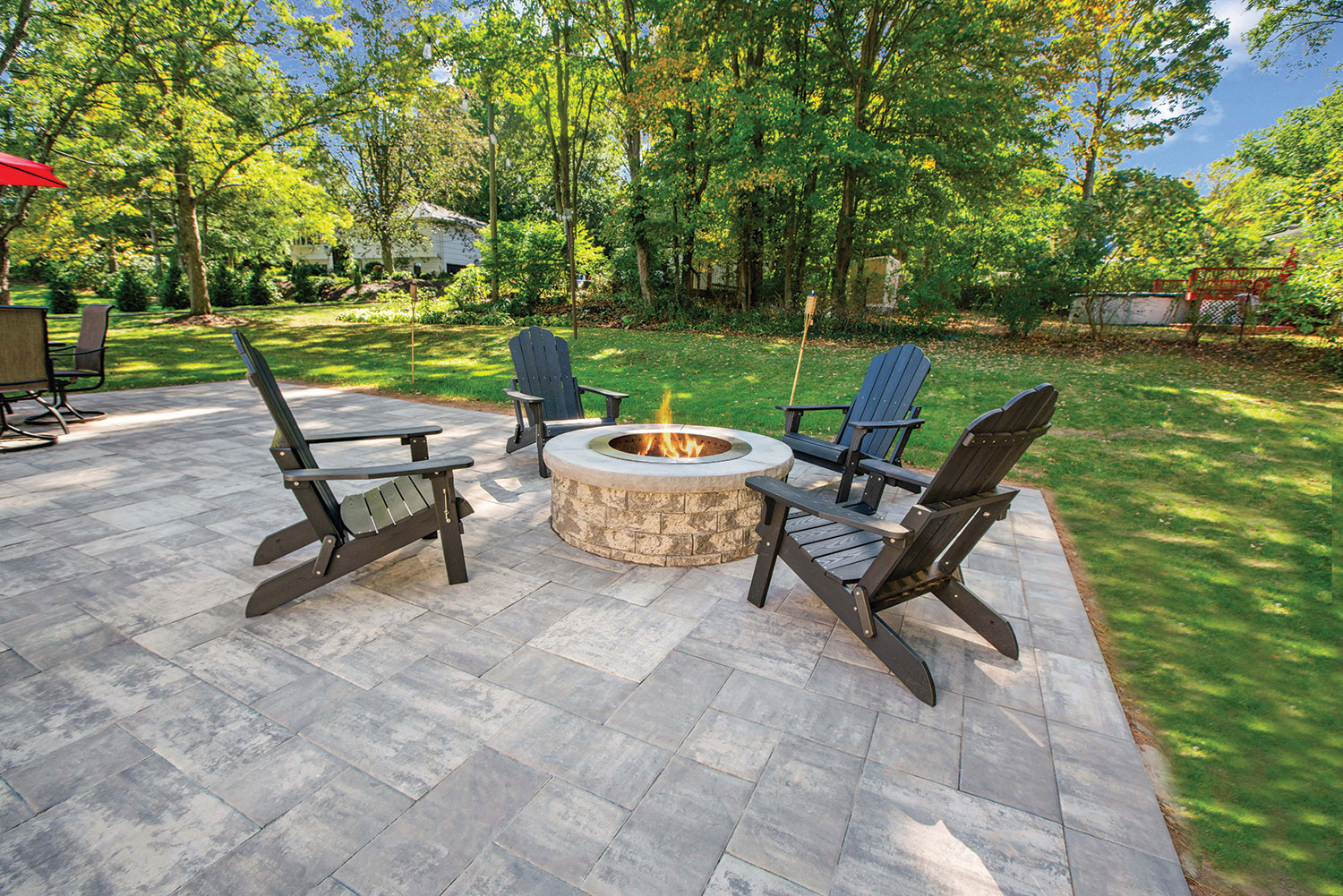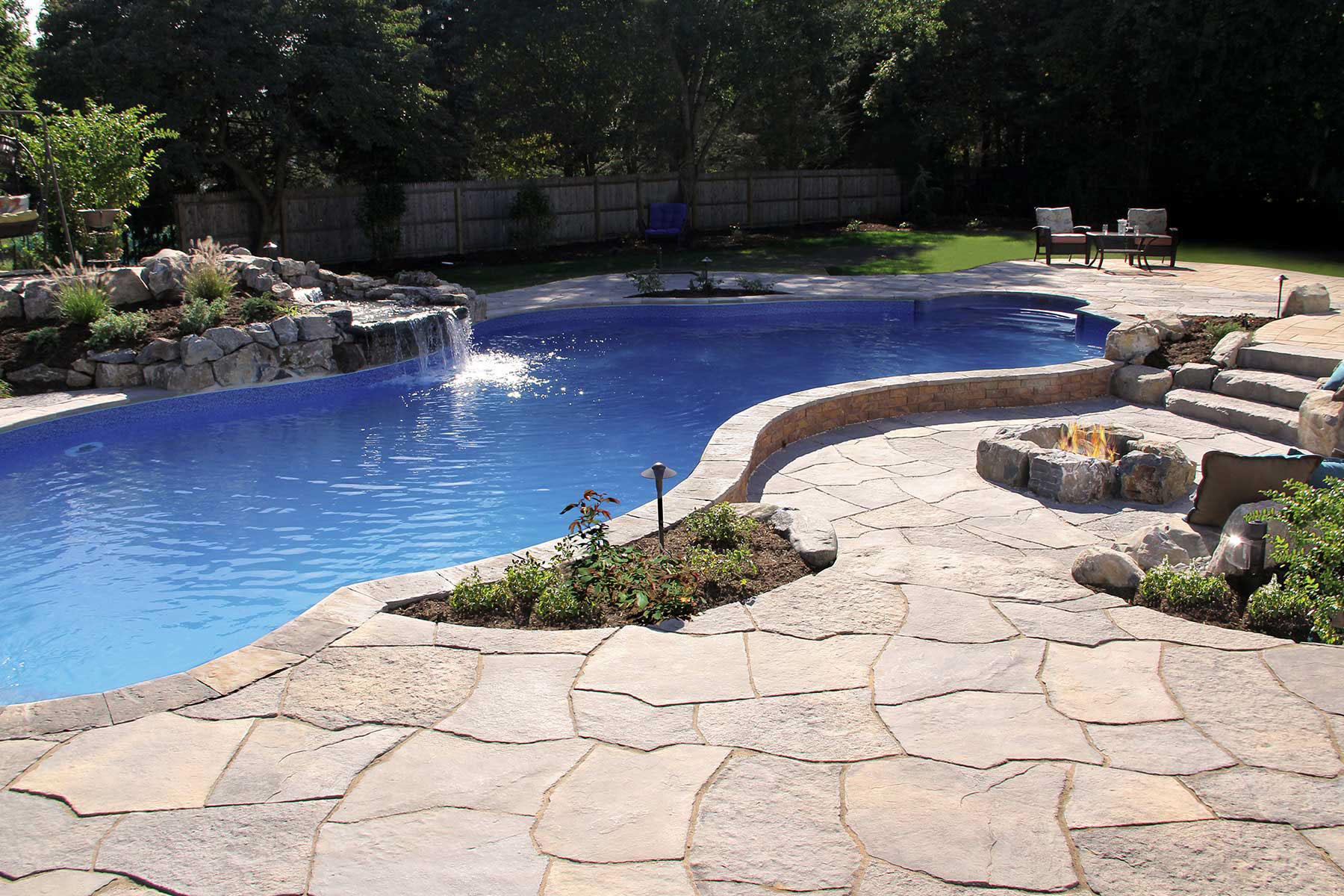
A welcoming backyard gives you more reasons to spend time outside, from quiet mornings on the patio to dinners that keep family and friends gathered well into the evening. The hardscape beneath those moments shapes how the setting looks, functions, and connects with your home. Comparing flagstone vs pavers can help you choose a surface that supports your plans while bringing the right character to your property.
Both materials can create an attractive patio, walkway, or pool area. Yet finished-project photos only tell part of the story. Installation, furniture placement, design flexibility, upkeep, repairs, and total cost can influence how satisfied you are years after construction.
Rather than searching for one material that wins every category, focus on the surface that fits your property, budget, style, and outdoor-living plans.
Flagstone provides the character of quarried natural stone, including variations that make each installation distinct. Concrete pavers offer broader choices in dimensions, colors, textures, patterns, and coordinated layouts. Both can serve a property well when the material suits the application and a qualified professional prepares the site correctly.
| Consideration | Flagstone | Concrete Pavers |
| Material | Natural quarried stone | Manufactured concrete units |
| Appearance | Organic variation | Broad selection of coordinated styles |
| Shapes | Irregular or cut pieces | Defined shapes and dimensions |
| Design flexibility | Influenced by available stone | Extensive colors, textures, patterns, and layouts |
| Installation | Individual pieces may require fitting | Consistent dimensions support planned arrangements |
| Repairs | Varies by stone and installation | Individual units can often be removed and replaced |
| Cost | Changes with stone, availability, and labor | Changes with product, layout, preparation, and labor |
| Good fit for | Natural landscape character | Many architectural and landscape styles |
Quick answer: Flagstone is a strong choice if authentic natural stone and organic variation lead your priorities. Concrete pavers make sense if you want broader color choices, planned patterns, coordinated hardscapes, and individual-unit repairability. Site conditions and professional installation also play a major role in the finished result.
The biggest difference starts with the material itself.
Flagstone is quarried natural stone used for patios, paths, and other landscape applications. Since it comes from nature, pieces vary in shape, texture, thickness, and coloration. Installers may work with irregular pieces or stone cut into more consistent dimensions.
Concrete pavers are manufactured as individual units. Defined formats give designers and contractors more predictable dimensions while providing numerous options for colors, textures, borders, and laying patterns.
Nicolock has manufactured concrete products for more than 50 years, giving us firsthand experience with the relationship between product selection, hardscape design, installation, and long-term outdoor use.
A finished patio needs to do more than look appealing. It also has to support everyday life.
How will chairs sit around your dining table? Where will guests walk between the house and pool? Could you repair part of the surface later without rebuilding the entire area? Questions like these reveal differences that may not appear in an inspiration photo.
Flagstone gets much of its character from nature. Differences in tone, texture, edges, and shape can complement garden settings and landscapes where an organic appearance is the goal.
Concrete pavers approach design differently. You can select dimensions, color blends, surface textures, borders, and laying patterns that complement your home's architecture. Those choices also make it possible to visually connect a patio with nearby walkways, pool areas, and other hardscapes.
Nicolock offers 28 color blends along with options suited to traditional, rustic, transitional, and contemporary properties.
The distinction is less about natural versus attractive. It is about natural variation versus intentional design choices.
A garden path and an outdoor dining patio ask different things from the surface beneath them.
Chairs move around tables. Guests cross entertaining areas throughout the day. Grills and outdoor kitchen components need practical placement. Pool traffic creates another set of needs.
With irregular flagstone, joint widths and surface variation reflect the selected material and installation method. Skilled placement can produce an inviting, functional setting, while the stone itself helps determine the final arrangement.
Manufactured pavers give contractors defined formats for planning patterns and transitions. That consistency can be especially useful where furniture, foot traffic, cooking, and entertaining are part of everyday life.
Before choosing, think about an ordinary weekend in your backyard. Where will people sit, walk, eat, cook, and gather? The answers can tell you more than a project photo ever could.
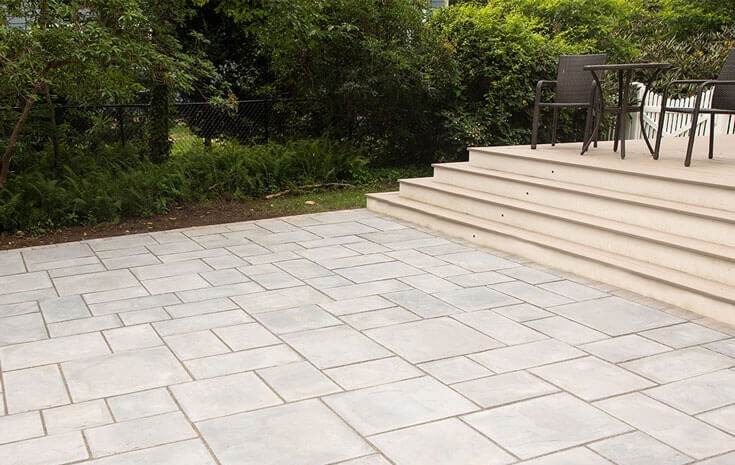
Don't judge any material without looking below the finished surface.
Excavation, grading, drainage, base preparation, compaction, edge conditions, and joint installation can influence long-term performance. Soil, climate, grade, and intended use may also change what the project requires.
Irregular natural stone may require additional fitting or cutting to create the planned layout. Manufactured units provide predictable dimensions that help installers follow established patterns and transitions.
A quality surface still needs proper preparation underneath it. Ask prospective contractors how they plan to construct the base, manage drainage, address grade changes, and handle edges before focusing solely on the material you will see.
There is no universal answer to which material costs less.
Flagstone pricing changes based on stone type, regional availability, thickness, transportation, fitting, and labor. A concrete paver project has its own variables, including the selected collection, pattern, borders, preparation, and site complexity.
Your estimate may also account for excavation, access, drainage work, grading, existing surface removal, and edge details.
Comparing complete installed proposals provides a more useful picture than looking at material prices by themselves. Nicolock's guide to understanding paver cost explains how structural layers, labor, site conditions, and design decisions contribute to the overall investment.
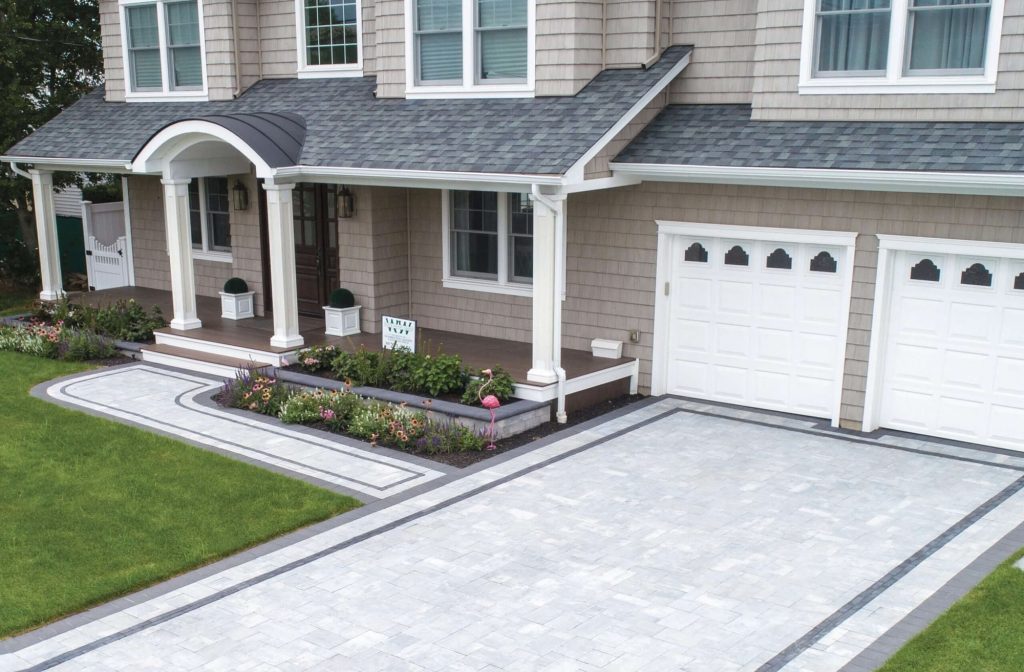
Natural stone can provide years of service, and quality concrete pavers are engineered for demanding hardscape applications. Neither material performs independently of the system supporting it.
Base construction, drainage, climate, installation quality, traffic, and proper product selection all influence longevity. A driveway, for example, places different demands on paving materials than a backyard walkway.
Nicolock pavers are produced under controlled manufacturing processes designed for product consistency. Many collections feature paver-shield™ technology, which creates an ultra-dense surface with rich color throughout the paver. Iron oxide pigments are guaranteed not to fade, helping maintain vibrant color through years of outdoor use.
Every exterior surface benefits from appropriate care.
Flagstone upkeep varies with the stone, joints, setting method, weather exposure, and other site conditions. If a natural piece needs replacement later, locating another with closely matching color or texture may take extra effort because variation is inherent to the material.
Paver installations have maintenance needs as well. Joints may require attention, staining can occur, and settlement may call for correction.
Individual-unit construction provides a practical advantage during certain repairs. If a Nicolock paver becomes heavily stained or damaged, you can remove and replace the affected piece rather than tearing out the entire paved area. Sections may also be lifted and reset when appropriate.
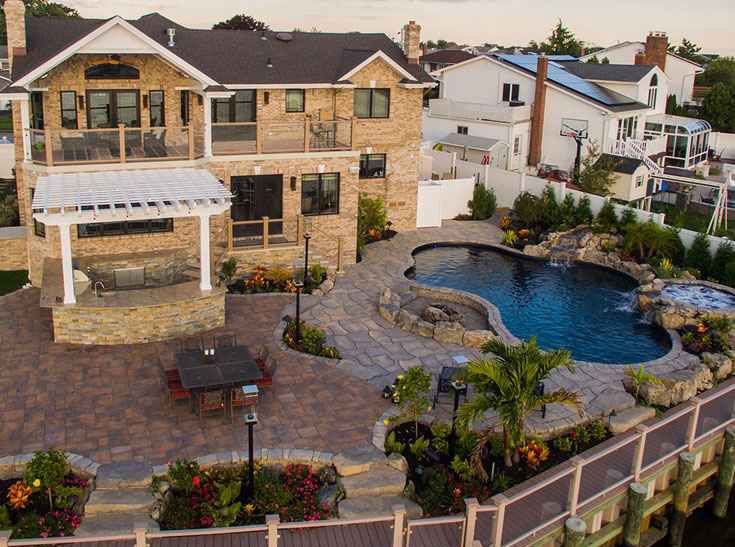
A patio, walkway, pool deck, and driveway each place different demands on a hardscape. Looking at the intended application can make the choice clearer.
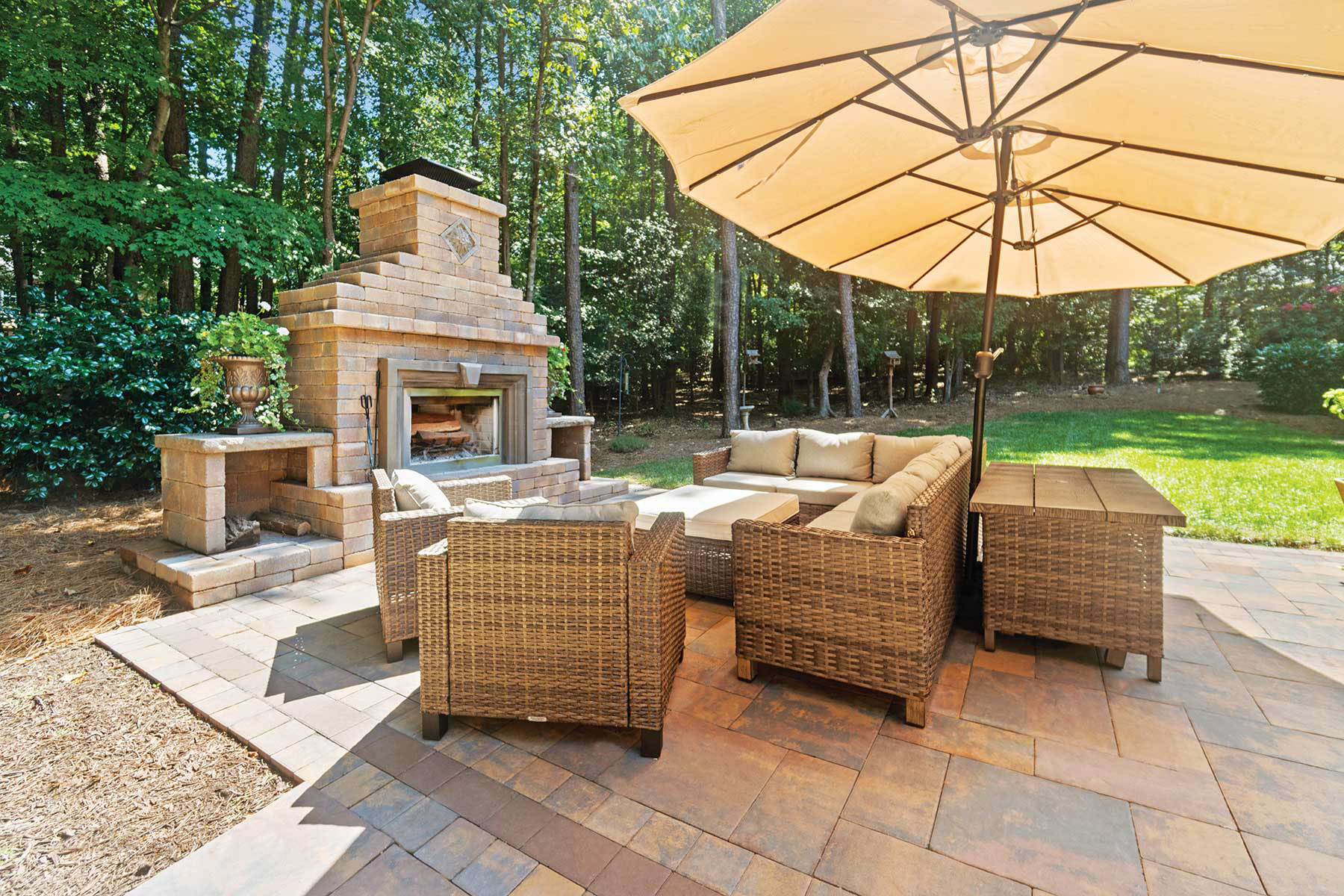
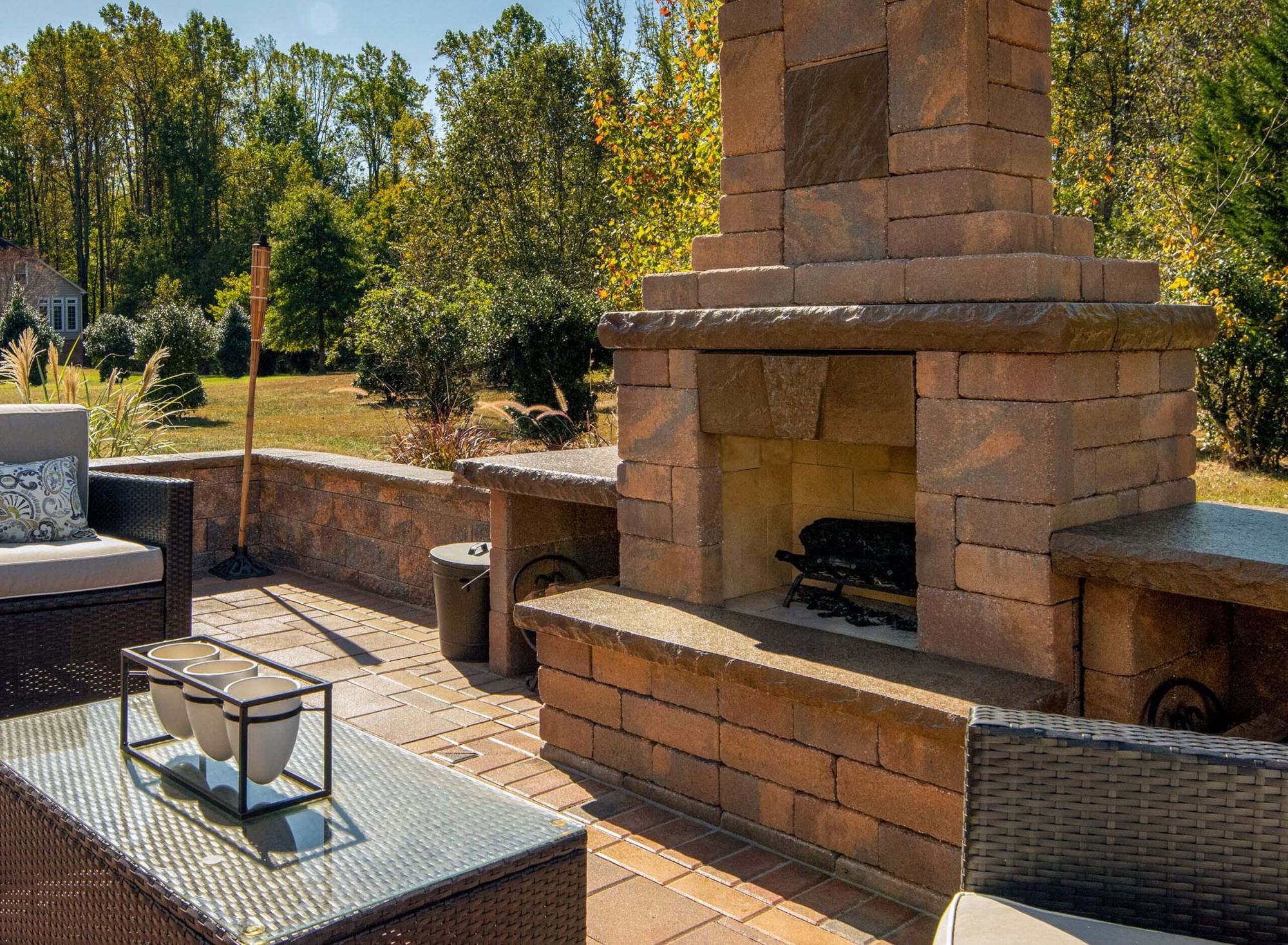
Patios often function as outdoor rooms. Dining tables, lounge furniture, grills, kitchens, and regular foot traffic make surface planning especially relevant.
Flagstone can bring relaxed natural character to these settings. Pavers provide more opportunities to plan patterns, borders, transitions, and defined activity zones.
For larger entertaining areas, concrete paving stones can also coordinate the patio with adjoining walks, pool surroundings, and landscape features for a cohesive property-wide design.
Flagstone works well where an organic path should blend into planting beds or an informal landscape.
Pavers can support casual or structured routes. Consistent formats help designers plan walkway width, patterns, borders, and transitions into adjoining patios.
Consider the path's role in your landscaping. A winding route through a garden may call for a different visual character than a front walkway that connects directly with the home's architecture. Find out more about walkway paver systems here.
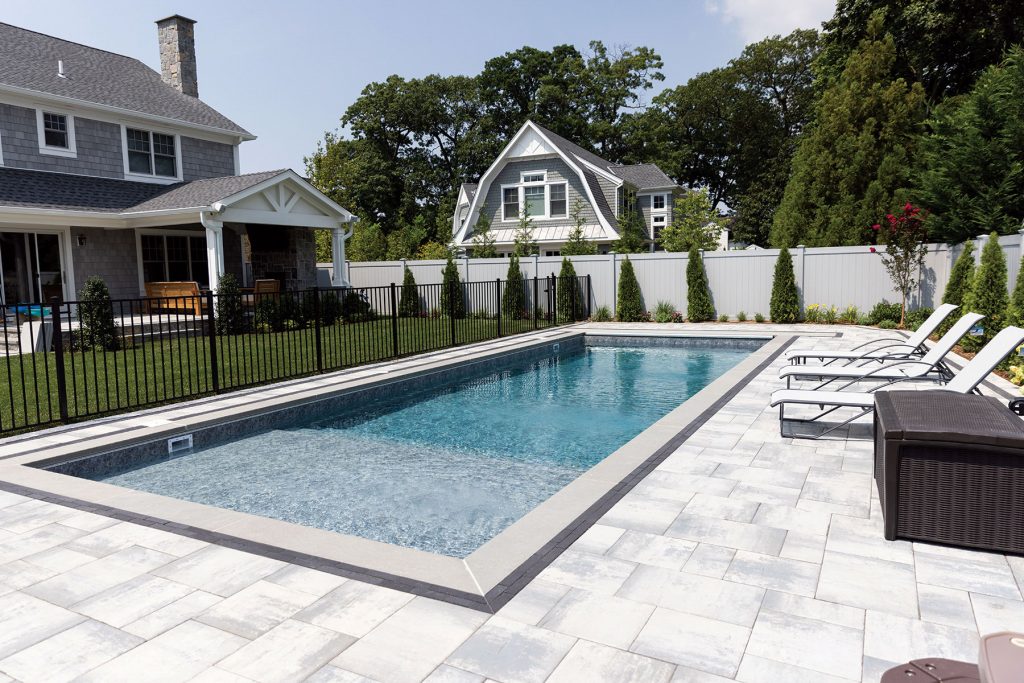
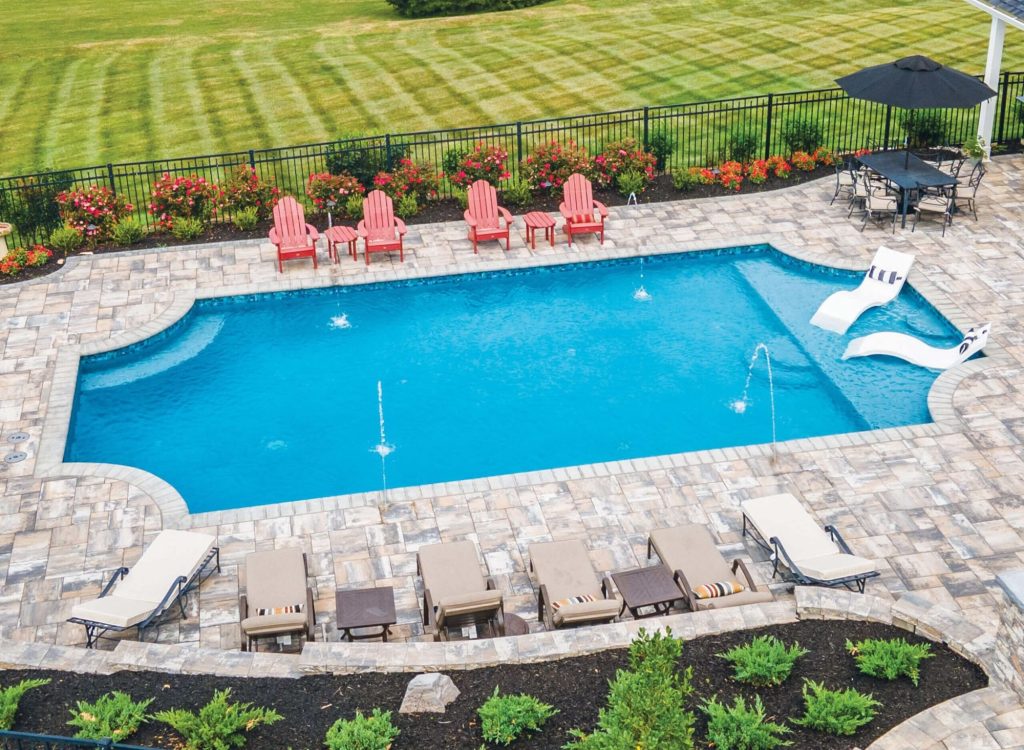
Pool surroundings require careful product selection because water, sunlight, drainage, and barefoot traffic become part of everyday use.
Surface texture, temperature, grading, and water management all deserve attention during planning. Nicolock's Nicostone collection includes products made with Cool Touch Technology™ that reflect summer sun and heat, making those paving stones more comfortable under bare feet.
Review specifications with your contractor to make sure the selected product suits the intended application. Also, check out Nicolock's pool deck pavers collection.
Vehicle traffic changes the requirements considerably.
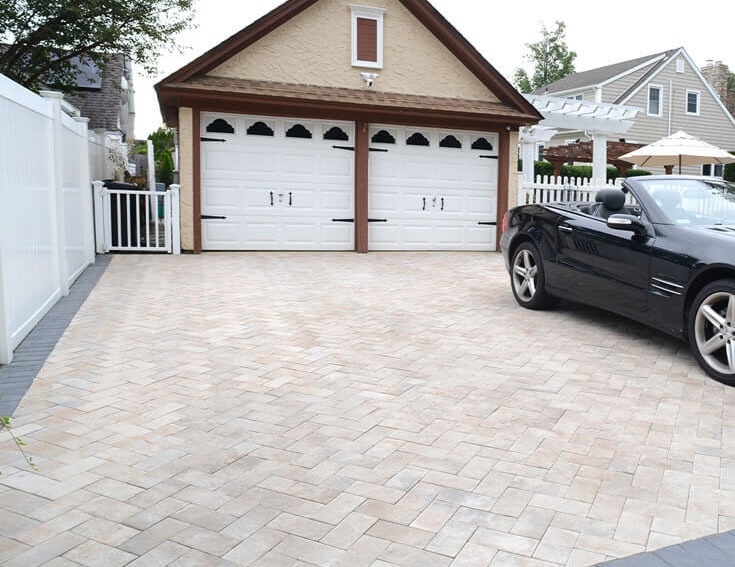
A surface designed for pedestrian use may not be appropriate for cars and trucks. Choose paving products intended for vehicular applications, then make sure the base and installation plan account for the expected loads.
This distinction applies within Nicolock's lineup as well. Nicostone products, for example, are intended for pedestrian applications rather than vehicle traffic. View our driveway pavers collection for more information.
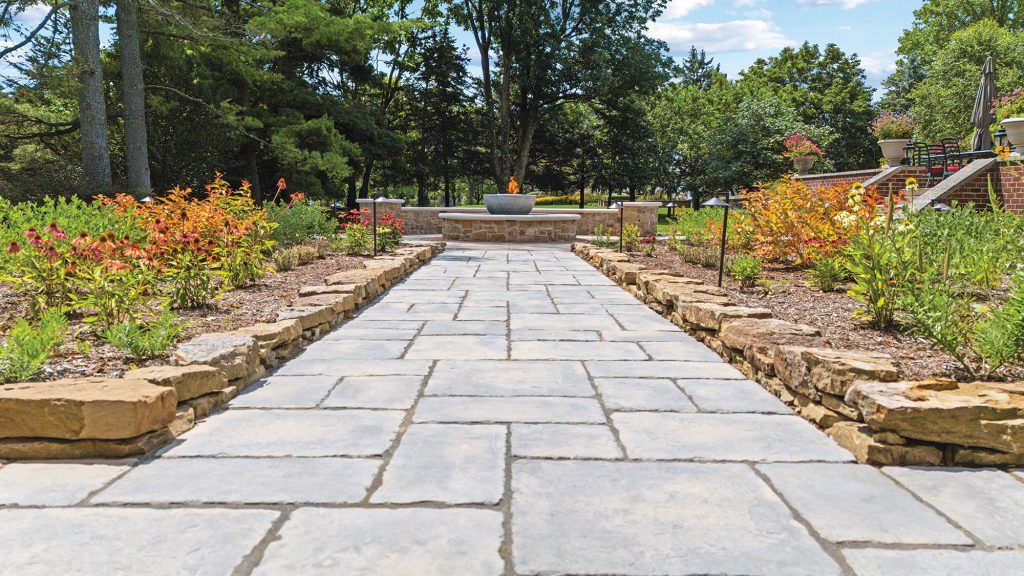
Searches involving flagstone can become confusing because some terms describe specific natural stones while others refer to entirely different paving systems. Understanding those distinctions makes it easier to compare realistic options.
A flagstone vs bluestone comparison is not always a comparison between two separate material categories.
Flagstone generally describes flat natural stone prepared for paving rather than one specific geological material. Bluestone is a particular natural stone commonly cut into pieces suitable for patios and walkways. In other words, bluestone can be used as flagstone.
If bluestone is one of your options, compare available products based on color, finish, thickness, sourcing, installation requirements, and intended use.
The flagstone vs travertine question requires similar context.
Travertine is a specific natural stone with distinctive colors, markings, textures, and material characteristics. Flagstone is a broader term for flat natural stone used in landscape applications.
Compare the exact choices available for your project rather than relying on category names. Surface finish, local climate, installation method, care requirements, and compatibility with your home's exterior can all shape the decision.
Nicolock's Nicostone collection offers several design directions for homeowners who want the character of natural stone, including Versailles Travertine.
Searching flagstone vs concrete may refer to natural stone versus a poured concrete slab.
Poured concrete creates a continuous surface. Flagstone uses separate natural pieces, while concrete pavers rely on individual manufactured units.
That construction difference affects both design and future repairs. Cracks in a poured slab can extend across the continuous surface. Separate paving units provide joints between pieces and allow targeted areas to be accessed when repair or replacement becomes necessary.
Before comparing contractor estimates, confirm whether "concrete" means a poured slab or a paver installation. The construction methods and finished results differ considerably.
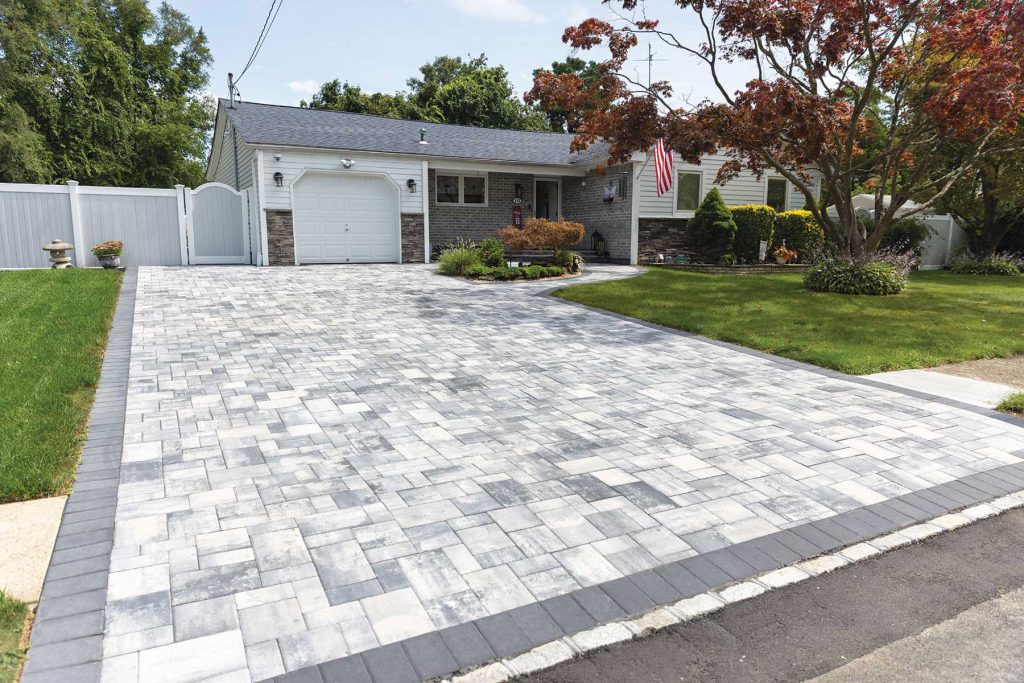
For someone researching flagstone vs concrete pavers, the best decision comes from matching the material with the priorities of the project.
Ask yourself:
Choose flagstone if authentic geological variation and natural stone character are central to the design you want.
Concrete pavers deserve strong consideration if you value broad color selections, defined formats, coordinated patterns, individual-unit repairability, and the ability to connect several hardscape areas through a consistent design language.
After more than 50 years of manufacturing concrete products, Nicolock understands that selecting a paving surface rarely comes down to one feature. Color, texture, application, maintenance, architecture, and the relationship between different areas all influence the final decision.
Our collections provide numerous shapes, formats, surface styles, and color blends for patios, walkways, pool surroundings, driveways, and other applications. Many options include paver-shield™ technology for a dense surface and rich, lasting color.
Residential Nicolock manufactured products are also backed by a fully transferable limited lifetime warranty on structural integrity when installed according to our guidelines and industry standards.
The range gives you room to create a hardscape around your home rather than forcing your plans around a limited material selection.
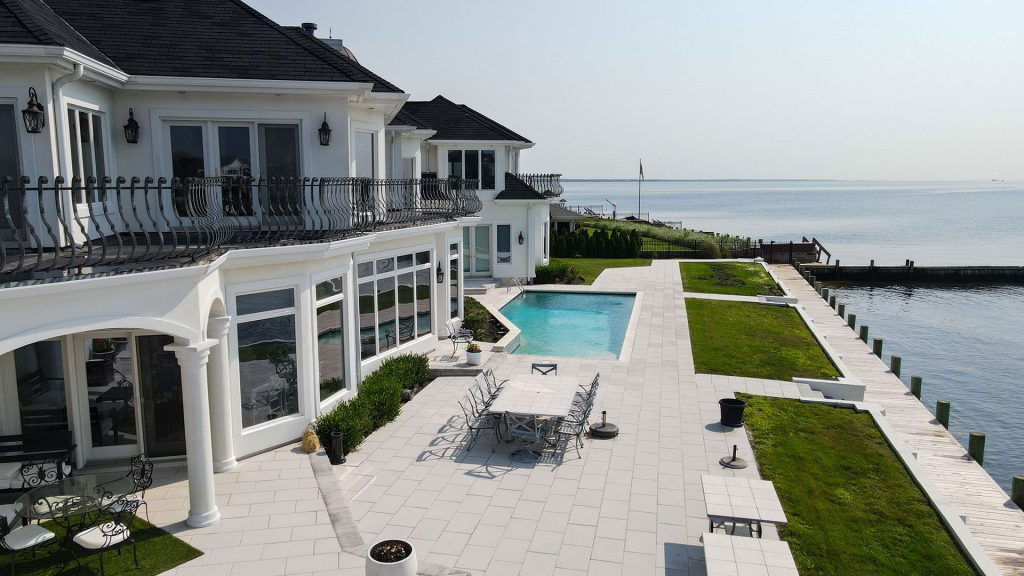
Choosing between flagstone and pavers becomes much easier when you stop searching for a universal winner.
Think about dinners outside, chairs moving around the patio, children crossing the yard, friends walking toward the pool, and the upkeep you are comfortable handling later. Then consider the architectural character you want the finished setting to bring to your home.
A qualified professional can evaluate drainage, soil, grade, intended use, and installation requirements before construction begins. Seeing paving materials and color blends in person can also help turn ideas into a more defined plan.
Ready to start? Find a Nicolock contractor who can help you choose materials and plan a hardscape suited to your property.
Neither option carries a universally lower installed price. Flagstone costs change with stone type, regional availability, transportation, fitting, and labor. Paver pricing reflects the chosen product, site preparation, layout, borders, and project complexity.
Compare complete contractor proposals rather than surface prices alone. Our paver cost guide provides more detail about expenses that shape the final investment.
Flagstone is a strong option if you prioritize natural stone and organic variation. Concrete pavers provide broader choices in color, format, pattern, coordinated hardscape design, and individual-unit repairability.
Your intended use should guide the final selection. A natural garden path may call for different qualities than a busy dining patio or connected pool area.
Potential considerations include natural differences in thickness, shape, texture, and color. Irregular pieces may require more fitting during installation, while joint widths vary with the stone and selected layout.
Finding a close replacement can also require extra effort because natural variation is part of flagstone's character. For many properties, those same differences are exactly what make the material appealing.
Service life reflects several factors, including product quality, base preparation, drainage, climate, installation, traffic, and maintenance. A single lifespan figure cannot accurately represent every property.
Nicolock backs manufactured products used in qualifying residential applications with a fully transferable limited lifetime warranty on structural integrity. The coverage is transferable to the next homeowner, subject to its terms and exclusions.
Because pavers are installed as individual units, some repairs can focus on the affected area. A damaged, stained, or settled piece may be removed so the underlying issue can be addressed without replacing the entire installation.
Flagstone can also be repaired. The process depends on the setting method and type of damage, while finding a closely matched natural replacement may require additional consideration.
Ask how the contractor will prepare the base, manage drainage, handle grading, select products for the intended application, and complete borders or transitions.
Also discuss expected maintenance and future repair procedures. Those answers let you compare construction quality alongside appearance and price, giving you a clearer view of the complete project before work begins.