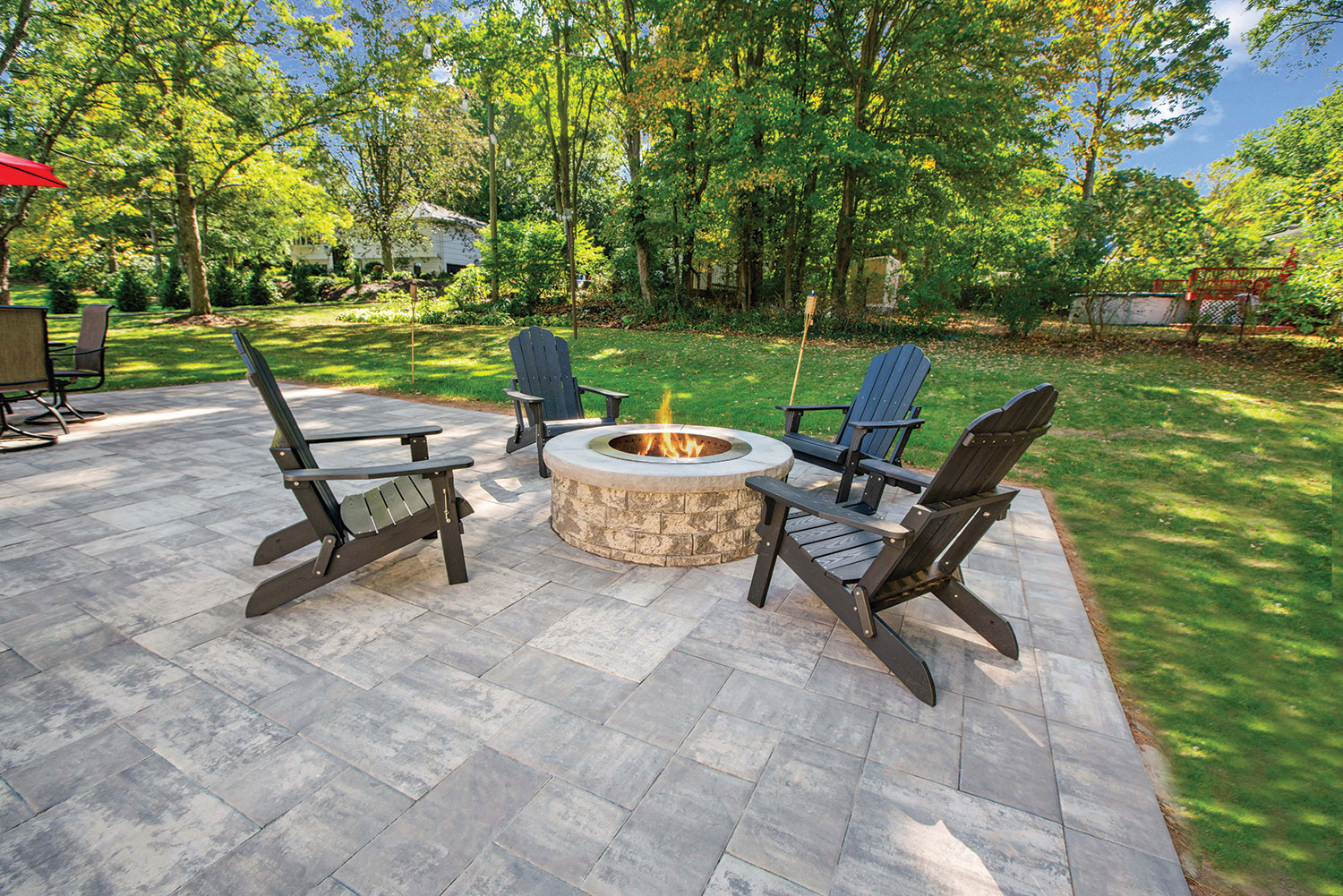
Outdoor living is about creating spaces that invite you outside more often—places that feel comfortable, welcoming, and ready whenever the moment calls. A patio becomes the setting for slow mornings and late evenings. Walkways guide guests through the yard with ease. Driveways set the tone the moment you arrive home. When those surfaces begin to crack, stain, or shift, the experience changes, and the conversation around pavers vs concrete begins.
Weighing pavers vs concrete deserves careful thought and shapes far more than appearance. The material beneath an outdoor space influences how it looks, how it ages, and how much attention it requires over time. While concrete may seem like the simpler option at first, long-term performance often tells a different story.
Understanding how each surface responds to weather, movement, and daily use helps homeowners choose solutions that support outdoor living for years to come—and for many, that path leads to Nicolock.
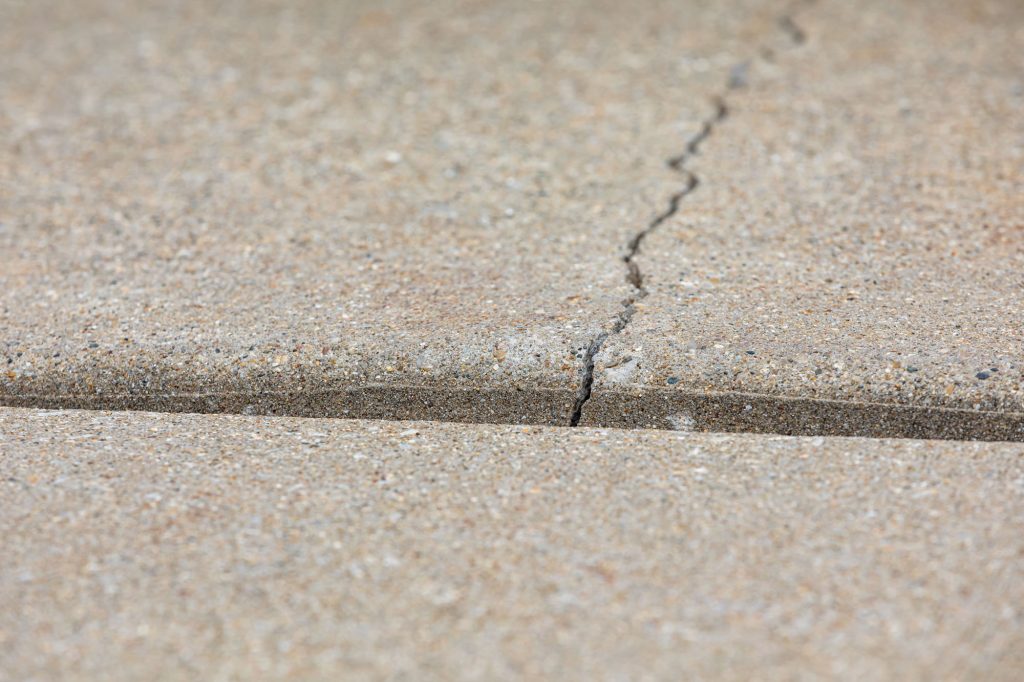
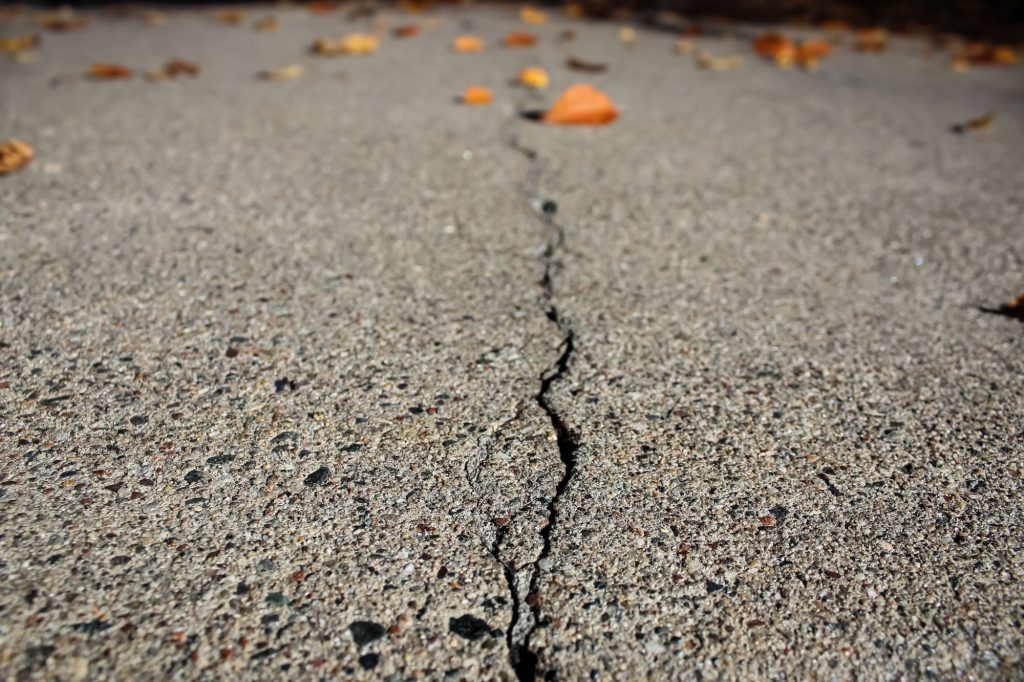
Outdoor hardscapes face constant pressure. Temperature changes cause expansion and contraction. Rain and snow move moisture into the ground below. Soil naturally settles and shifts. Concrete resists these forces as a single solid slab, which means stress must find a release point.
That release often appears as surface cracks, shifting edges, or discoloration. These issues develop gradually, which catches many homeowners off guard. A surface that once looked smooth and finished can start to feel unreliable.
Nicolock pavers take a different approach by allowing controlled movement rather than resisting it.
Design often drives early decisions, yet long-term performance is shaped by what happens beneath the finished surface. The way a material responds to movement, moisture, and seasonal change determines whether an outdoor space stays level and consistent or begins to show wear. Understanding how pavers and concrete are built—and how each handles stress—helps clarify why they age so differently over time.
Concrete gains strength through solidity. Once poured, it behaves as a single piece. Control joints help guide cracking, but do not stop it. Seasonal movement continues to create tension across the slab, often leading to visible lines and surface wear.
Repairs tend to stand out. Patched areas rarely match the original finish, leaving homeowners to choose between living with flaws or replacing larger sections.
Pavers are installed as individual units over a prepared base. Small joints between stones absorb stress caused by shifting soil or freeze–thaw cycles. That flexibility helps the surface stay level and intact.
Nicolock pavers are manufactured with consistent sizing and strength, allowing the system to perform as a whole while adjusting to environmental changes.
All outdoor surfaces change over time, with use and weather. The difference lies in whether that aging process leads to manageable upkeep or ongoing frustration. Knowing what to expect as materials settle, wear, and respond to daily use helps homeowners plan with fewer surprises.
Concrete repairs often involve patching cracks or cutting out sections. Both options leave noticeable marks. Color variation and texture changes become more apparent over time. Larger problems may call for resurfacing, which disrupts the entire space.
Pavers simplify maintenance. Individual stones can be lifted, adjusted, or replaced without disturbing surrounding areas. Once reset, the surface returns to a uniform appearance.
That approach matters in outdoor spaces used daily, where minimizing downtime keeps life moving smoothly.
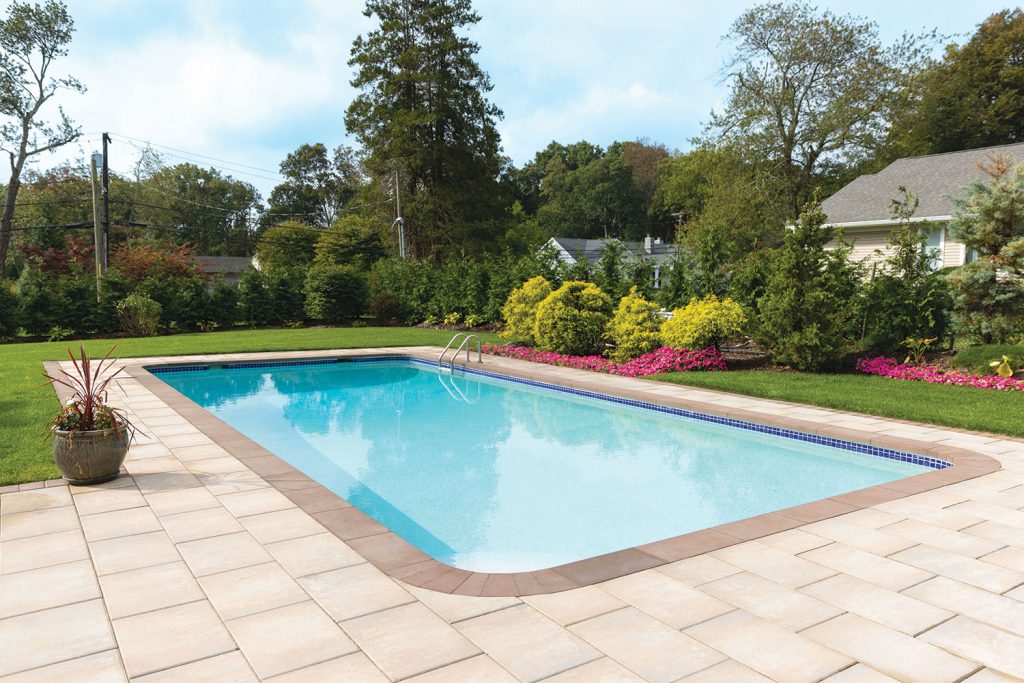
Budget often shapes early decisions. Concrete usually carries a lower upfront price, which explains its appeal. Long-term ownership, however, introduces additional considerations.
Concrete surfaces may require:
Pavers involve a higher initial investment, yet ongoing care remains straightforward. Repairs focus on specific areas rather than entire sections. Many homeowners find that predictable upkeep and fewer major interventions create stronger value over time.
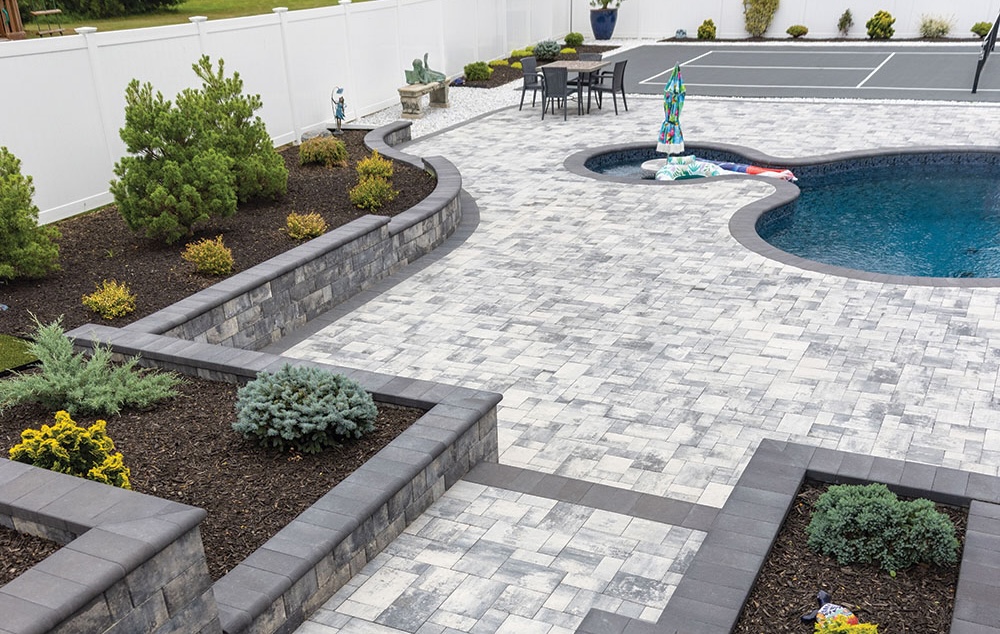
Outdoor spaces evolve. Families expand, layouts shift, and new features appear. Concrete locks the design in place once cured. Adjustments often require cutting or replacement, which can look inconsistent.
Pavers offer flexibility:
Nicolock provides a wide range of color options and styles, supporting both current plans and future updates.
Water management plays a major role in surface performance. Poor drainage allows moisture to collect beneath concrete, increasing the risk of cracking and shifting.
Paver systems guide water through joints and base layers. Nicolock also offers environmental paver options that support natural drainage patterns. Better water movement helps protect the surface from below, supporting long-term stability.
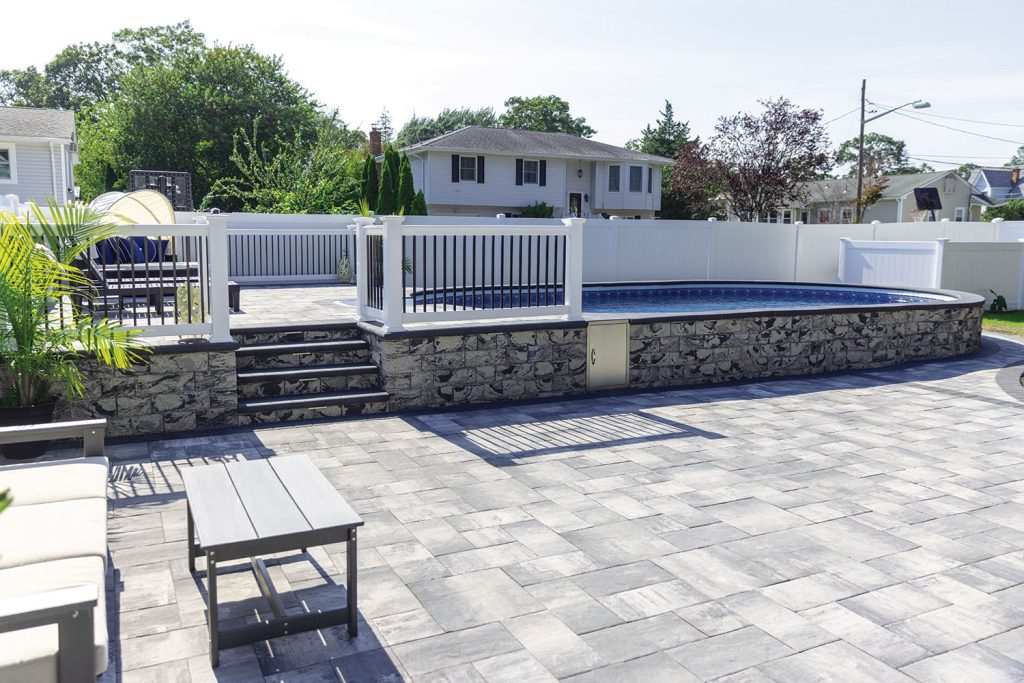
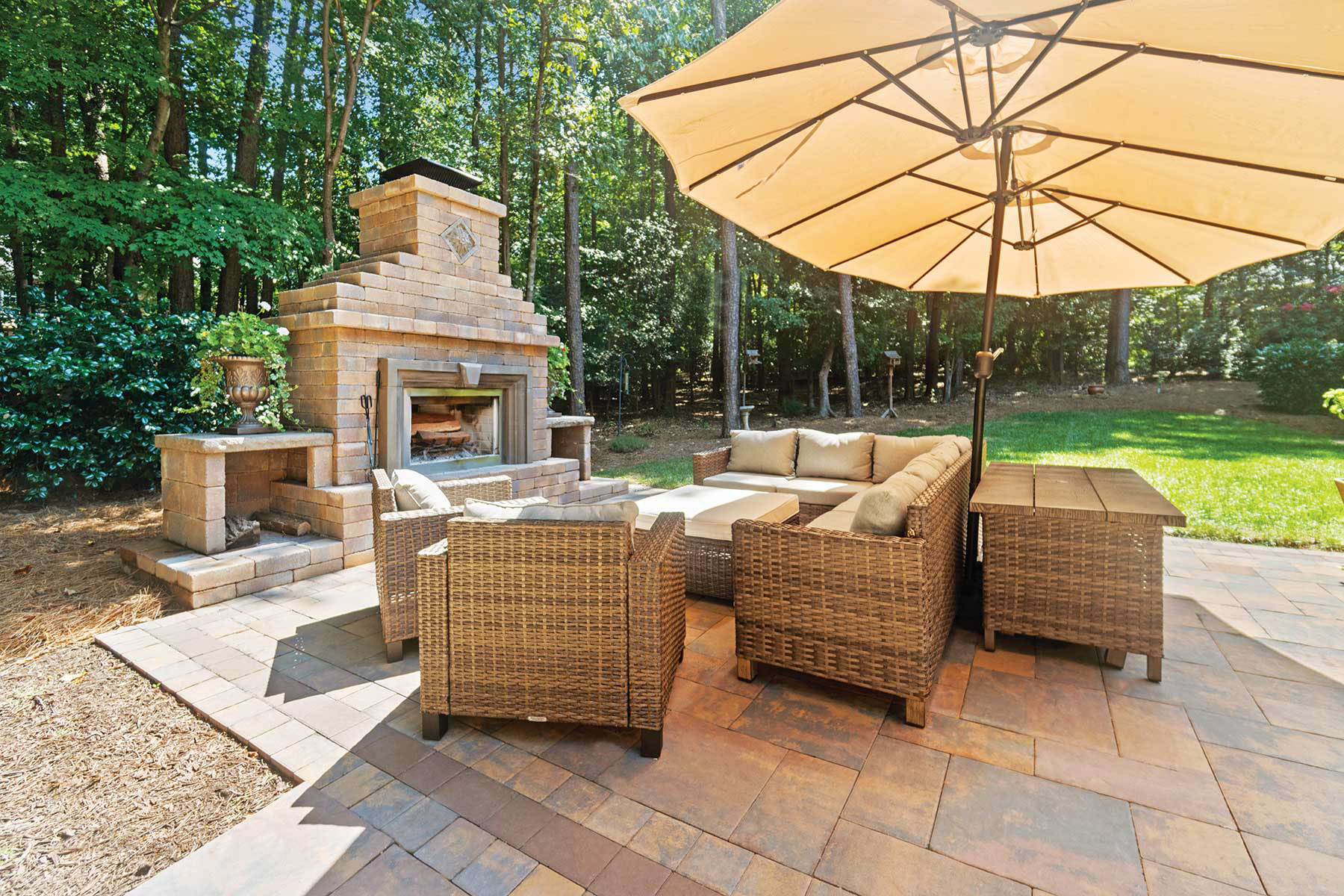
Patios handle constant foot traffic, furniture movement, and seasonal gatherings. Comfort and appearance matter alongside strength.
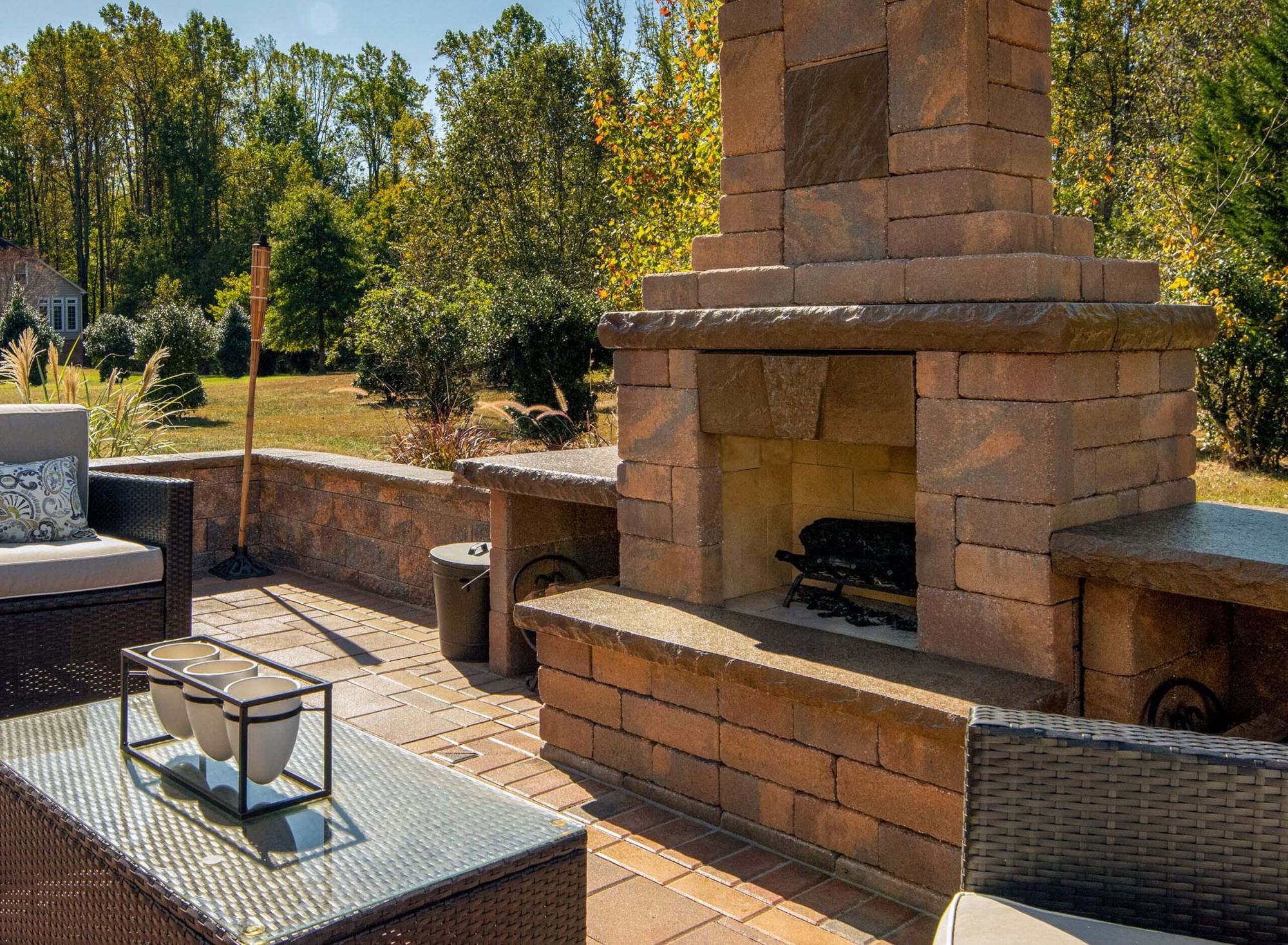
Concrete patios may develop stains or hairline cracks, which can affect both safety and appearance. Pavers provide a textured, stable surface that stays visually consistent. If adjustments become necessary, repairs remain contained and unobtrusive.
For homeowners who spend time entertaining outdoors, pavers often support a more dependable experience.
Not every outdoor space places the same demands on its surface. Walkways, patios, and driveways experience different levels of traffic, weight, and exposure throughout the year. Choosing materials based on how each area is used helps ensure consistent performance across the entire property.
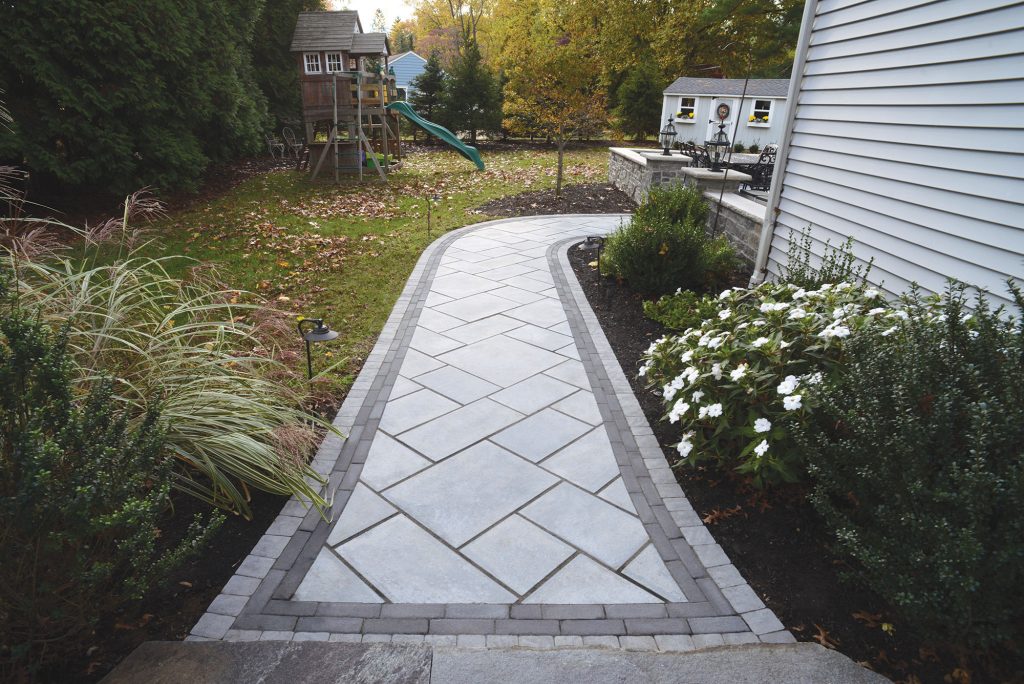
Walkways experience ongoing soil movement. Pavers adapt while staying level, helping reduce uneven sections and trip hazards.
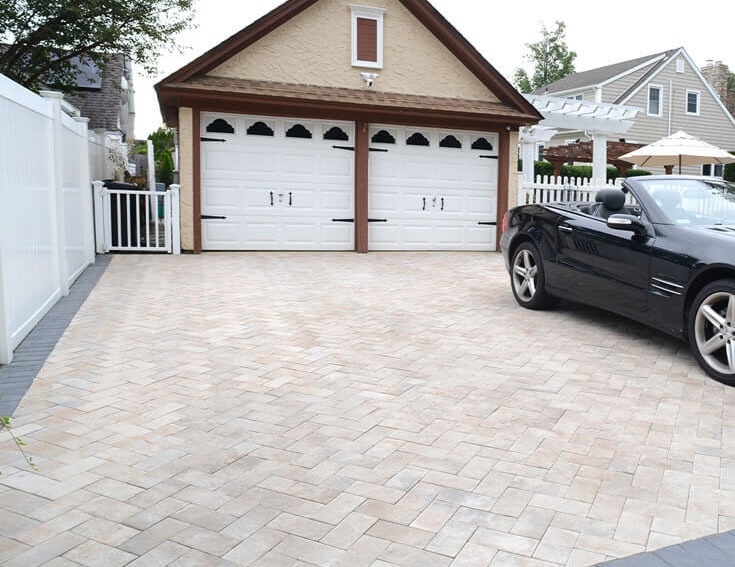
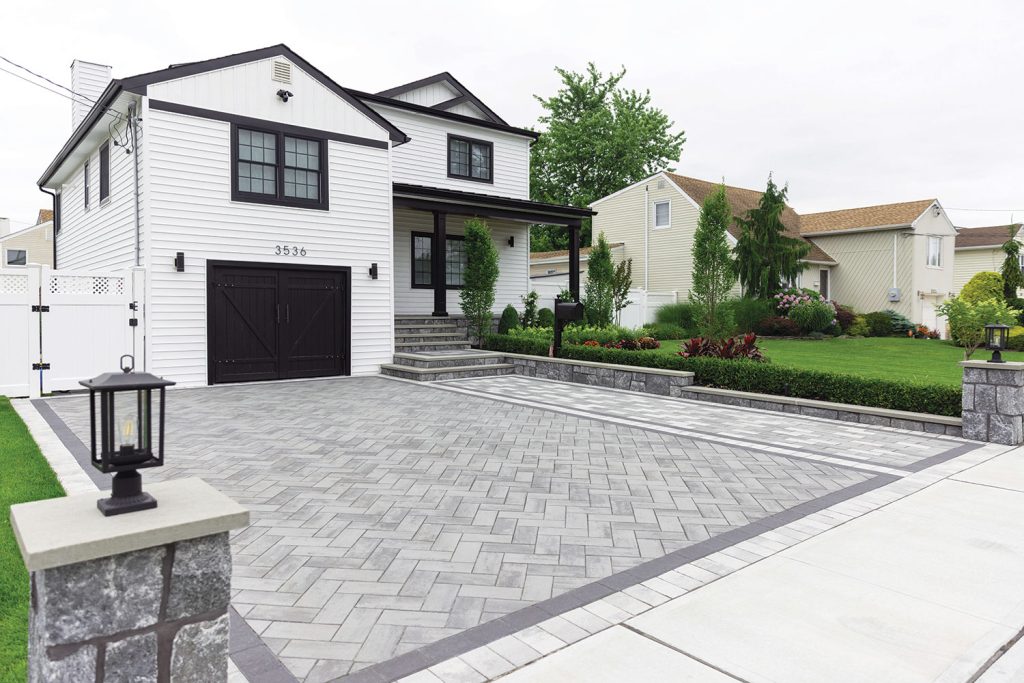
Driveways require strength and durability. Many Nicolock pavers are engineered for vehicular use, distributing weight across the surface. If settling occurs, corrections focus on small areas rather than the entire driveway.
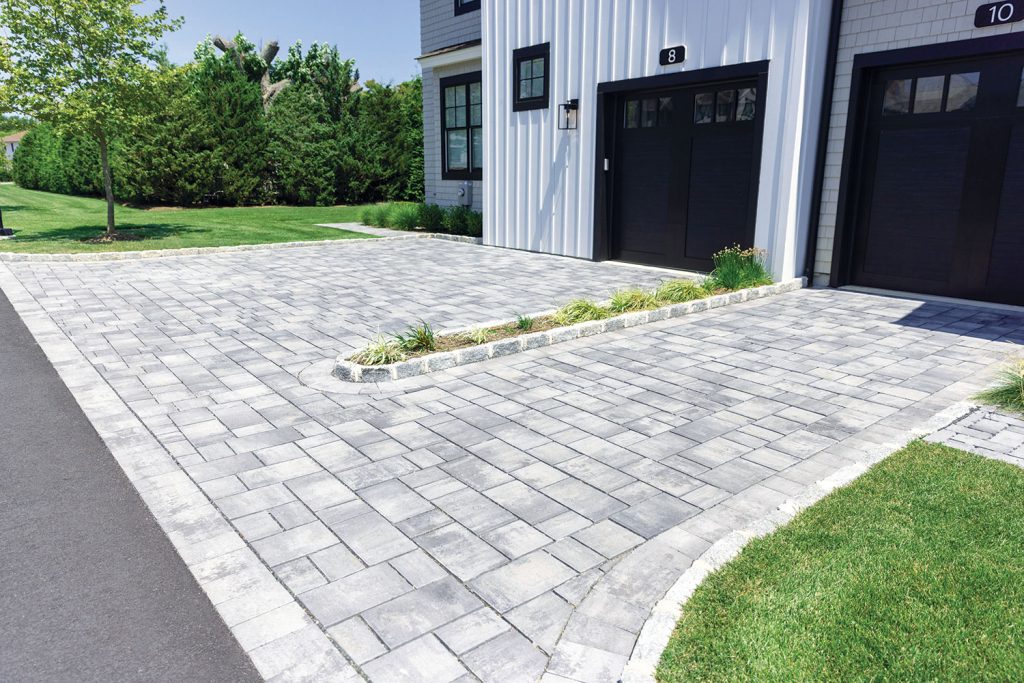
Durability starts with preparation. Quality installations share several key elements:
Nicolock provides clear guidance through homeowner resources and FAQs, helping projects get off to a solid foundation.
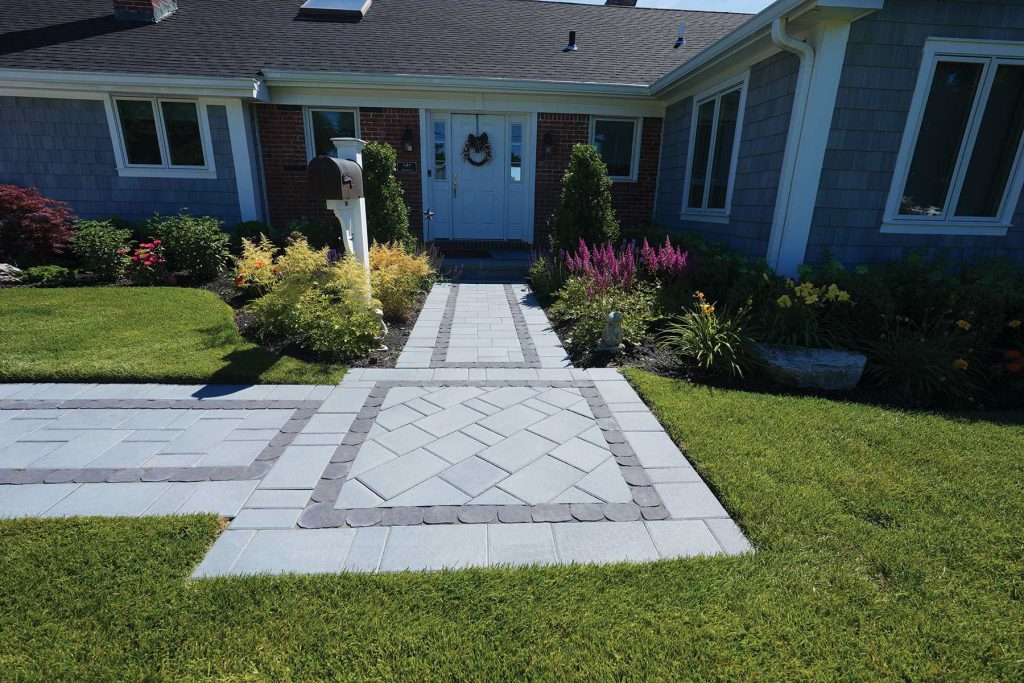
Nicolock brings more than five decades of concrete manufacturing experience to every product line. That background supports thoughtful engineering and consistent quality across all paver collections.
Homeowners value features such as:
These elements support outdoor spaces designed for long-term enjoyment rather than short-term convenience.
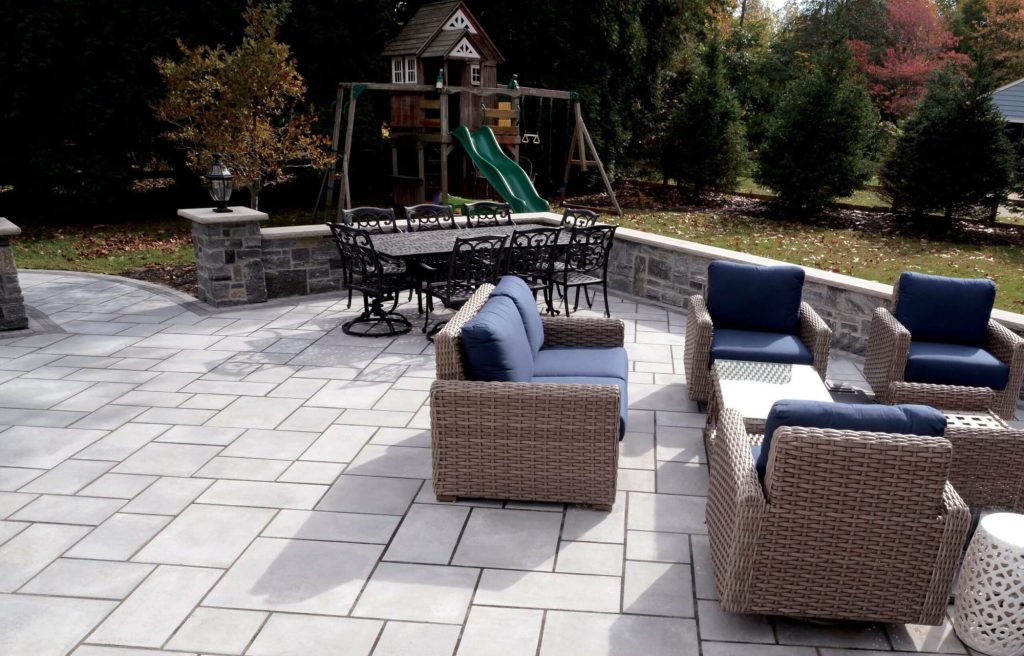
Comparing pavers vs concrete involves more than surface appearance. Performance, repair options, and ownership experience shape satisfaction over time. Pavers offer flexibility, localized maintenance, and dependable durability, which explains why many homeowners choose Nicolock for patios, walkways, and driveways.
Outdoor spaces should support everyday living without constant concern. Selecting the right surface makes achieving that goal easier.
Explore your options by connecting with a local expert or seeing products in person.
Nicolock is ready to help you plan an outdoor space built to last.