Homeowners in cold regions face a specific challenge: repeated temperature swings that push moisture into hardscapes, then force it to expand and contract all winter long. Selecting the best pavers for driveways in freeze-thaw climates means thinking beyond color or surface texture. Driveways feel that pressure more than any other paved surface.
This article is written for homeowners planning a new driveway or replacing an existing one in areas where winter weather tests materials year after year. The goal is simple—explain how freeze–thaw conditions affect driveways and how the right paver system helps prevent common problems before they start.
At Nicolock, pavers are engineered with these conditions in mind, combining material strength, thoughtful design, and proven installation methods that support long-term performance.
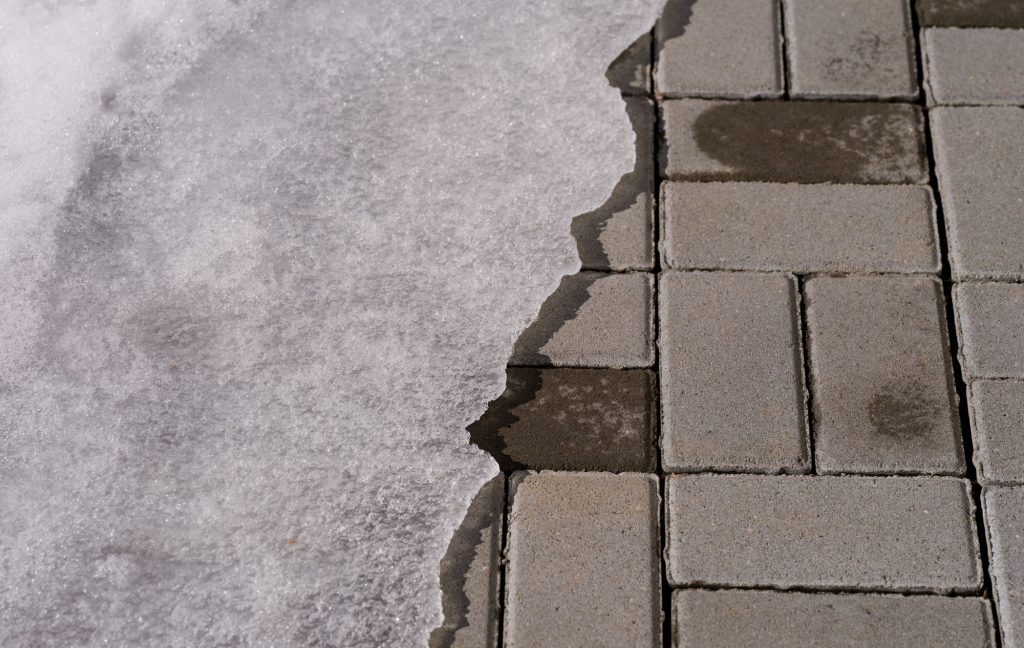
Driveway issues rarely begin at the surface. Most problems develop below grade, where moisture meets cold temperatures and starts to move. Water that settles into joints or base layers freezes, expands, and then thaws, placing stress on the system over time.
Many homeowners notice early signs after one or two winters:
These changes usually point to subsurface movement rather than surface defects. Driveways also face higher stress than patios or walkways. Vehicle weight concentrates pressure, tires apply friction, and snow removal introduces scraping and moisture. Those combined forces make driveway construction less forgiving in winter climates.
Water drives nearly every issue associated with cold-weather driveway wear. How moisture enters the system, where it travels, and how it exits all influence long-term performance.
During winter, trapped moisture expands as it freezes. When temperatures rise, thawing leaves small voids behind. Over time, repeated cycles weaken the structure beneath the surface, even if damage is not visible right away.
Driveways experience added strain because parked vehicles hold weight in one place for extended periods. Snow management introduces more moisture at ground level. De-icing products increase exposure near joints. These conditions demand materials and construction methods designed for seasonal movement.
The freeze–thaw process follows a predictable pattern:
Freeze-thaw cycle pavers are designed to limit water absorption and support controlled movement. Dense materials reduce the amount of moisture that enters each unit. Consistent manufacturing helps maintain uniform strength across the surface.
Nicolock pavers are produced with controlled density to support performance through repeated seasonal changes, when properly installed. That focus helps reduce surface stress while maintaining structural integrity over time.

Not every paver is suited for driveway use, especially in regions that see repeated freeze–thaw cycles. Driveways place unique demands on materials due to vehicle weight, winter moisture, and seasonal movement. Pavers intended for these conditions must manage stress without shifting, cracking, or losing alignment over time. The most reliable systems share specific performance characteristics that support long-term durability.
Dense pavers absorb less moisture, which reduces stress during freezing conditions. Lower absorption also supports surface durability across many seasons. Controlled production methods help ensure consistency from one unit to the next.
Driveway applications require pavers designed to support daily traffic. Thicker units distribute weight more evenly and resist movement under pressure. Many Nicolock pavers are engineered for driveway use, providing strength without limiting layout options.
Joints allow small amounts of movement during temperature changes. Proper spacing, quality joint material, and stable edge restraints help maintain alignment. Varied patterns spread movement across the surface, while long straight seams allow stress to travel.
Water management influences every part of a driveway system, from the surface down to the base. In cold climates, how moisture moves through the installation often determines how well the driveway holds up over time. Poor drainage allows water to linger, increasing exposure during freezing conditions. Well-planned drainage helps reduce stress caused by seasonal expansion and contraction.
Some driveways rely on surface grading and drainage systems to efficiently move water away. Others benefit from permeable designs that allow moisture to pass through the surface into an engineered base. Nicolock environmental pavers support drainage while maintaining the strength needed for driveway applications.
Choosing the right approach depends on soil conditions, slope, and local climate, as well as installation guidelines outlined in Nicolock resources.
A driveway’s base supports everything above it. Properly prepared materials help manage moisture and maintain alignment as temperatures change. Even the strongest paver depends on a stable foundation to perform well through winter conditions.
Material choice often raises questions, yet performance depends on how well the paver matches the application.
Concrete pavers offer consistent dimensions, predictable strength, and long-term serviceability. Individual units can be removed and reset if adjustments become necessary, limiting disruption while extending surface life. Nicolock’s paver-shield technology adds protection against surface wear while supporting color retention in cold regions.
Design decisions affect more than curb appeal; they also play a direct role in how a driveway performs through changing seasons. Layout, pattern selection, and edge treatment all influence how movement is distributed across the surface. Thoughtful design helps manage stress caused by temperature shifts and vehicle loads. These choices quietly support long-term stability without drawing attention to themselves.
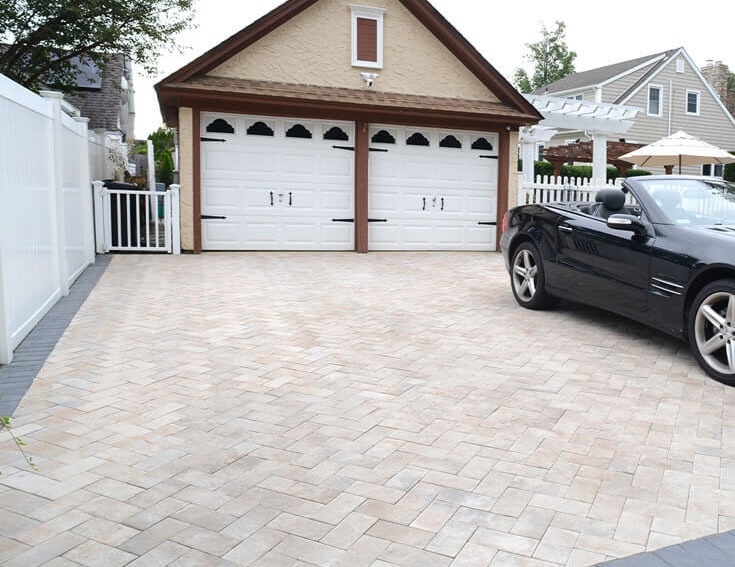
Staggered layouts distribute weight more evenly and reduce continuous joints. These patterns allow the surface to manage movement without concentrating stress in one direction.
Strong edge restraints help keep the system locked in place. Transitions between driveways and surrounding areas should allow natural movement while maintaining clean alignment.
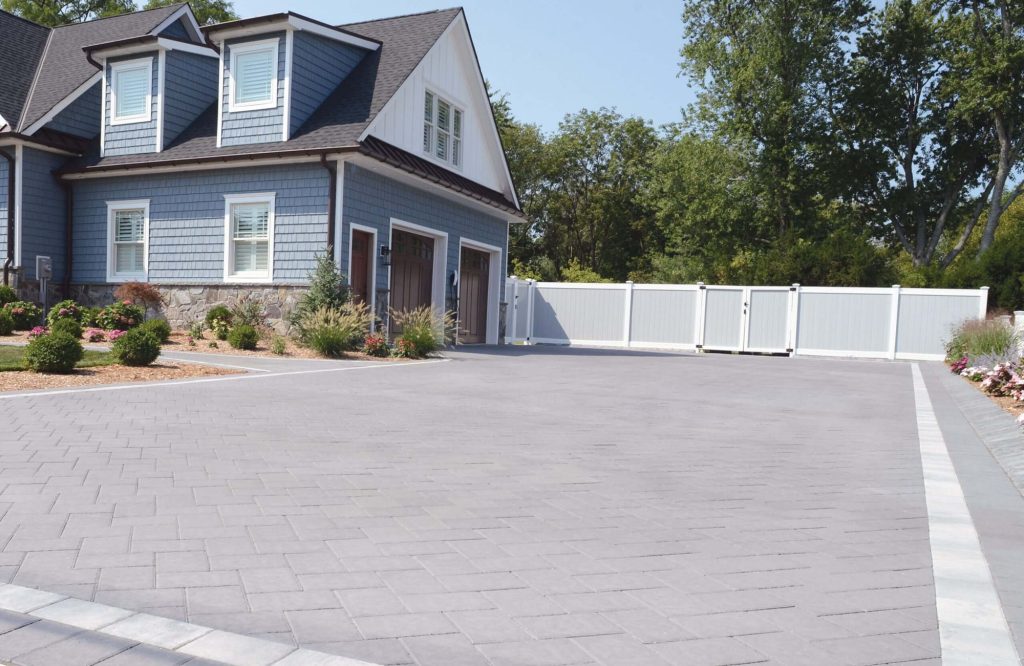
Driveways built with quality materials and properly installed offer predictable maintenance over time. Seasonal care focuses on preserving alignment, joints, and surface condition rather than constant repair. Understanding what maintenance looks like helps homeowners plan with clarity and avoid surprises. A well-designed paver system supports simple, manageable care even after harsh winters.
Individual pavers can be removed and reset if adjustments are needed. This approach supports long-term value while avoiding large-scale disruption.
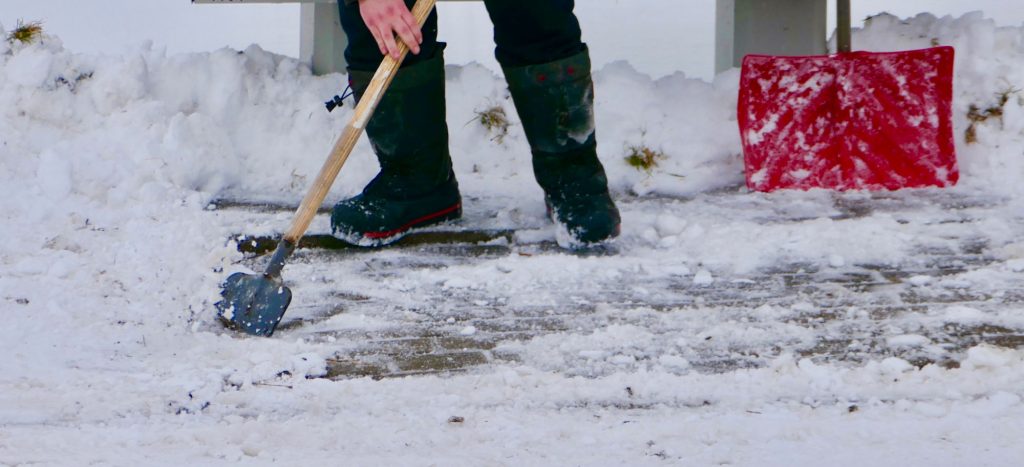
Smart winter habits help preserve surface integrity:
These steps help winter pavers perform as intended through repeated cold seasons.
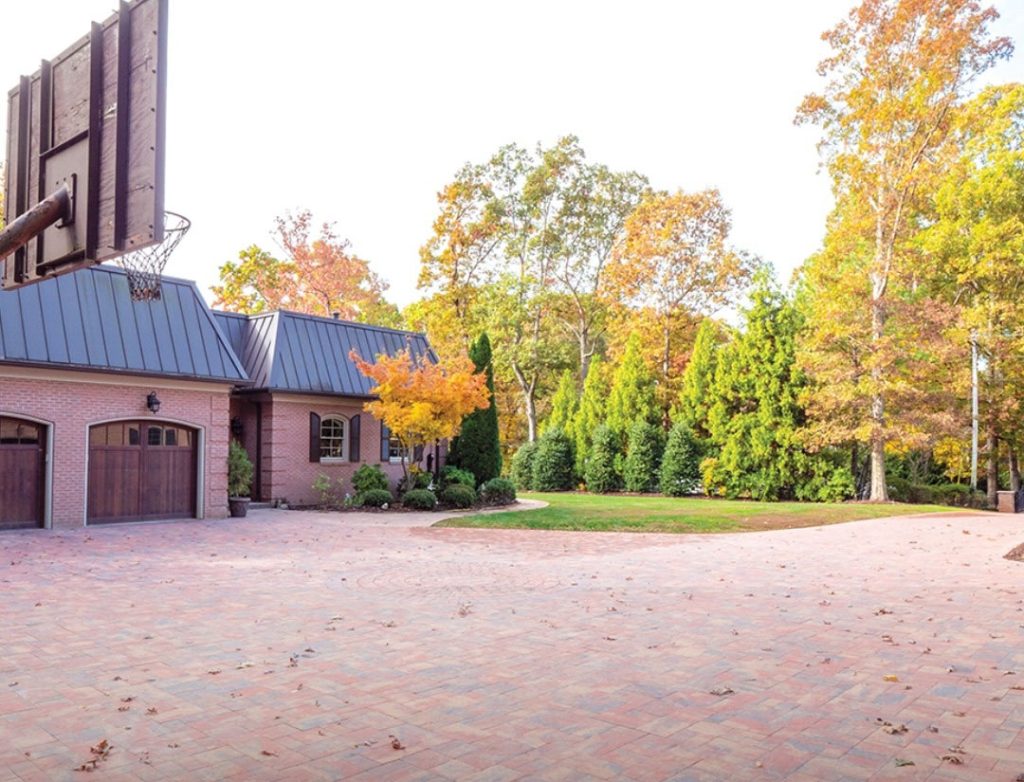
Selecting the best pavers for driveways in freeze-thaw climates comes down to understanding how materials, structure, and drainage work together. Dense pavers with appropriate thickness, thoughtful joint design, and a well-prepared base support driveways that handle seasonal change without constant repair.
Nicolock offers driveway-ready pavers designed to balance strength, style, and long-term performance. With options suited for cold climates, homeowners can create driveways that support daily use while maintaining curb appeal year after year.
Seeing pavers in person brings clarity to the planning process. Visit a Nicolock Design Studio or Design Center to explore colors, textures, and layouts suited for cold regions. Ready to begin?
With the right guidance and materials, your driveway can stay strong through every winter ahead.