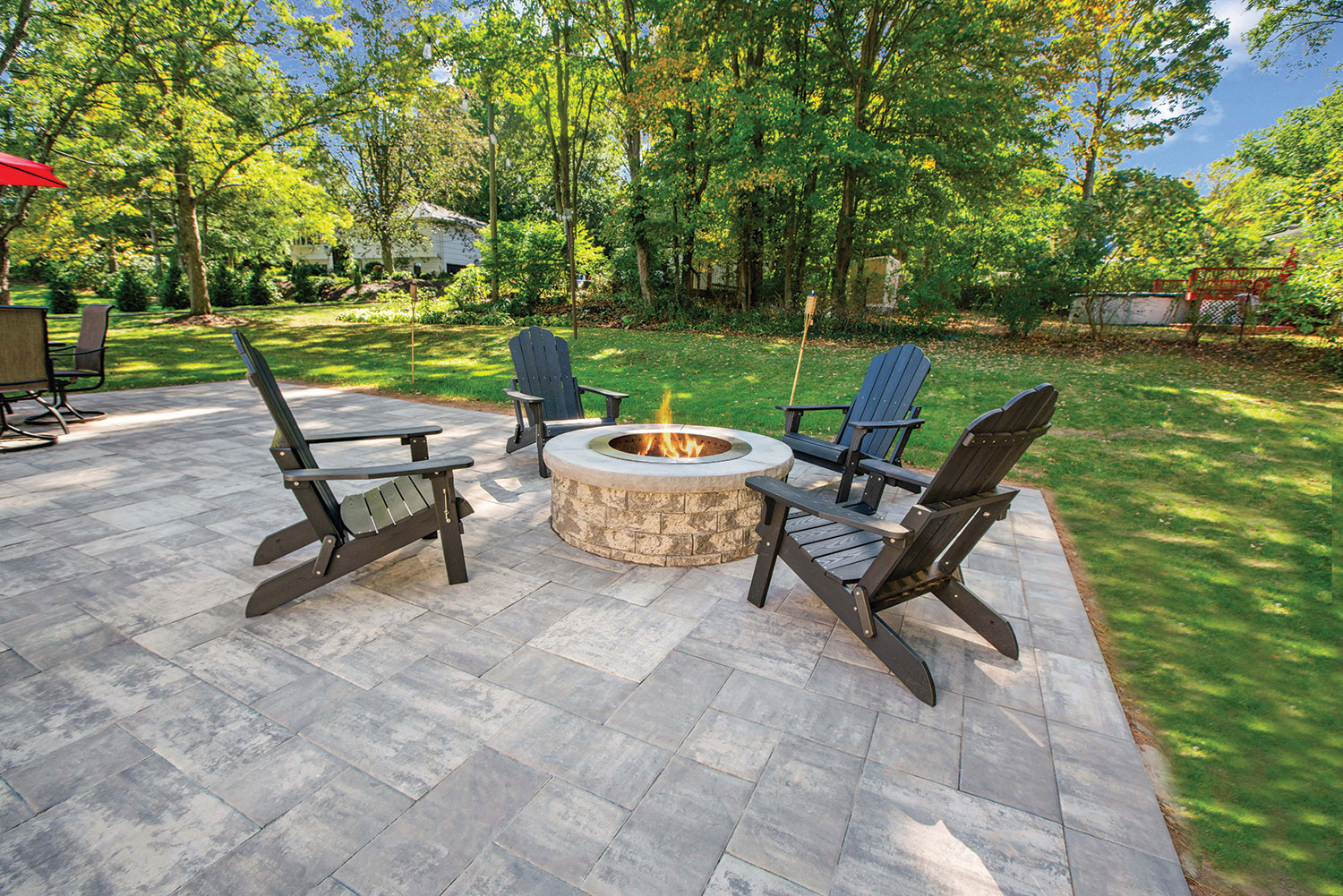
A well-designed coastal patio should feel like an extension of the shoreline—open, relaxed, and ready to handle the elements year after year. Coastal patio pavers must do more than look good in the sun. In shoreline environments, surfaces are exposed to salt air, constant humidity, sudden storms, and long hours of UV exposure. Coastal hardscaping demands materials that maintain structural integrity and color even under those conditions.
At Nicolock, we manufacture high-density pavers in the United States using advanced production methods designed for durability and long-term performance. If you are planning a patio near the ocean or researching pavers that West Palm Beach homeowners rely on, the following guidance will help you make your choice.
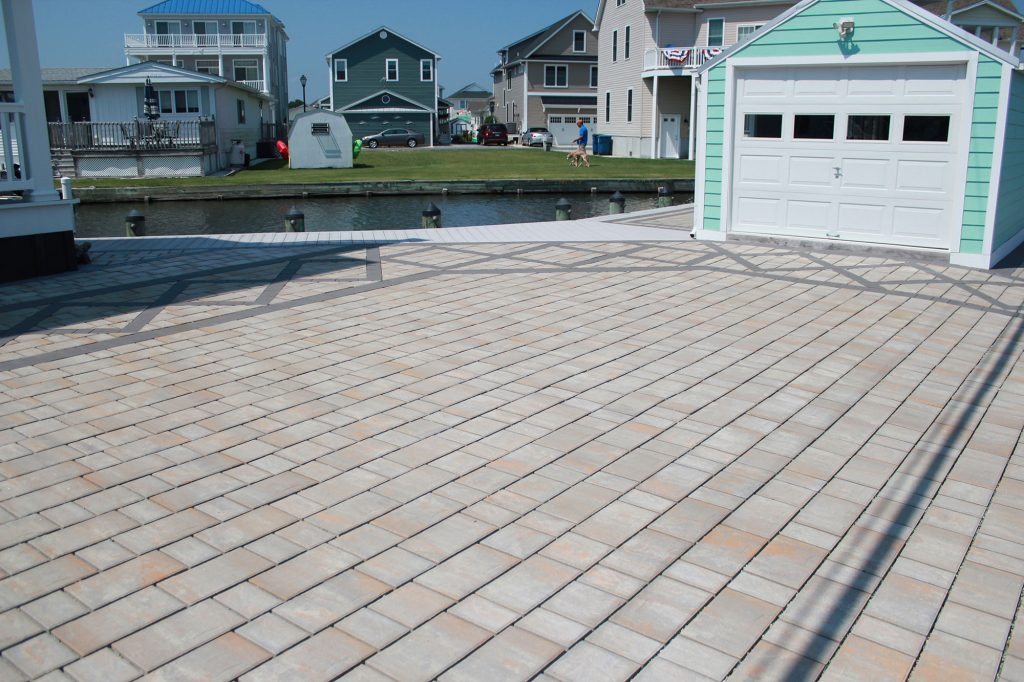
Salt travels through the air as microscopic particles. Once deposited on surfaces, it can crystallize as moisture evaporates. Over time, salt crystallization may contribute to surface wear in lower-density materials. Humidity also increases moisture retention, which can affect the quality of poorly manufactured concrete.
Industry research and ASTM performance standards for concrete pavers emphasize three protective factors:
These qualities reduce moisture penetration and help maintain long-term stability. Nicolock pavers are manufactured to meet recognized performance benchmarks, assuring homeowners in demanding climates.
Coastal regions also experience intense sunlight. That combination of UV exposure and airborne salt makes product composition just as important as appearance.
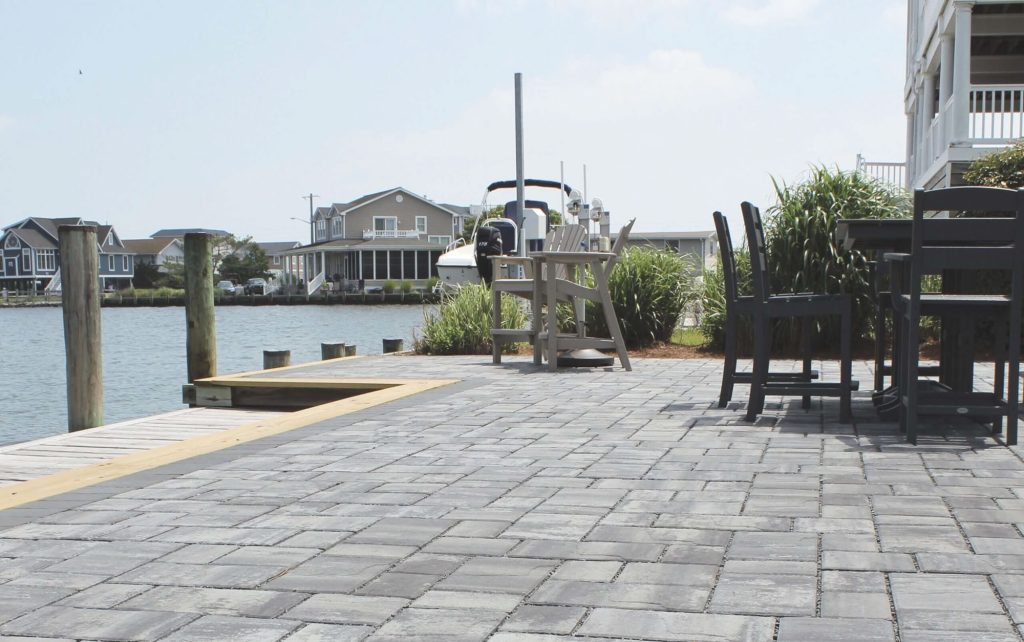
Many patios near the water struggle not because of poor design, but because environmental factors were overlooked.
Very pale tones can produce glare under direct sunlight. Light surfaces also show splash marks, salt residue, and sand more quickly. A blended neutral palette often performs better visually while still delivering a relaxed shoreline aesthetic.
Single-tone pavers can appear sterile in bright coastal light. Uniform shades may highlight footprints and debris. Multi-tone blends offer subtle variation that disguises everyday wear.
Nicolock’s paver-shield™ technology bonds a rich layer of color to the top surface of each unit during manufacturing. This process produces vibrant blends designed to resist fading and surface wear.
Water must move through and away from the patio system. Without proper base preparation and jointing materials, standing moisture can affect stability. Coastal installation requires careful grading and drainage planning.
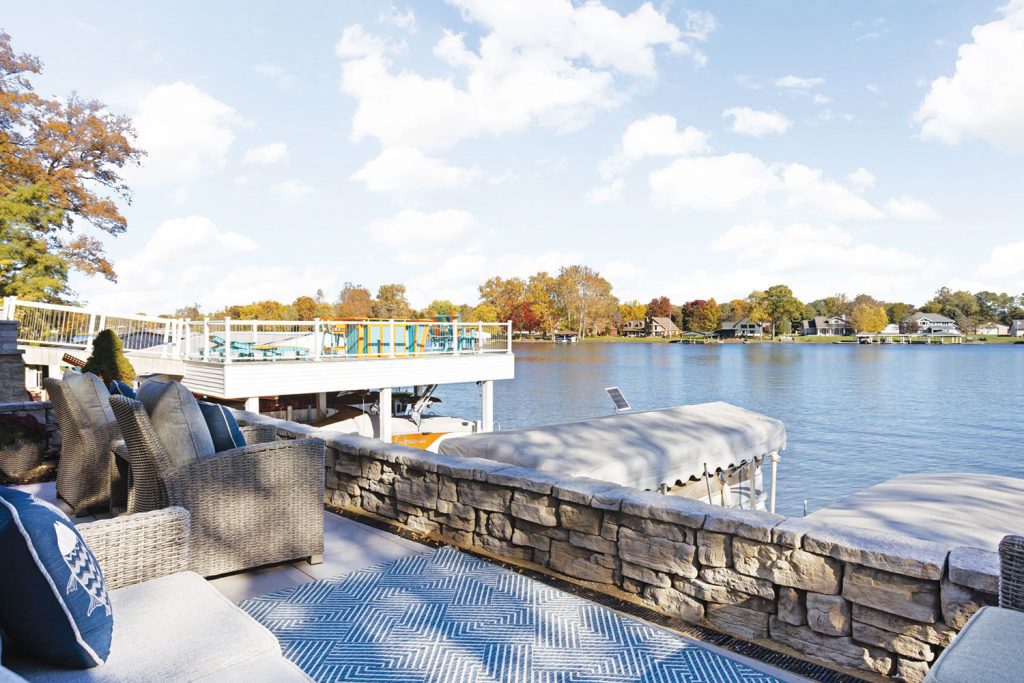
Homeowners frequently ask whether salt-resistant pavers are necessary near the ocean. Dense, properly manufactured concrete performs well in salt-heavy air when built to recognized standards.
Key characteristics of salt-resistant pavers include:
Efflorescence, a white residue sometimes seen on concrete, can occur when moisture migrates through cement-based products. While this natural process may appear in many masonry materials, dense pavers with controlled absorption reduce its likelihood. Routine rinsing helps manage surface buildup in coastal regions.
Nicolock’s production process focuses on consistent density and color durability. Our paver-shield™ line and Nicostone collection provide options suited for shoreline environments where moisture and salt exposure are ongoing realities.
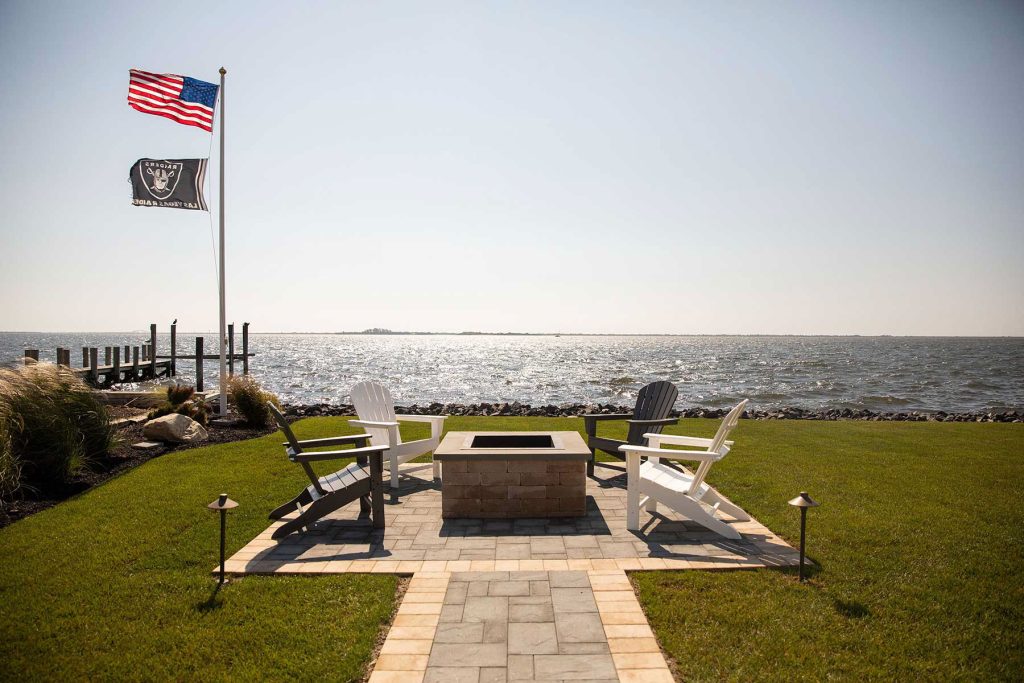
Color influences both comfort and long-term satisfaction.
Look at roof shingles, siding, trim, and any existing stone. Warm undertones pair well with sandy beige blends. Cooler exteriors often complement soft grays with subtle variation.
The Nicolock Color Visualizer helps homeowners preview combinations before installation. Seeing materials in context reduces guesswork.
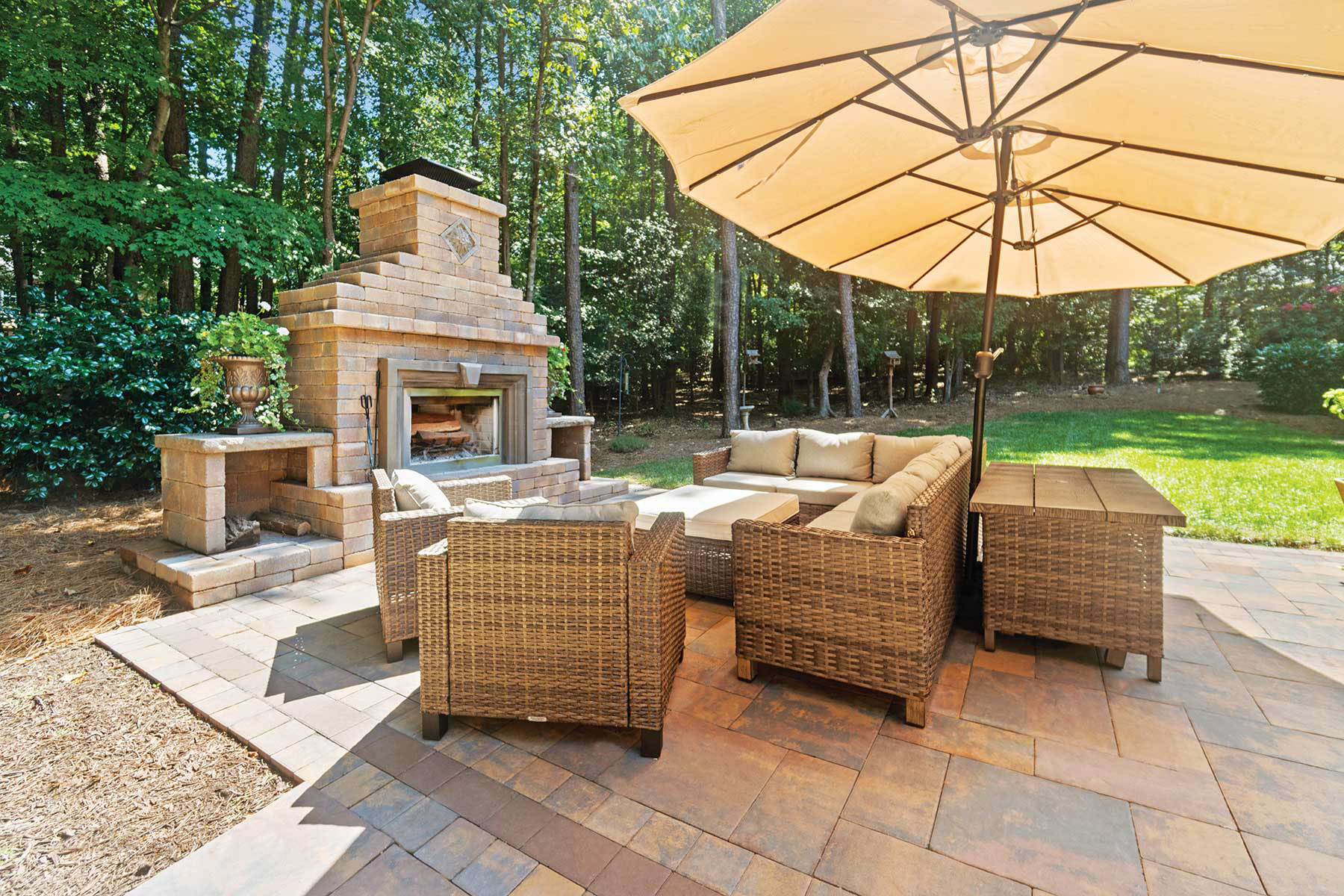
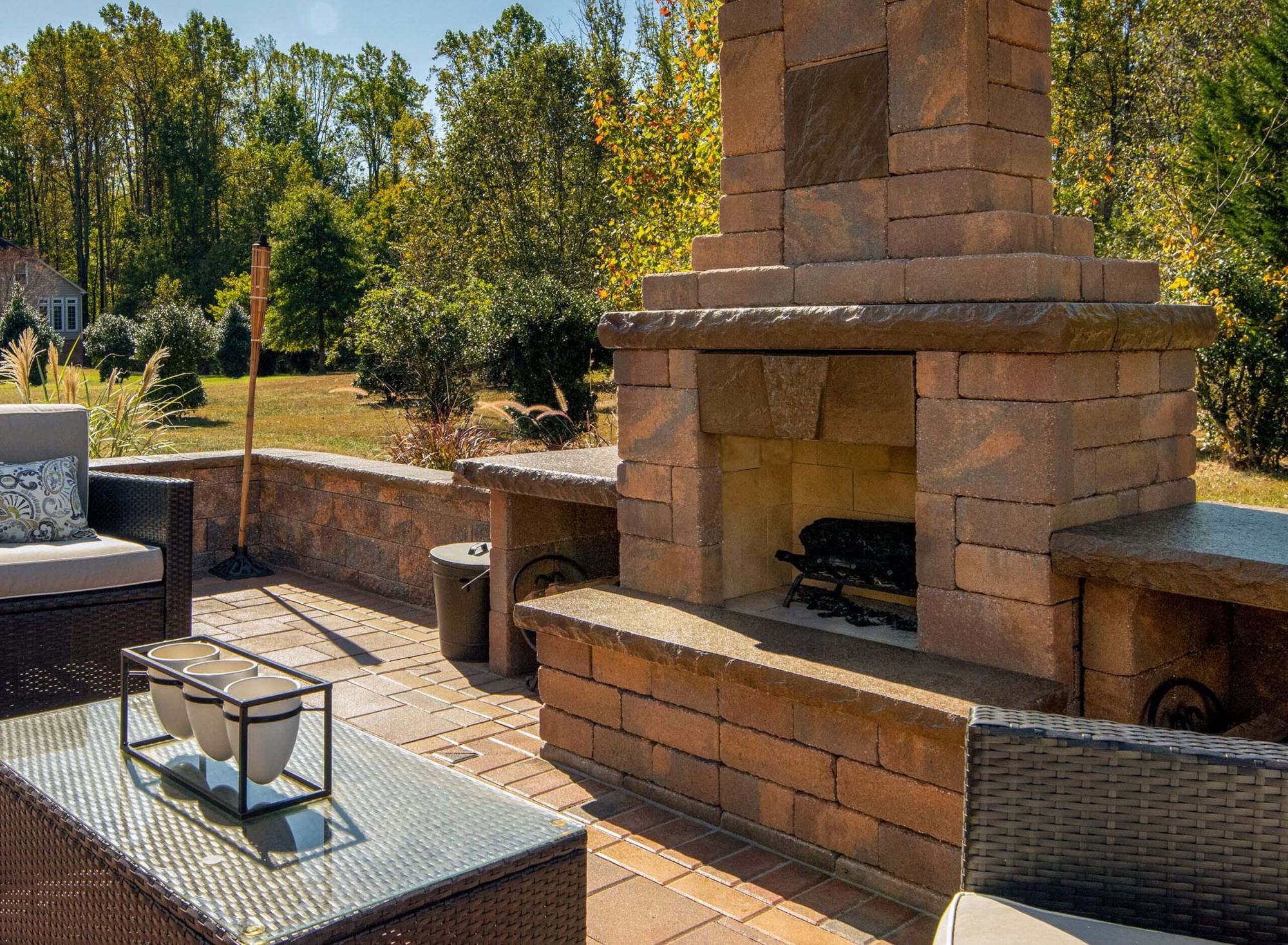
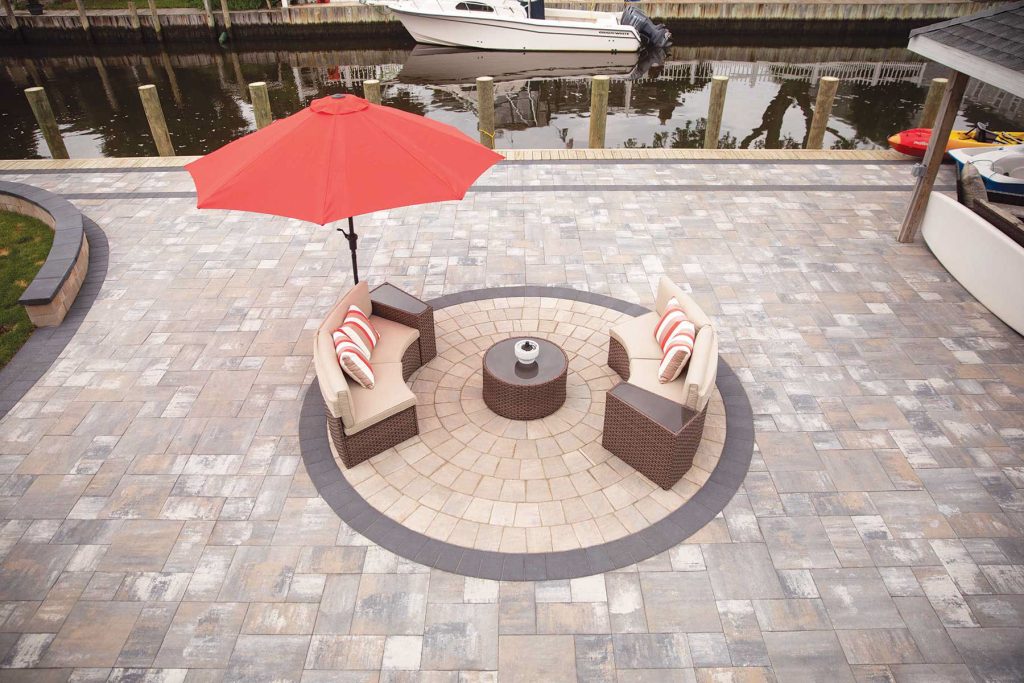
Coastal settings benefit from balanced tones inspired by driftwood, shell, and sand. Blends soften glare while concealing tracked-in debris. A multi-dimensional surface also ages more gracefully than flat color.
A darker accent border can ground lighter interior areas. That subtle contrast prevents a washed-out appearance and adds visual structure without overpowering the space.
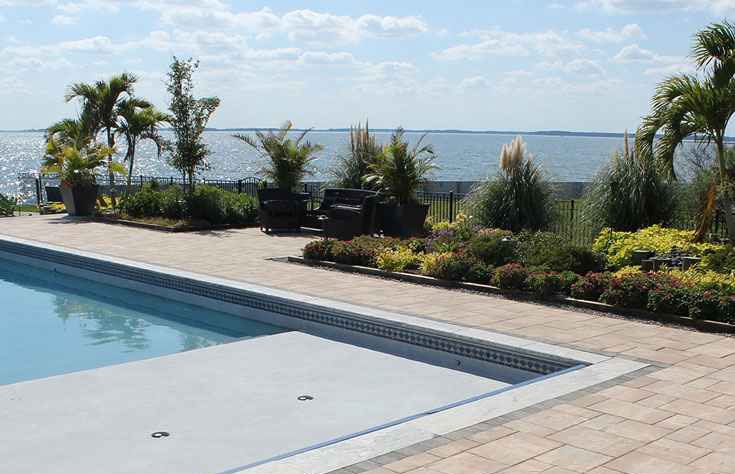
In South Florida markets such as West Palm Beach, patios face:
These conditions require materials that retain color under intense UV light and resist moisture infiltration. Drainage design becomes even more significant in hurricane-prone areas where rainfall can be substantial.
In contrast, Northeast coastal regions may experience freeze-thaw cycles combined with salt exposure. Interlocking concrete pavers perform well in these settings because individual units can flex slightly with ground movement. That flexibility reduces the risk of cracking compared to large poured surfaces.
For homeowners searching for pavers West Palm Beach properties demand, focusing on density, color technology, and professional installation ensures better long-term performance.
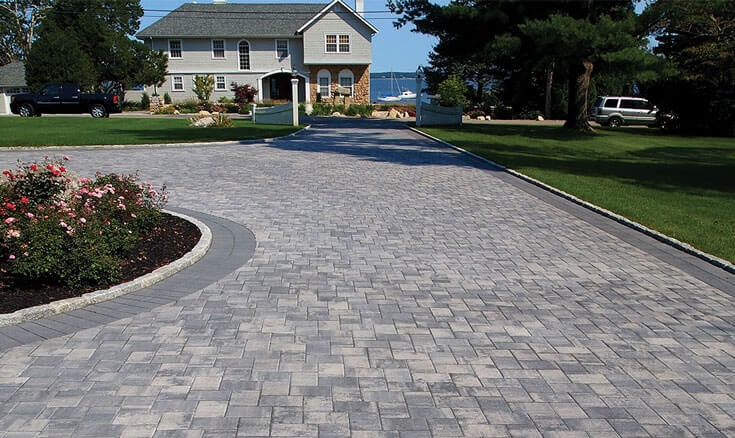
Pattern selection influences both aesthetics and function.
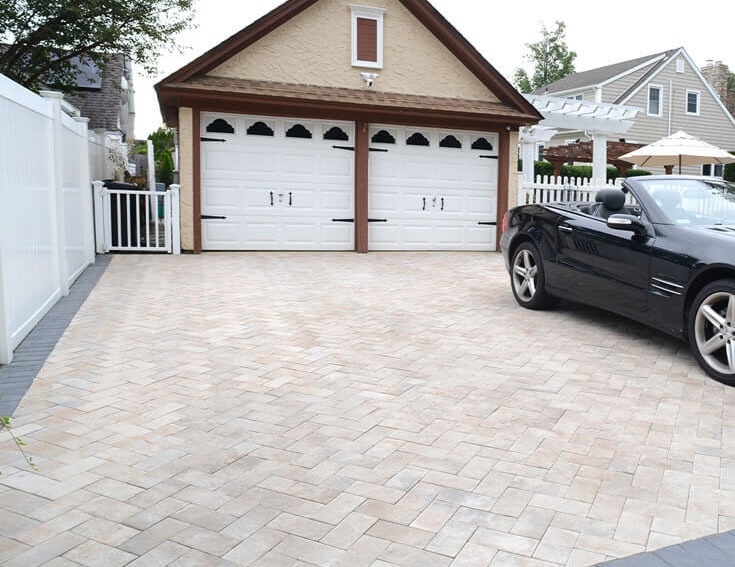
Larger-format pavers create an open, clean look that complements water views. Simple layouts, such as running bond or modular arrangements, tend to age well. Busy patterns can distract from natural surroundings.
Design with daily life in mind. Consider:
Careful planning reduces maintenance frustration and keeps the patio functional year after year.
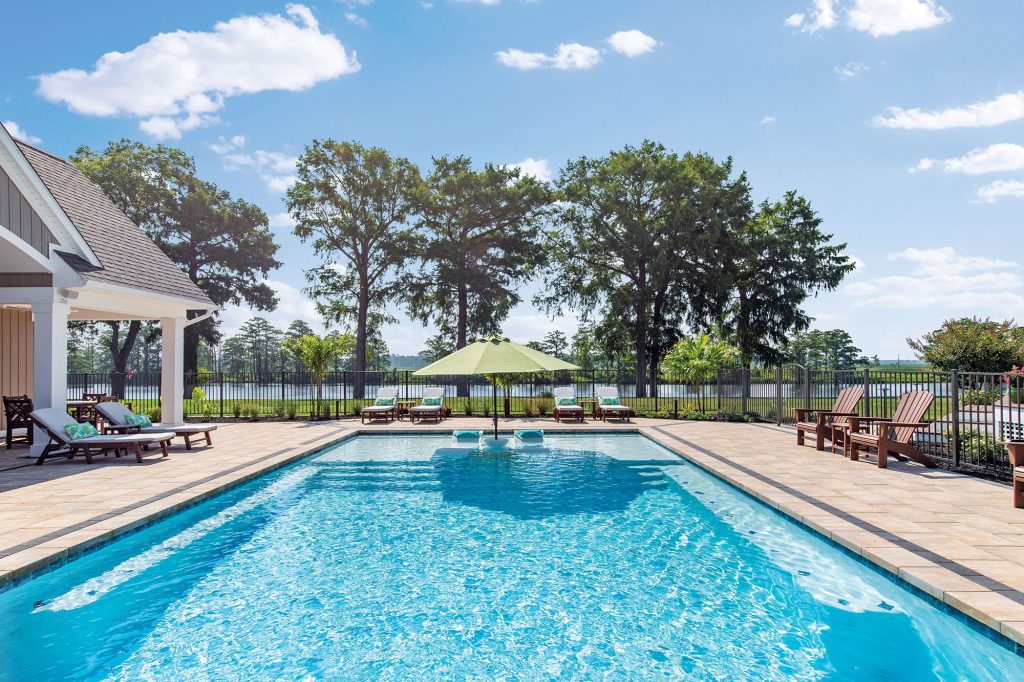
Installation quality directly affects durability in coastal hardscaping.
Professional crews should include:
For homeowners concerned about stormwater management, Nicolock offers environmental pavers designed to support permeability in specific applications. These systems allow water to filter through the surface, reducing runoff and supporting drainage goals.
Routine maintenance remains straightforward. Occasional rinsing removes salt residue and sand. Periodic inspection of joint sand ensures continued stability. Individual units can be replaced if needed without disturbing the entire patio.
Nicolock has produced premium hardscape products for over five decades. Our facilities use advanced manufacturing techniques to create high-density pavers with consistent quality. As a 100% U.S.-owned company, we focus on durability, innovation, and lasting color.
Paver-shield™ technology provides a dense, vibrant surface layer designed to resist fading and wear. That manufacturing process contributes to long-term structural performance in moisture-heavy environments.
Our fully transferable lifetime warranty reflects our commitment to quality and reliability.
Do coastal patio pavers fade faster near the ocean?
High-quality pavers with advanced color technology resist UV exposure and maintain vibrancy longer than lower-density materials.
How often should salt residue be cleaned?
Light rinsing during routine maintenance helps manage buildup. Frequency depends on proximity to the shoreline and storm activity.
Are lighter tones always hotter?
Surface temperature varies based on tone, exposure, and shading. Balanced neutrals often provide comfort without excessive glare.
Can pavers handle heavy rain?
Interlocking systems allow water to drain through joints when installed properly. Base preparation plays a major role in performance.
What makes salt-resistant pavers different?
Density, low absorption, and strong internal structure help reduce moisture intrusion and surface degradation.
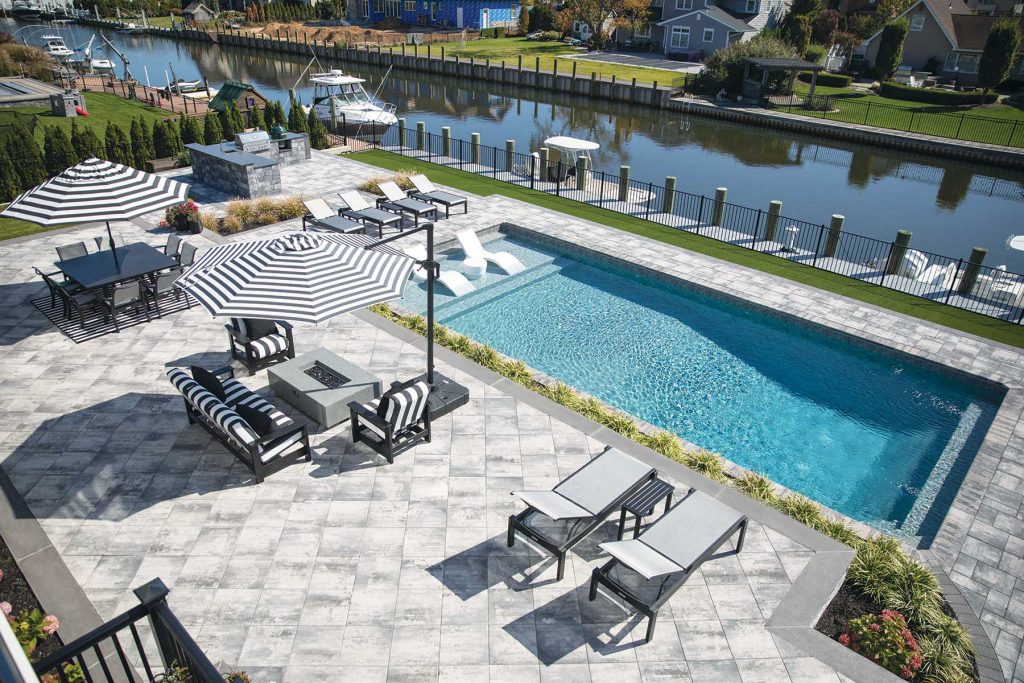
Salt air and moisture pose real challenges, yet the right materials make them manageable. Coastal patio pavers should combine color durability, structural strength, and proper installation to deliver lasting performance.
Nicolock offers a wide range of blended tones, high-density options, and environmental solutions suited for shoreline settings. Whether you are planning a waterfront retreat or upgrading an existing patio, choosing products designed for coastal hardscaping provides lasting value.
Ready to take the next step?
Dream it with Nicolock—and build a coastal patio prepared for salt air, moisture, and time.