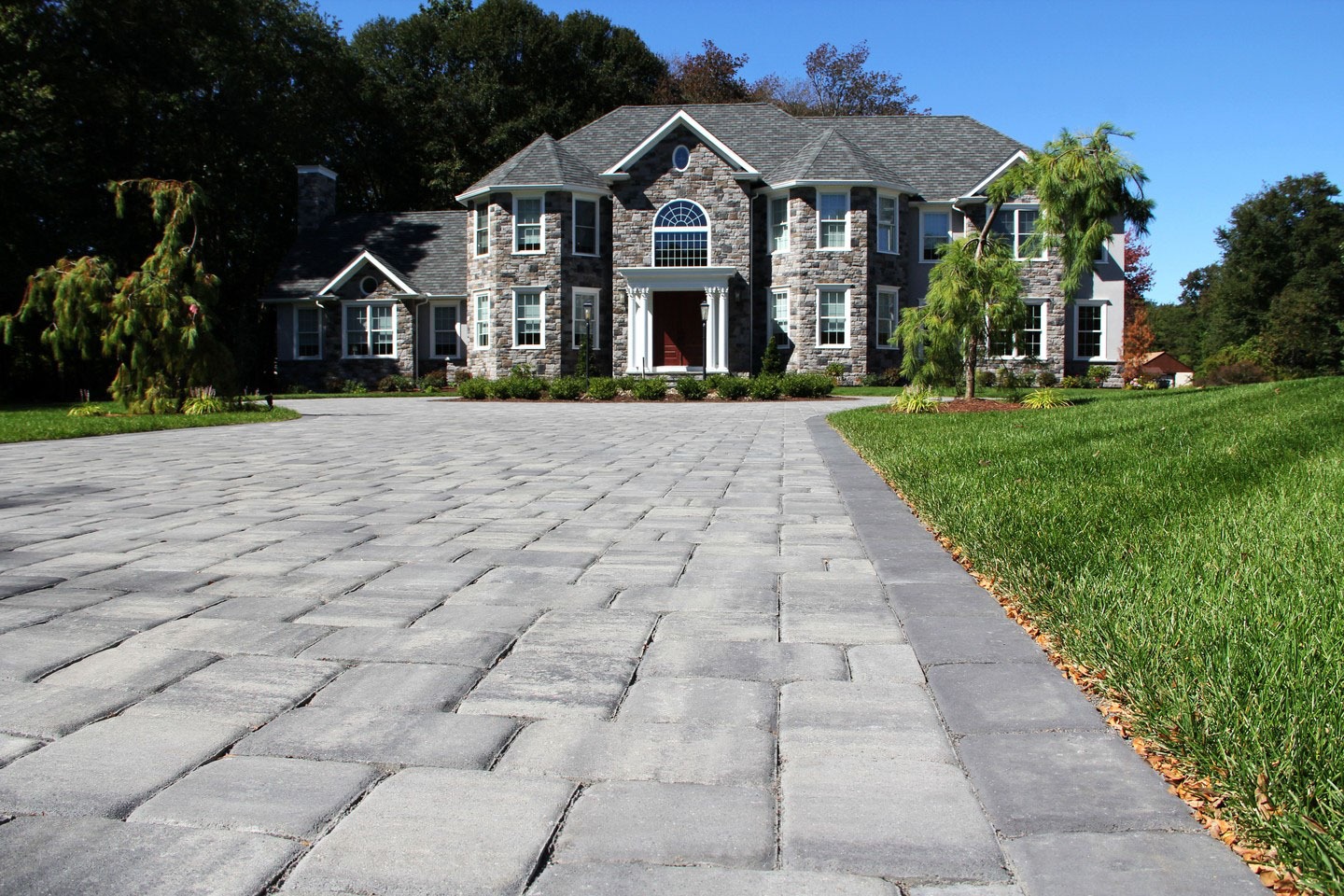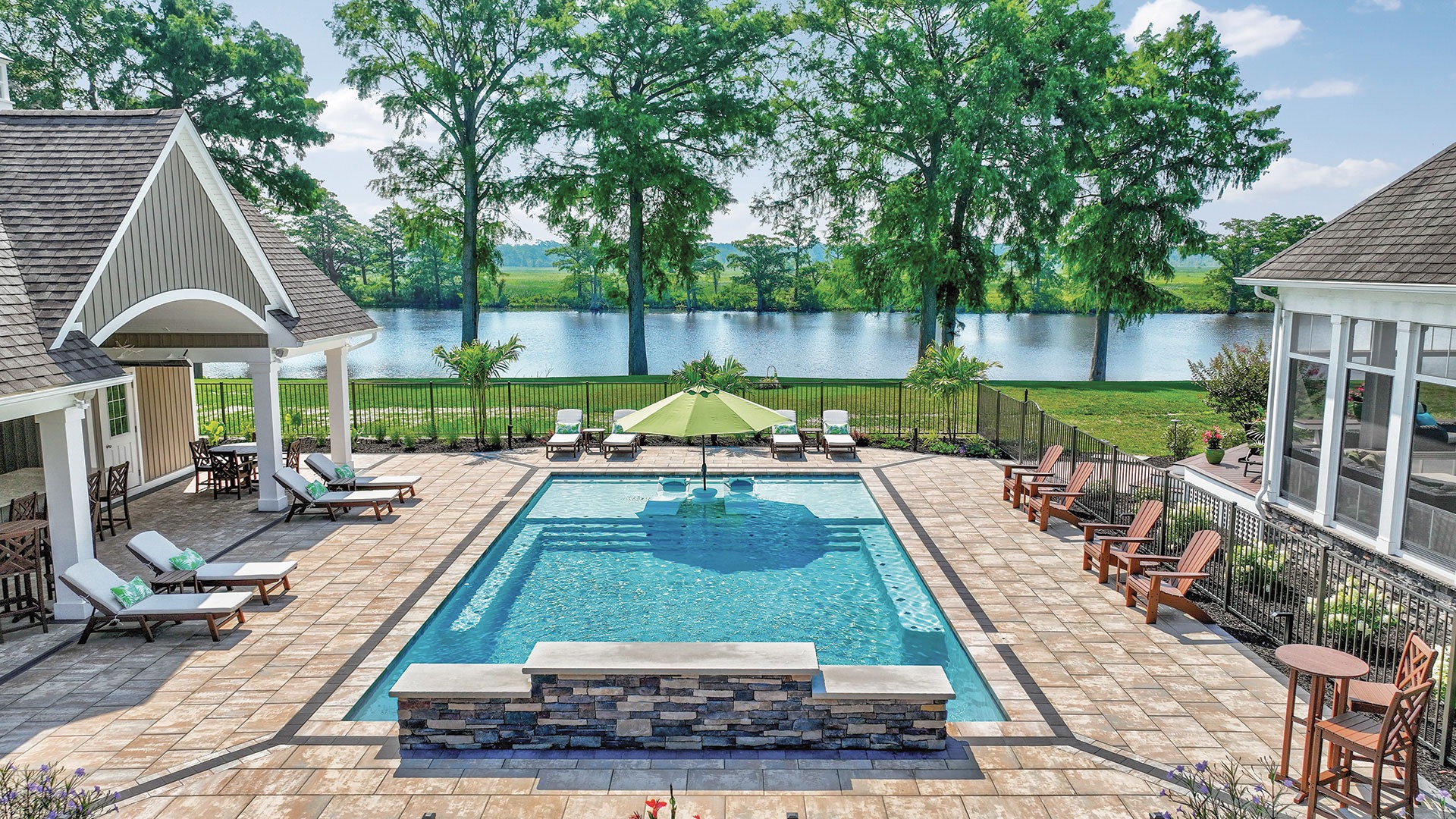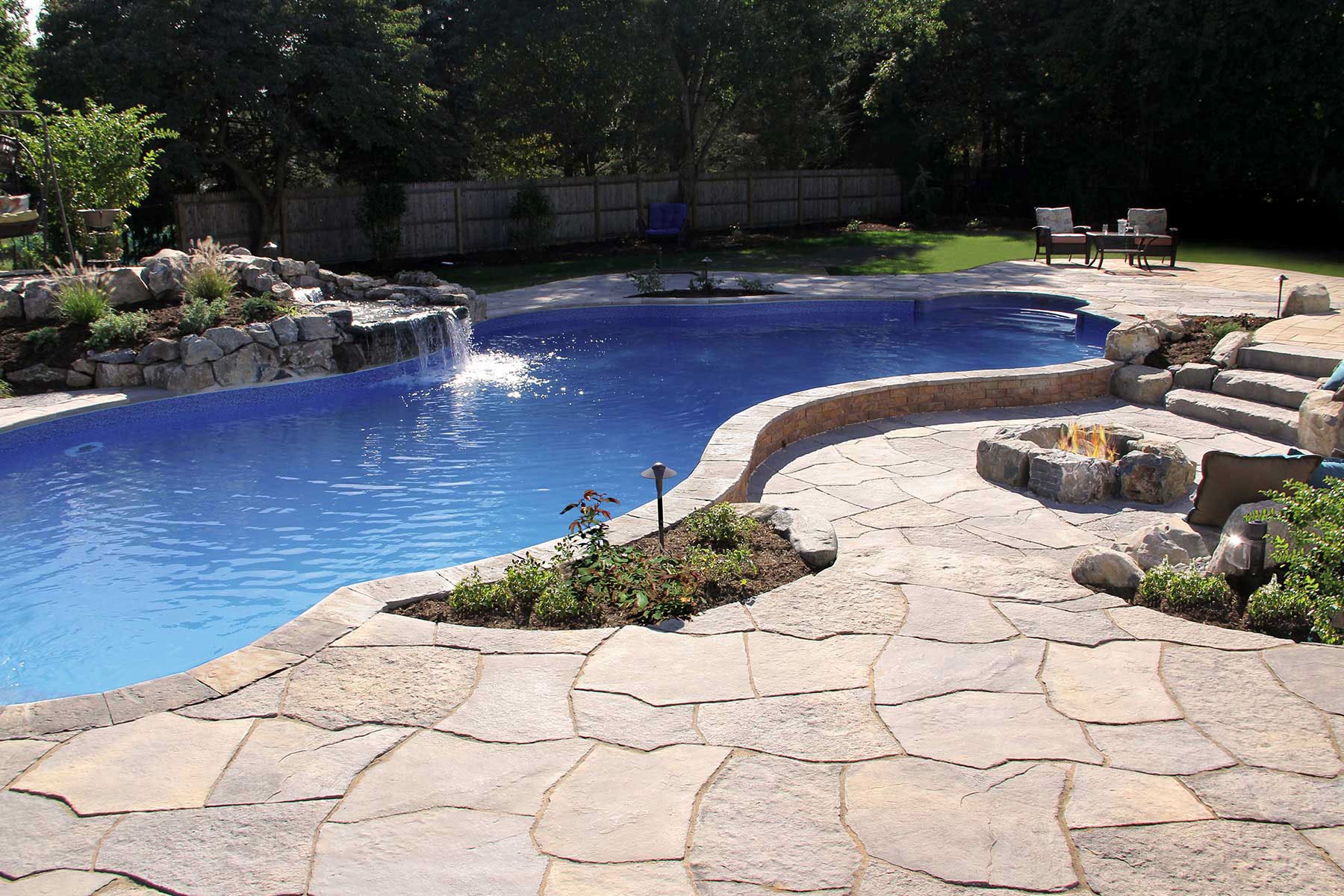
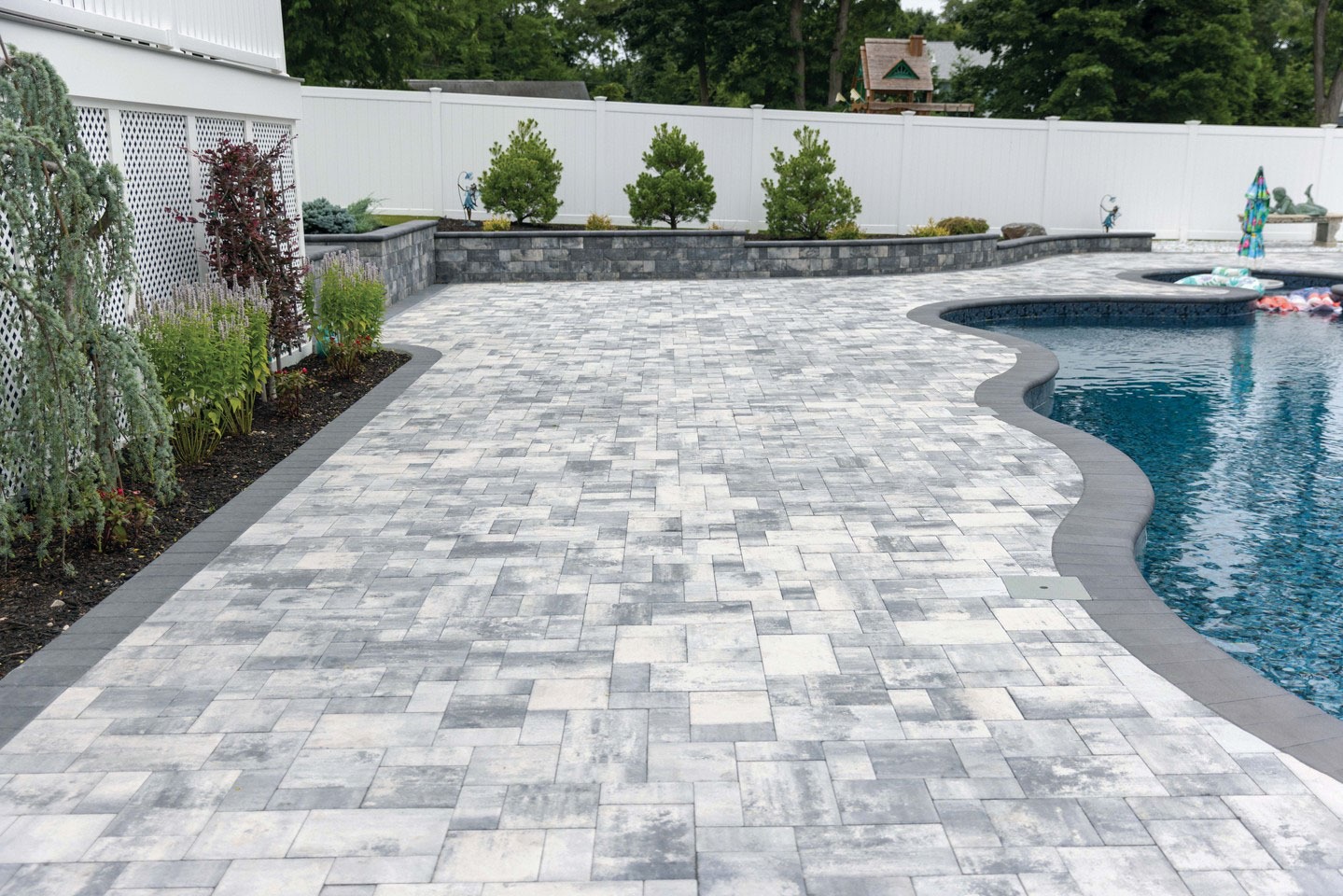
A new patio gives you more room for outdoor dinners, weekends with friends, quiet mornings, or evenings gathered around the fire. Before choosing colors and patterns, most people have one practical question: What will it cost? Research paver patio cost online, and you may find figures that vary by thousands of dollars, making early budgeting less clear than expected.
Those differences reflect the work required at each property. Square footage matters, but paving stone selection, excavation, base preparation, labor, drainage, site access, existing surfaces, and design details also shape the price. Two patios with identical dimensions can require very different levels of preparation.
Understanding where the money goes gives you a better starting point. Rather than relying on one online estimate, you can set priorities, recognize what belongs in a professional proposal, and ask informed questions before construction begins.
A professionally installed paver patio may fall within a broad budgeting range of about $10 to $30 per sq ft, with some installations falling outside that range. Treat this range as an initial reference, not a Nicolock installation price or contractor quote.
Published estimates vary because no single national figure accounts for every property. Regional labor rates, paving stone choices, excavation, grading, demolition, access, drainage, pattern complexity, and other site needs change the amount of work involved. Even mobilization and delivery can have a greater impact on smaller jobs because certain expenses remain whether the patio covers 150 or 500 square feet.
The table below applies the $10 to $30 range to several common dimensions.
| Patio Dimensions | Square Footage | Broad Budgeting Range* |
| 10' × 10' | 100 sq. ft. | $1,000–$3,000 |
| 12' × 12' | 144 sq. ft. | $1,440–$4,320 |
| 12' × 20' | 240 sq. ft. | $2,400–$7,200 |
| 16' × 20' | 320 sq. ft. | $3,200–$9,600 |
| 20' × 20' | 400 sq. ft. | $4,000–$12,000 |
| 20' × 30' | 600 sq. ft. | $6,000–$18,000 |
These figures provide an initial budgeting reference only. Local labor, material selection, demolition, soil conditions, drainage, grading, access, layout, permits, delivery, and other site needs may change the total.
A local contractor can inspect your yard and price the work required for those specific conditions.
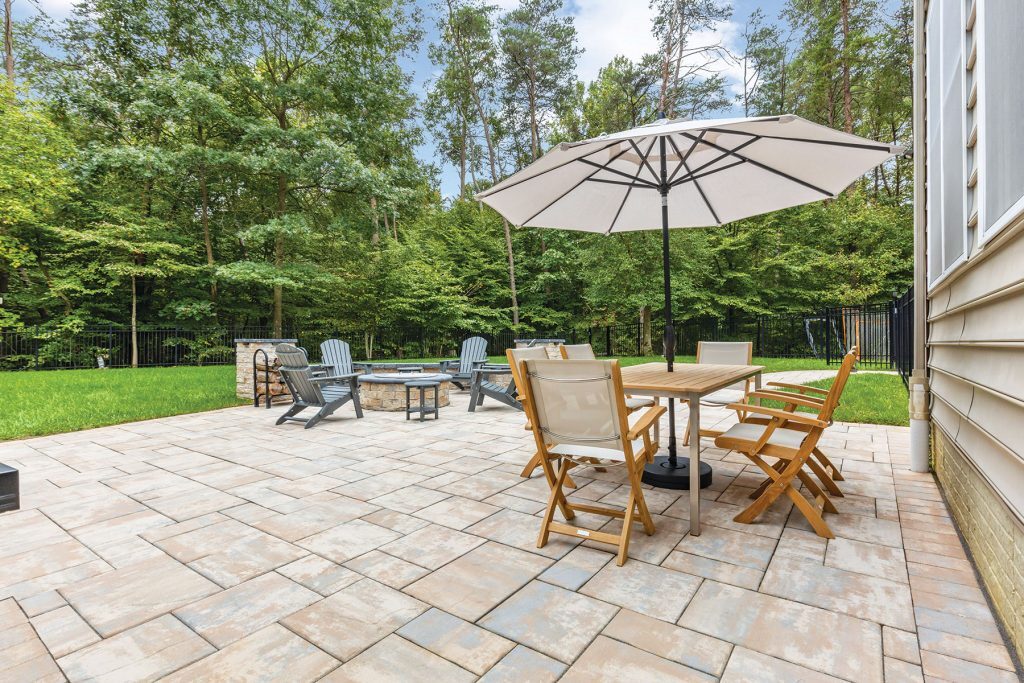
Two patios with the same square footage can carry very different prices because the properties may require different amounts of preparation or the contractors may be quoting different scopes.
Consider two 400-square-foot patios. One sits on relatively level ground with wide access from the driveway. The other replaces an existing concrete slab behind a narrow gate, where drainage needs attention, and a curved design requires extensive cutting.
The completed areas measure the same. Building them does not require the same work.
Price differences may come from:
Online averages cannot inspect the yard, evaluate access, determine existing conditions, or identify what must happen beneath the surface.
Price tells you the total. Scope tells you what you're getting for it.
A lower estimate doesn't necessarily mean the same patio for less money. Make sure each proposal covers similar work before evaluating the totals side by side.
Ask each contractor to identify:
Nicolock manufactures paving stones rather than setting local installation rates. Your contractor evaluates property conditions and determines the labor, equipment, preparation, and related work needed at your home.
A detailed scope gives you far more useful information than two bottom-line numbers.
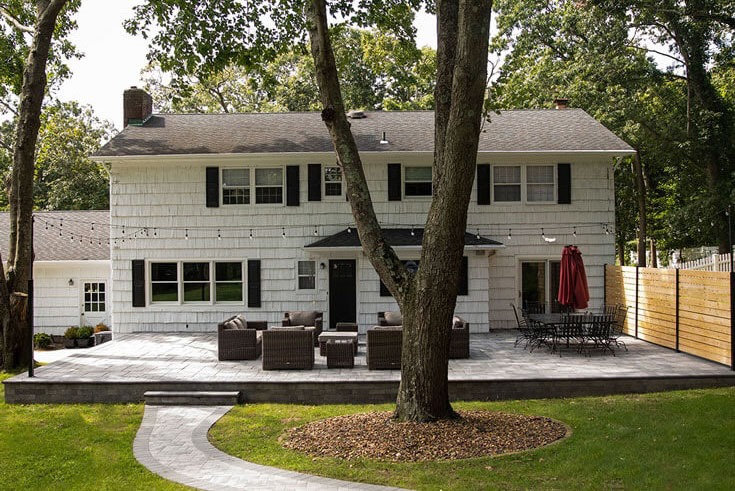
The paving stones you see represent only one part of the installation. Much of the construction that supports your patio disappears from view once the work is complete.
Nicolock's paving stone installation guidance covers layout, excavation, grading, sub-base preparation, aggregate placement, mechanical compaction, edge restraints, bedding sand, paver placement, cutting, joint filling, and final compaction.
Every stage requires materials, equipment, labor, or some combination of the three.
Product choice influences the material budget, but the installation requires more than paving stones.
Most patios also use:
Nicolock offers numerous sizes, shapes, textures, finishes, and color blends. Those options make it possible to coordinate a patio with your home's architecture, nearby walkways, pool areas, walls, steps, and surrounding landscape.
Dimensions matter too. Layouts requiring numerous cuts may need additional units to cover material waste.
Excavation creates space for the layers beneath the installed surface.
Crews may remove grass, soil, concrete, an older patio, or other materials before constructing the base. Excavated material must also be removed.
Level ground with open access generally requires less labor than a sloped yard, where workers must maneuver around fences, landscaping, structures, or tight entry points.
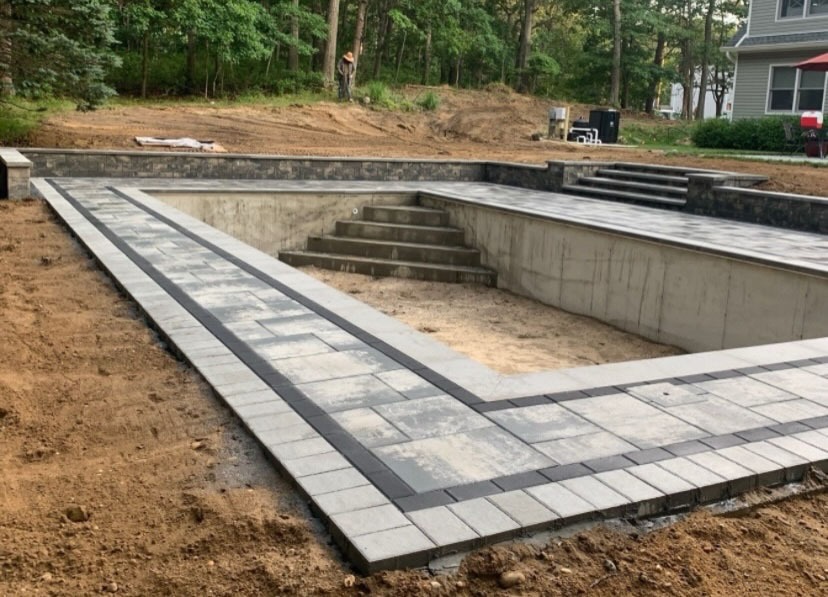
The structure underneath the paving stones accounts for an important part of professional installation.
Nicolock's installation guidance calls for aggregate to be placed uniformly and mechanically compacted. Bedding sand then creates the prepared layer for setting the pavers.
The retail price of a paving stone, therefore, represents only one part of an installed patio. Excavation, base construction, labor, equipment, and finishing remain part of the price even though most of that work disappears from view.
Building a patio involves much more than setting individual paving stones.
Depending on the yard and design, crews handle excavation, hauling, grading, aggregate placement, compaction, screeding, cutting, installation, joint filling, equipment operation, and cleanup.
Design decisions also change labor needs. Straight layouts typically require fewer cuts, while curves, borders, transitions, and detailed arrangements take additional time.
Grading directs water according to conditions around the patio and surrounding property.
Nicolock's installation instructions call for establishing the proper grade, slope, or pitch for drainage. Existing water concerns, changing elevations, nearby structures, and other property characteristics may require additional work.
Square footage alone cannot account for those needs.
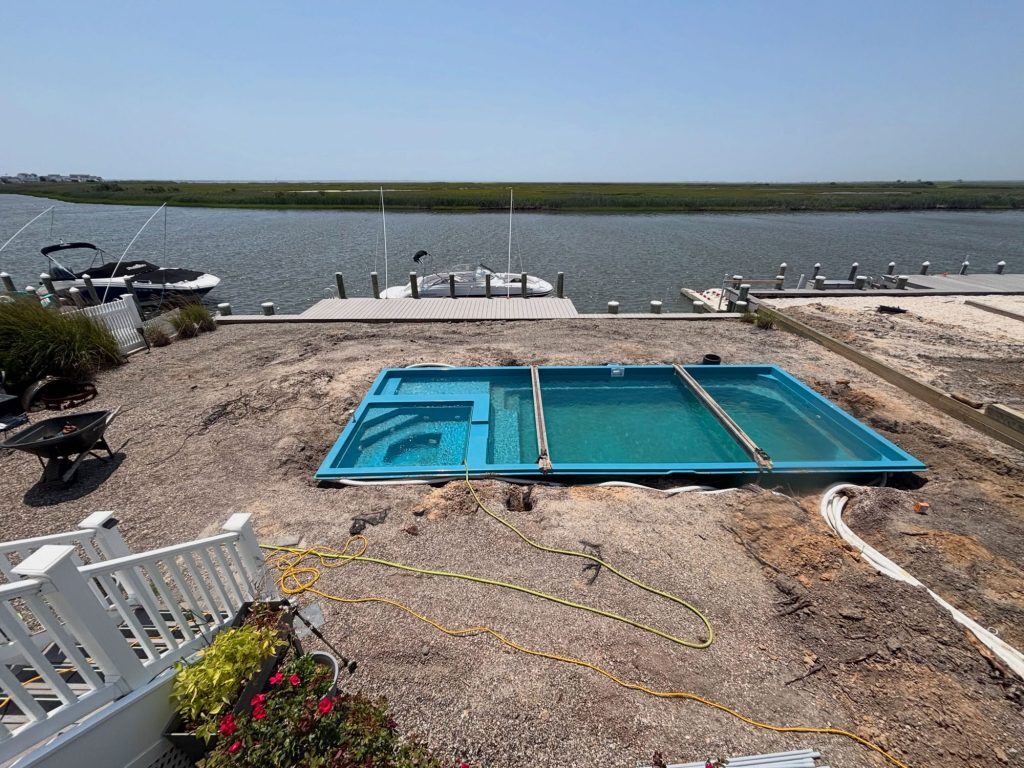
Knowing how a patio is built makes it easier to understand why your paver patio cost may differ from a figure you found online.
Larger areas generally require more paving stones, aggregate, bedding material, joint sand, edge treatment, and labor.
Dimensions should also match how you intend to use the backyard. A café table needs much less room than an outdoor dining set, grill station, lounge area, and fire feature.
Choose a footprint based on useful space rather than simply making the patio as large as the budget allows.
Size, texture, finish, color, format, and collection influence material pricing and installation needs.
Nicolock offers traditional shapes, multi-size systems, larger contemporary formats, premium finishes, and environmental options. Many collections also feature paver-shield™ technology.
Paving stones manufactured with paver-shield™ have an ultra-dense surface with rich color throughout the unit. The technology is built into the manufacturing process rather than applied as a topical sealer.
Consider appearance, application, performance, and price as a whole when choosing materials.
Layout changes cutting requirements, material waste, and labor.
A rectangular area usually calls for fewer cuts than tight curves or intricate transitions. Borders, accent bands, multiple sizes, and complex patterns may require additional material and installation time.
You do not have to sacrifice creative design to control the budget. Instead, prioritize the details that contribute most to the look you want.
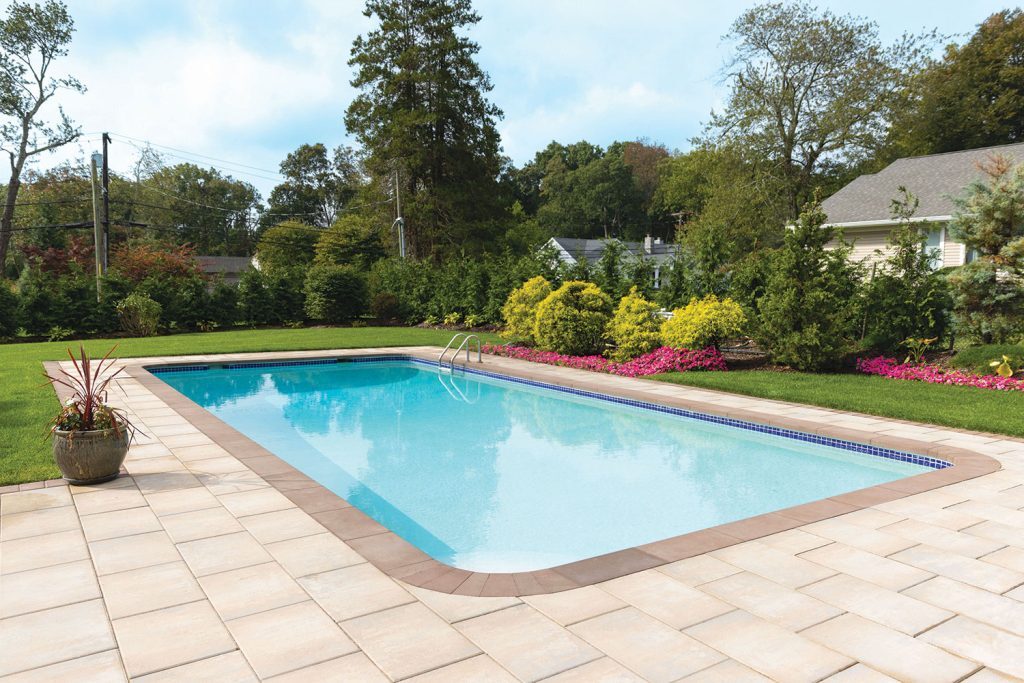
Replacing an old patio may require demolition before new construction starts.
Removing concrete can involve breaking the slab, loading debris, hauling material, and paying disposal fees. Old pavers or other hardscape may need to come out as well.
Conditions uncovered beneath the previous surface could require further preparation.
Soil, grade changes, drainage patterns, roots, landscaping, and nearby structures determine how much preparation a yard needs.
Site preparation should reflect the property, not a standard formula applied everywhere.
An on-site evaluation becomes particularly useful when internet averages seem much lower than the estimates you're receiving locally.
Limited backyard access can add labor because crews may need smaller equipment or more manual material handling.
Direct machinery access from a driveway creates a different working environment than a fenced yard reached through a narrow side gate.
Pallets, aggregate, tools, excavated soil, and equipment all need a route through the property. The easier that movement is, the more efficiently crews can handle materials.
Regional differences influence installed pricing.
Labor rates, material availability, climate, soil, local regulations, disposal expenses, and contractor demand vary across markets.
National figures help you establish an initial budget. Once you're ready to price the work, local estimates provide information based on conditions in your area.
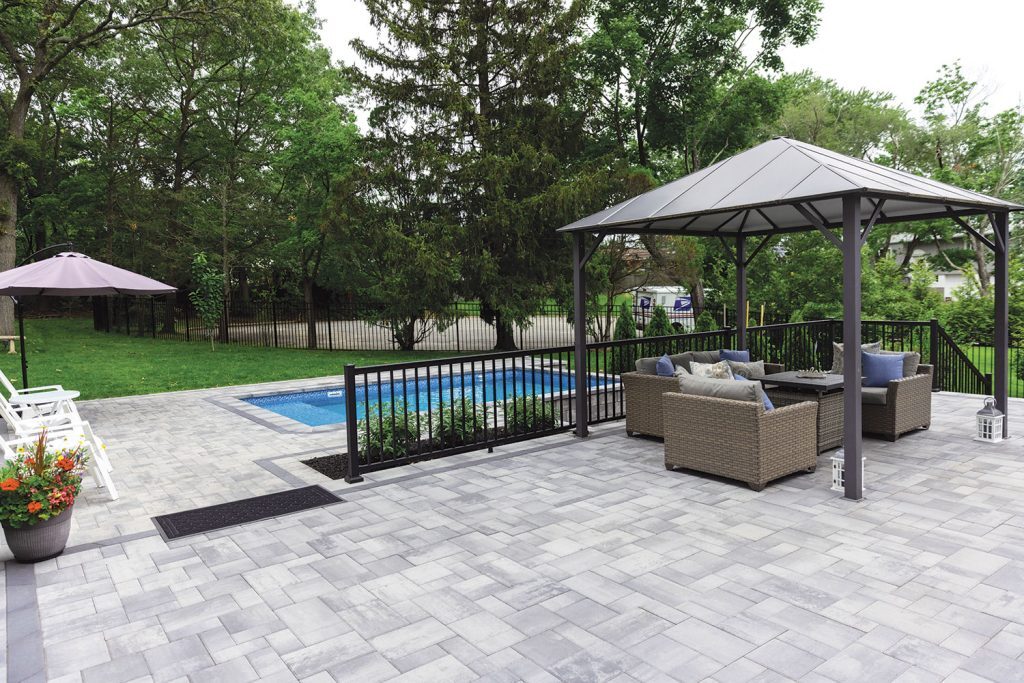
A cost calculator gives you a quick sense of patio scale and material quantities, but it cannot determine the installed price for your property.
Start by measuring the length and width of the intended area. A rectangular 16-by-20-foot space, for example, contains 320 square feet.
Nicolock's online Paver Calculator goes beyond basic area measurement. Enter the dimensions, desired sand-base depth, and paving stone size, and the tool estimates paver quantity and sand requirements. Calculated totals include a standard 10% waste allowance.
Use the calculator for:
Digital tools cannot assess excavation, soil, grading, drainage, demolition, equipment access, local labor, or installation complexity.
Use the results to understand quantities and scale. Then have a contractor evaluate the property and determine the remaining work.
A per-sq-ft patio price may cover materials and installation, but don't assume every contractor calculates that rate the same way.
Check whether the figure includes:
Demolition, drainage corrections, difficult access, disposal, steps, walls, lighting, and other features may appear separately.
A $20 per square foot rate from one proposal cannot automatically be weighed against $25 from another. The higher figure could include work omitted from the lower bid.
Ask what each rate covers before deciding which offers greater value.
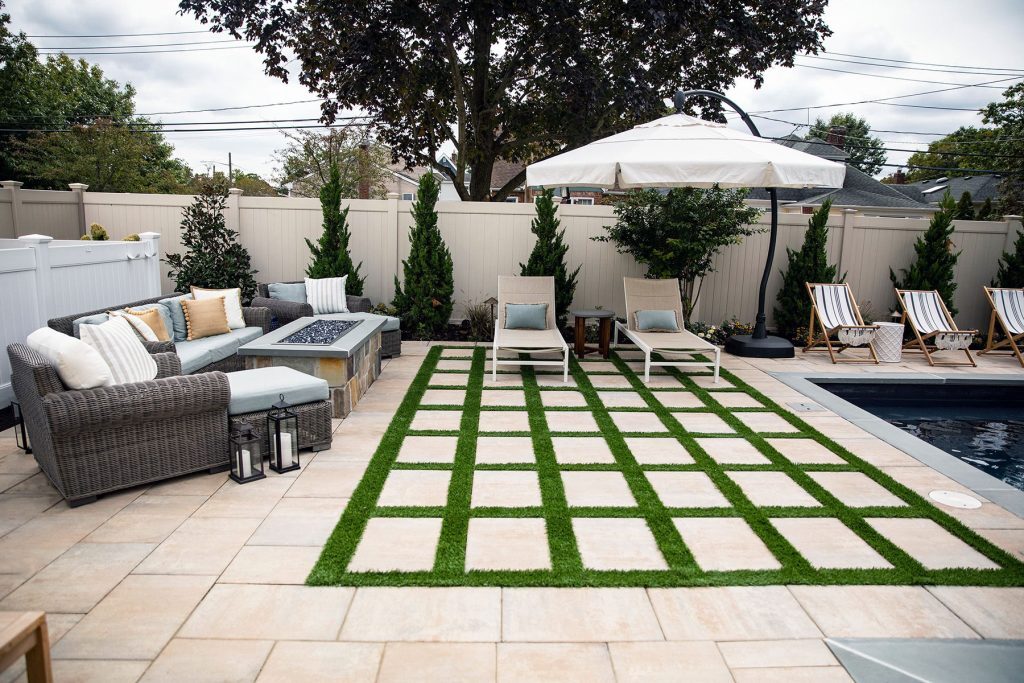
Think beyond the patio surface before finalizing its dimensions. How you expect to spend time outside should guide the layout.
Will you grill nearby? Could a fire feature become an evening gathering area? Does a walkway need to connect with the pool? Would seating walls define a conversation space?
Your plans might include:
Considering those uses before construction shapes dimensions, traffic flow, transitions, utilities, grades, and adjoining hardscape.
You do not need to build everything at once. Designing with future additions in mind allows today's patio to fit comfortably with what you may add later.
Material selection allows you to make the space distinctly yours.
Nicolock offers paving choices for a wide range of architectural styles and outdoor settings, including paver-shield™ collections, Nicostone products, environmental systems, traditional formats, contemporary slabs, varied textures, and extensive color blends.
Consider four questions while narrowing the choices:
For applicable collections, paver-shield™ provides an ultra-dense surface with color throughout the paving stone. Nicolock also offers environmental pavers for applications where permeable design is appropriate.
Seeing full-size samples in person gives you a better sense of scale, texture, and how colors respond to natural light.
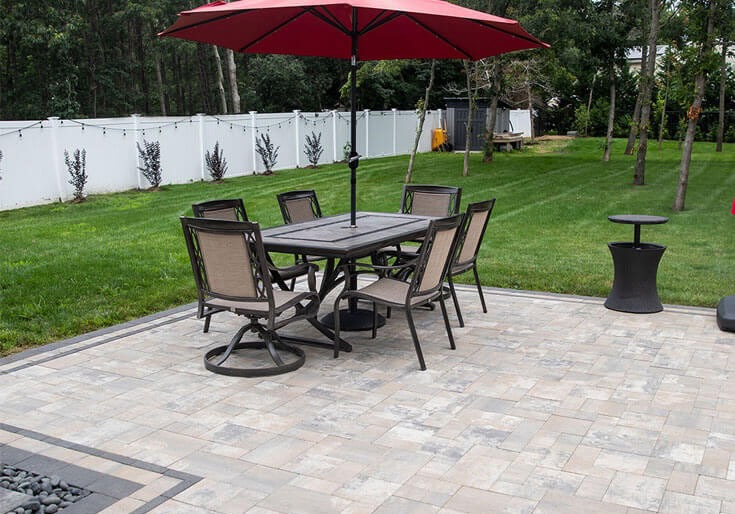
Initial price matters, but the value of a patio also shows up in how often you use it.
Weeknight dinners can move outdoors. Saturday grilling has room to spread out. Pool days offer a comfortable place to sit, while cooler evenings can end around the fire.
Concrete paving stones offer practical flexibility too. Individual units can be accessed or replaced when necessary, unlike a continuous poured surface.
Nicolock has spent more than 50 years manufacturing concrete hardscape products in the United States. Applicable products carry warranty coverage, including a transferable lifetime warranty on qualifying paving stones.
Coordinated pavers, wall systems, steps, borders, and related products also make future additions easier to tie into the existing design.
Consider material quality, installation, serviceability, appearance, and how you expect to use the backyard alongside the initial investment.
Review scope before focusing on the lowest number at the bottom of an estimate.
Use this checklist to see whether contractors are pricing similar work:
| Ask About | Why It Matters |
| Total square footage | Confirms the same area is being priced |
| Exact paving stone | Identifies the material included |
| Excavation | Shows what site preparation is covered |
| Base specifications | Clarifies construction below the surface |
| Grading and drainage | Identifies property-specific work |
| Demolition | Confirms whether removal is included |
| Edge restraints | Defines part of the installation system |
| Joint material | Clarifies finishing products |
| Pattern and borders | Helps explain added cutting or labor |
| Delivery | Shows whether transportation is separate |
| Debris disposal | Identifies hauling and removal costs |
| Steps, walls, or features | Separates added hardscape from patio pricing |
| Cleanup | Defines how the site will be left |
| Warranty | Clarifies applicable coverage after installation |
If one proposal comes in substantially lower, review each line before assuming it represents the same work at a better price.
Clear specifications for base construction, drainage, removal, materials, and finishing show where your money is going and make bids easier to evaluate.
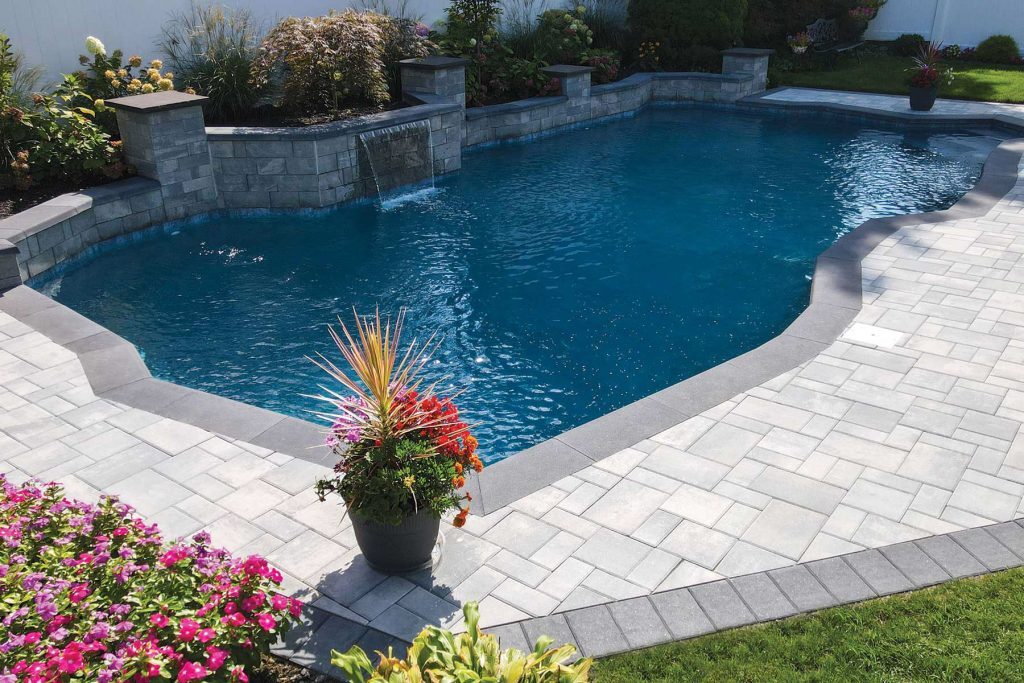
A 20x20 patio covers 400 square feet. Using the broad $10 to $30 range discussed above, an early 20x20 paver patio cost estimate would be about $4,000 to $12,000.
Local pricing may fall outside those figures based on product choice, labor, demolition, drainage, access, grading, and design. Map out dining, cooking, seating, and circulation areas before settling on 400 square feet so the dimensions fit how you want to use the space.
A 12x12 patio contains 144 square feet. Using the same broad range, you can estimate roughly $1,440 to $4,320.
Smaller patios don't always scale neatly by square footage because delivery, equipment, mobilization, and excavation still add up. Measure your intended furniture and leave enough room for comfortable movement before choosing the footprint.
The cost of paver patio installation covers much more than the visible paving stones. Excavation, aggregate, bedding material, compaction, edge restraints, cutting, joint sand, equipment, hauling, grading, and skilled labor may all contribute to the total.
Most of that construction disappears beneath or around the installed surface, but it remains part of what you're paying for.
Paving stones can have a higher initial installed price than basic poured concrete, depending on material choice, design, preparation, and local labor.
Concrete pavers provide greater flexibility in color, format, texture, and pattern. You can also access or replace individual units as needed. Consider appearance, repair options, maintenance, and intended use alongside upfront pricing.
No. A calculator estimates area and material quantities but cannot provide a dependable installed price for your property.
Nicolock's Paver Calculator uses dimensions, sand-base depth, and paver size to estimate materials. Final pricing still requires an assessment of soil, slope, access, demolition, drainage, grading, labor rates, and other site conditions.
Start with how you want to use the space, then choose dimensions that comfortably support those activities. Separate must-have elements from features you could add later and review paving choices with the complete design in mind.
When bids arrive, make sure they cover similar work. A useful budget balances size, materials, design details, proper preparation, and long-term use instead of focusing only on a square-foot figure.
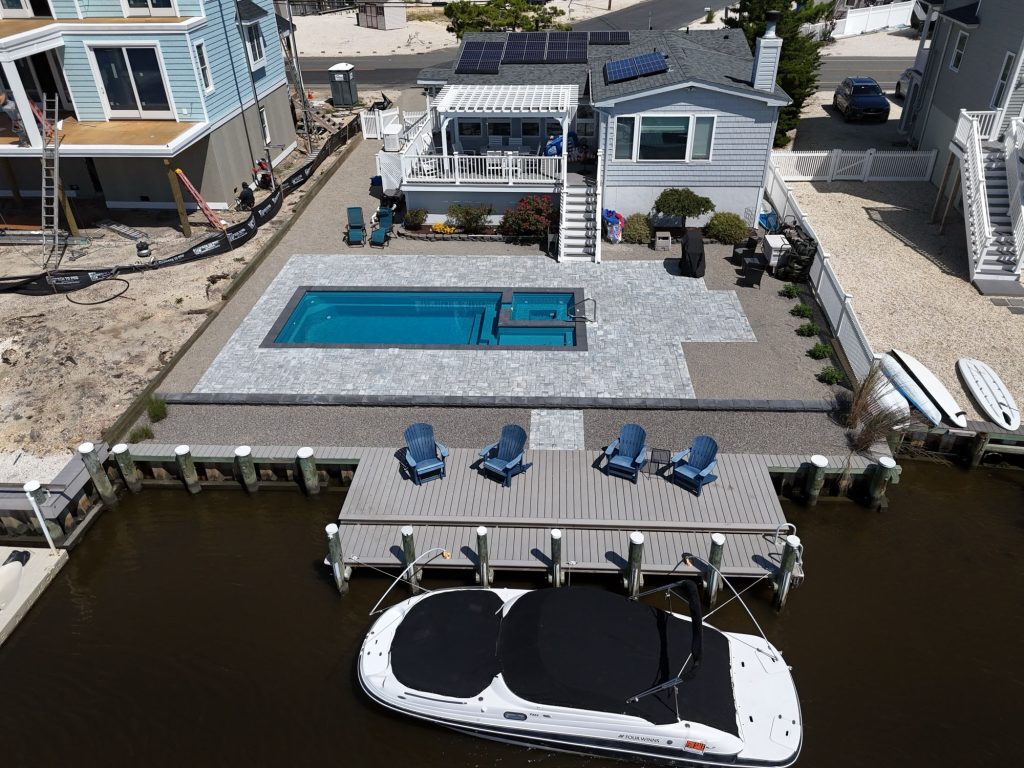
Once you establish a working budget, focus on the choices that give the space its character: paving stone size, texture, color, pattern, and layout.
Nicolock has manufactured concrete hardscape products in the United States for more than 50 years, offering pavers, environmental systems, Nicostone products, wall systems, steps, borders, and outdoor living features for coordinated residential designs.
Seeing full-size samples before selecting materials can help you judge scale, surface texture, color variation, and how each option works with your home's exterior.
Ready to begin? Visit a Nicolock Design Center to see products in person, find a local dealer for product availability, or connect with a qualified contractor for property-specific installation and pricing.