A driveway update can give you more room to park, make the front door easier to reach, and give your home a more finished look from the street. These driveway ideas cover everything from adding a parking bay or a defined walkway to choosing a new surface built for daily use.
Start with what you'd like to improve. If one car regularly blocks another, a side bay may free up the main lane. A dedicated walkway can give family and guests a safer route to the door by reducing the need to walk behind parked vehicles.
A well-prepared base and proper drainage help the surface hold up under regular traffic and changing weather. If you've noticed uneven areas or water pooling near the garage, bring those concerns up early. Addressing them while you plan the update can give you a more dependable driveway through heavy rain, winter weather, and everyday use.
At a glance:
| What you want to fix | One idea to consider | What to check first |
| One car blocks another | Add a side parking bay | Whether both drivers can leave independently |
| Passengers walk behind parked vehicles | Create a dedicated front walk | Where people step out and how they reach the entry |
| Backing down a long drive takes time | Add a turnaround near the garage | Room for your largest regularly used vehicle to maneuver |
| The pavement looks plain from the street | Add a contrasting apron or border | How the new paving meets what’s already there |
| Water pools near the garage | Have the grade and drainage evaluated | Where runoff can go during heavy rain or snowmelt |
Start with the change you'd use most. A path beside the passenger doors can help every time someone gets out. A turning bay may matter more if you regularly have to reverse all the way to the street.
On a narrow lot, park as you normally would and open the passenger door, trunk, and garage. Walk to the house from each side of the car. If the tight spot is where people unload, a short path beside the pavement may do more for you than widening the entire drive.
To test a side bay, sketch it next to the existing lane and mark the garage opening. With one car in the proposed space, trace the path a second driver would take from the garage to the street. Include room around the parked vehicle so someone can unload groceries or a stroller while the other car pulls out.
A widened area beside the garage can give you room to turn and leave facing the street. On a property with more frontage and suitable street access, a circular or horseshoe drive may offer a continuous route. Sketch the turning path with a guest's car in its likely spot. On a busy Saturday, you'll still want space to leave while friends are parked close to the house.
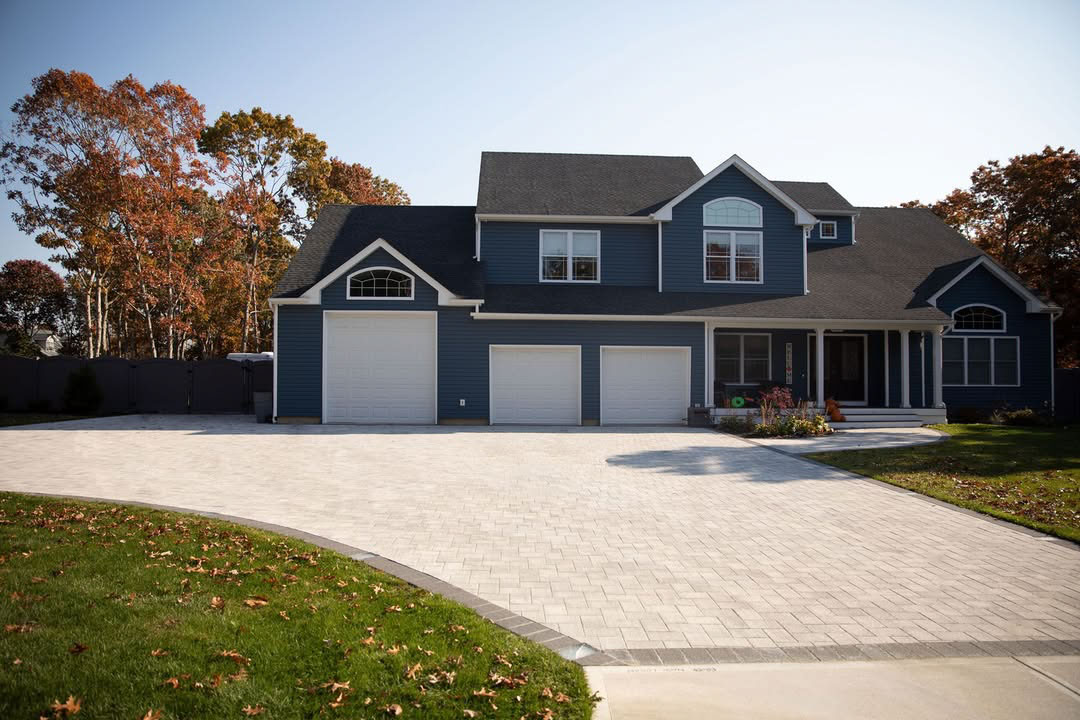
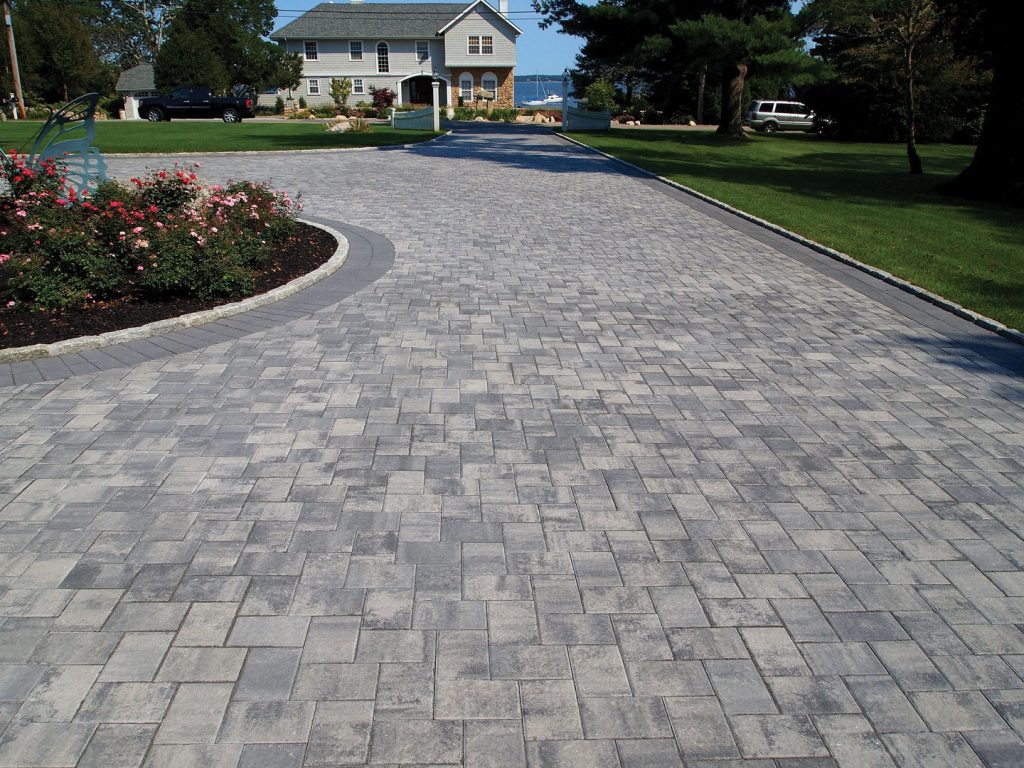
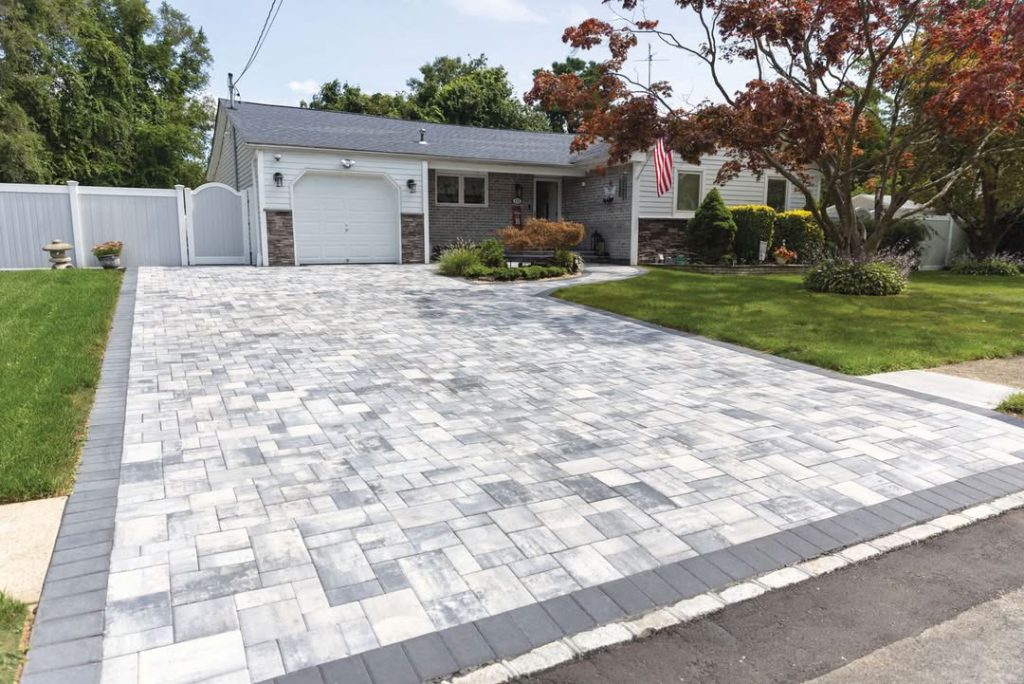
In a Nicolock project featured in August 2026, the drive curves around a planted island before meeting the front walk. Colonial Cobble in Granite City Blend spans the wider paved area, and a dark border follows the lawn. The planting brings greenery into the turn. On a shorter drive, the same border detail can define the edge where pavement meets grass. See the Colonial Cobble driveway project.
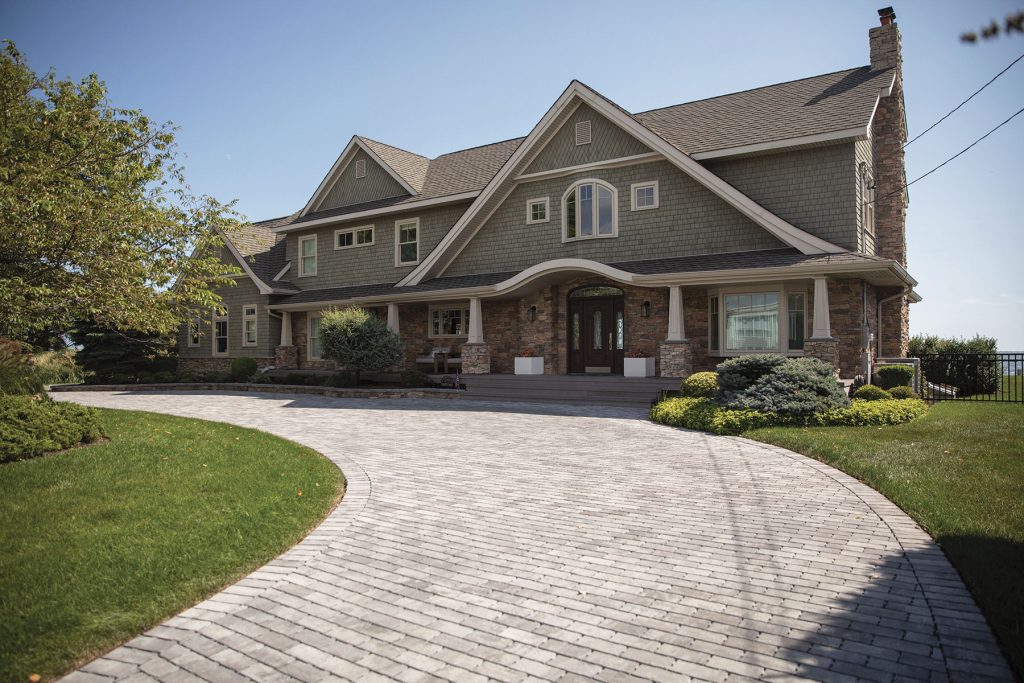
Gravel suits a long drive bordered by lawn or trees. Asphalt provides an even, dark backdrop, while the fine lines in broom-finished concrete can complement a house with simple trim. Concrete paving stones offer more choices in color and pattern, including blended grays that pick up tones in a stone façade. Once you have a look in mind, consider what it takes to maintain it year-round.
| Material | Where it fits | What to plan for through the year |
| Gravel | Long drives and projects with a tighter upfront budget | Rake displaced stone back into wheel tracks and replenish worn areas. Snow removal can move loose gravel. |
| Asphalt | A continuous, dark finish that pairs well with a contrasting apron | Look for cracks and worn edges after winter, especially where runoff follows the perimeter. |
| Poured concrete | A uniform finish on a straight or geometric drive | Plan joint placement and winter care. A future patch may differ in color from the original slab. |
| Driveway-rated concrete pavers | Projects where color, pattern, or replacing individual units matters | Plan for a base built for vehicles, edge restraints, and joint upkeep. Individual units can be lifted for a localized repair. |
| Permeable paving | Properties where runoff management is a priority and site conditions support it | Keep openings clear of sediment and debris. Plan where excess water will go when the system reaches capacity. |
For a house with traditional masonry, Colonial Cobble brings the look of cobblestone through rounded corners and blended tones. Blue Ridge Contemporary 80MM uses larger proportions that complement broad windows and long horizontal lines. Both use Nicolock's paver-shield™ technology, designed for lasting color and durability. Find more examples in Nicolock's paving stone driveway ideas and contemporary driveway designs.
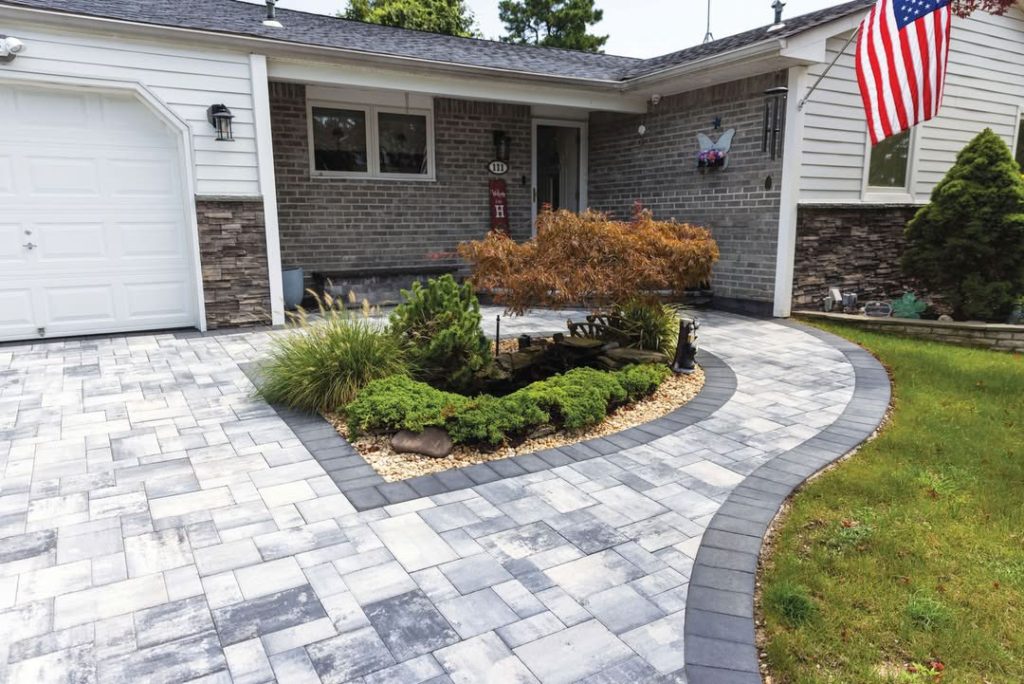
If the existing pavement is sound and drains well, a targeted update may be all you need. A dedicated front walk can give guests a clearer route to the door. A contrasting apron can define the entrance from the street, and a side bay can add parking without widening the entire drive.
Recurring cracks, uneven sections, or water collecting near the garage are reasons to look more closely at the base and grade. Have a contractor identify the cause before you choose a finish. If you're adding a parking bay or apron, ask how the new section will meet the existing pavement and where runoff will go once the work is complete.
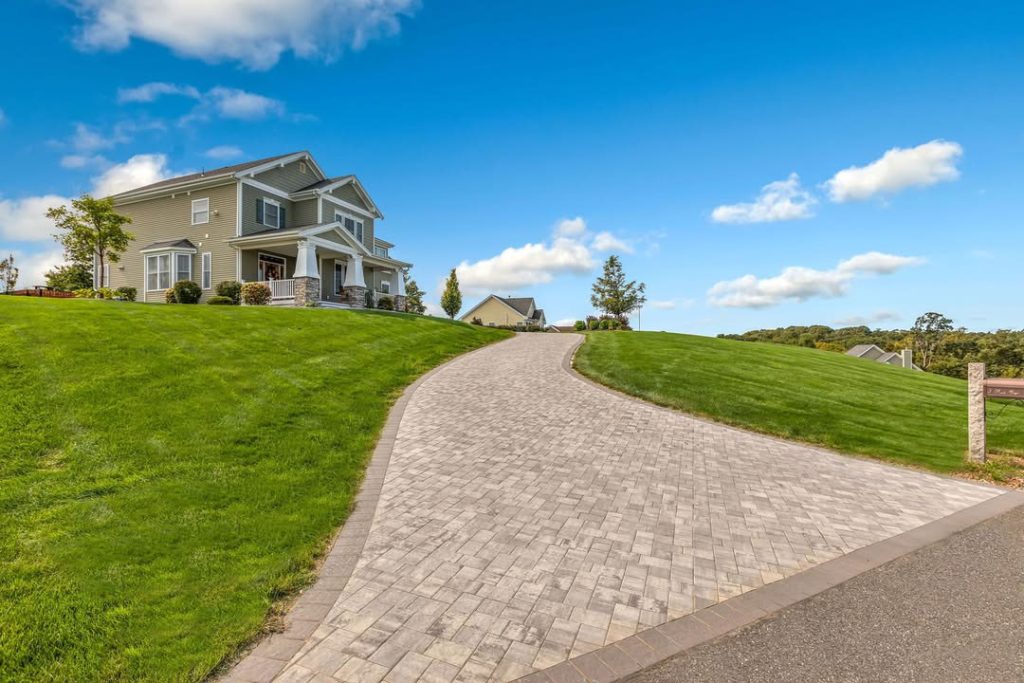
An apron is the section where the drive meets the street. A band of pavers can give an asphalt or gravel entrance a defined edge. Closer to the house, you can repeat that color where the front walk branches off, giving visitors a visual cue for where to go.
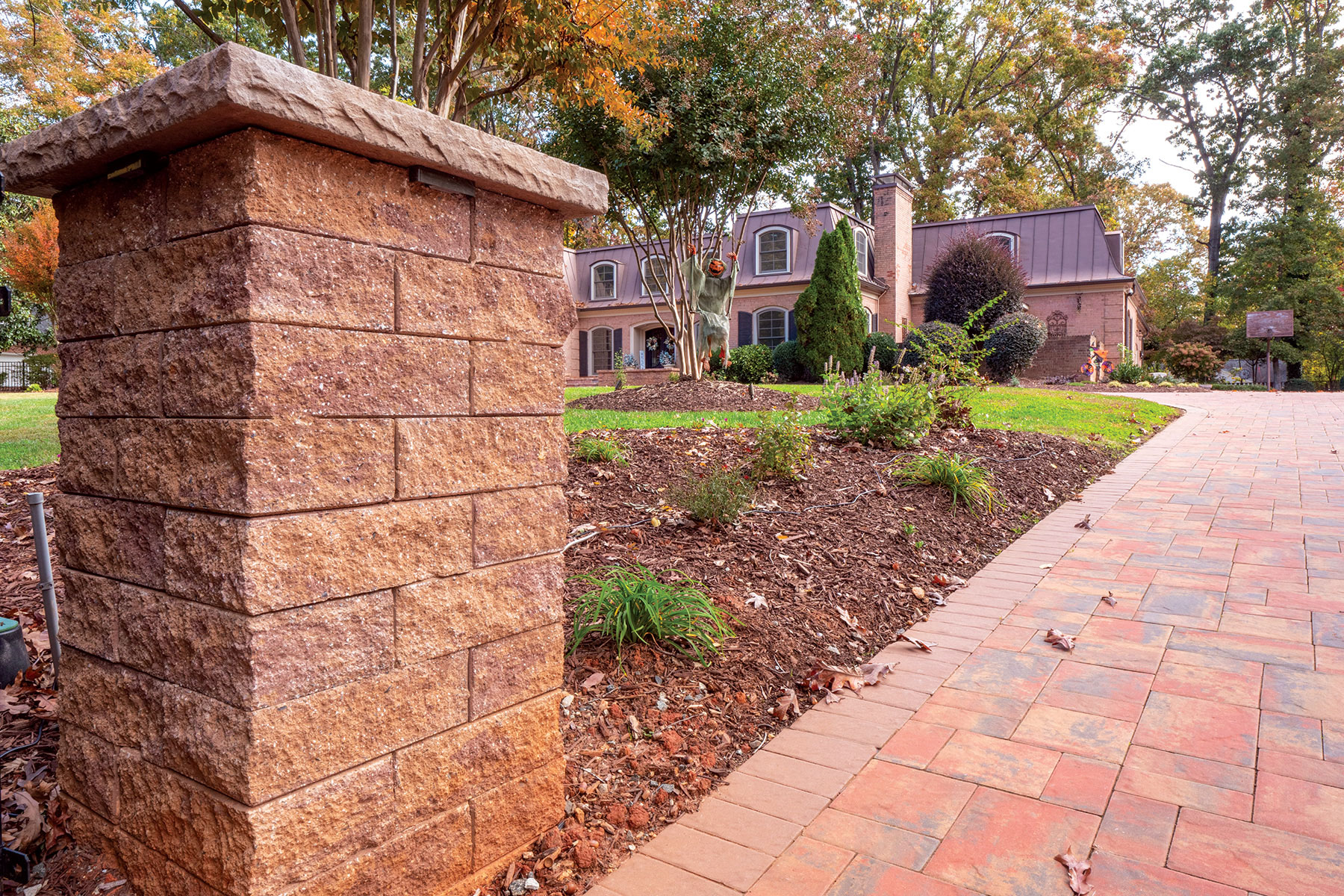
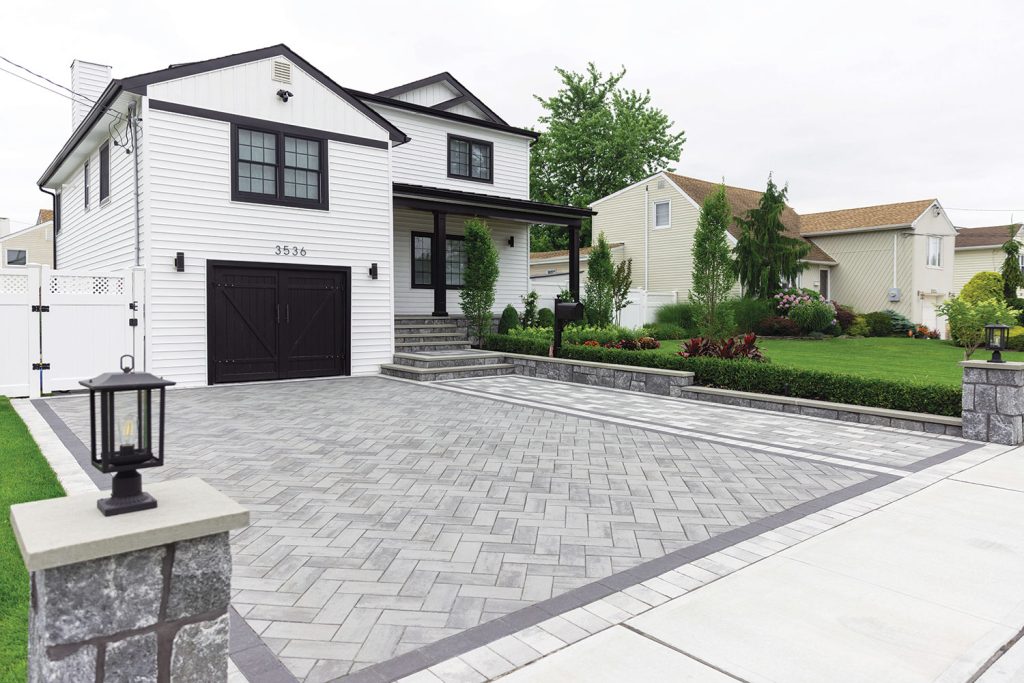
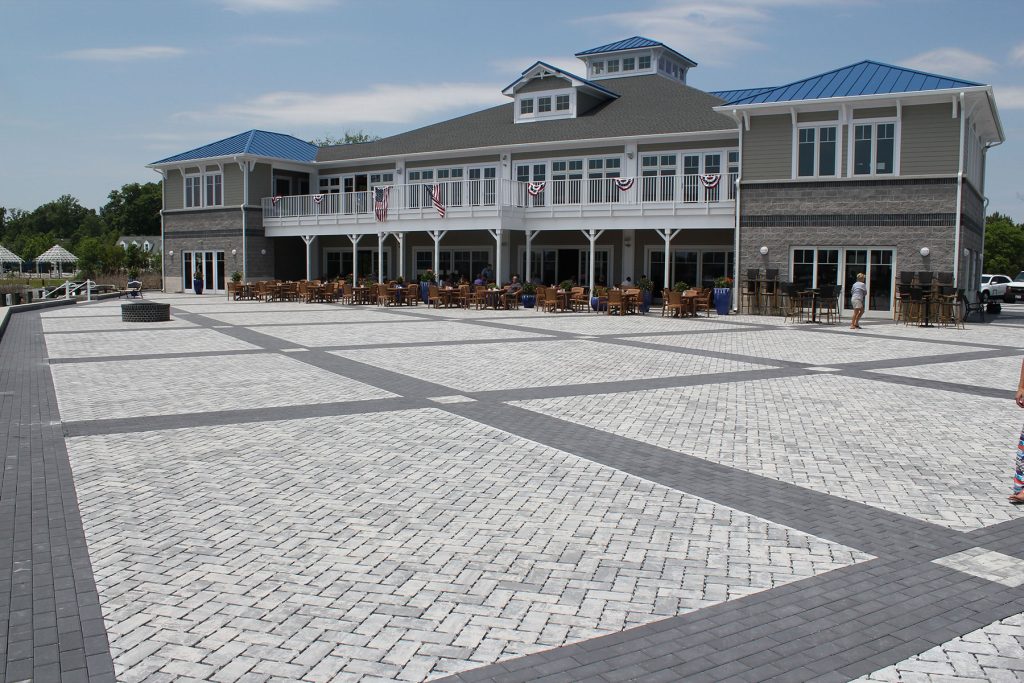
Nicolock's Rustico 6×9 project in Granite City Blend shows how you can use a gray palette across the paved area near the home. If your driveway and walkway use different materials, try repeating one shade where they meet. A charcoal band against lighter paving, for example, can mark the beginning of the walk. See the Rustico driveway project.
Think about where a guest needs light after an evening on the patio. The turn from the street, a step along the walk, and the spot where passengers get out are good places to start. Low, shielded fixtures can mark those points while limiting glare for drivers. Check the view from the car after dark and leave enough room beside each fixture for swinging doors or a shovel.
After a storm, check the garage threshold, the low side of the pavement, and where the walkway meets the drive. Photograph any puddles or lines of sediment. They give an installer a starting point for tracing runoff and assessing the grade. While you're reviewing the site, ask how the base will support the vehicles you use and how the contractor will protect the edges where tires turn.
A permeable system needs a base that can receive water and a route for overflow. Its openings also need periodic cleaning to keep sediment from clogging them. For other finishes, confirm how to clear snow and which deicing products suit the material. Those details are worth settling before the first freeze. Read Nicolock's guide to driveways in freeze-thaw climates.
Yes. Lighting along the front walk or a low planting bed beside the pavement can change what you see from the street without disturbing a sound drive. If you're adding paved area, have the installer explain how the old and new sections will meet and whether the work will change where rainwater drains.
Start with firm, even options such as asphalt, poured concrete, or driveway-rated pavers. Look at the transitions as well as the material. A raised edge or an abrupt change in height can interfere with the blade. If you prefer gravel, talk to your snow removal provider about settings or equipment that limit stone displacement.
Two paved tracks can suit a straight, lightly used drive where you want to keep some planting or lawn between the wheel paths. Plan a firm place to step out near the house. If you regularly park two vehicles side by side or need to turn near the garage, sketch a wider pad in that part of the property.
A driveway gives you a chance to carry your home's character all the way to the street. That might mean a planted curve that softens a long approach, a paver border that brings out the color of your home's stonework, or a front walk that gives guests a clear path to the door. Bring a favorite project photo and a rough sketch to a Nicolock contractor who can help you choose materials and plan an entrance you'll enjoy using through summer gatherings, rainy mornings, and the first snowfall.