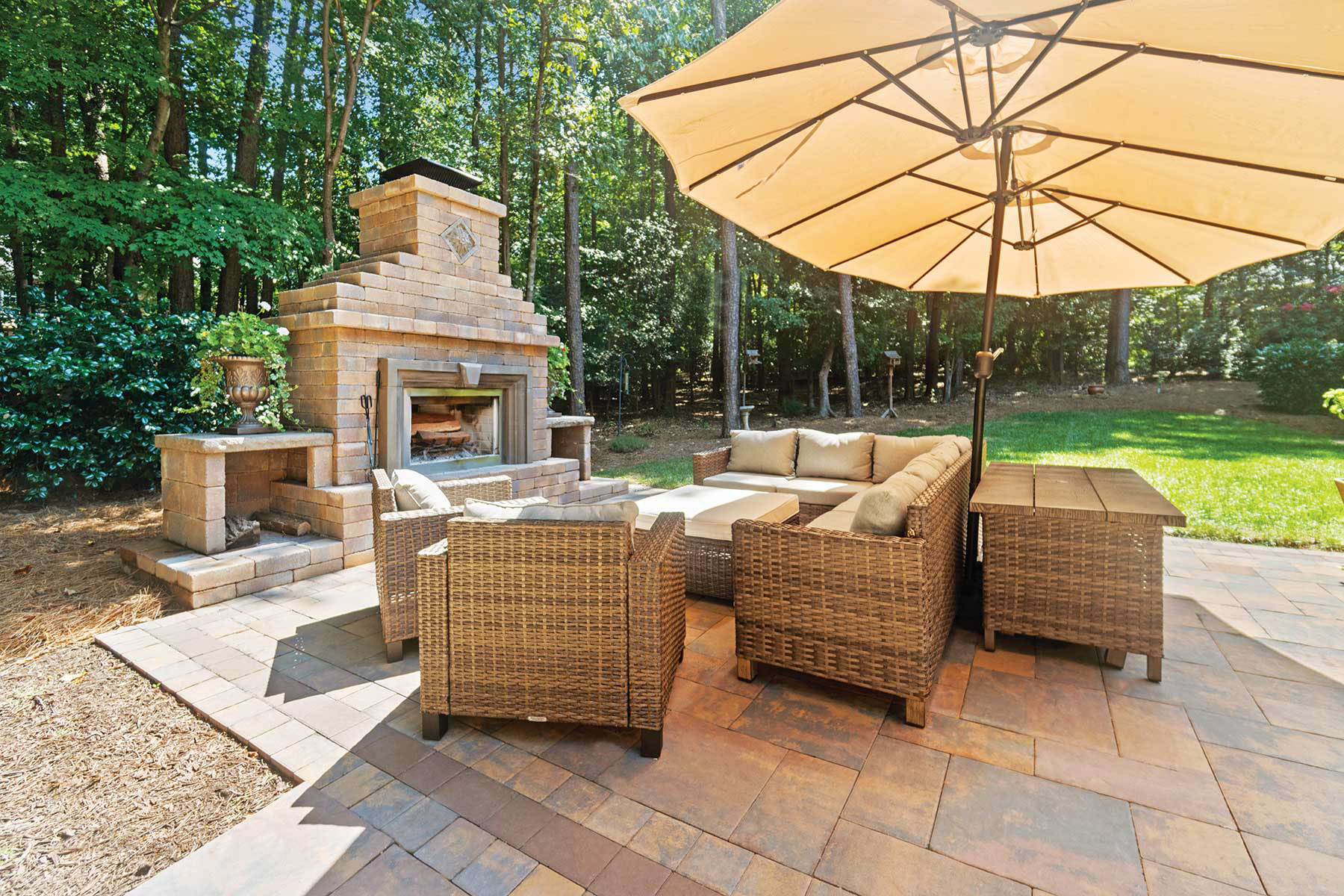
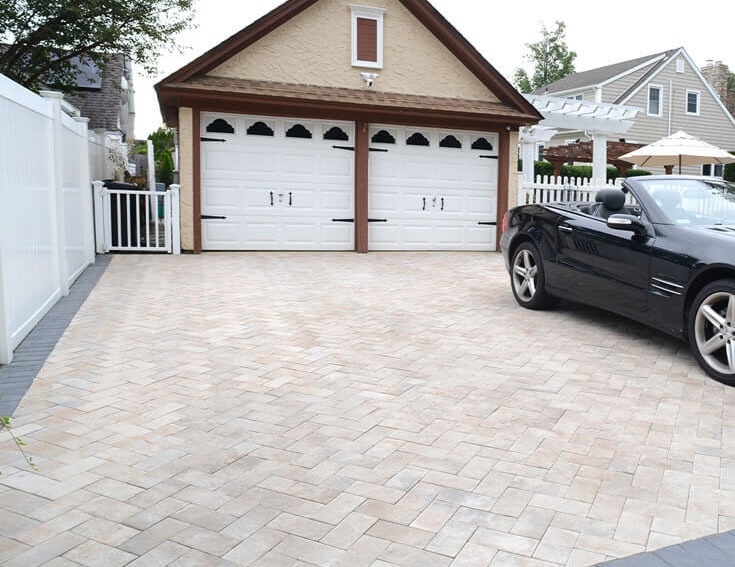
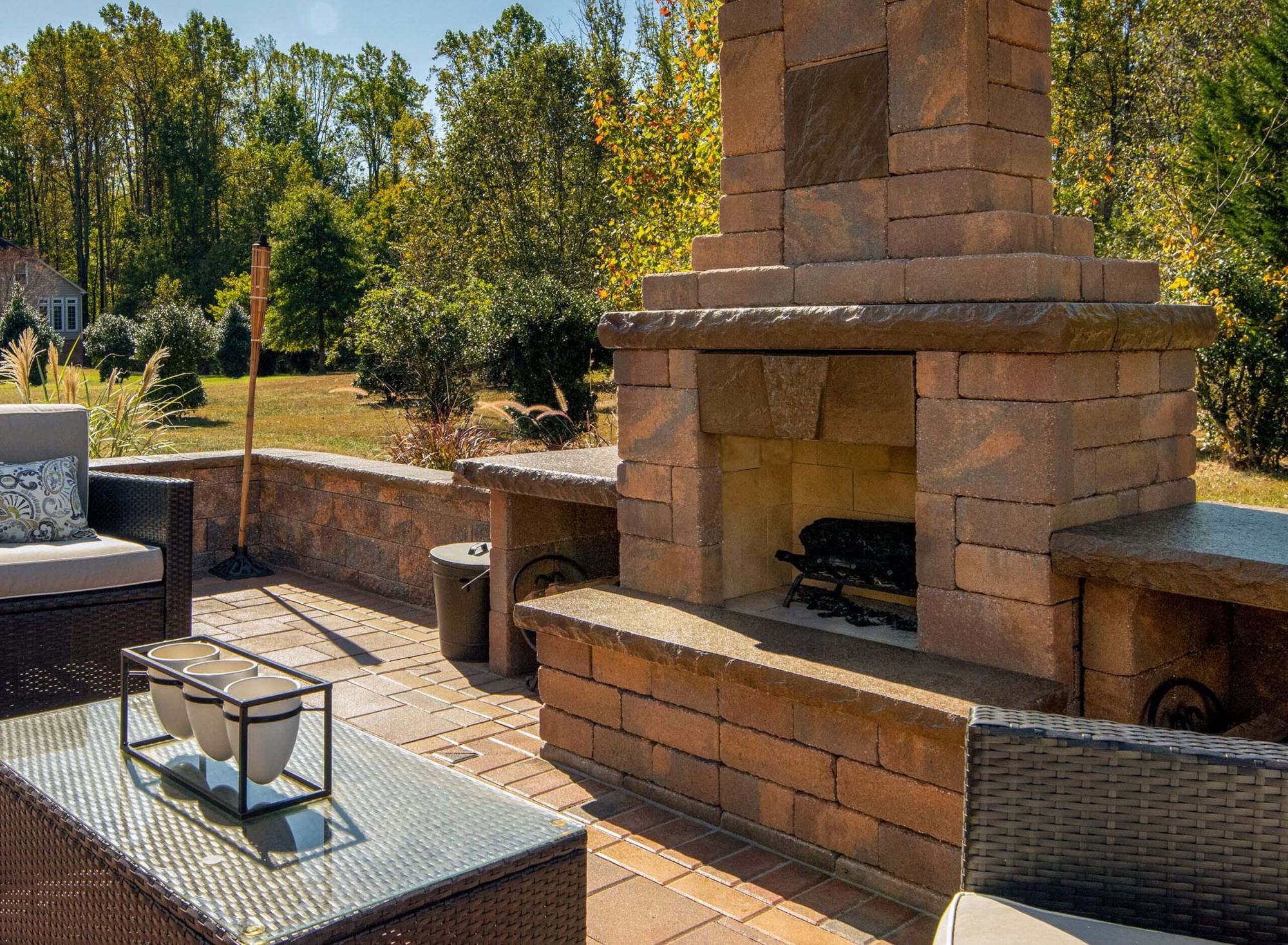
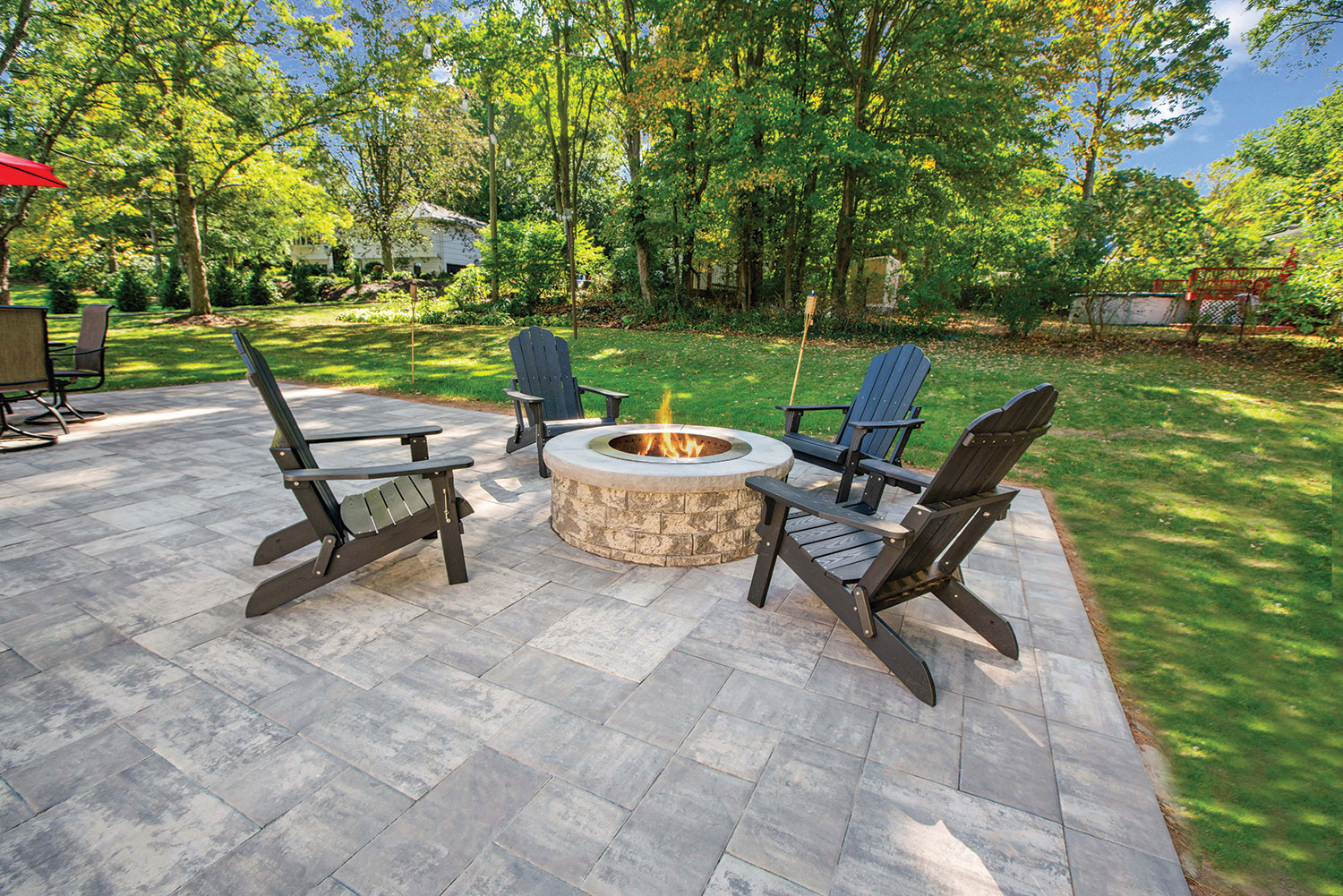
If you are researching how to seal pavers, proper protection is essential to preserve both appearance and performance. Nicolock Paving Stones patio pavers are among the most durable and versatile options for patios, walkways, and driveways, but even high quality materials benefit from sealing.
Understanding how to seal a patio correctly helps prevent fading, staining, shifting, and weed growth. Using a professional grade paver sealant along with the right joint sand strengthens the surface, enhances color, and protects your investment for years to come.
When learning how to seal pavers, it is important to combine a high quality paver sealer with proper joint stabilization. Sealing your patio or driveway and using paving sand in the joints creates a strong protective barrier that helps defend against moisture, stains, and surface wear.
If you are wondering how to seal a patio for long term performance, apply polymeric sand to the joints and wait six to twelve months after installation before sealing. Reapply sealer every three to five years to maintain protection, enhance color, and extend the lifespan of your pavers.
Timing plays a key role when learning how to seal pavers properly. In most cases, you should wait six to twelve months after installing new stones before applying a brick pavement sealer or patio paver sealer. This allows the surface and joint sand to fully settle and stabilize.
If you are planning how to seal a patio for lasting results, resealing every few years will help maintain color, resist stains, and keep your patio or driveway looking its best.
When learning how to seal pavers, start by choosing a water based or solvent based sealer and selecting your preferred finish, such as matte or glossy. If you are deciding how to seal a patio that looks faded, a color enhancing sealer can help restore depth and vibrancy.
Basic steps for sealing brick pavers and patio pavers:

As part of learning how to seal pavers, address any wear or loose joints before applying sealer. Fill gaps with paver sand or paving locking sand to stabilize the surface. If you are preparing for how to seal a patio properly, polymeric sand is an ideal choice. When activated with water, it hardens in the joints to help prevent weed growth, shifting, and insect intrusion.
Steps for sanding paver joints:
By sanding pavers regularly, you can reinforce stability and extend the life of your patio or walkway.

To get the most out of your paver cleaning and sealing project, follow these rules of thumb:
Whether you have Calstone pavers, Nicolock pavers, or another brand, applying sand & seal is the key to preserving their beauty and function. A combination of sand between pavers and a durable sealer for patio pavers prevents shifting and damage while enhancing color and finish.
With the right approach to sanding paver joints and applying brick pavement sealer, your patio will stay attractive and strong for years to come.
To seal patio pavers, start by cleaning the surface thoroughly and allowing it to dry completely. Once dry, apply a quality paver sealer evenly using a roller or sprayer. Make sure to cover all areas, and let the sealer cure for 24–48 hours before using the patio. Knowing how to seal pavers properly ensures long-lasting protection against stains, moisture, and fading.
The process of sealing brick pavers begins with removing any dirt, weeds, or debris. Pressure wash the surface to eliminate grime, then let it dry fully. Once clean, apply a penetrating or film-forming sealer to the brick pavers. This helps protect against stains, fading, and water damage while enhancing the color and appearance of the surface.
Mark your desired path and space the stepping stones to match a natural stride. Trace each stone, dig to its depth, and add a thin layer of sand or gravel for stability. Set the stones level with the ground, then fill around the edges with soil or gravel to secure them and create a clean garden walkway.
Yes, it’s highly recommended to seal patio pavers after installation. Sealing patio pavers helps protect them from stains, water absorption, and fading caused by sun exposure. For best results, learn how to seal pavers correctly and reapply the sealer every few years to maintain your patio’s durability and appearance.