The best paver walkway ideas do more than create an attractive route across your property. A successful path welcomes visitors, supports comfortable movement, connects outdoor destinations, and complements the architecture already in place. Yet choosing a design can become difficult once you begin comparing formats, colors, patterns, borders, and layouts.
Instead of copying a photograph, start with the way your household uses the property. A front entrance has different needs than a garden route or side-yard passage. Once the purpose becomes clear, decisions about width, shape, paving style, and supporting features become much easier.
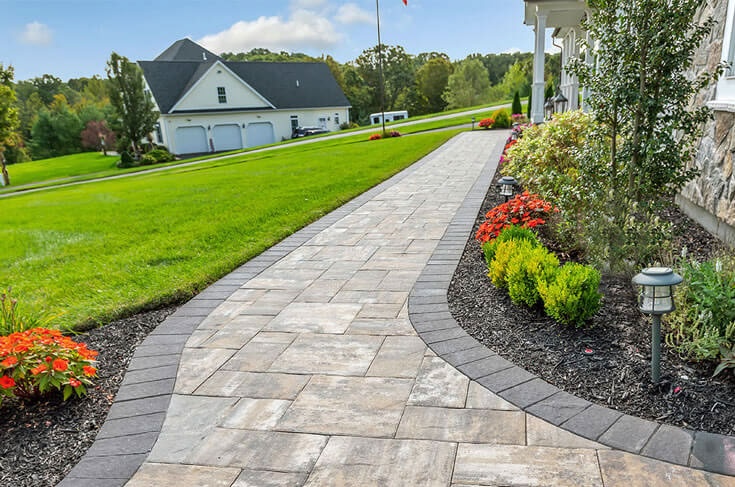
Before comparing products, evaluate four parts of the project: destination, movement, setting, and connection.
Where does the path lead?
A primary entrance should provide a clear, welcoming approach. Garden routes may move at a slower pace, while access between a patio and pool needs to support frequent foot traffic.
Who will use the path, and what will they carry?
Consider whether two people should walk side by side. Account for groceries, garden supplies, outdoor serving trays, pool accessories, and other items that may travel along the route.
Which architectural and landscape features surround the project?
The exterior of the house, nearby masonry, existing pavers, mature plantings, and property scale should guide product selection.
Which areas should feel related?
A walkway can repeat a patio border, draw from driveway colors, or coordinate with future hardscape additions. Planning these relationships now helps the property develop as one complete outdoor setting.
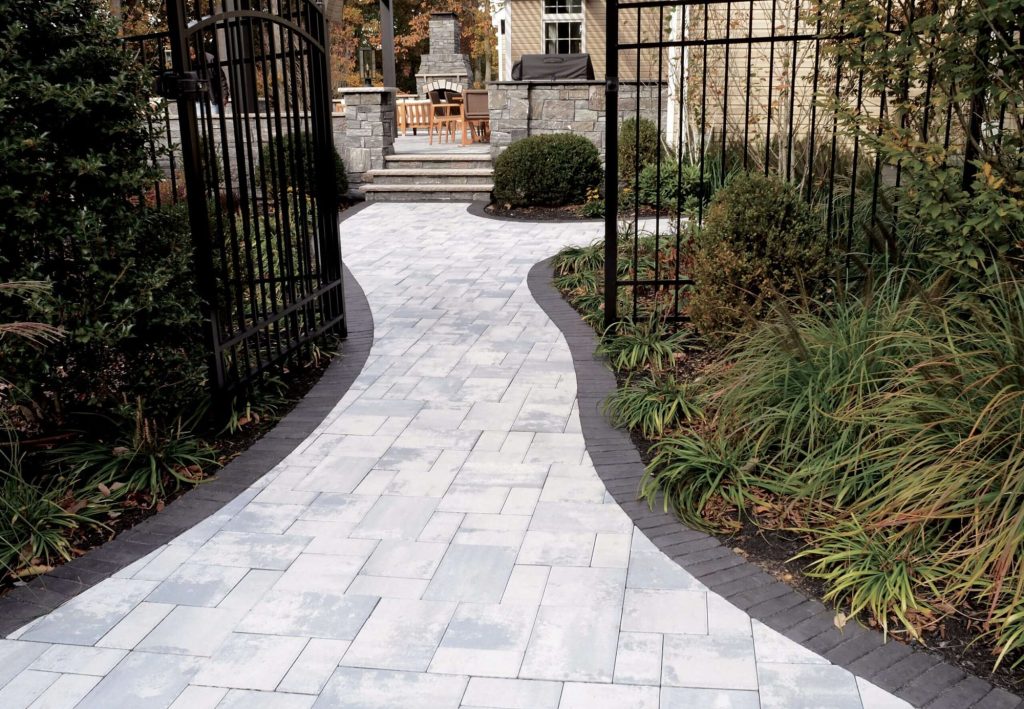
A walkway should solve a functional need before it becomes a decorative feature. Define its job first, then shape the appearance around that role.
Common purposes include:
Several goals may apply to one project. For instance, an entrance path can improve curb appeal while giving visitors more room near steps and doors.
A front walkway introduces the home before anyone reaches the entry. Its width, direction, border, lighting, and relationship to the porch all influence that first experience.
Straight routes often complement formal facades and symmetrical architecture. Gentle curves can soften the approach or move naturally from a driveway that sits away from the front door.
Repeating tones from brick, stone veneer, siding, or roofing helps the finished surface belong with the house. Nearby plants should frame the route without narrowing it as they mature.
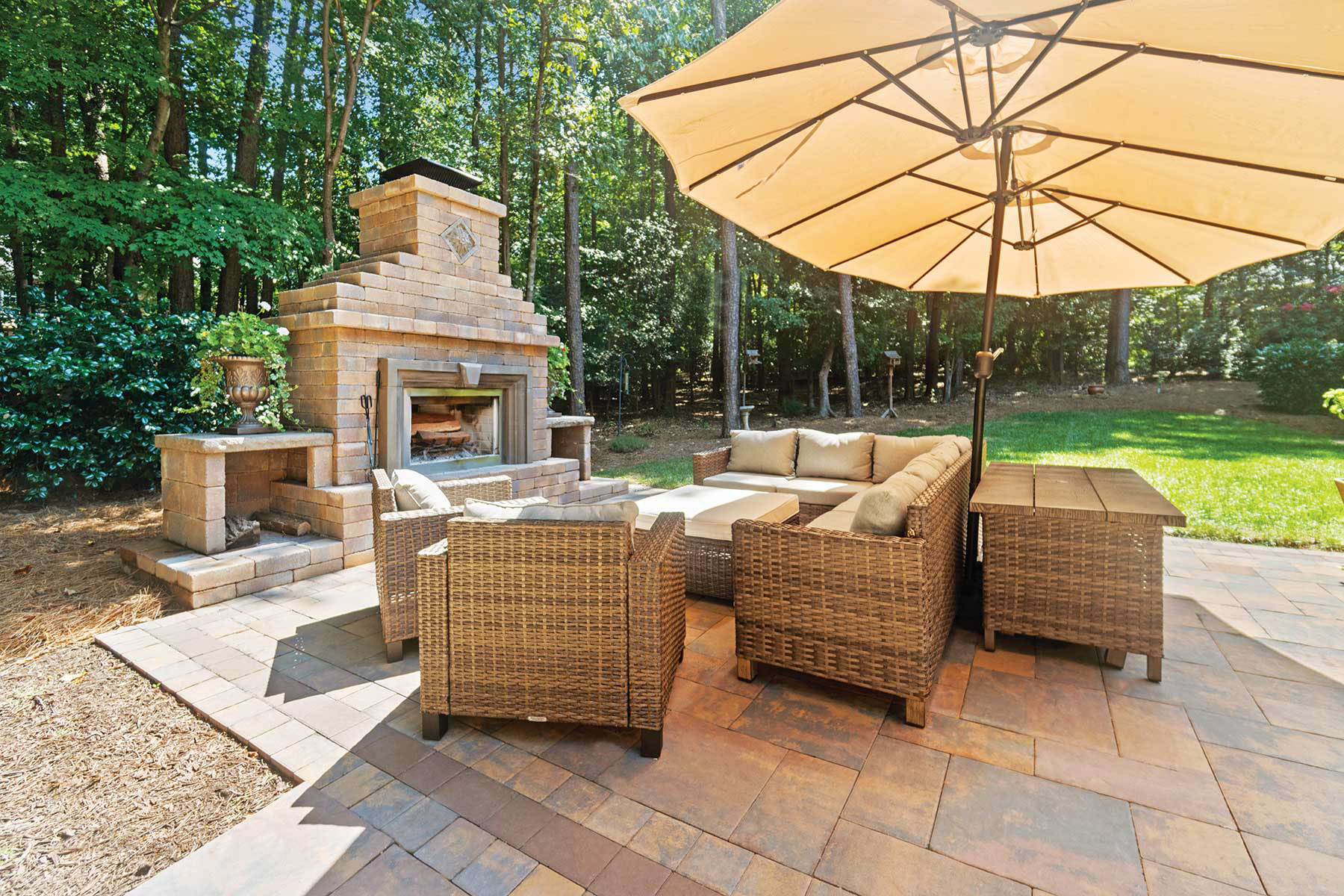
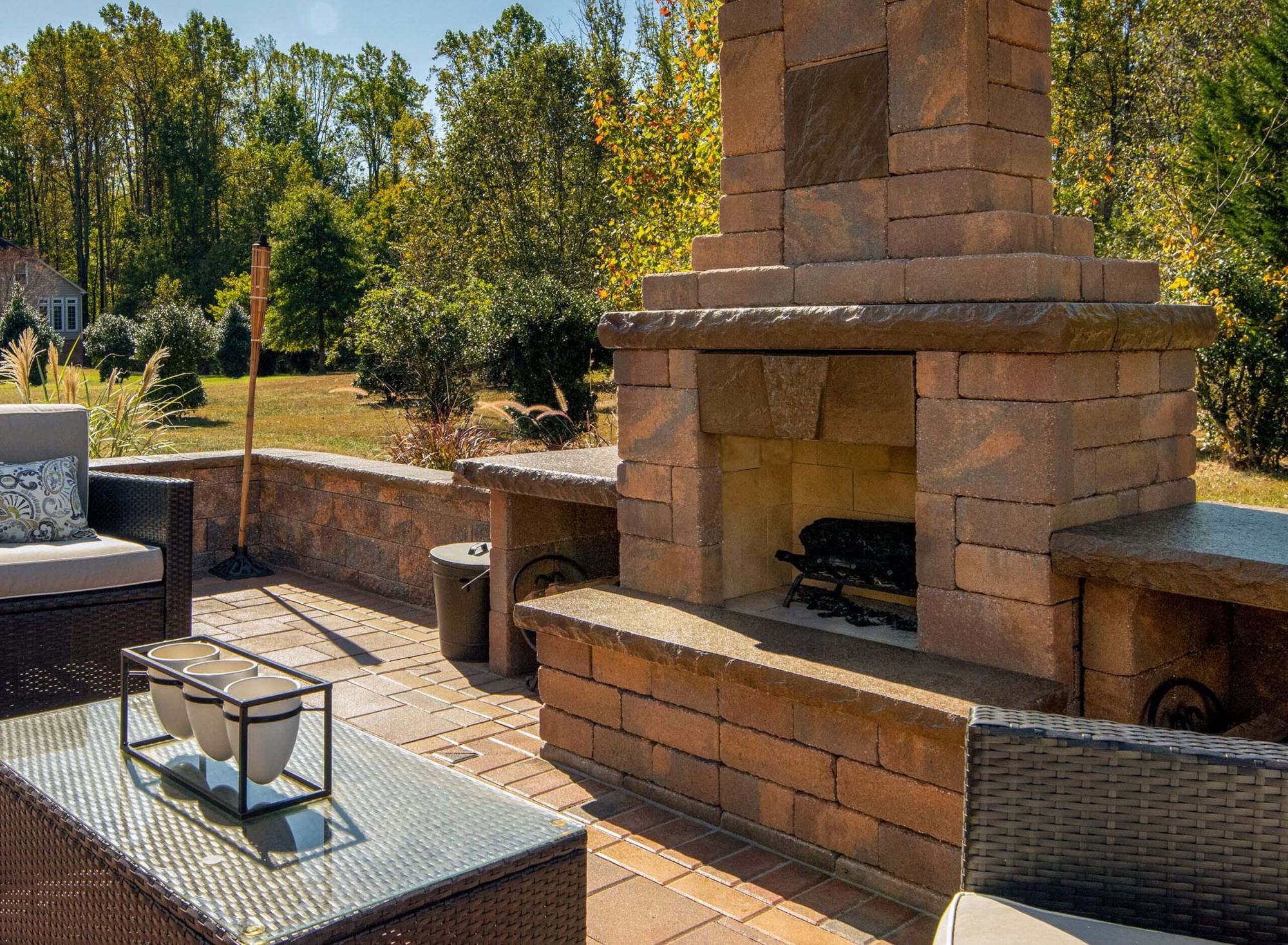
Patios, outdoor kitchens, pools, and fire features become easier to enjoy when people can move comfortably between them.
A connected layout also prevents worn trails across the lawn. Guests can carry food, drinks, towels, or serving pieces without crossing uneven ground.
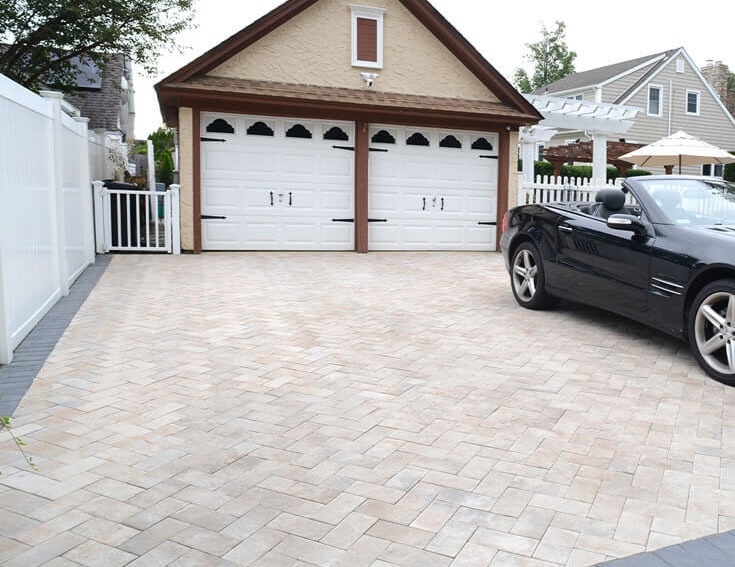
Choose related colors or textures for adjoining hardscapes. They do not need to be identical. A repeated border or shared color family may provide enough visual continuity.
Garden paths invite a slower experience. Curves, textured surfaces, and surrounding plants can create a relaxed route without sacrificing stable footing.
Side yards usually call for a more direct plan. Gate clearance, utilities, drainage, and access to storage areas matter more than decorative complexity. Even so, selecting a paver that relates to the front or back hardscape keeps this practical area connected to the wider property.
Homeowners often begin with a paving stone they like, but architecture should lead the decision. Scale, surface finish, pattern, and color need to support the building rather than compete with it.
Colonial, Tudor, Cape Cod, and brick homes often pair well with smaller or medium-size units, defined borders, and established patterns.
Running bond, herringbone, and modular arrangements can add detail without making the entrance busy. Warm earth tones, muted reds, browns, and balanced gray blends often relate well to traditional exteriors.
Nicolock options such as Colonial Cobble, Holland Stone, Ridge Brick, or Cobblestone can support this direction, depending on regional availability and the specific project requirements.
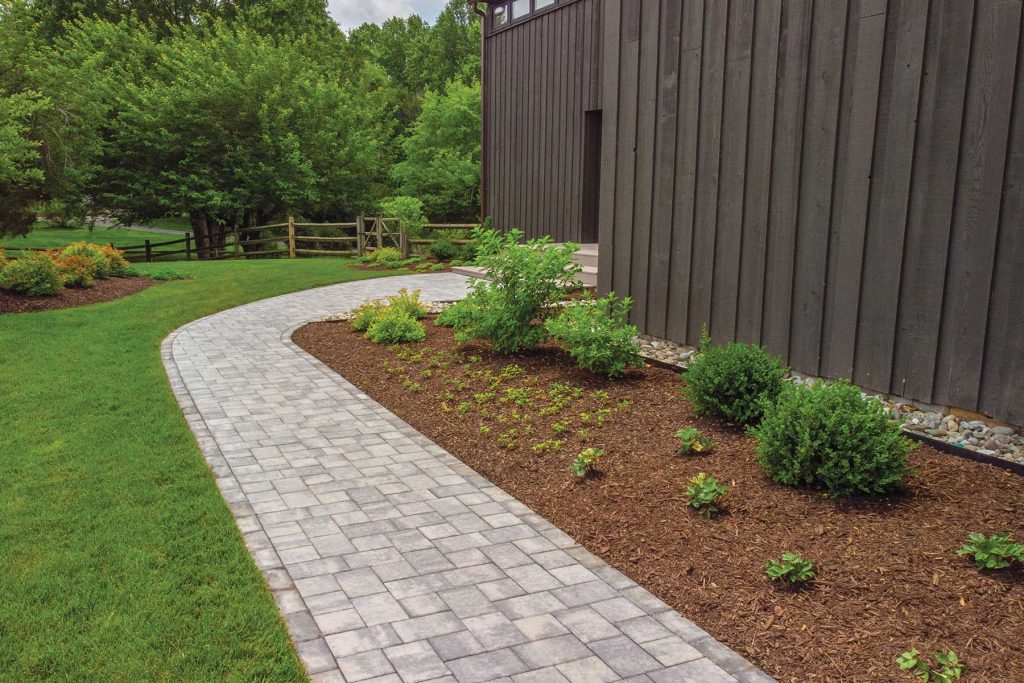
Farmhouse and cottage designs tend to work well with softer textures, natural color variation, and landscaping that reaches close to the path.
A slightly curved route can create an informal arrival, while a simple border keeps the edges defined. Ornamental grasses, flowering perennials, and low shrubs soften the surrounding hardscape.
Wooded lots benefit from a path that responds to existing trees, slopes, and stone features. Earth-based color blends help the paving relate to bark, mulch, greenery, and exposed rock.
Avoid forcing sharp turns around mature plantings. A qualified contractor can lay out broad curves that provide comfortable movement while respecting roots and grade changes.
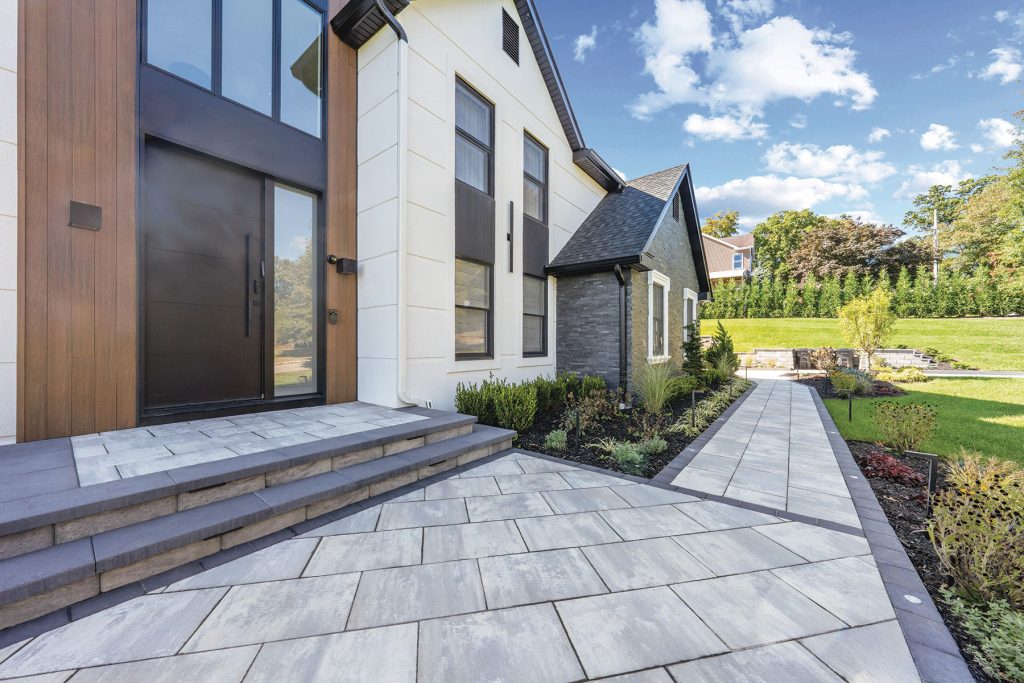
A modern concrete paver walkway usually relies on simple geometry, controlled color, and fewer decorative elements. Large rectangular or square formats can reinforce horizontal and vertical lines found in contemporary architecture.
Products such as Alpine Contemporary, Stone Ridge Contemporary, Plank Paver, Blue Ridge Contemporary, and Tilestone offer formats that may suit a modern direction. Product availability, thickness, color, and application requirements should always be confirmed before selection.
For a restrained contemporary design:
Neutral gray, charcoal, and stone-inspired blends often work well, but the right shade depends on the exterior materials and surrounding light. Nicolock recommends viewing samples at the property in sun and shade because outdoor conditions can alter how a color appears.
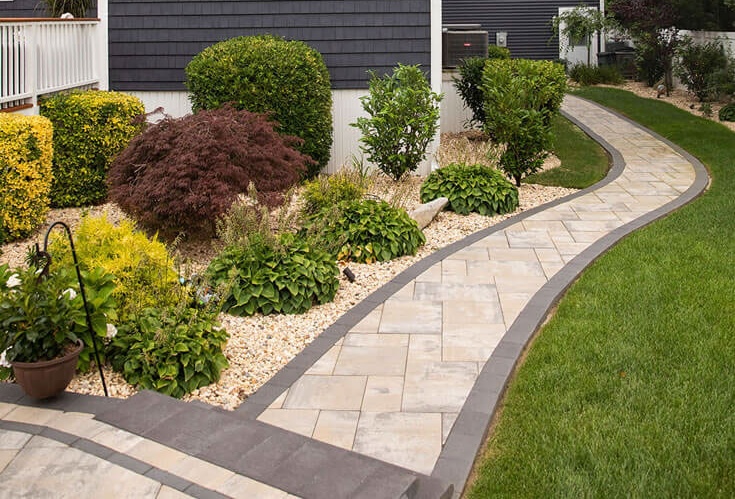
Walkway shape affects movement more than any individual paver. Set the route first, then choose a product and layout that support it.
A straight walkway creates a clear visual connection between two points. This approach suits centered entrances, narrow side yards, compact properties, and homes with formal geometry.
Long joint lines can make the route appear even more linear. A contrasting border adds definition, while a wider opening near the door gives guests more room to gather.
Curves work well around gardens, mature trees, grade changes, and wide lawns. Broad turns usually feel more natural than a series of tight bends.
The paving format matters here. Smaller units can follow curves with less cutting, while larger pieces may require a more deliberate layout.
Many properties benefit from both approaches. A straight section may lead away from the driveway before shifting into a gentle curve toward a patio or garden.
The transition should appear planned rather than abrupt. Use planting beds, a landscape wall, or a change in border treatment to support the turn.
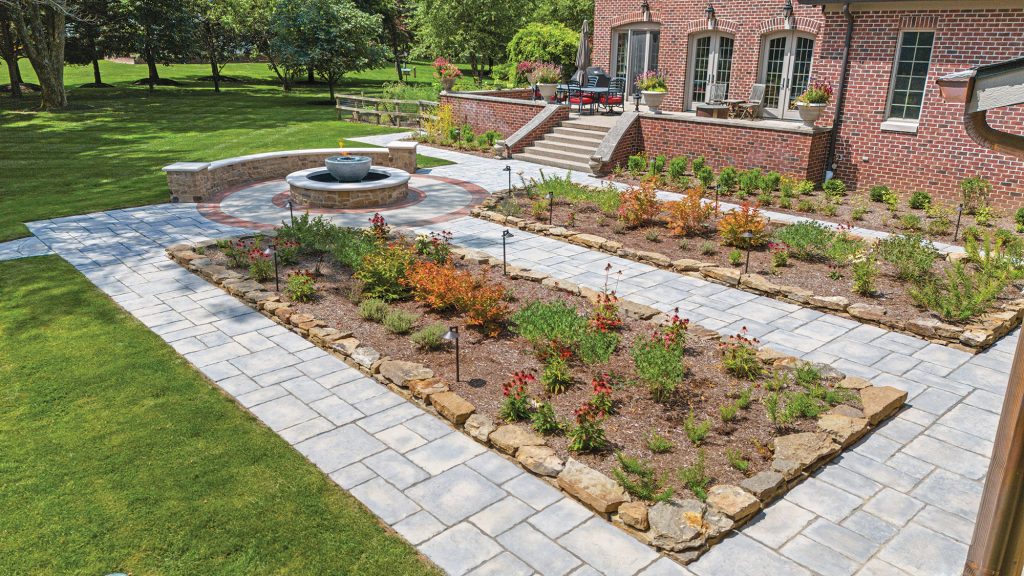
Different destinations call for different design priorities. The following table offers a quick starting point.
| Project Area | Useful Design Direction | Planning Points |
|---|---|---|
| Front entrance | Straight or gently curved approach | Width, symmetry, steps, lighting |
| Garden | Curves or spaced slabs | Plant growth, edging, drainage |
| Side yard | Direct and durable route | Gates, utilities, runoff |
| Patio connection | Coordinated colors or border | Finished elevations, transitions |
| Pool access | Open route with dependable footing | Traffic, drainage, deck coordination |
| Outdoor kitchen | Direct connection to dining areas | Carrying space, lighting, grade |
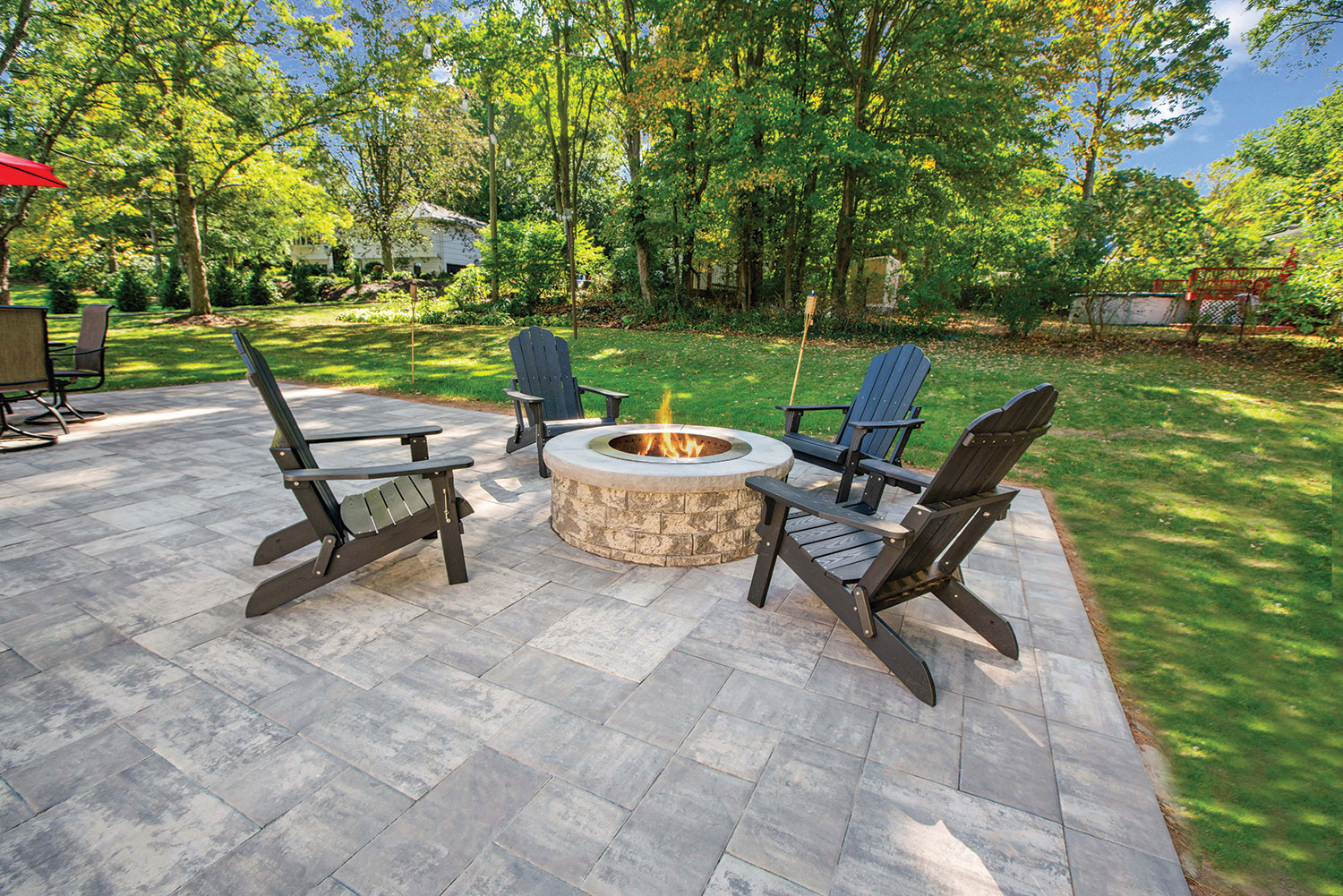
| Fire feature | Inviting path from the patio | Seating access, evening visibility |
Give the main approach enough visual presence for the size of the house. A narrow ribbon may look undersized beside a broad facade, while an oversized path can overwhelm a compact property.
Consider widening the final section near porch steps. This creates room for people to pause without blocking someone else.
Natural textures and muted colors can help a garden walkway settle into the landscape. Spaced slabs placed within gravel or planted areas offer a lighter appearance for low-traffic routes.
Proper preparation still matters. Setting pavers directly over untreated grass can encourage movement, poor drainage, or moisture problems. Nicolock recommends removing turf and preparing a suitable stone-and-sand foundation rather than laying paving units over lawn.
Repeating a paver family, border, or color from the destination helps the transition appear coordinated. A related design also allows the walkway to support the patio or pool area without competing for attention.
Consider how people will move while carrying dishes, towels, or drinks. Direct routes with comfortable turns make daily use easier.
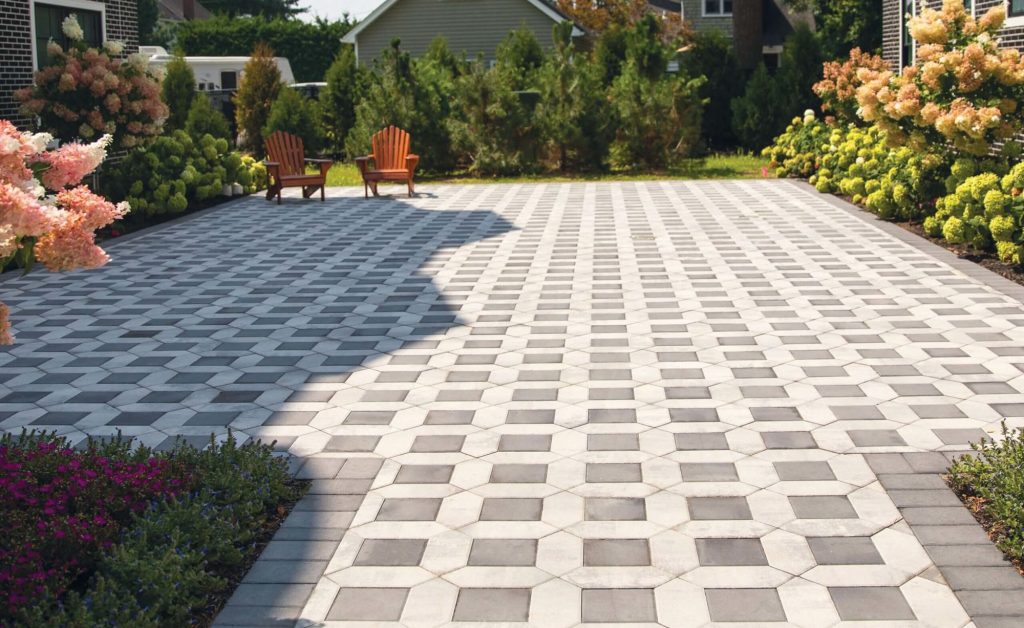
A large paver walkway can give a broad entrance or contemporary landscape the scale it needs. Bigger formats reduce the number of visible joints and create an open appearance.
Large units may be a good fit when:
However, bigger is not always the better choice. Tight curves, small yards, detailed borders, and irregular grade changes may benefit from smaller formats or mixed-size systems.
Proportion should guide the decision. A large piece placed on a narrow route can require awkward cuts, while tiny units across a wide entrance may create more visual activity than the design needs.
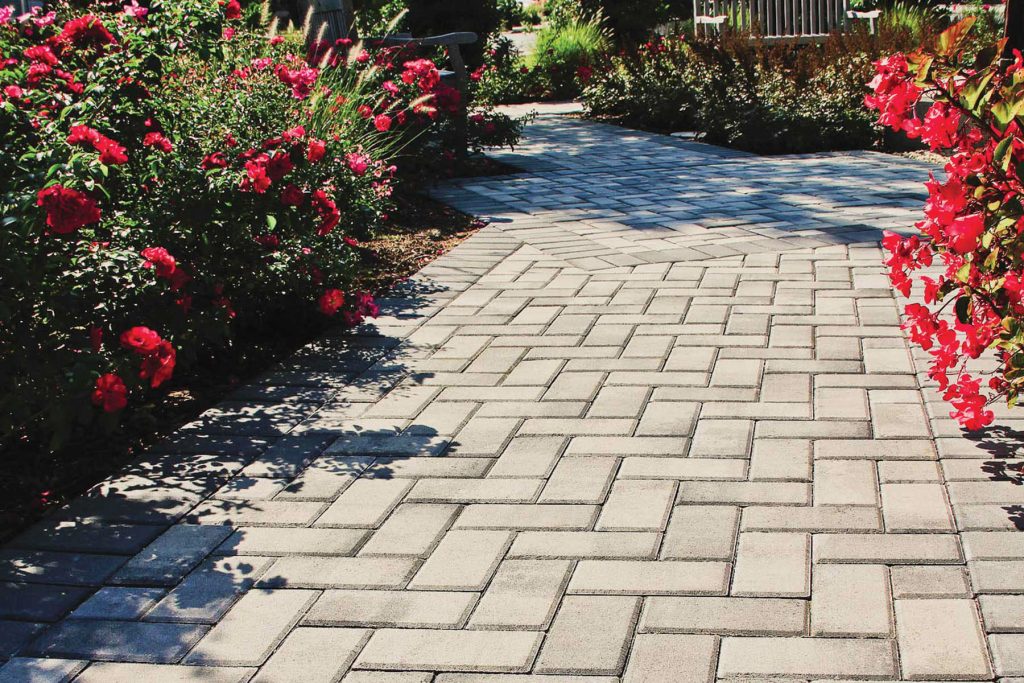
A successful walkway depends on several choices beyond the field paver.
Choose width according to expected use, not the smallest route that fits. Primary approaches often need enough room for two people to move together, while a secondary garden trail can be narrower.
Local codes, accessibility needs, site dimensions, and door or gate locations may affect the final measurement. Ask the installer to mark the proposed edges before excavation so you can walk the route and evaluate its scale.
Borders frame the paving, highlight curves, and create clean transitions into planting beds or lawn. They can also repeat details used around a patio or driveway.
A darker band adds contrast, while a related shade provides quieter definition. Avoid adding several accent colors unless the house and landscape can support them.
Pattern direction can influence how wide or long the path appears. Running bond provides an orderly arrangement. Herringbone adds energy and detail. Modular systems combine several sizes for controlled variation.
Curved routes may require added cutting, especially with larger rectangular formats. Review the pattern with your contractor before material quantities are finalized.
Compare pavers beside the home, not only on a showroom display. Exterior surfaces, tree cover, sun exposure, and neighboring hardscape all affect perception.
Look at samples during more than one part of the day. A blend that appears cool in shade may show warmer undertones in direct sunlight.
Nicolock uses patented paver-shield™ technology on applicable pavers to produce a dense surface with color incorporated throughout the unit. The company also backs residential paving products with a fully transferable limited lifetime warranty, subject to its terms and installation requirements.
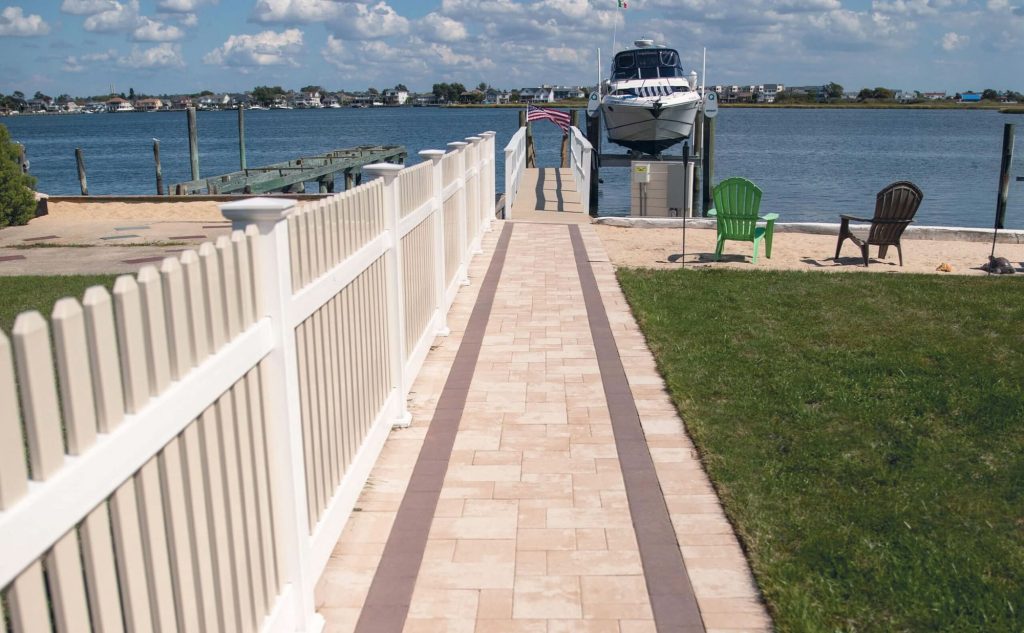
A walkway's appearance depends on the work below and around it. Soil, drainage, excavation depth, base preparation, slope, edge restraint, and joint materials all affect long-term stability.
Site conditions vary, so installation recommendations cannot be reduced to one universal formula. A contractor should evaluate:
Nicolock's installation resources outline a process that includes excavation, base preparation, bedding material, paving placement, edge restraints, joint sand, and compaction. Project-specific requirements should be confirmed with a qualified professional and local standards.
Surrounding elements should be included during initial planning rather than added after installation.
Low-voltage fixtures can mark edges, illuminate steps, and guide visitors around curves. Planning wire routes before paving begins reduces future disturbance.
Aim light toward the path or nearby landscape features without creating glare. Fixtures do not need to line both edges like an airport runway. Spacing can follow turns, transitions, and changes in elevation.
Allow room for shrubs, grasses, and perennials to mature. Plants placed too close may hide borders, block fixtures, or reduce usable width.
Repeating a few species creates continuity. Seasonal color can be added near entries or seating areas without filling every edge.
Landscape walls can frame the path, manage grade changes, and define nearby outdoor rooms. Steps should be incorporated into the walkway plan, so tread dimensions, lighting, railings, and finished elevations are resolved together.
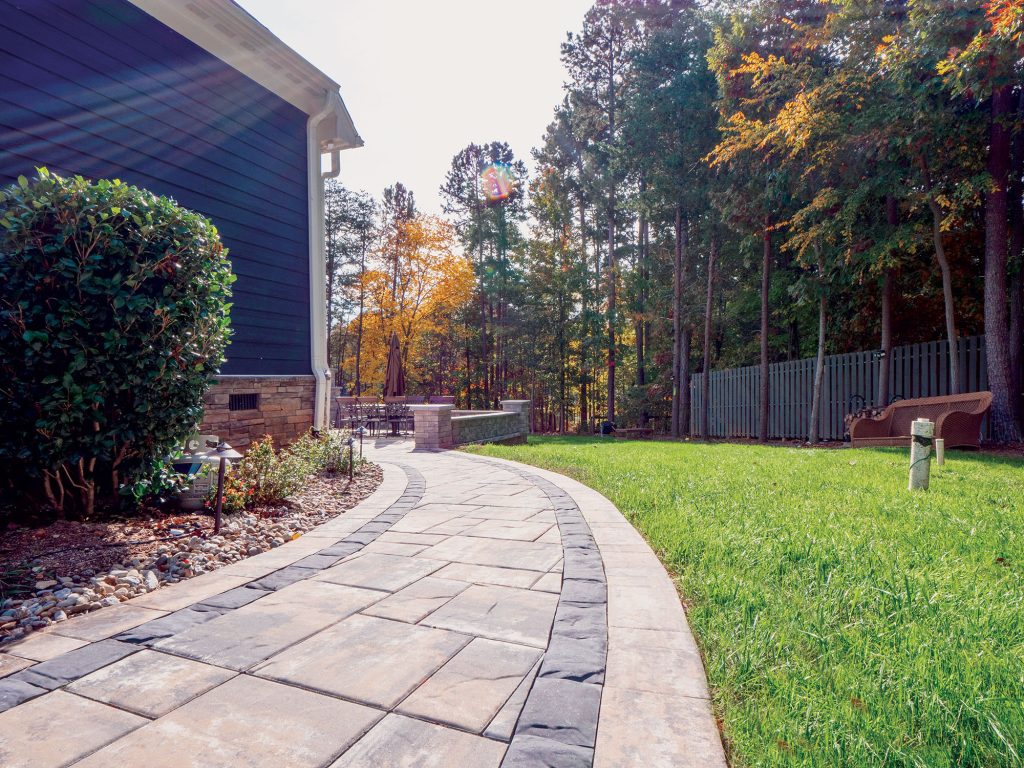
Good planning can prevent many disappointing results.
A photograph may not reflect your property dimensions, traffic, slope, or architecture. Use inspiration to identify preferences, then adapt those ideas to the site.
A cramped primary path can make arrivals uncomfortable. Test the proposed width by marking it with paint, stakes, or a garden hose before construction.
Standing water may indicate inadequate slope, poor drainage, or a base issue. Discuss runoff before work begins, especially near foundations, downspouts, and low areas.
Several colors, patterns, borders, and textures can compete with one another. Choose a main field treatment, then add one or two supporting details.
Consider how the walkway meets the driveway, porch, patio, pool deck, walls, and planting beds. A coordinated plan creates better transitions and leaves room for later improvements.
Digital images inspire but cannot fully represent scale, texture, or outdoor color. Review physical samples and completed installations whenever possible.
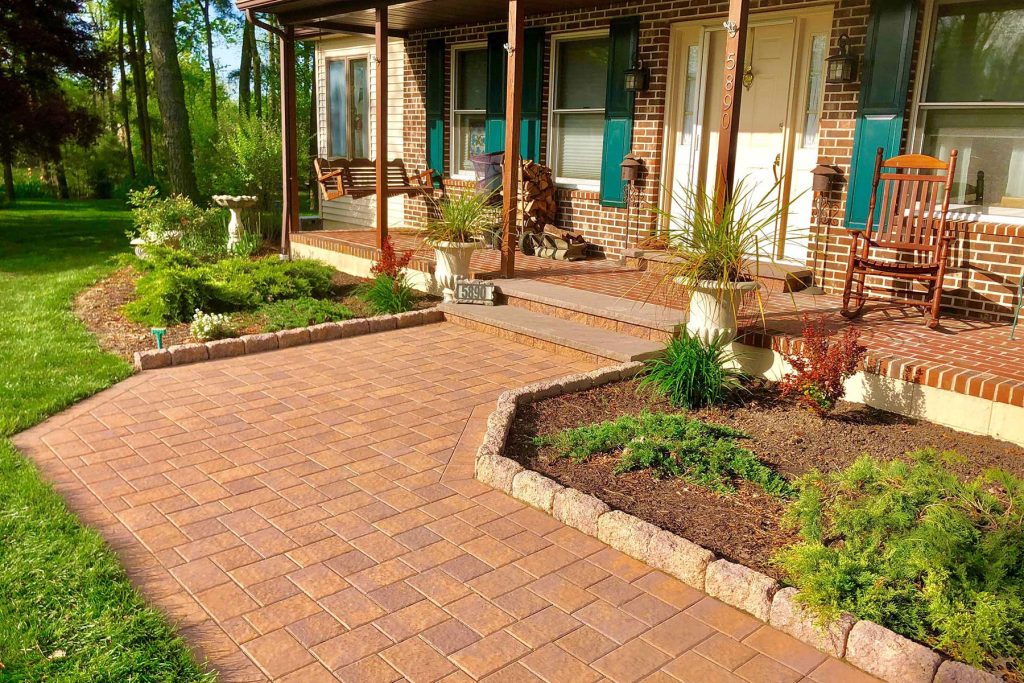
A productive consultation should cover more than product selection. Ask:
Request a layout showing major dimensions, grade changes, borders, and transitions before construction starts.
Strong design balances appearance, movement, durability, and long-term plans. Neutral blends can provide flexibility, but timeless does not have to mean plain. Texture, scale, borders, and planting can give the route character without tying it to a short-lived trend.
Nicolock brings more than 50 years of family-owned manufacturing experience to paving stones made at company-owned U.S. facilities. Its range includes traditional shapes, contemporary formats, textured surfaces, and color blends suited to front entrances, gardens, patios, pools, and other residential applications.
Rather than selecting one feature in isolation, think about how the route supports the entire property. A front path can repeat a driveway border. Side-yard paving may connect directly to a patio. Garden access can lead naturally toward a fire feature or dining area.
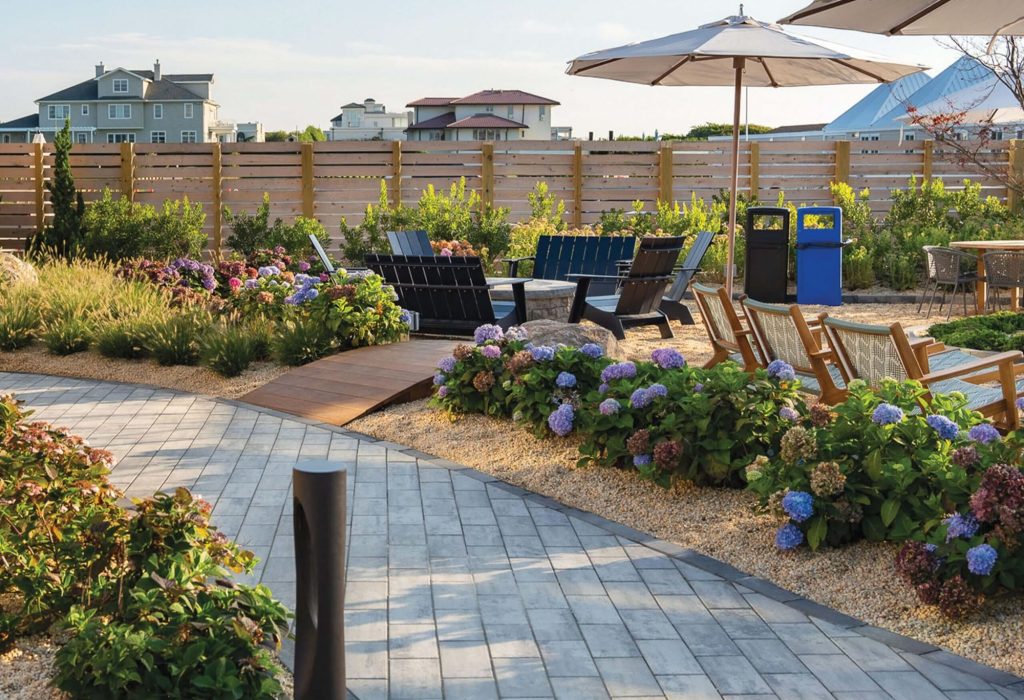
The right route should make your home easier to use while giving each outdoor area a clear connection. Purpose, scale, architecture, layout, and site preparation all deserve attention before the first paver is installed.
Visit a Nicolock Design Studio or Design Center to compare formats, textures, and colors in person. You can also find a local dealer for product availability or connect with a contractor who can evaluate drainage, grade, base requirements, and installation details.
Start with how you want people to move through the property. From there, Nicolock can help you shape a walkway that welcomes guests, supports daily life, and holds its color and character over time.