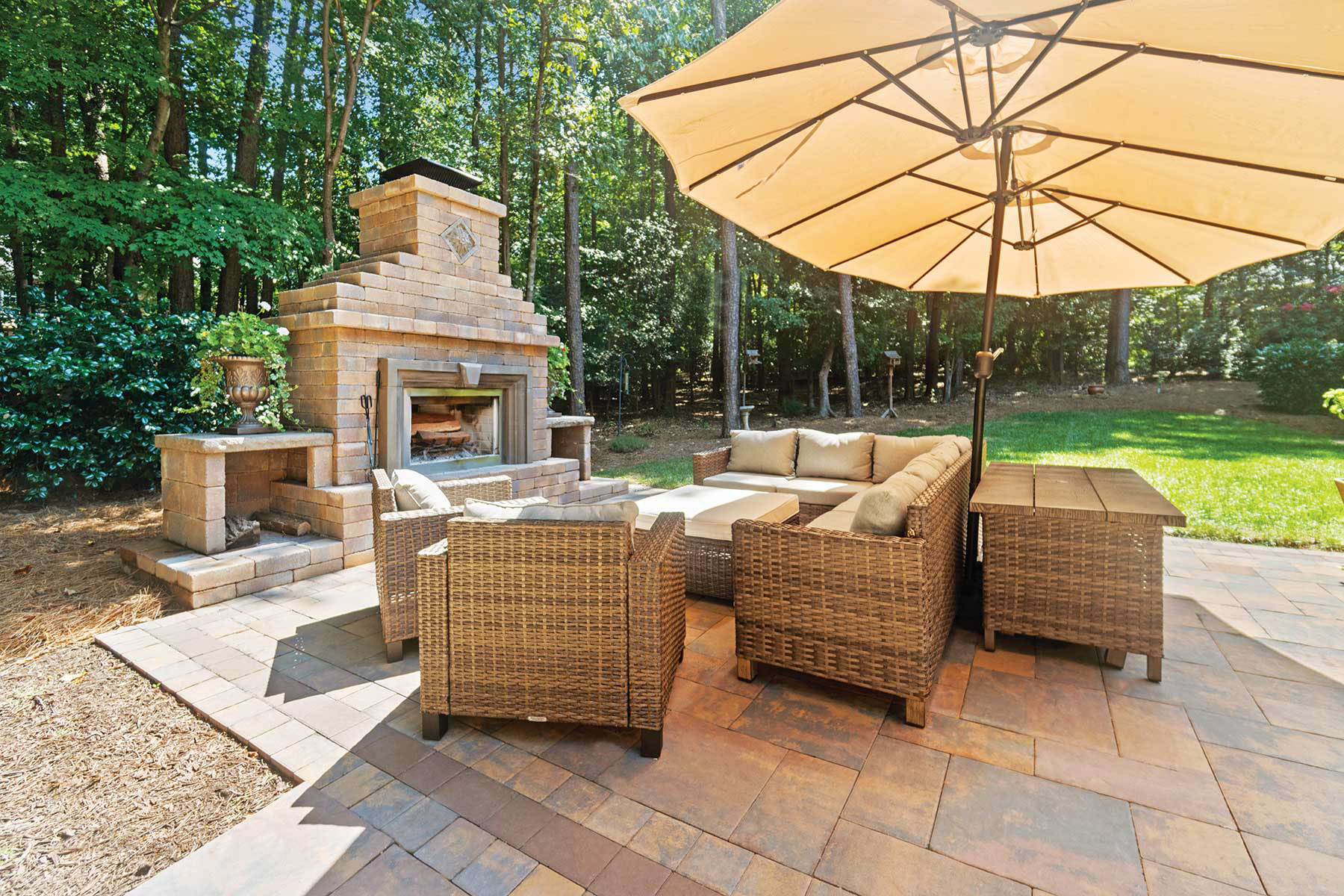
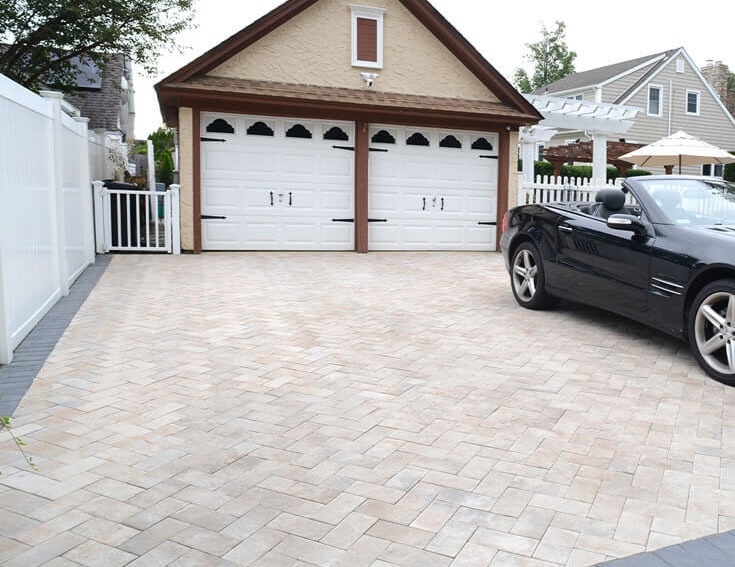
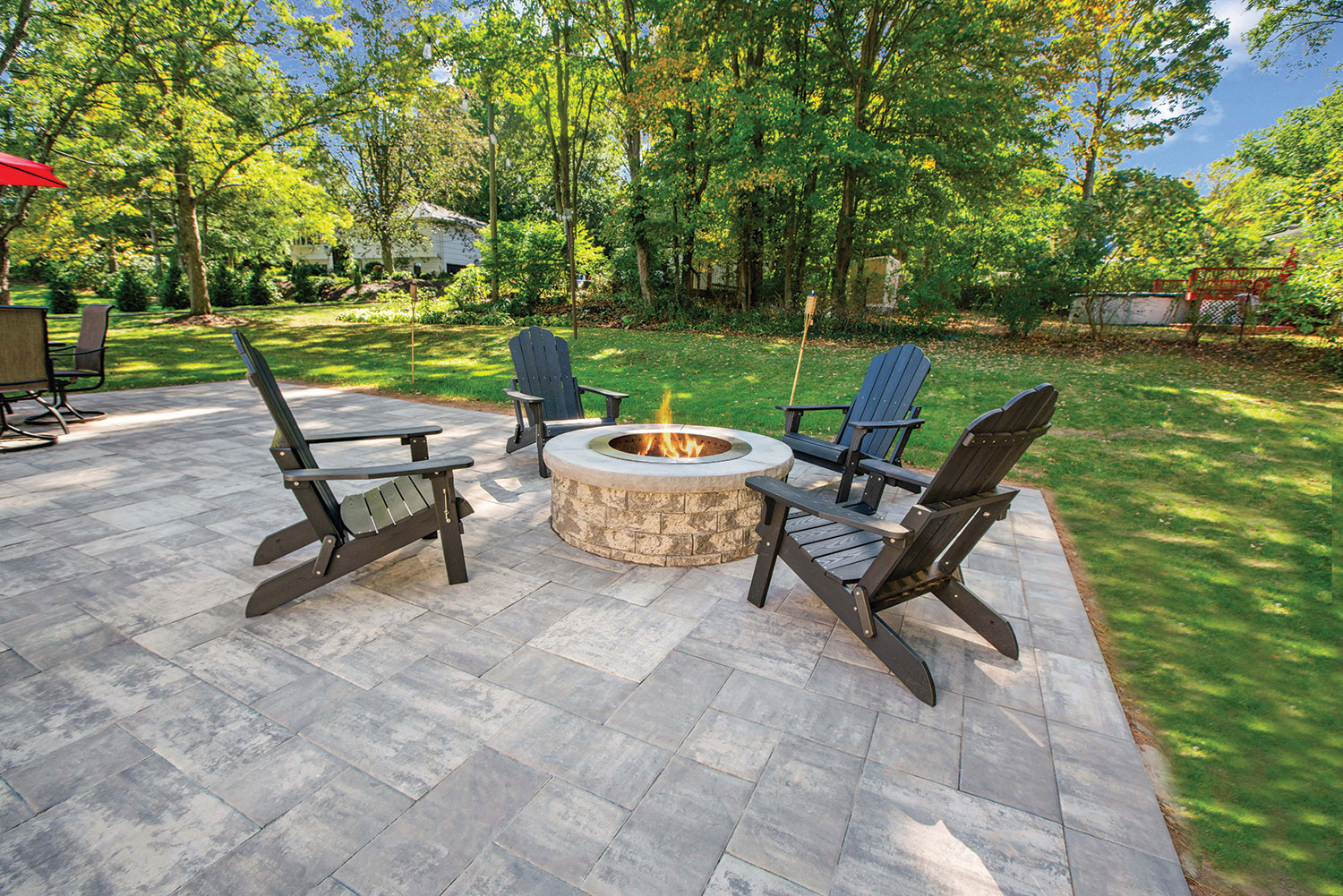
Spring is the right time for paver cleaning that protects color, structure, and long-term performance. Winter often leaves behind debris, moisture buildup, and surface residue that can dull even the most carefully designed patio. A clear plan helps you clean safely, inspect thoroughly, and refresh confidently without damaging joints or surface texture.
Nicolock pavers are built with advanced paver-shield™ technology, engineered with color throughout the entire paver and an ultra-dense surface layer designed for lasting vibrancy and durability. Even with that protection, seasonal maintenance keeps your outdoor space ready for gatherings, grilling, and everyday living.
Use this guide to clean smarter, inspect carefully, and prepare your patio for the months ahead.
Start with a simple reset plan. Most patios need only a few focused steps:
This approach reduces guesswork and prevents over-cleaning.

Cold weather can hide minor problems. Freeze-thaw cycles may shift joint sand. Fallen leaves and moisture sometimes leave organic stains. Road salt residue can linger near entry points.
Early-season maintenance provides three advantages:
Routine paver cleaning and sealing in spring helps preserve structural integrity and surface vibrancy. A short inspection now protects your investment long term.

Before reaching for a cleaner, take a moment to evaluate the surface. A careful assessment helps you choose the right method and avoid unnecessary damage. Identifying the type of paver and the cause of staining ensures your cleaning approach stays controlled and effective.
Most patios feature concrete pavers. Nicolock products include paver-shield™, which provides color throughout the entire unit and a tight, smooth surface texture designed for long-term performance. That surface should guide your approach.
Avoid aggressive acids or wire brushes. Begin with mild solutions. Increase strength only if needed.
Misidentifying a stain often leads to unnecessary damage. Common spring conditions include:
Each type responds differently. Correct identification keeps cleaning controlled and efficient.

Proper technique matters more than intensity when cleaning pavers. Using the right steps protects both the surface layer and the joint material that keeps everything in place. A measured, methodical approach preserves color and structure while delivering a refreshed appearance.
Sweep thoroughly. Use a blower to clear corners and edges. Removing dry material first prevents muddy residue during washing.
Rinse lightly with a garden hose. Moistening the area prevents cleaning solutions from absorbing too quickly and helps loosen surface buildup.
Start with warm water and a neutral, paver-safe detergent. Apply using a stiff-bristle brush. Work in manageable sections and rinse before moving forward.
If stains remain:
Avoid over-saturating the surface. Rinse thoroughly to prevent residue.
Nicolock does not recommend pressure washers because they can scar the surface by removing cement paste and can wash out joint and bedding sand. High pressure may also disturb the stability of the system.
If you choose to use one for stubborn grime, keep the setting low, use a wide fan tip, maintain distance, and avoid spraying directly into joints. Afterward, carefully inspect sand levels and replenish as needed.

Use this guide to match stains with practical steps.
Often found near grills or driveways.
Avoid repeated soaking.
Leaves and moisture may leave dark patches.
Avoid acid shortcuts.
Metal furniture or fertilizer can leave orange discoloration.
White powdery haze caused by natural mineral movement.
Industry standards recognize efflorescence as a common and natural occurrence in concrete products. It often decreases over time as the pavers weather.
Do not confuse efflorescence with fading. Nicolock’s paver-shield™ technology helps protect color from top to bottom.

Cleaning alone does not always restore the look you expect. In some cases, dullness comes from residue, joint sand displacement, or previous sealer wear rather than lingering dirt. Understanding the root cause allows you to correct the issue without overworking the surface.
You may notice:
Inspect closely before repeating cleaning. Address the root cause instead of increasing intensity.
Joint sand supports structural stability and visual crispness. Heavy rain or improper washing can reduce depth.
Check joints after cleaning:
Proper joint maintenance keeps patterns tight and reduces weed growth.

Sealing is not required for every patio, yet it can provide added protection in the right circumstances. After thorough paver cleaning, evaluating surface condition and exposure helps determine whether sealing is appropriate. Making that decision carefully supports long-term performance and visual appeal.
Benefits may include:
Follow a clear order:
For new installations, wait at least six months before sealing so any efflorescence has time to appear. Clean the pavers with an appropriate product before applying sealer.
Never seal damp surfaces. Moisture trapped beneath may create haze.
If unsure, consult a professional familiar with Nicolock systems before proceeding.

Cleaning improves appearance, yet a full spring refresh goes further. A thoughtful inspection identifies subtle shifts, drainage concerns, or border movement that may have developed over winter. Addressing these details early supports both durability and long-term stability.
Check for:
Nicolock pavers are designed for long-term performance. Proper installation and periodic inspection support that strength year after year.

After spring preparation, keep maintenance consistent.
Spring
Summer
Fall
Winter
These habits preserve both structure and appearance.

Caring for hardscape surfaces requires more than surface-level advice. The guidance shared here reflects decades of manufacturing expertise, product testing, and real-world performance insights behind Nicolock pavers. Industry standards help shape best practices, while paver-shield™ technology provides an added layer of durability designed for long-term color retention and strength.
Spring maintenance works best when informed by both product knowledge and proven field experience. Thoughtful care protects not just appearance, but the structural integrity that supports your outdoor space year after year.
A clean surface sets the stage for outdoor living. Patterns look defined. Colors stand out. Furniture rests evenly. Gatherings feel inviting again.
Spring offers the right opportunity to reset and refresh. With proper paver cleaning, thoughtful inspection, and smart sealing decisions, your patio will remain strong and vibrant throughout the season.
To learn more or to plan a project:
Your outdoor space deserves care that protects both beauty and performance.