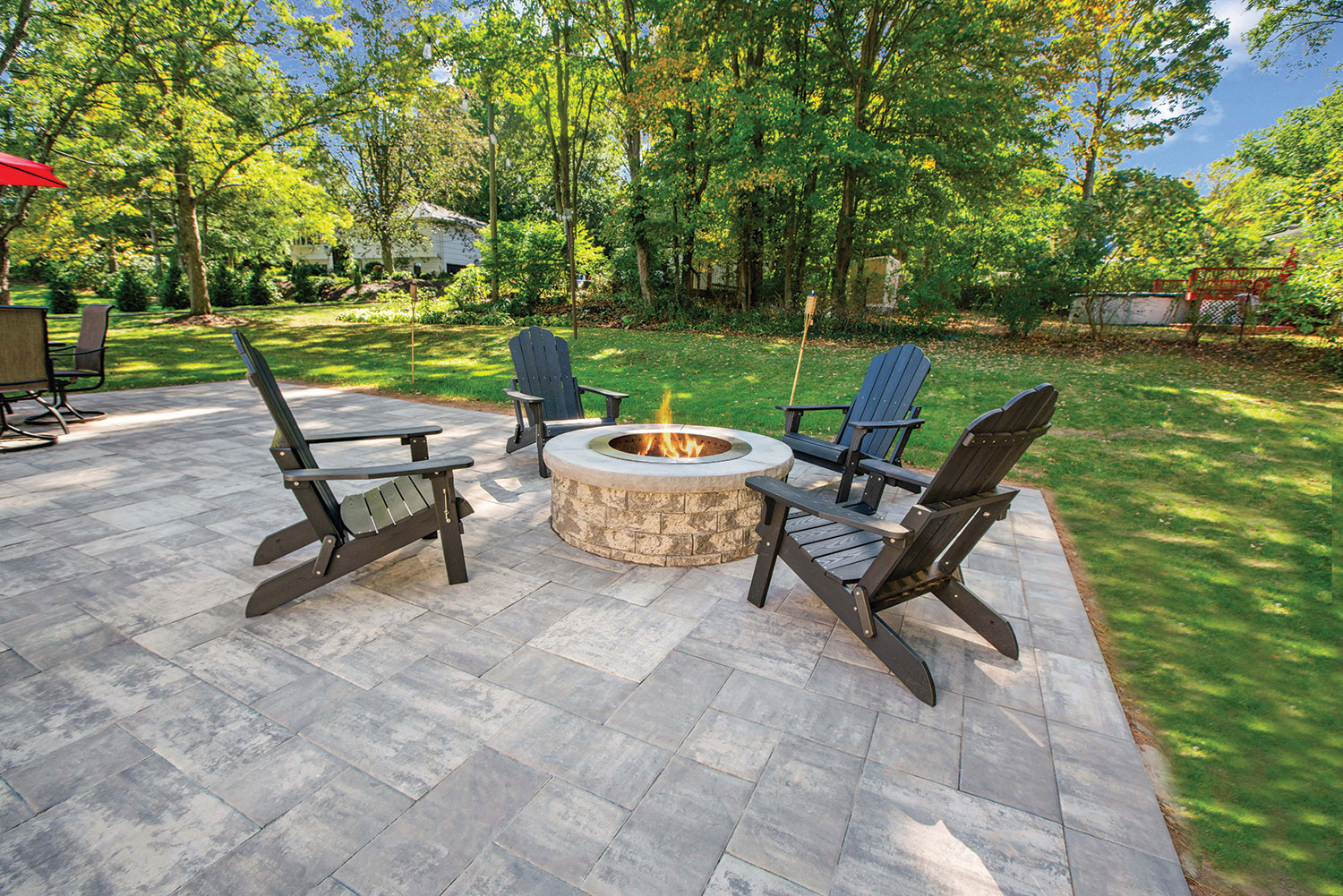
Choosing the right paver thickness shapes how your outdoor space looks, feels, and performs over time. Some homeowners assume they can pick up pavers from a local store, have a friend install them, and call it done—only to end up with a driveway that struggles under vehicle weight or a walkway that shifts and creates uneven footing. Those issues don't come from bad intentions; they come from missing a few key details early in the process.
A well-built patio, walkway, or driveway starts with understanding how the space will be used and how each layer supports the one above it. Thickness plays a role, but it works alongside base preparation, layout, and installation quality. Once those pieces come together, the result is a surface that feels solid underfoot, holds its structure, and supports everyday living without added stress.
Start here for a clear direction:
These ranges give a reliable starting point. Performance depends on the full system, not just the paver itself.
That early shortcut—grabbing pavers, installing them quickly, and hoping for the best—is often where problems begin. After the surface goes in, the questions start to surface. Why is the walkway shifting? Why does the driveway feel uneven under weight? A quick search brings up a range of answers, each pointing to a different thickness without explaining why.
Those mixed messages create confusion because they leave out the bigger picture. Paver thickness is not a one-size decision. A patio, a walkway, and a driveway all serve different purposes, so they require different levels of support. Once you consider how the space will be used, the right choice begins to take shape.
Instead of focusing on a single number, think about how the surface needs to perform day in and day out. A patio should feel steady during gatherings. A walkway should remain level and safe to cross. A driveway should handle vehicle weight without shifting. When those needs are clear, thickness becomes part of a practical decision rather than a guess.
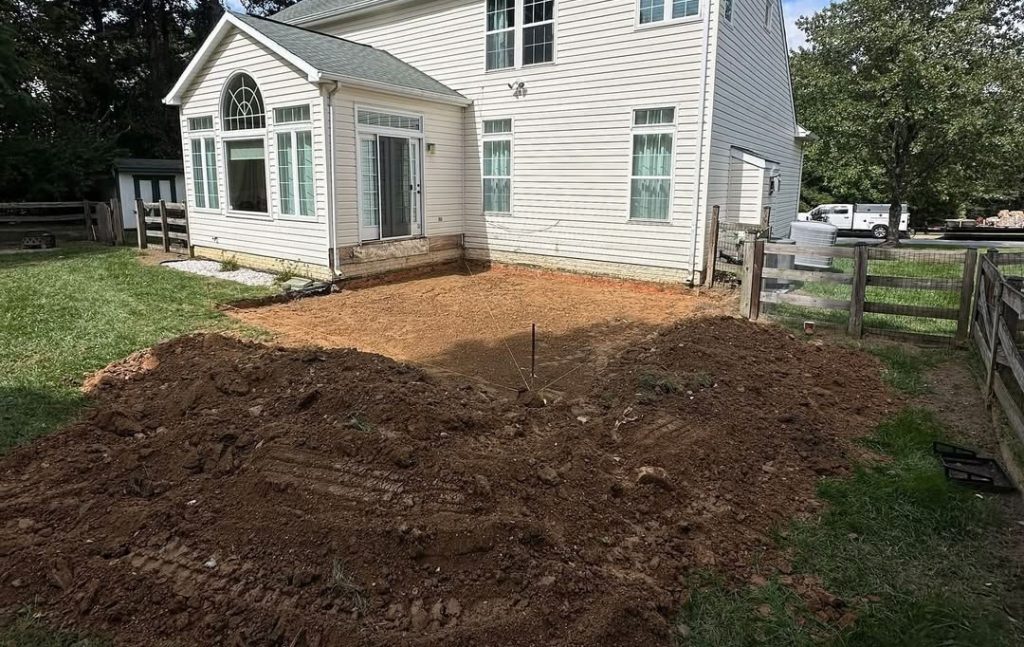
A durable surface starts below grade, long before the first paver is set in place. While the finished layer gets most of the attention, the structure underneath does the heavy lifting over time. Each layer plays a role in supporting weight, managing moisture, and keeping everything aligned. Skipping steps or rushing this phase can lead to movement, uneven areas, and early wear that shows up sooner than expected.
Key elements include:
Nicolock guidance recommends:
Poor drainage or weaker soil conditions may require additional depth.
A thicker paver cannot compensate for poor preparation. A strong base allows standard patio paver thickness to perform reliably.
Nicolock products are designed for long-term performance, but results depend on pairing those materials with proper installation.
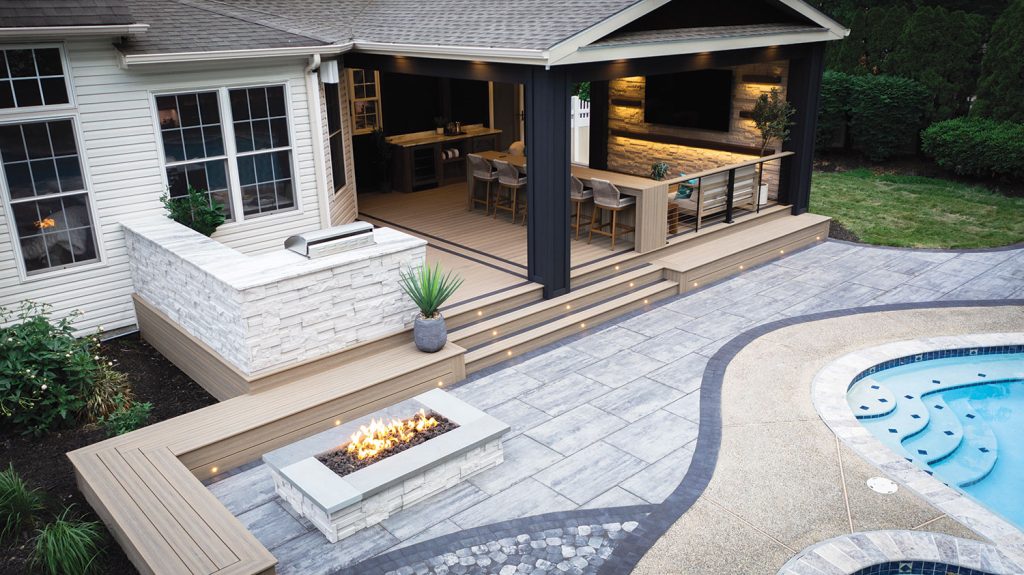
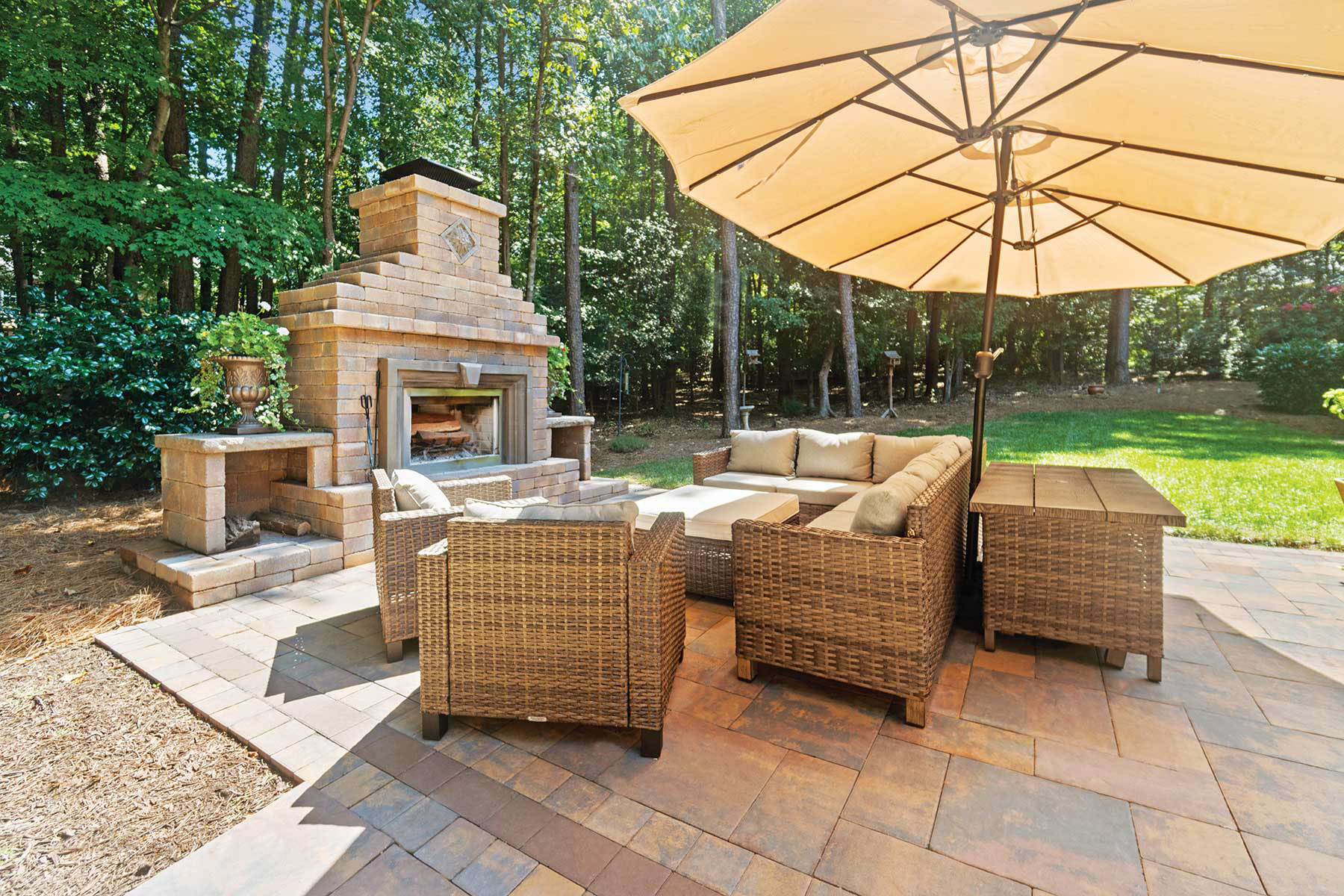
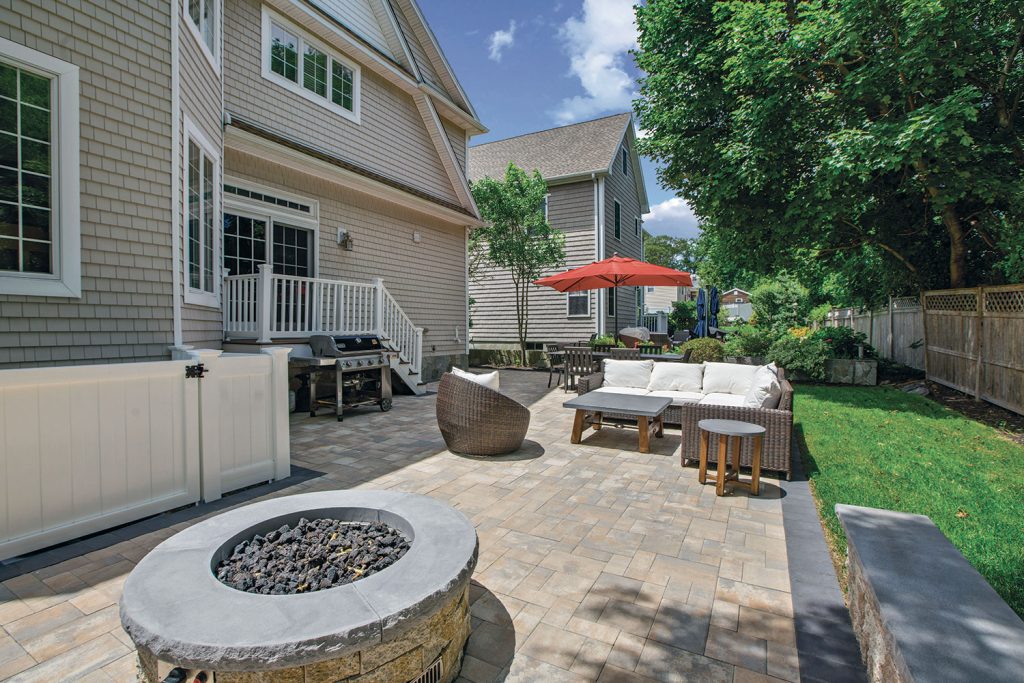
Outdoor patios serve as an extension of the home, supporting everything from quiet mornings to gatherings with family and friends. These spaces see steady foot traffic, furniture placement, and seasonal use, all of which influence how the surface performs. Choosing the right patio paver thickness ensures the area feels stable underfoot while maintaining a clean, consistent look across the entire space.
Nicolock recommends:
Focus on these fundamentals:
Nicolock pavers feature color throughout the unit. Products made with paver-shield™ technology include a dense, color-rich wear layer that helps maintain a smooth surface and long-lasting appearance.
A patio built with the right structure feels stable, looks consistent, and supports everyday use.
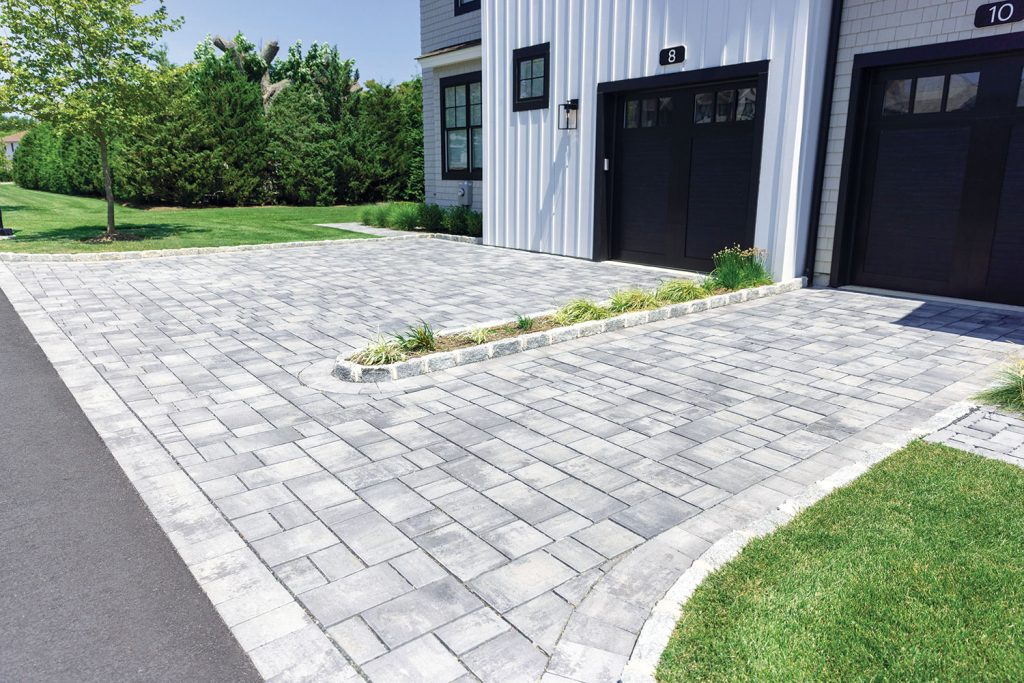
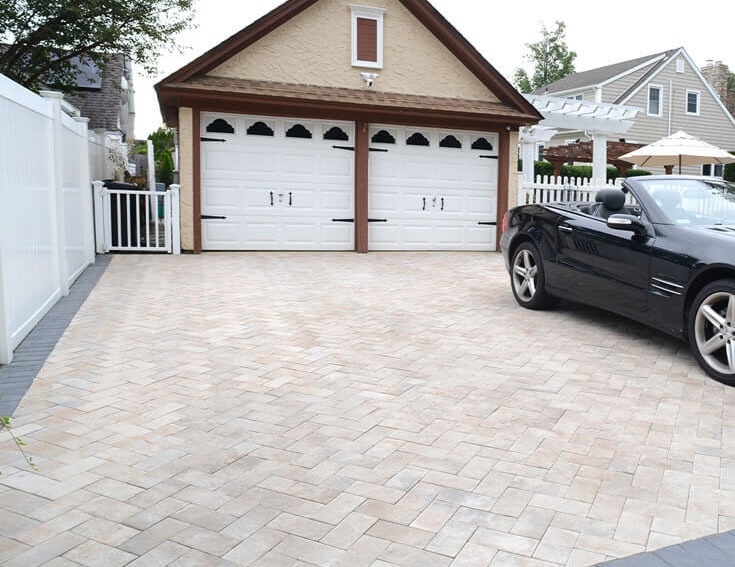
Driveways demand more from a surface than most other outdoor areas. The repeated weight of vehicles, turning motions, and daily use place continuous stress on the structure. Over time, these forces can expose weaknesses if the system is not built correctly. Selecting the right driveway paver thickness, along with proper support beneath, helps create a surface that handles those demands without shifting or breaking down.
For most residential applications, Nicolock guidance supports:
Additional considerations include:
A thicker option may be used in certain cases. Still, base preparation plays a larger role in long-term durability than thickness alone.
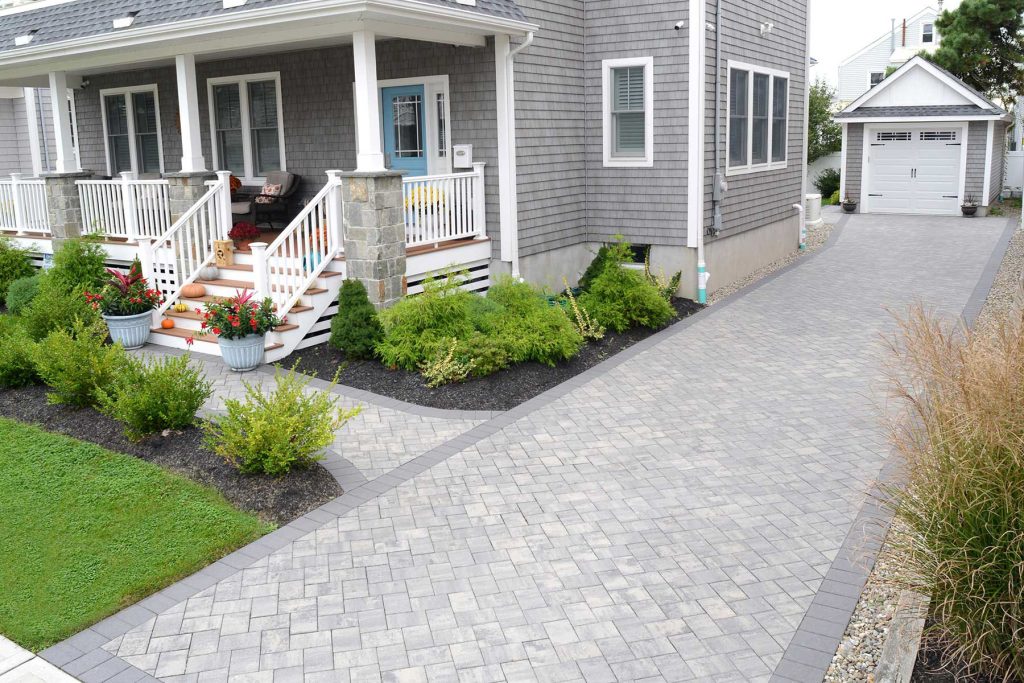
Not every project fits into a standard category, and certain conditions call for a more tailored approach. Factors like soil stability, drainage challenges, and heavier loads can all influence how a surface should be built. Taking these elements into account early helps prevent issues later and ensures the installation is suited to the specific environment.
These include:
In these situations, a stronger system is needed. That may involve thicker pavers, deeper base layers, or both.
Professional guidance can help match the design to your property's conditions.
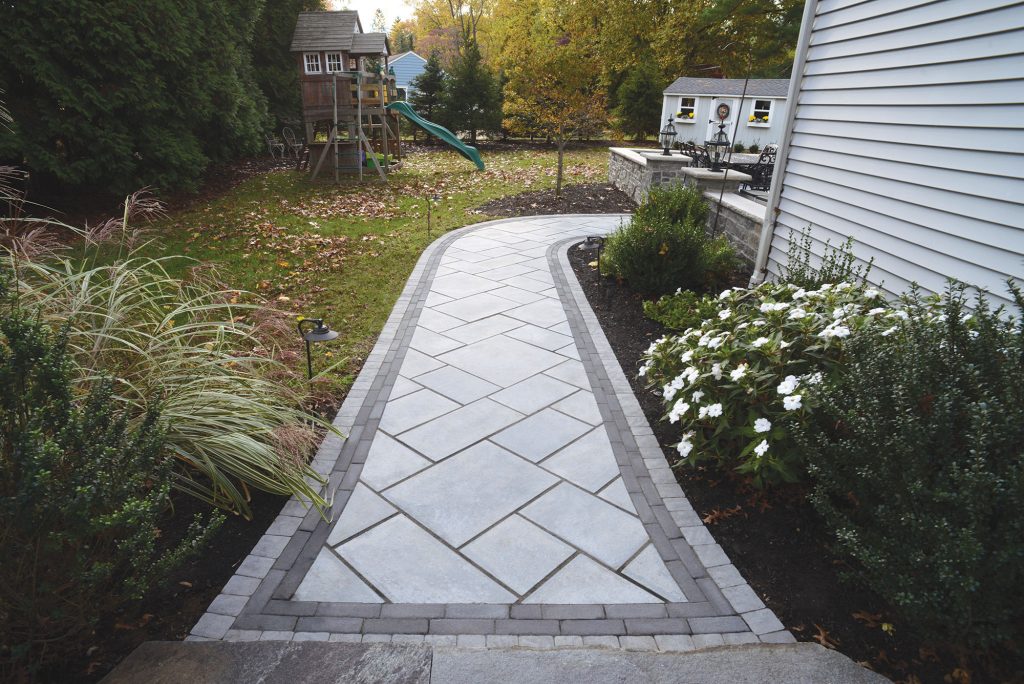
Choosing thicker pavers may seem like a safer option. In many cases, it adds cost without improving performance.
Consider the trade-offs:
Standard patio paver thickness performs well when supported by a properly built foundation. Selecting the right solution avoids unnecessary expense while maintaining durability.
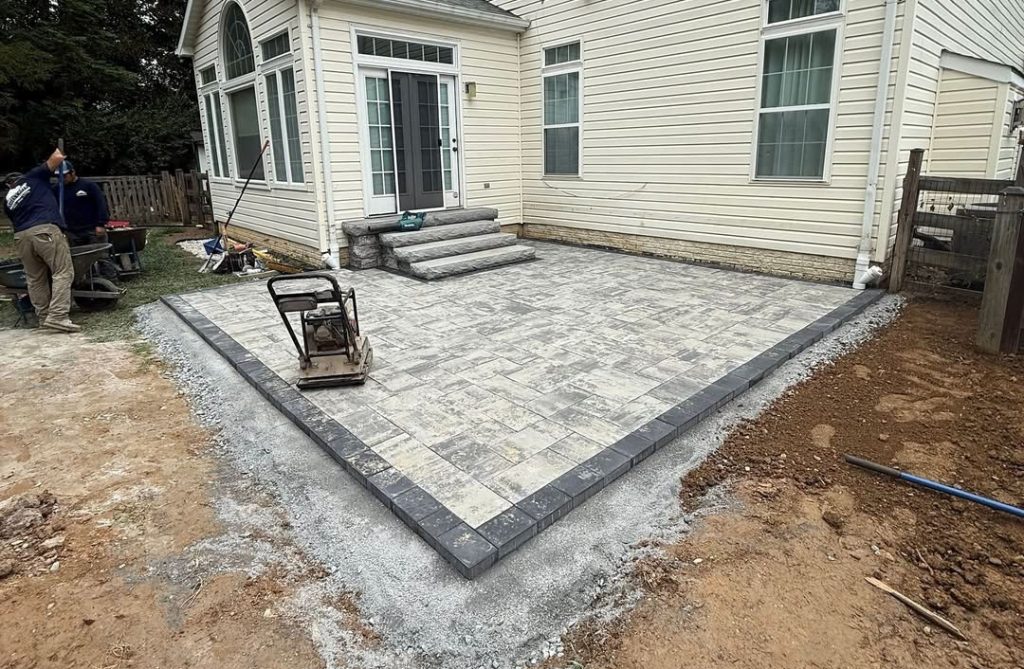
Surface issues rarely come from thickness alone. Most problems begin beneath the surface.
Common causes include:
These issues can lead to uneven settling or shifting. Addressing them early creates a stable foundation for the entire project.
A well-prepared base supports the surface and helps maintain alignment over time.
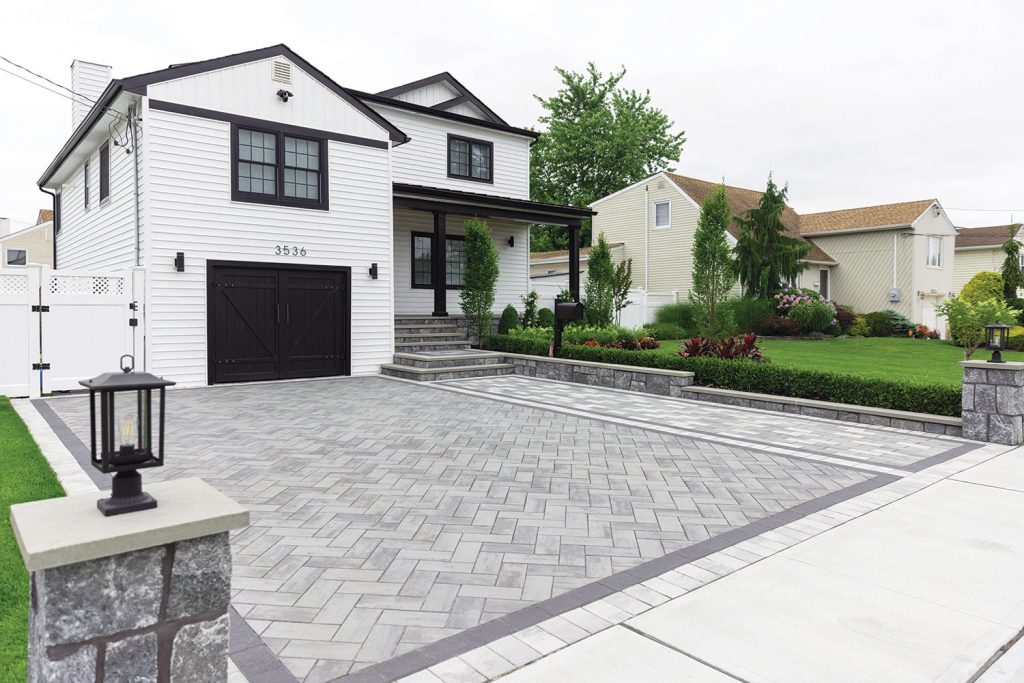
The way pavers are arranged affects more than just the overall appearance of a space. Pattern and layout play a direct role in how weight is distributed and how well the surface holds together over time. A proven arrangement helps secure pavers in place, reducing movement and improving durability throughout the installation.
Examples include:
These decisions influence how force moves across the surface. A thoughtful layout improves durability without increasing paver thickness.
Use these questions to guide your decision:
Clear answers narrow your options quickly. In most cases, your project will fall into a well-defined range.
You do not need to guess. Match the material to how the space will be used.
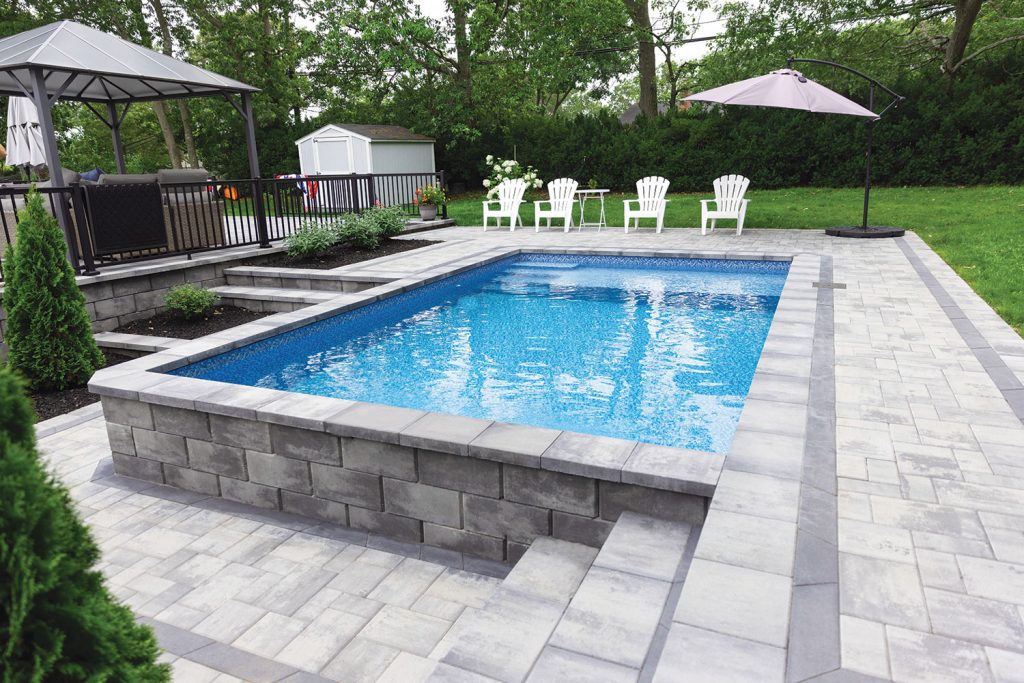
Outdoor spaces should support how you live, from quiet mornings to time with friends and family. Selecting the right paver thickness ensures those areas remain dependable over time.
Nicolock offers a wide selection of pavers designed for strength, color consistency, and long-term performance. With over 50 years of manufacturing experience and a commitment to quality, Nicolock products are built to handle real-world conditions.
From paver-shield™ pavers to environmental and Nicostone collections, each option supports different design goals while maintaining durability.
Outdoor spaces should feel natural to use and easy to enjoy throughout the year. Whether the goal is creating a quiet place to relax or a setting for gathering with others, the design should support how the space will be used day to day. Starting with a clear plan allows each element—from layout to material selection—to come together in a way that feels intentional and lasting.
Take the next step: