A strong modern patio design changes how your backyard is used day to day. Many homeowners reach a point where they’re choosing between a clean, contemporary layout and a more detailed, classic approach. Both can look great. The difference comes down to how the space supports your routine.
This guide breaks down modern patio design and traditional landscape design to help you decide what fits your home, your habits, and how you spend time outside.
A patio should bring everything together to create a private getaway. When the layout falls short, small issues start to show up during everyday use.
You may notice:
These issues don’t come from materials—they come from layout decisions made too late in the process.
A better approach starts with how the space connects. Cooking, dining, and relaxing should feel close enough to stay part of the same experience, while still having enough separation to stay comfortable.
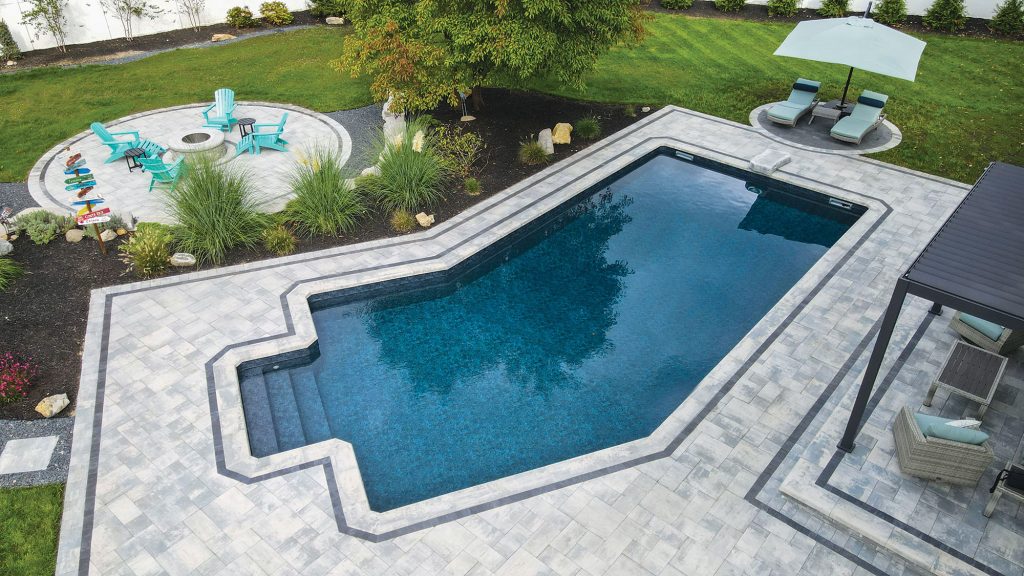
Before choosing a style, focus on how your outdoor space will be used most often.
Think through:
For example, a family that grills several nights a week benefits from a tighter layout where everything sits within a few steps. On the other hand, a space designed for longer gatherings may benefit from more separation between zones.
Modern layouts tend to keep everything within reach. Traditional layouts often spread features out while guiding movement between them. Both can work—what matters is aligning the design with how you live.
Certain decisions make a space harder to use, no matter the style. Avoiding them early keeps everything moving naturally.
The grill is too far from the seating
If cooking sits across the patio, you spend more time walking than enjoying the moment. Keeping this distance within 10–15 feet keeps conversations going.
The dining area placed too far from the house
Serving meals becomes less convenient, especially during larger gatherings.
No clear zones
Without defined areas, the space feels scattered. People tend to cluster in one spot while other sections go unused.
Walkways through main gathering areas
Foot traffic cuts through conversations and breaks the flow of the space.
Fixing these issues starts with placing features based on use, not just appearance.
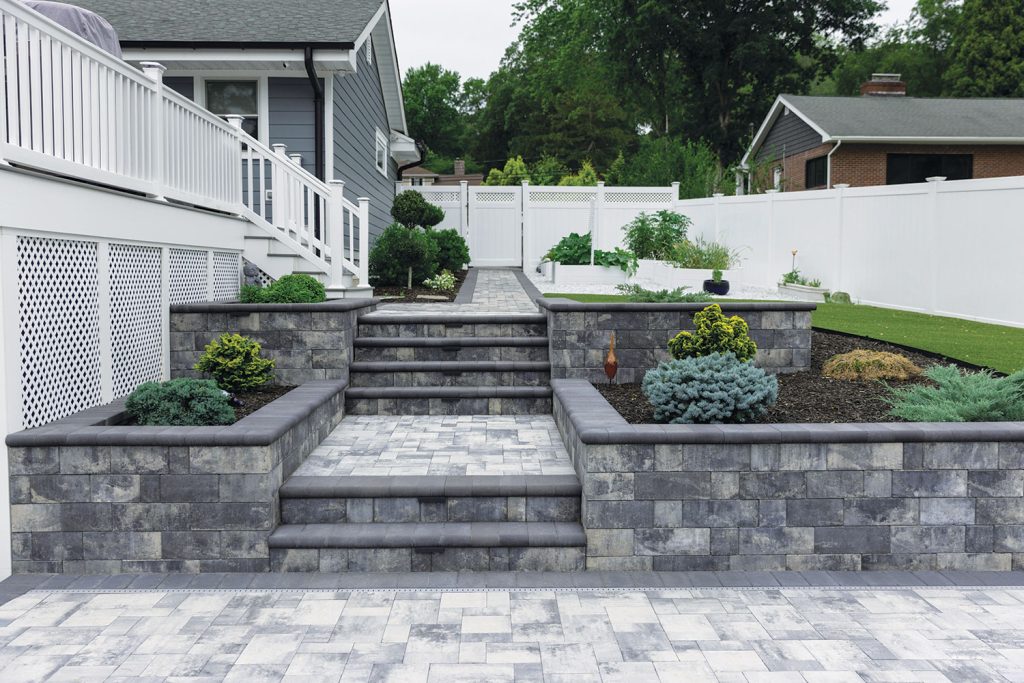
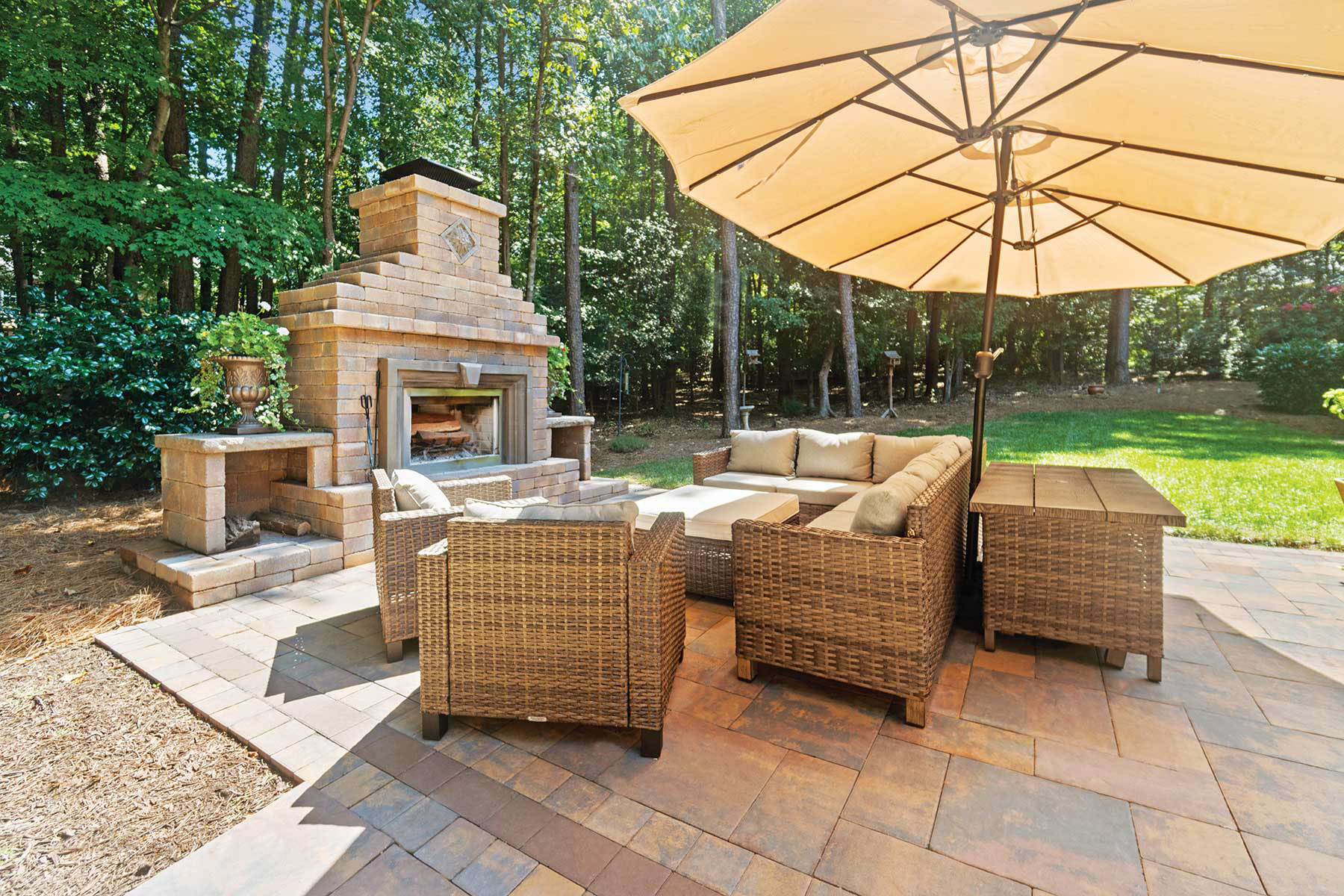
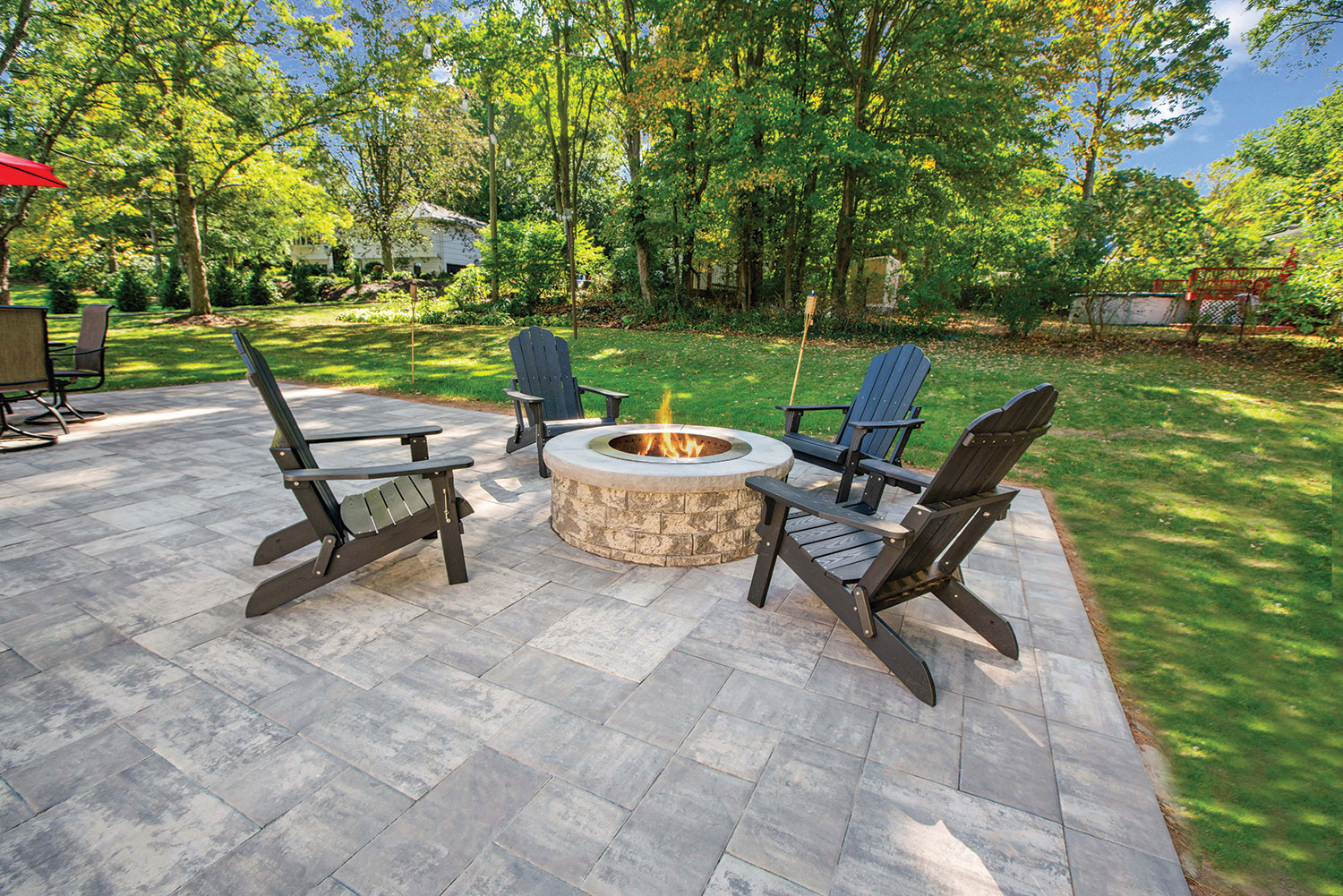
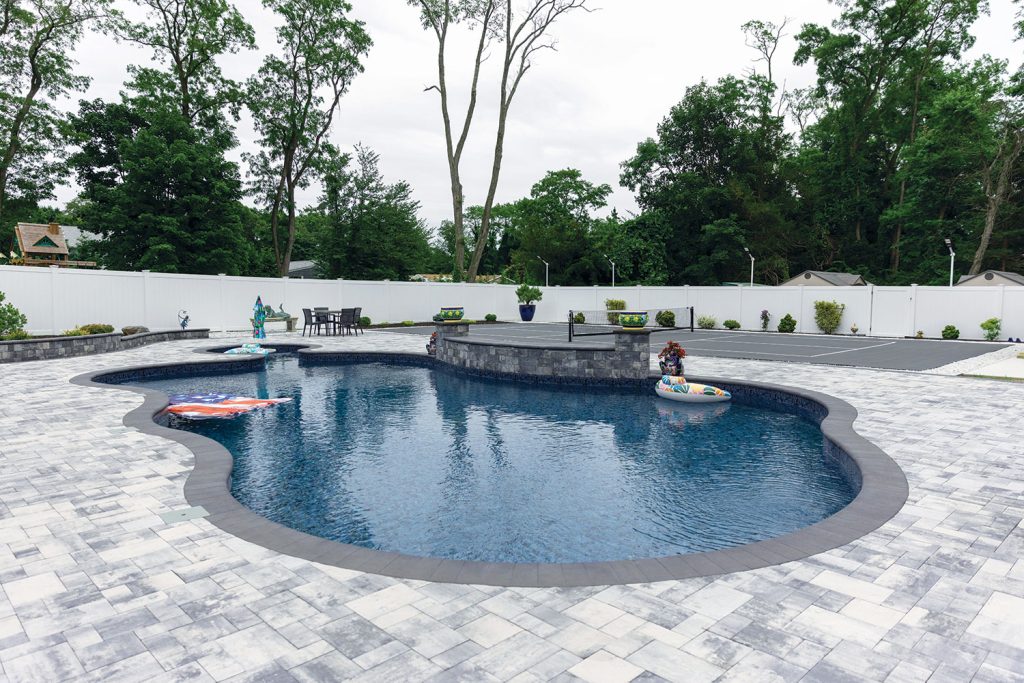
A modern patio design focuses on simplicity, open space, and visual consistency. Fewer elements compete for attention, which keeps the layout easy to use.
Key features include:
In many cases, the grill, dining table, and seating area sit within a compact footprint. That setup keeps everything within reach and reduces unnecessary movement.
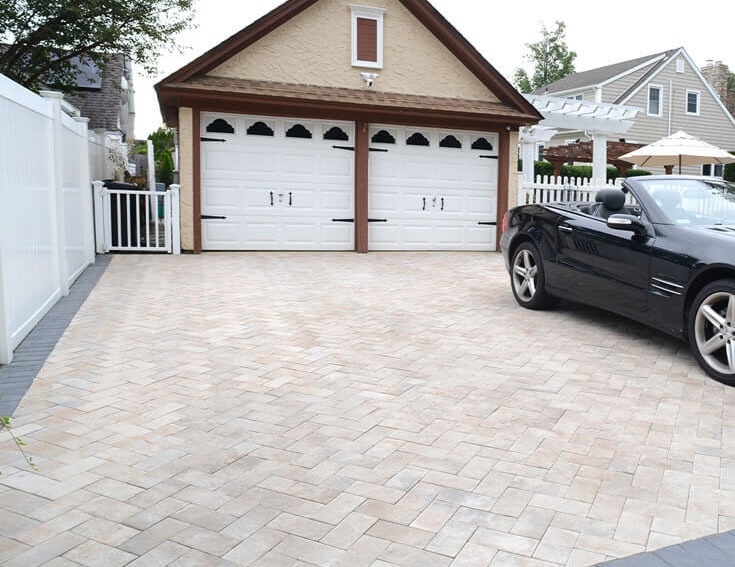
Nicolock’s paver-shield™ pavers support this approach by maintaining consistent color while creating a smooth surface across the entire patio. Fewer joints also mean easier upkeep over time.
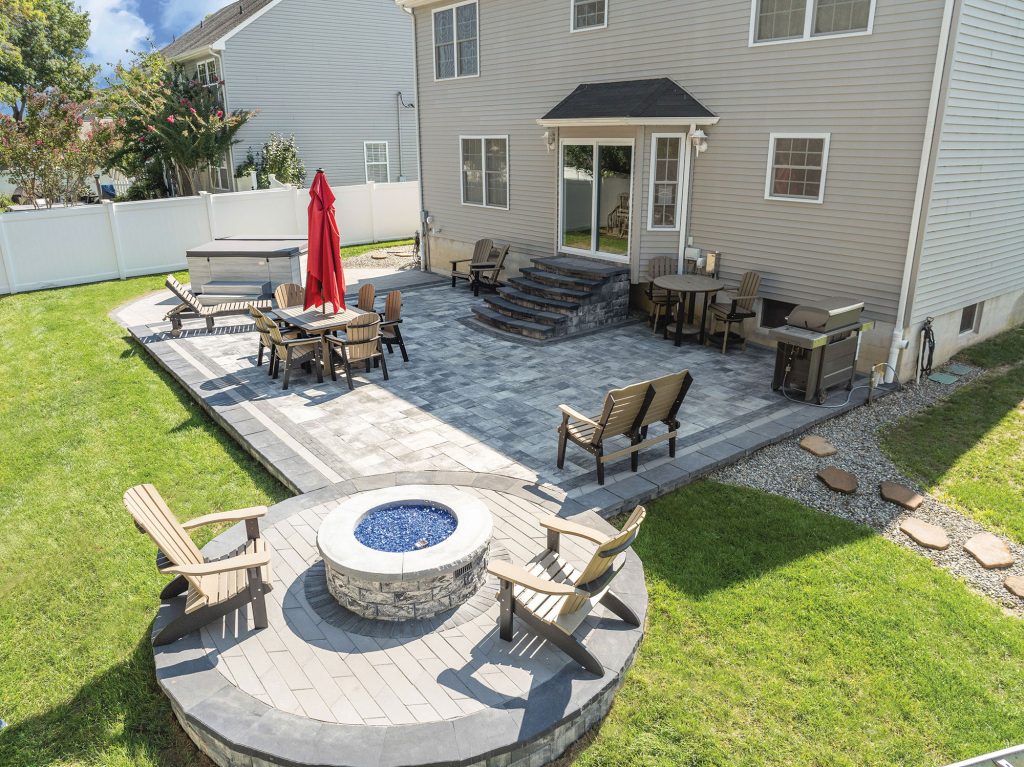
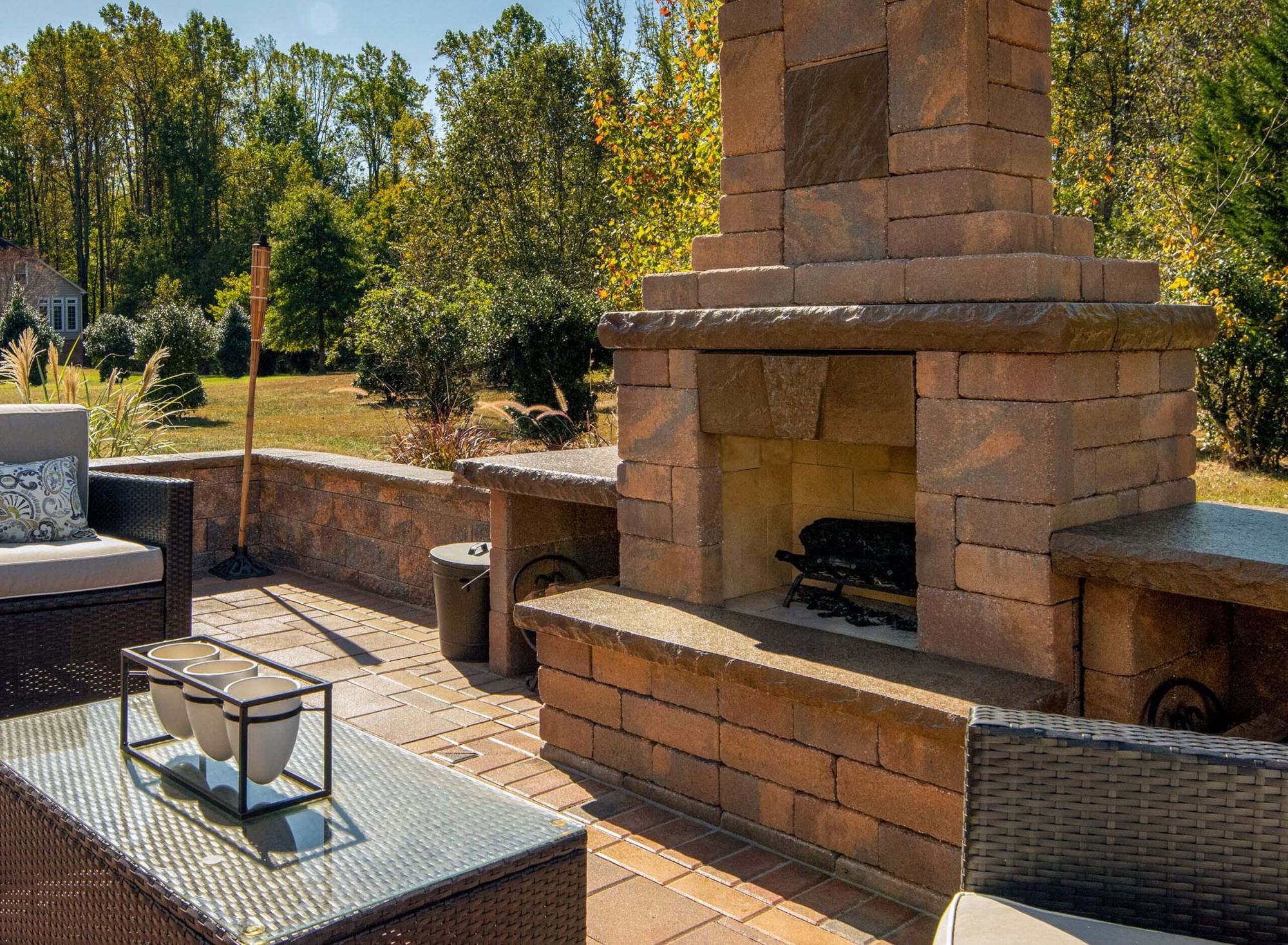
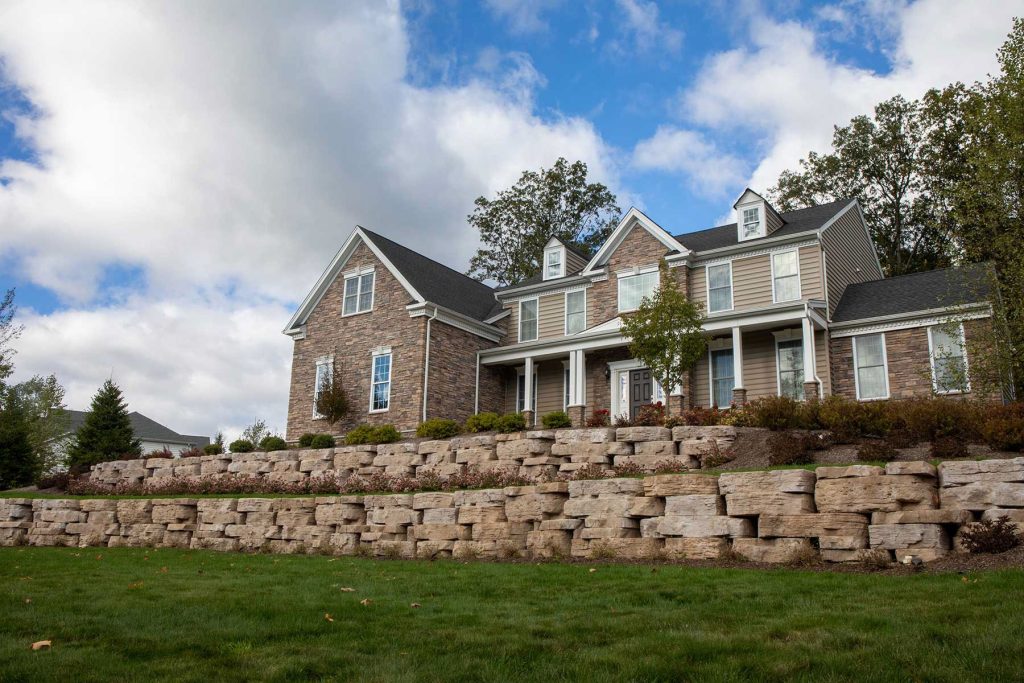
Traditional landscape design introduces more variation in shape, pattern, and texture. It builds a sense of structure through defined areas and layered elements.
Key features include:
A traditional layout might place the dining area closer to the home, with a separate lounge area further into the yard. Garden beds, walls, and pathways guide movement from one area to the next.
Nicolock offers options such as Nicostone collections, circles, and inlays, as well as detailed wall systems to support this style while maintaining durability.
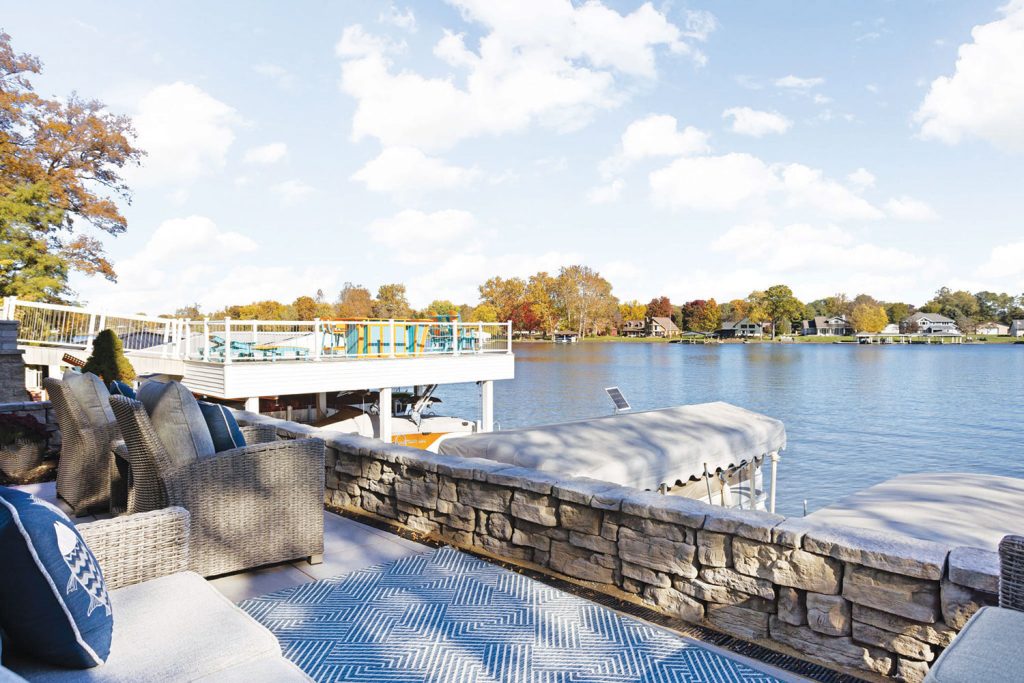
Every patio benefits from having clear areas for cooking, dining, and relaxing. The difference is how those areas are formed.
Modern layouts rely on subtle separation:
Traditional layouts create more visible transitions:
Wall systems from Nicolock help define each area while keeping everything connected. They anchor the space without making it feel closed off.
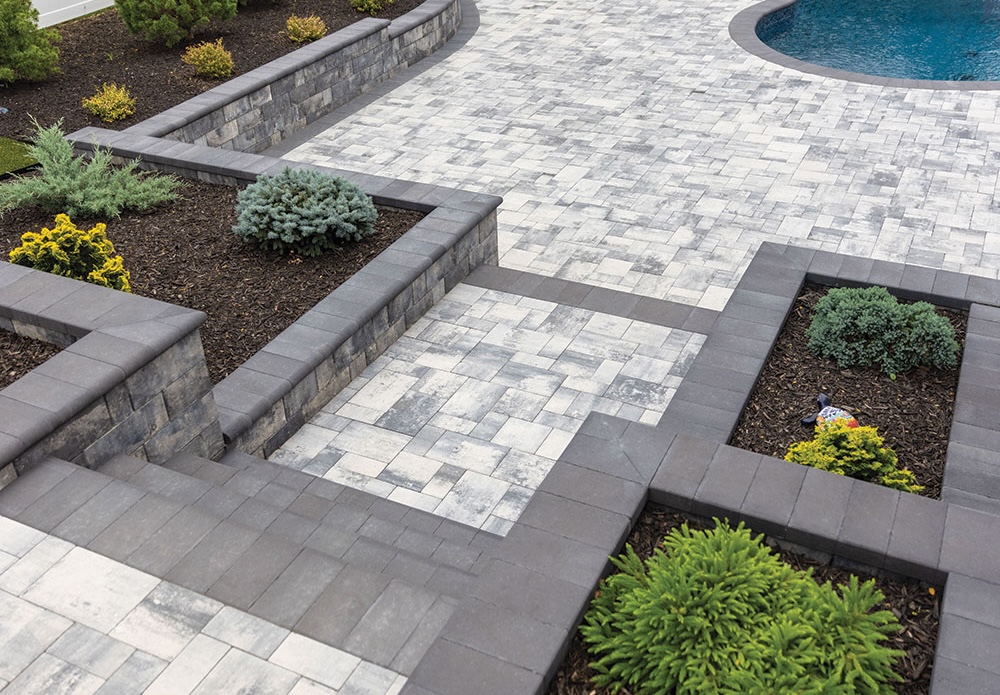
Material selection shapes how the space feels underfoot and how it looks across the yard.
Modern approach:
Traditional approach:
Nicolock’s environmental pavers and natural stone veneers allow you to bring in texture where needed. At the same time, paver-shield™ technology helps maintain color, keeping the space cohesive.
Choosing materials with long-term performance in mind helps reduce maintenance and keeps the patio looking consistent.
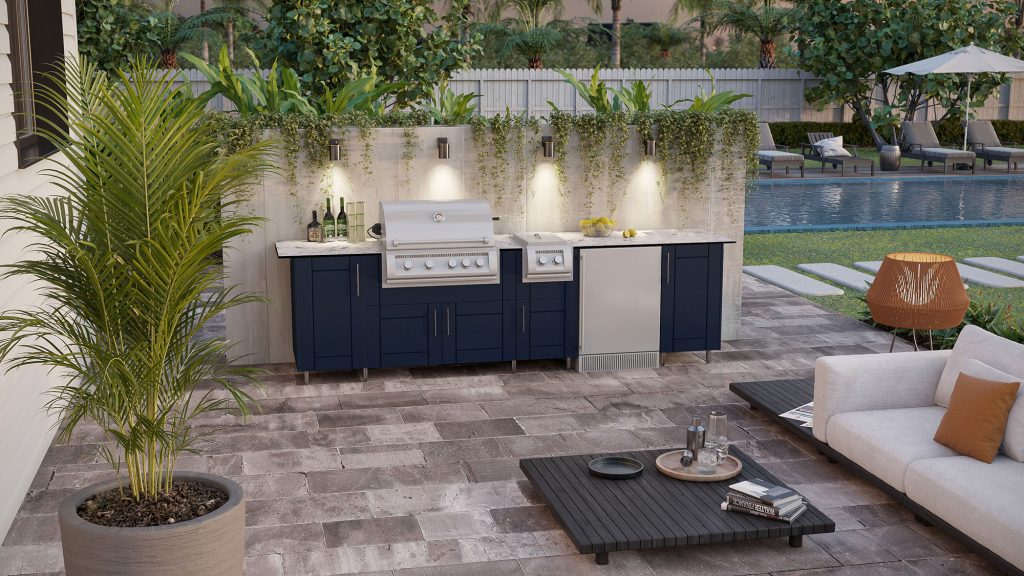
Connecting the patio to the home improves how the space is used.
You can create that connection by:
For example, continuing a neutral paver tone into nearby steps creates a smoother transition. Movement feels natural as people move between spaces.
Modern layouts often create a more seamless connection. Traditional designs can still connect well, though the transition may feel more gradual due to added detail.
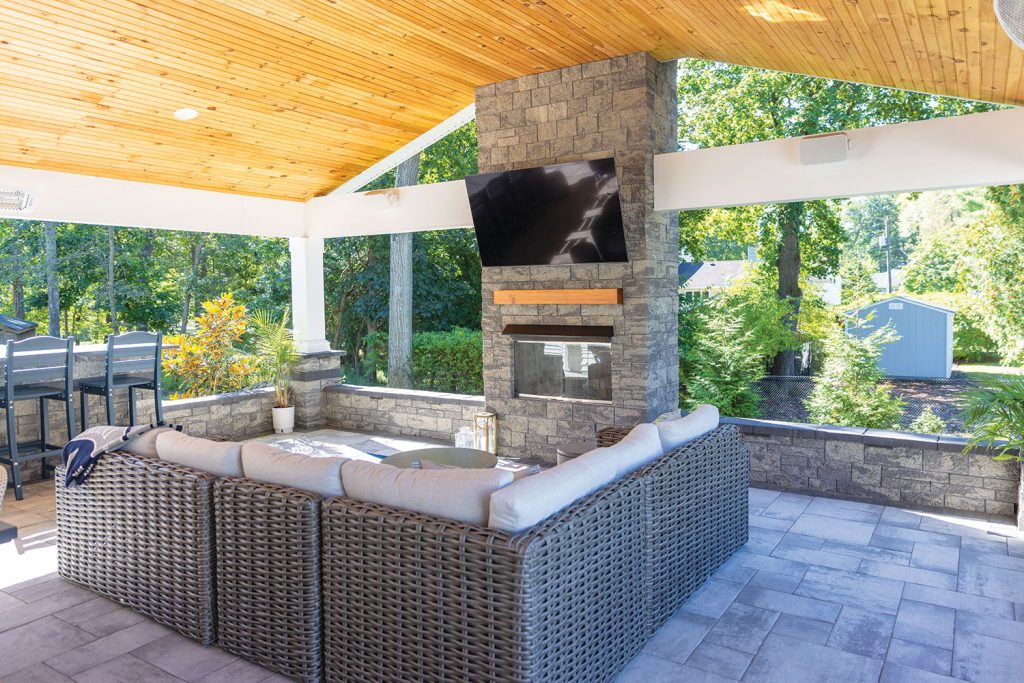
Structure brings definition to the space and helps it feel complete.
Nicolock provides several ways to introduce that structure:
These features give the space a built-in feel while improving its functionality. In modern layouts, structure stays subtle. In traditional designs, it becomes more prominent.
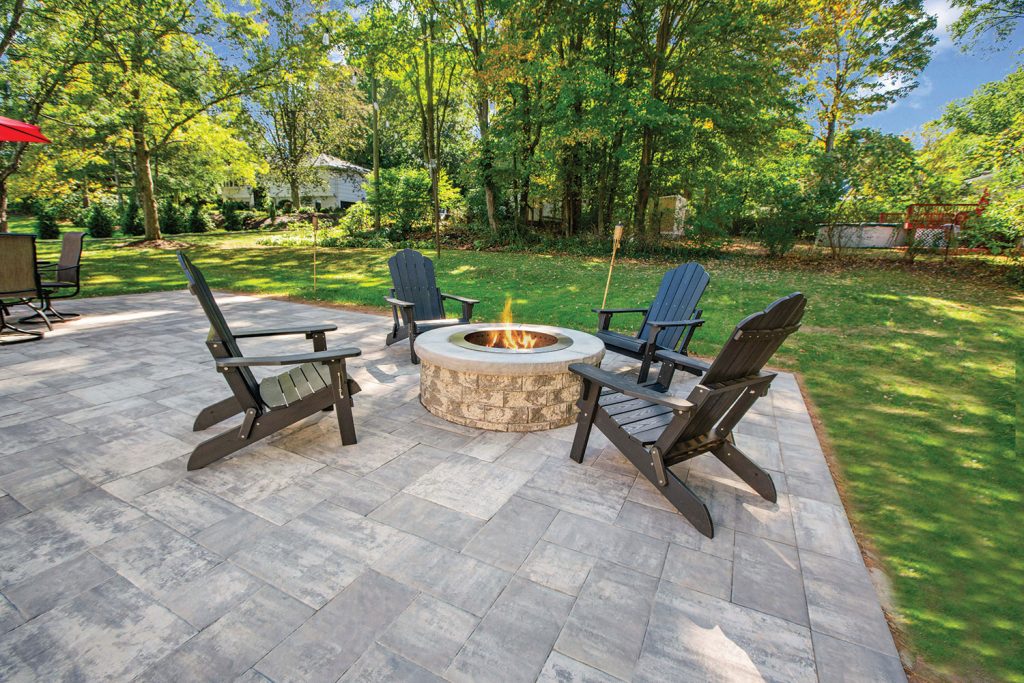
A patio should support more than just warm-weather use. With the right features in place, outdoor time can extend across seasons.
Consider:
Placement matters. Keeping these features close to the main gathering areas ensures they are used consistently.
Nicolock products are built for durability, helping your space maintain its look and function over time.
Choosing between modern and traditional comes down to your home and how you prefer to use the space.
Modern patio design fits if:
Traditional landscape design fits if:
Many homeowners combine both approaches. A clean layout with select accents often creates a balanced result.
A successful patio begins with layout, then moves into materials and features. Once the structure is set, both modern and traditional elements can come together to support everyday use.
Nicolock provides the products and design support to help shape that space—from paver-shield™ surfaces to wall systems and design resources.
Take the next step:
With the right approach, your backyard becomes a place where cooking, dining, and gathering are easy to enjoy together.