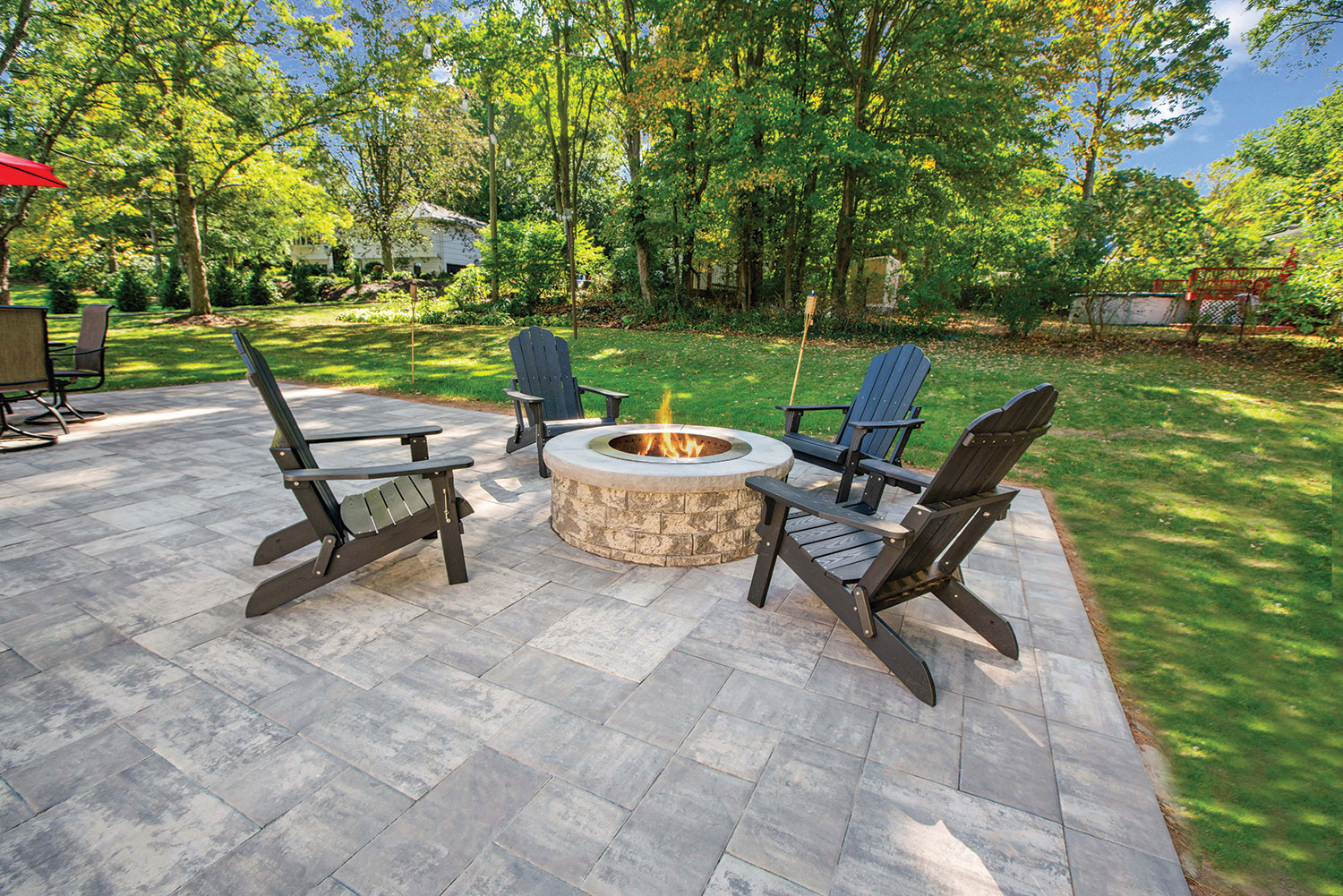
Summer brings longer days and more time outside, yet not every patio feels comfortable in the heat. Many homeowners search for cool patio ideas and end up with spaces that look appealing but feel too warm underfoot or disconnected in layout. A better approach focuses on how the space is used, how surfaces handle sun exposure, and how materials support comfort throughout the day.
A strong patio design begins with thinking about how the area fits into daily life before choosing features or finishes. Some households cook outdoors several times a week, while others prefer a quiet place to unwind after work. Others may want a flexible setup that shifts from casual afternoons to larger gatherings on weekends. Defining how the space will be used most often helps guide every decision that follows and keeps the design grounded in real needs rather than trends.
Start by defining priorities:
Each use shapes layout decisions. A properly arranged space keeps everything aligned with how the patio will be enjoyed. A cooking-focused setup needs close access between the grill, prep space, and seating. A quieter layout may favor open space with fewer fixed elements.
Clear direction at this stage helps avoid adding features that rarely get used.
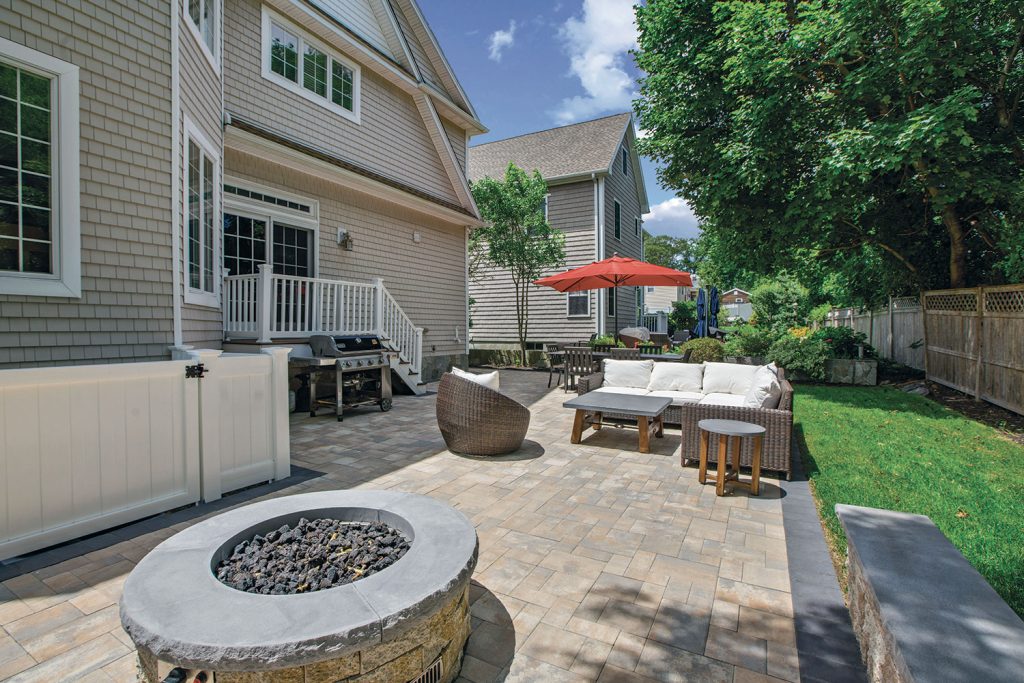
Many patios fall short because their layouts feel disjointed. A grill set far from seating or a dining table, or one placed without enough room to move, can make the space harder to use. These issues often appear after installation, when it becomes clear that movement feels awkward or key areas don’t connect as expected. Starting with layout instead of features helps prevent these common frustrations.
A layout that flows naturally keeps everything connected:
Spacing also affects comfort. Leave enough clearance around furniture so guests can move freely. Keep key areas close enough to support conversation while maintaining breathing room. A balanced layout creates a sense of ease, supporting everyday use.
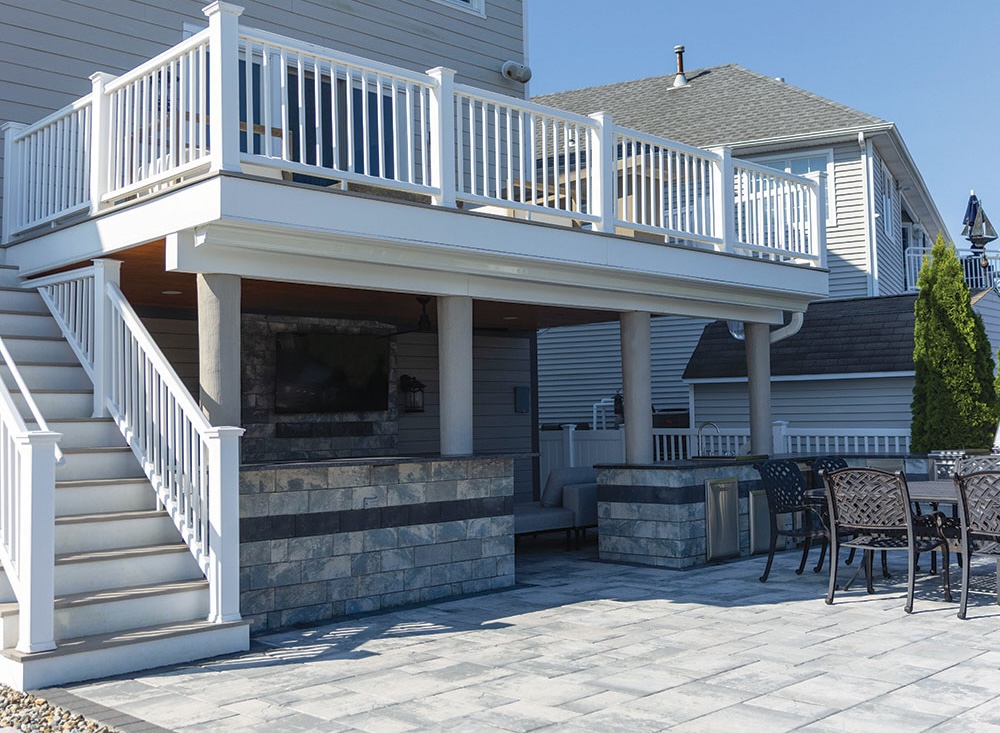
Cooking often anchors outdoor living. The most effective cool patio ideas keep the grill connected to seating instead of isolating it. A well-placed cooking area helps the space feel active and social rather than segmented. Guests can gather nearby, and the cook remains part of the conversation rather than stepping away from it.
Position the cooking area so it supports interaction:
This arrangement allows the cook to stay engaged with guests while preparing meals. It also reduces unnecessary movement across the patio.
Surface selection plays a role here as well. Light-colored pavers help reflect sunlight, which keeps the cooking zone more comfortable during peak hours. Choosing materials that manage heat supports both function and enjoyment.
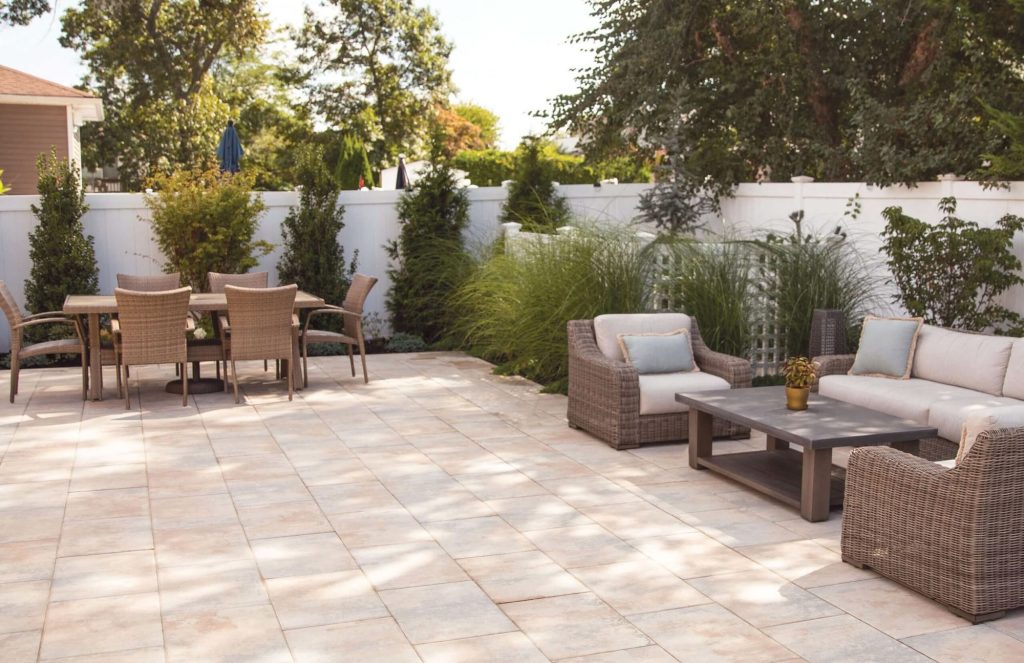
Patios exposed to full sun can become uncomfortable without the right materials. Dark surfaces absorb heat and may feel hot during midday, especially in areas with little shade.
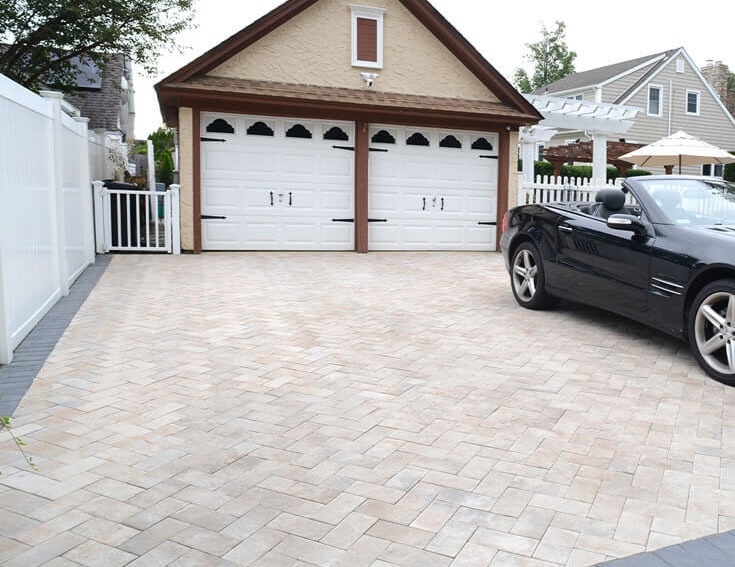
Heat-resistant pavers offer a more comfortable solution. Lighter tones reflect more sunlight, helping to keep surfaces cooler. Texture also matters, as it affects how heat is felt underfoot.
For patios that see frequent sun exposure:
Nicolock pavers, engineered with paver-shield™ technology, are designed to maintain color consistency over time. This helps preserve the look of the space while supporting long-term performance in outdoor conditions.
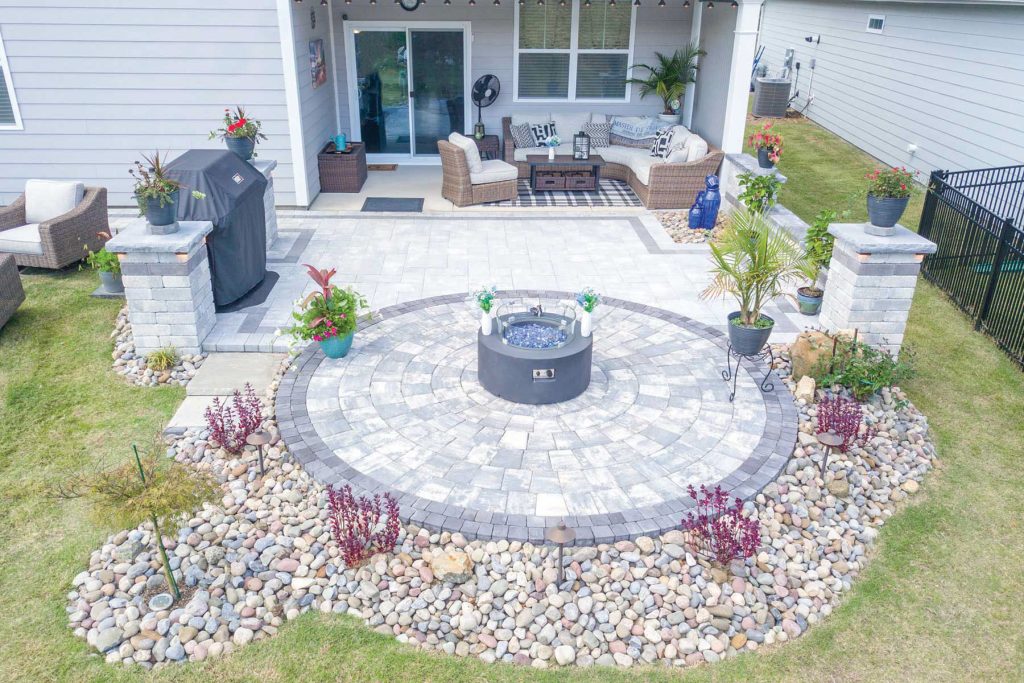
Fire features extend the use of a patio into cooler evenings, yet placement determines how often they are used. A fire pit set off to the side may not attract attention, while one placed at the center becomes a natural gathering point.
To create a more inviting setup:
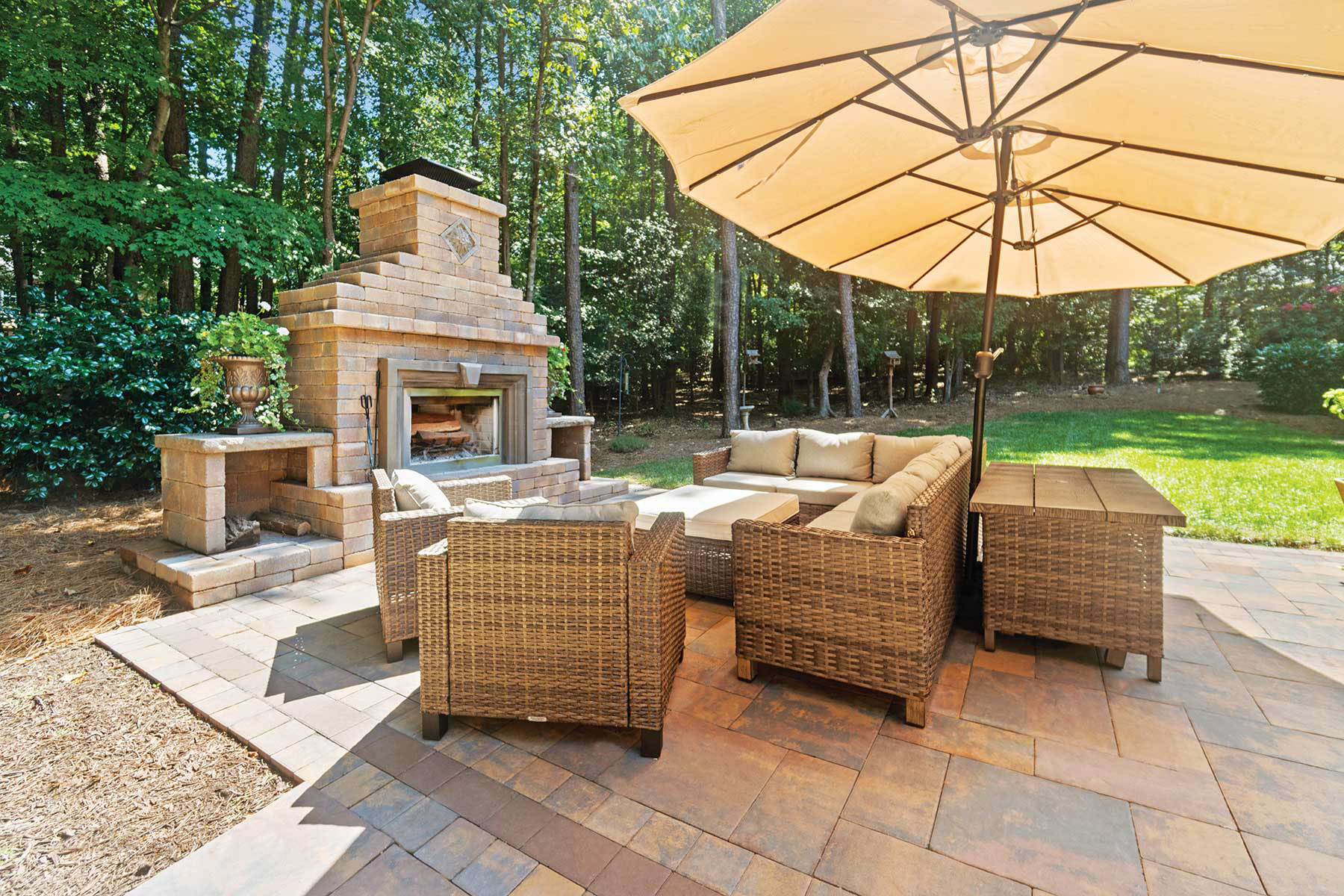
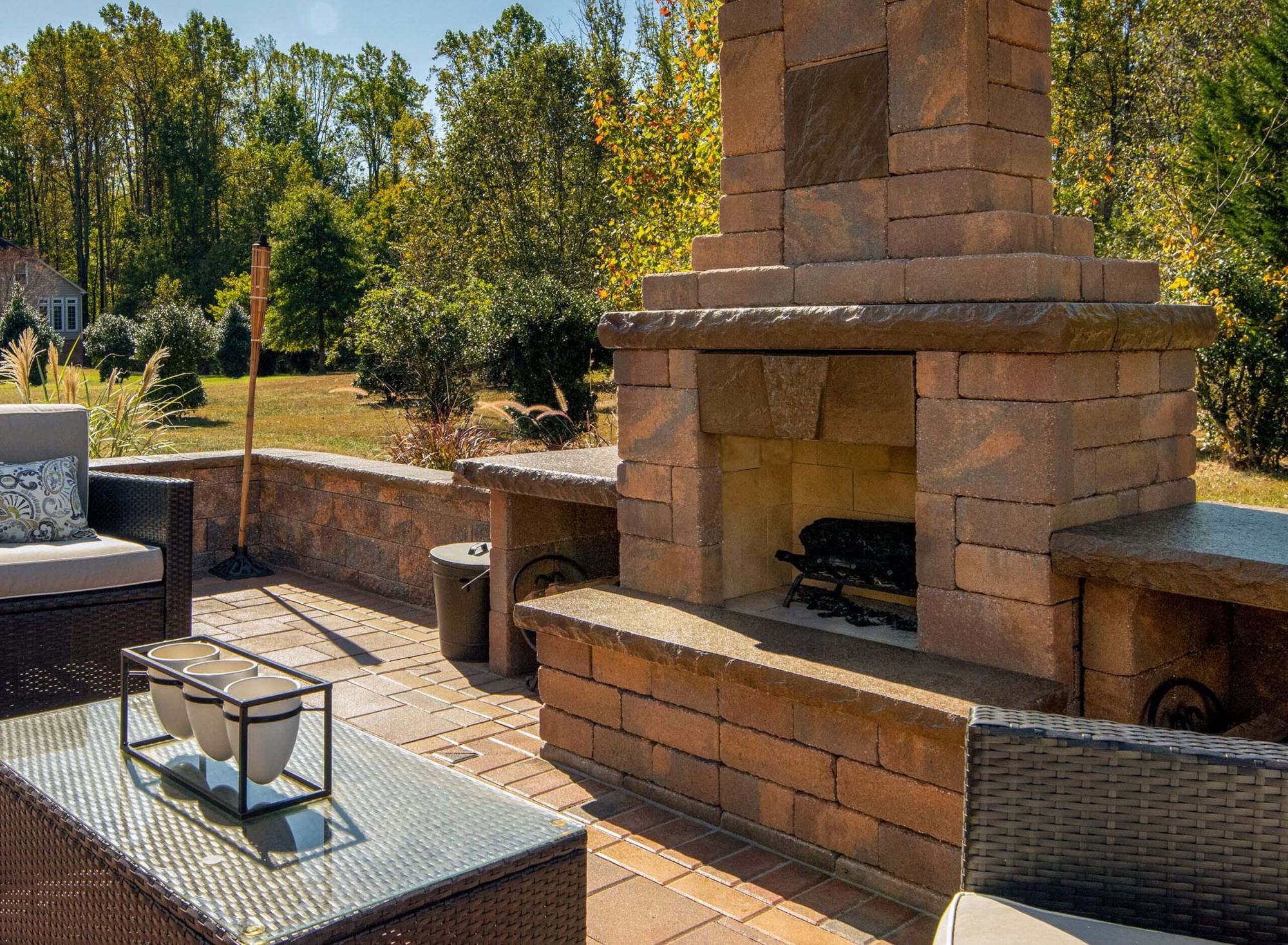
A structured layout helps the fire feature feel integrated rather than separate. A fireplace can create a stronger focal point for larger spaces, while a fire pit suits more open layouts.
Surfaces around fire features need to handle changing temperatures while remaining comfortable. Heat-resistant pavers for fire pit areas help maintain a consistent surface under varying conditions.
When planning this section of the patio:
Light-colored materials can also help balance temperature changes. This approach keeps the area comfortable while maintaining a cohesive design across the patio.
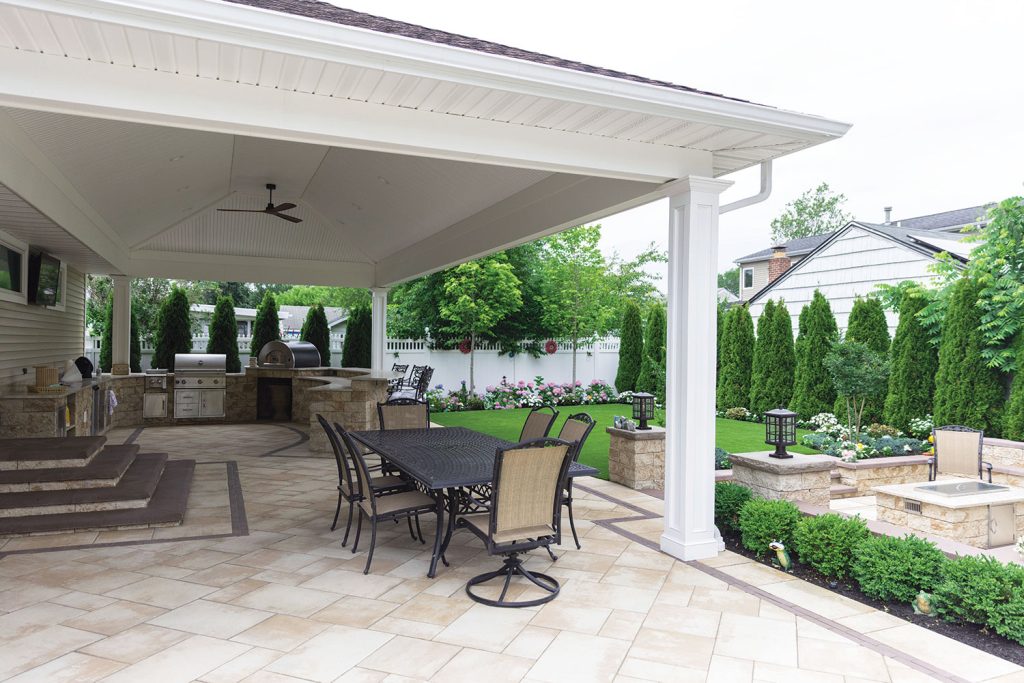
Outdoor dining works best when it feels like a natural extension of the kitchen. Keeping the table close to the cooking area reduces steps and keeps meals flowing smoothly. A well-positioned dining area also keeps guests engaged, allowing conversation to continue without interruption while food is being prepared and served.
Focus on comfort and accessibility:
Surface choice again affects the experience. Light-colored pavers help keep the area cooler during midday meals, making it easier to enjoy time outside without discomfort.
A well-designed lounge area encourages people to stay outside longer. Comfortable seating, thoughtful placement, and a sense of definition all contribute to that experience.
Create a space that supports relaxation:
A cohesive design helps guide the layout without closing off the area. Low walls or built-in features can frame the seating area while maintaining an open feel. Nicolock wall systems support this approach by adding structure and a finished look.
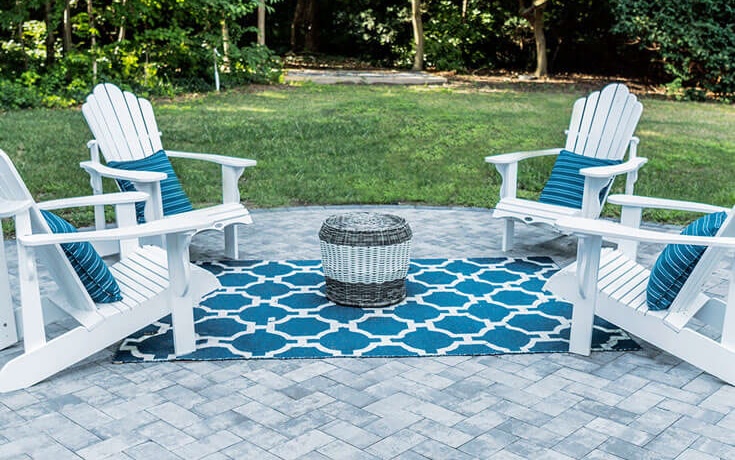
Limited space or uneven terrain does not prevent a strong design. In many cases, these conditions lead to more efficient layouts and more intentional use of every square foot. Instead of trying to fit too much into a smaller footprint, the focus shifts toward creating defined areas that feel open and functional.
For smaller patios:
For sloped yards:
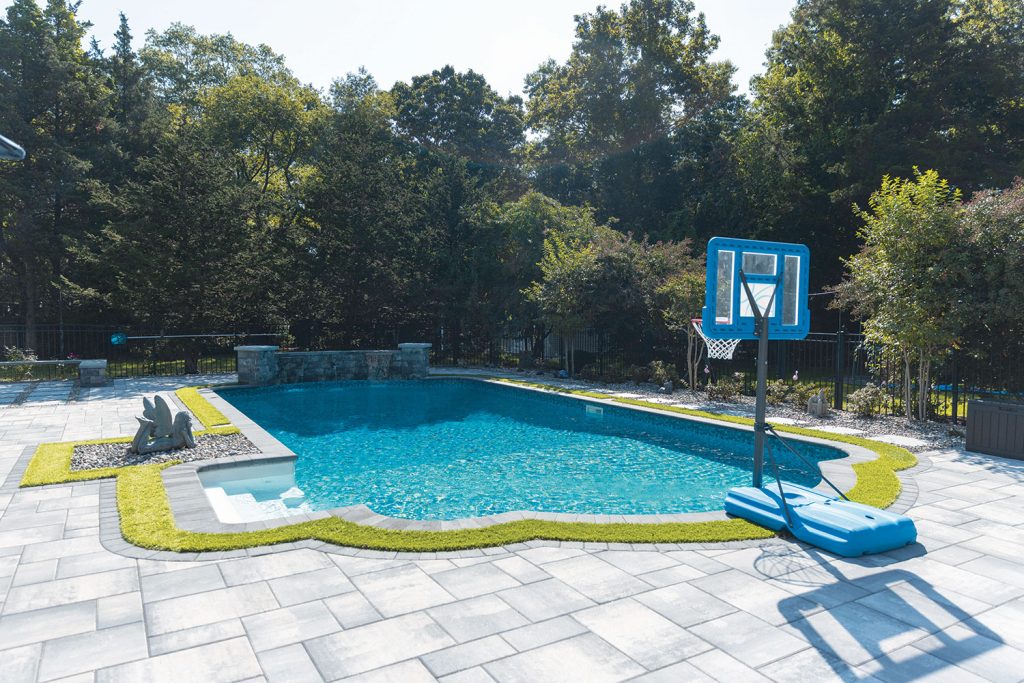
Poolside areas benefit from thoughtful spacing and material selection. Surfaces should remain comfortable under bare feet while supporting movement between water and seating.
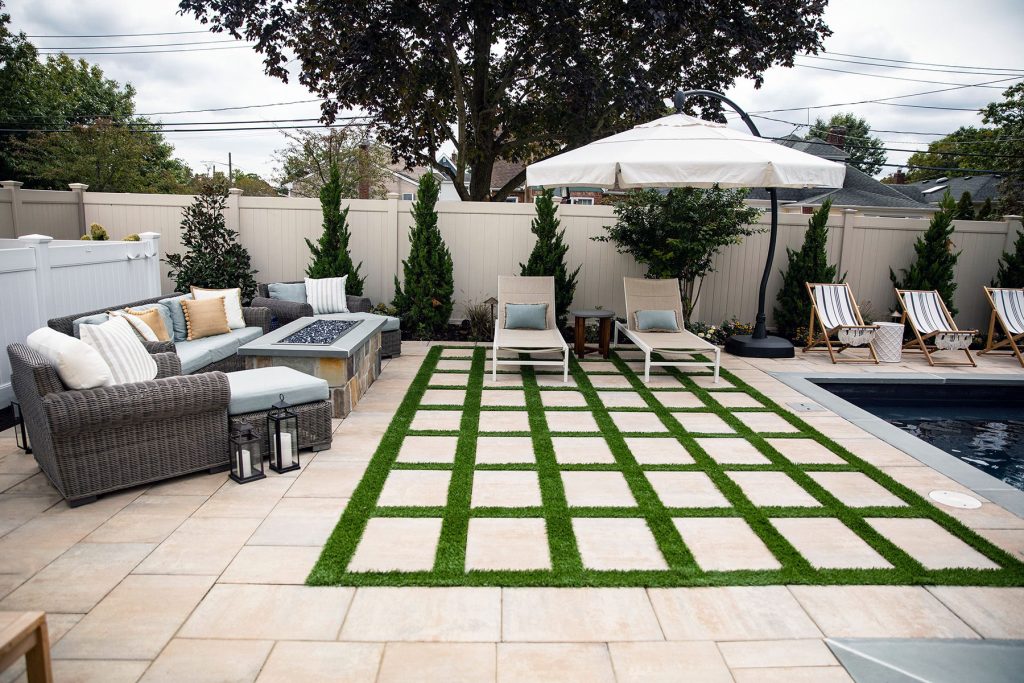
Selecting the right pavers involves more than color alone. Consider how the patio will be used and how the materials will perform over time.
Use this quick checklist:
Nicolock offers a range of options, including paver-shield™ pavers, Nicostone, and environmental pavers. Each product line offers design flexibility while supporting long-term durability.
Strong patios come from clear decisions. A structured layout, thoughtful material choices, and a defined purpose create a space that feels complete.
The best cool patio ideas support how you live, not just how the space looks. A cohesive design connects each area while maintaining comfort throughout the season.
Nicolock brings over five decades of experience in outdoor living products, offering solutions designed for durability, color retention, and everyday use. That experience helps homeowners create spaces that feel unified and ready for every season.
Taking the next step starts with seeing how these ideas come together in a real space. From layout to material selection, having the right guidance helps turn a concept into something you can use every day.
If you’re ready to move forward, Nicolock makes it easy to get started. You can connect with a local dealer to view products in person, work with a contractor to bring your design to life, or visit a Design Studio to map out your space with expert support.
The right combination of layout, materials, and planning creates a space that stays comfortable and ready for everyday use all season long.