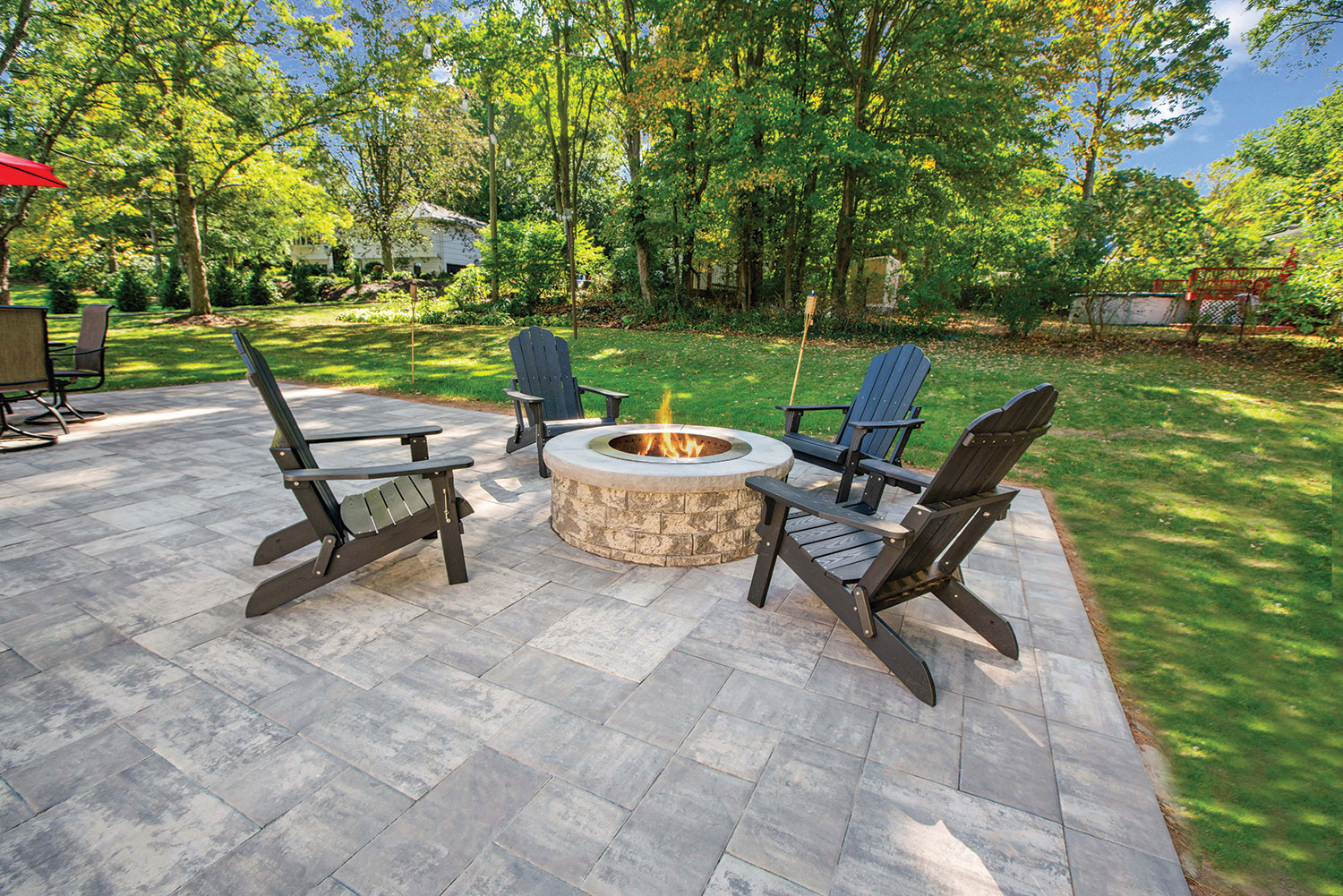
Your outdoor space is an extension of your home — a place where weeknight dinners move outside, where kids take over the backyard, and where a well-designed patio becomes the spot everyone gravitates toward. Hardscape is what makes that possible. The right materials, laid in the right pattern on a properly prepared surface, turn an unused yard into a living space built to last for decades. At the center of every hardscape decision is one question that shapes everything else: what paver sizes will work for this space? Get that right, and the project comes together. Get it wrong and even beautiful materials produce a result that feels off.
Most projects run into trouble before a single paver hits the ground. Homeowners pick a size based on how it looks in a showroom, then move forward without asking the two questions that matter most: Does this format fit the scale of my space? And how many units do I actually need?
In working with contractors and homeowners across the Northeast for more than 50 years, our team at Nicolock hears the same regrets. The patio looks heavy and cramped. The driveway installation stalls because units ran short. Both mistakes are preventable. This guide covers paver stone sizes so you can plan your project with confidence and order exactly what you need the first time.
Size feels like a simple choice until you are standing on a finished patio that does not look right. Too large a unit in a tight courtyard makes the space feel heavy. Too small a unit across a broad driveway creates visual noise that reads as restless and cluttered.
Ordering the wrong quantity mid-project compounds the problem. Tracking down matching inventory, waiting on a restock, and hoping the dye lot matches what is already laid is a stressful and expensive position to be in. As a manufacturer, we guarantee color consistency within a production run — but mismatched batches from separate orders can vary. Over-ordering wastes money. Under-ordering stops the job. Both outcomes are avoidable once you understand how paver dimensions relate to space, load, and layout.
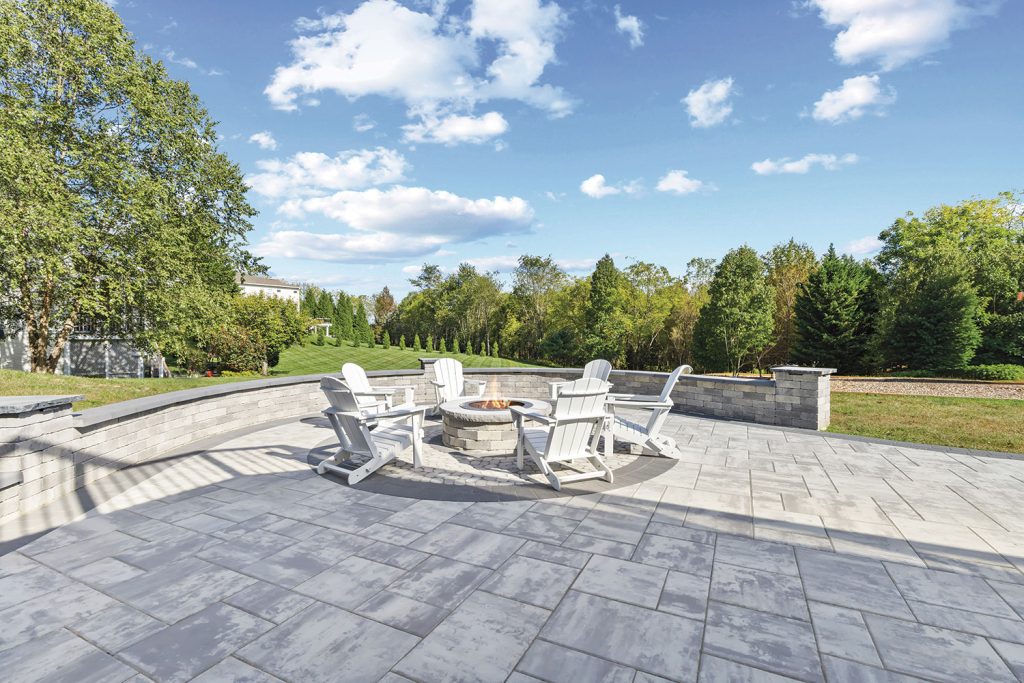
Concrete paver dimensions follow a logical system built on 6-inch increments. This makes mixing formats within a pattern straightforward because units are designed to align. Understanding the full range gives you a clear starting point before comparing specific products.
| Paver Size (inches) | Size (cm) | Sq Ft per Unit | Best Application |
| 4 x 8 | 10 x 20 | 0.22 | Classic driveways, herringbone patterns |
| 6 x 6 | 15 x 15 | 0.25 | Tight decorative areas, borders |
| 6 x 9 | 15 x 23 | 0.38 | Walkways, patios, mixed patterns |
| 8 x 8 | 20 x 20 | 0.44 | Versatile residential use |
| 12 x 12 | 30 x 30 | 1.00 | Patios, pool decks, walkways |
| 16 x 16 | 40 x 40 | 1.78 | Medium-to-large patios, contemporary design |
| 18 x 18 | 45 x 45 | 2.25 | Pool surrounds, outdoor living areas |
| 24 x 24 | 60 x 60 | 4.00 | Modern large-scale patios |
| 16 x 24 | 40 x 60 | 2.67 | Contemporary driveways and patios |
| 20 x 30 | 50 x 75 | 4.17 | Large-format contemporary spaces |
| 24 x 36 | 60 x 90 | 6.00 | Statement patios, wide entries |
Nicolock concrete pavers are engineered for freeze-thaw climates and have been installed across the Northeast for over five decades. The compacted aggregate base that gives pavers structural flexibility through seasonal cycles also means the surface can be lifted and reset if underground utilities ever need access — something a poured concrete slab cannot offer.
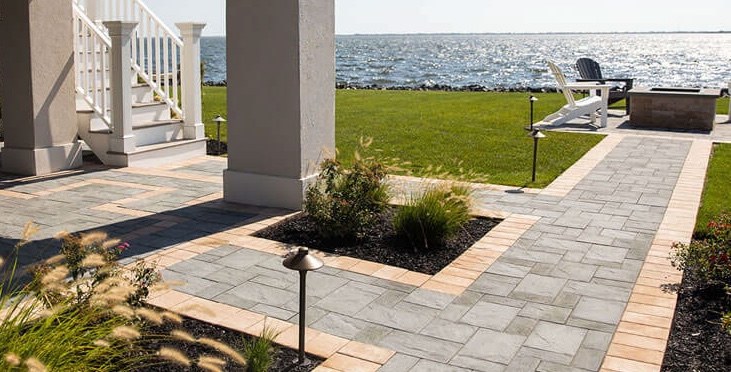
Common paver sizes only become the right choice when they fit the scale of the space. A 24x24 paver laid in a 10x12 patio leaves so few full units that the borders consist almost entirely of cut pieces. Compact 4x8 pavers across a wide driveway apron multiply joint lines, making the surface read as busy rather than refined.
Joint-line density is an underrated design factor. Every joint is a visual element. Small pavers create a textured, traditional feeling that suits cottage gardens and historic streetscapes. Larger formats reduce that density, producing a cleaner surface that pairs naturally with contemporary architecture. Neither approach is wrong — both need to be intentional.
Use this as your starting point:
These are guidelines, not absolutes. A site visit with a qualified contractor always produces the most accurate spec.
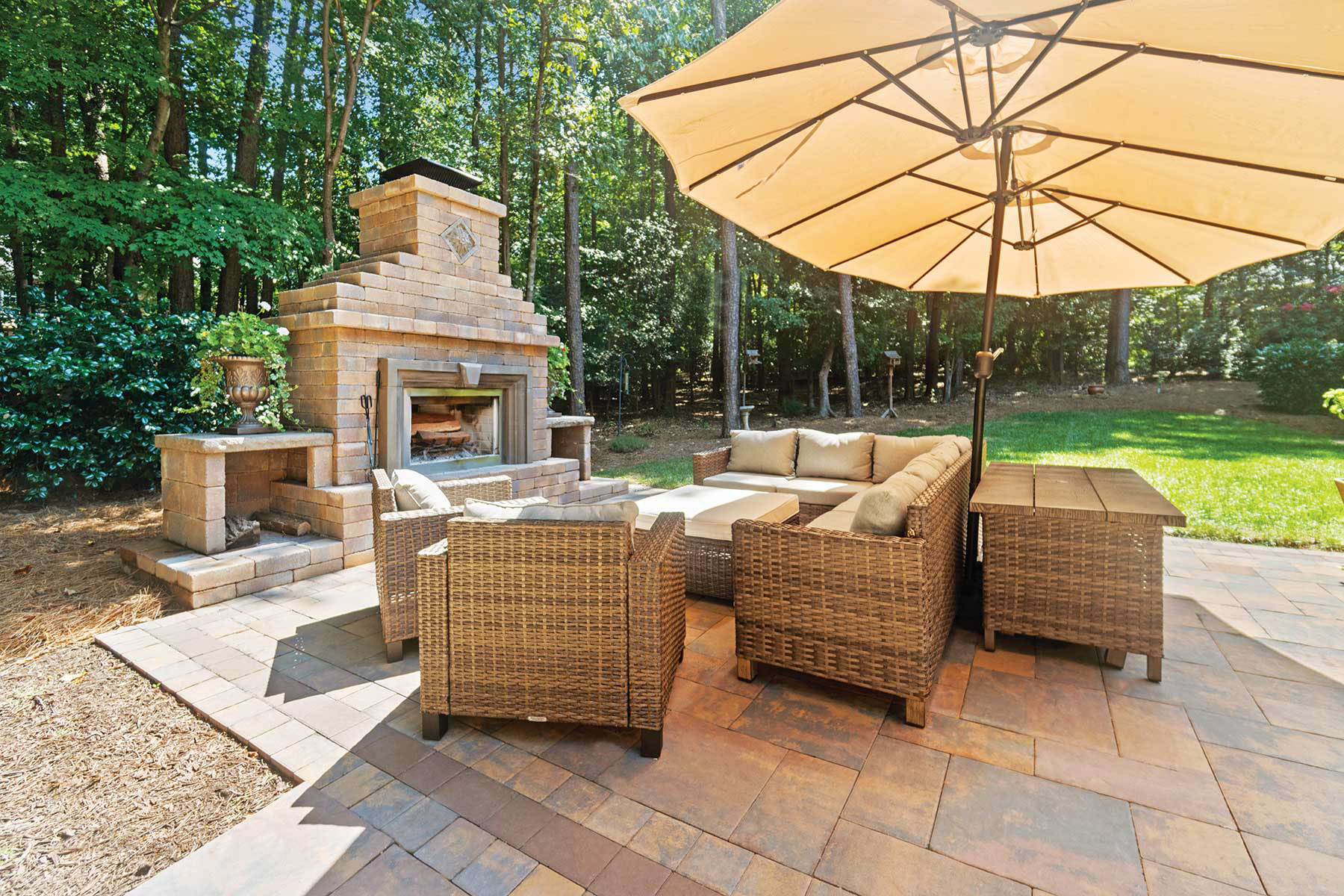
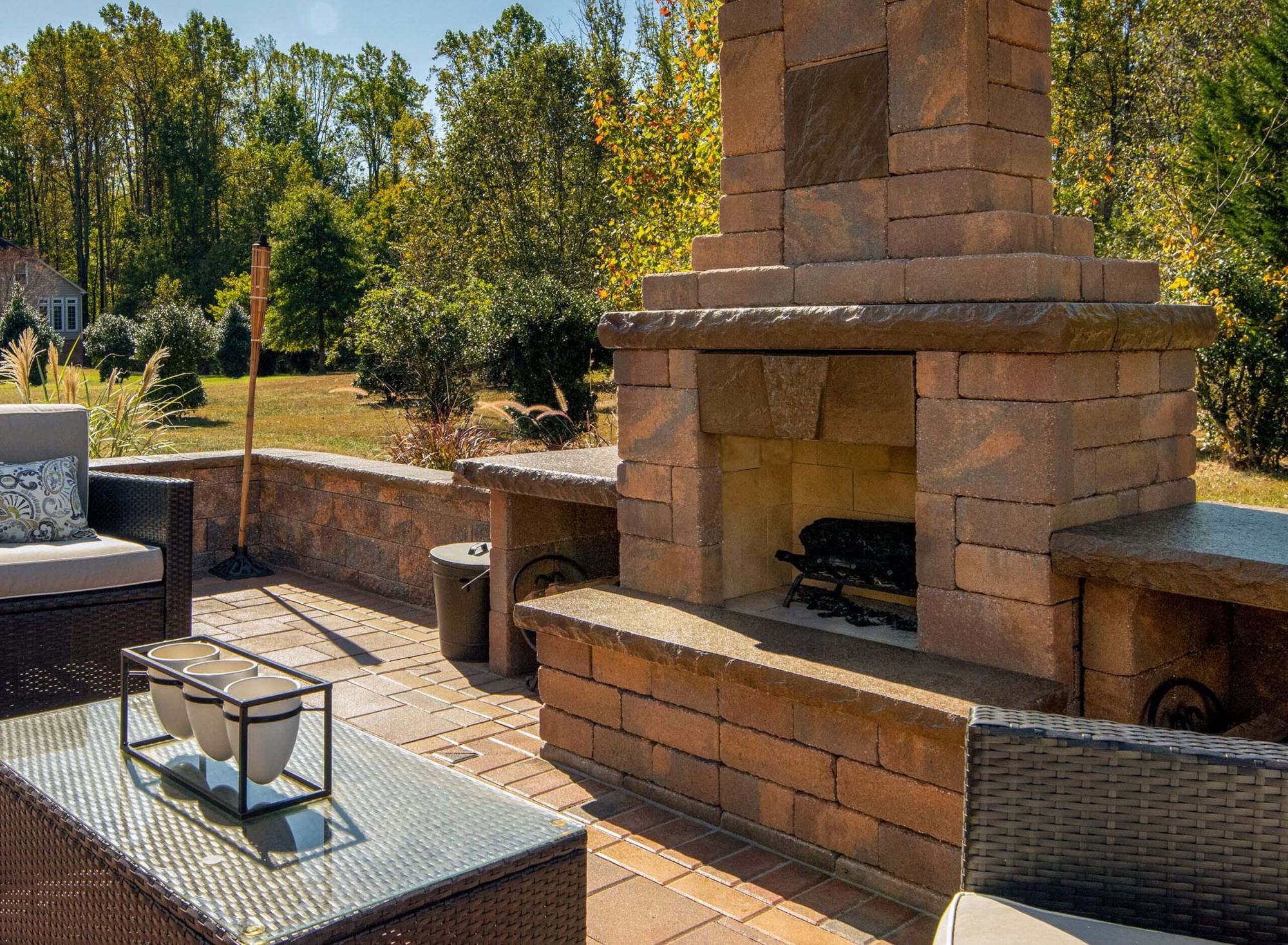
Patio paver sizes range from 12x12 for traditional grid layouts through 18x18 and 24x24 for cleaner, more contemporary results. For spaces organized around seating, dining, and outdoor entertaining, 18x18 is a reliable starting point. The format scales well across most residential patios, lies efficiently, and aligns with indoor tile dimensions that many homeowners already have a feel for.
The failure mode is pairing an oversized format with a compact space. A 24x24 paver on a small patio produces cut pieces on nearly every edge, wastes material, and makes the area look like it ran out of room. Go one size smaller than instinct suggests, then confirm the layout by sketching it on paper or using Nicolock's online Design Studio.
Nicolock's patio collection spans standard and large-format options. Products made with paver-shield™ technology carry color throughout each unit. Wear and traffic over time never reveal a different-colored core underneath.
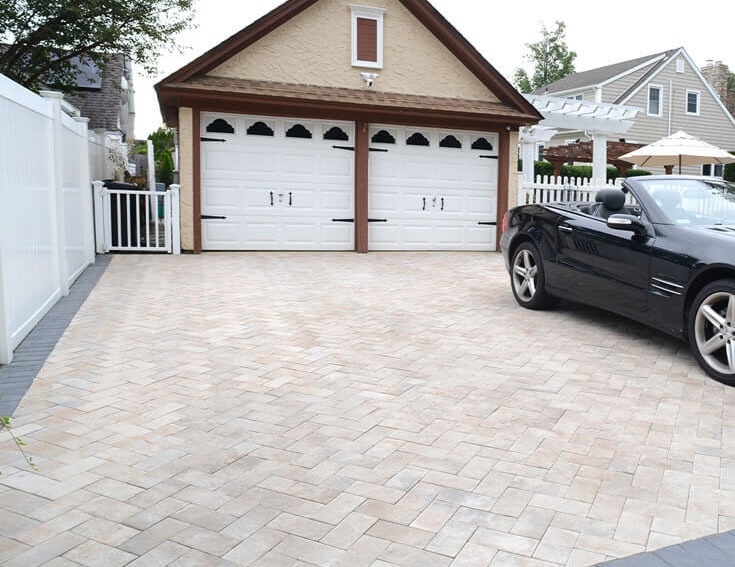
4x8 pavers are the most widely specified unit for residential driveways. Their rectangular format locks into herringbone and running bond patterns that transfer vehicle load laterally across the surface, reducing the risk of individual units shifting under repeated traffic. The Interlocking Concrete Pavement Institute (icpi.org) identifies herringbone as the most structurally stable pattern for vehicular applications.
For driveways where a modern aesthetic is the priority, 12x12 units in a grid layout are a strong alternative. Nicolock's FAQ confirms that a standard 2-3/8-inch-thick paver is appropriate for light vehicular use, including cars and pickup trucks. For heavier loads, consult your contractor about base depth. The FAQ recommends 8 to 12 inches of compacted base material for driveway applications.
Choosing a paver that is not rated for vehicular use is one of the most expensive mistakes in residential hardscaping — the entire surface has to be removed to fix it.
6x9 pavers sit between the classic brick format and medium-scale patio units in both size and versatility. Their proportions work in running bond, basket weave, and mixed-pattern layouts — one of the most adaptable options across the standard range.
For walkways, the 6x9 format strikes a good balance between joint-line rhythm and visual weight. A 36-inch-wide path in running bond gives each side a clean edge without excessive cutting. A 24x24 unit in the same 24-inch path means cuts on every single course — adding labor and waste from start to finish.
Nicolock's Rustico 6x9 is one of the most consistently specified products in our line. It delivers the proportion of a traditional brick with the color depth and fade resistance that paver-shield™ technology provides throughout the full thickness of each unit. Paired with 9x18 units in an ashlar layout, the 6x9 also works well in a mixed-pattern installation on patios and pool decks.
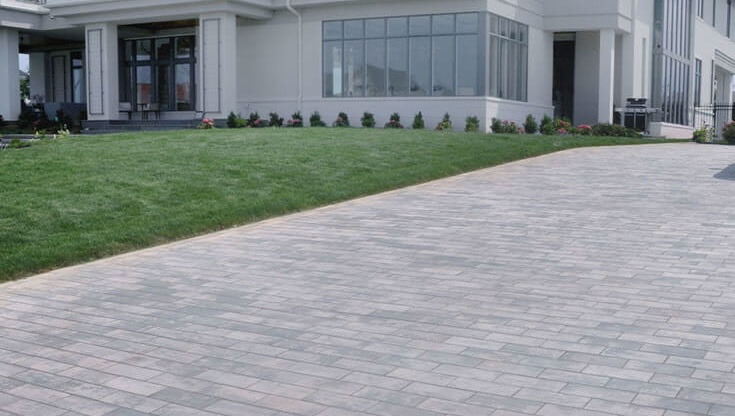
Paver thickness is worth understanding, though for most Nicolock projects, it is not a complicated decision. Our concrete pavers are manufactured at the industry-standard 2-3/8 inch thickness — the specification the ICPI recommends for residential pedestrian use and light vehicular applications, including cars and pickup trucks.
What thickness determines the load performance? A 2-3/8 inch paver on a properly compacted aggregate base will handle everyday residential use without issue. The base depth matters as much as the unit itself: 4 to 6 inches of base material for patios and walkways, and 8 to 12 inches for driveways, per Nicolock's installation guidelines.
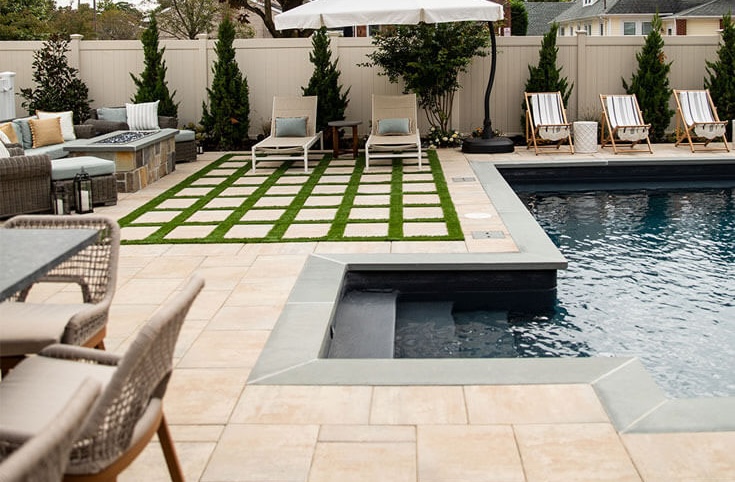
For pool decks, size, surface texture, and thickness work together. Larger formats like 12x24 and 18x18 reduce joint density around pools, which limits the buildup of pool chemicals and moisture in the sand joints — a practical maintenance advantage over time.
Concrete paver sizes span the widest range of any paving material — from 4x8 through 20x30 and larger — because manufactured concrete can be cast to precise dimensions at scale. That consistency is what allows complex patterns and mixed-size installations to work cleanly.
Natural stone follows similar increment logic but with wider tolerances, since it is quarried rather than cast. A nominally 12x24 piece of limestone or granite varies in actual dimensions from unit to unit. Across a large installation, that variation accumulates — joints widen unevenly, patterns shift, and the result looks less deliberate than intended.
Nicolock's manufacturing process combines precisely measured materials to create a consistent, durable base mix. paver-shield™ technology bonds iron oxide pigments to cement molecules throughout the full depth of each unit. The color on day one is the same as a decade later, even under UV exposure, freeze-thaw cycles, and daily foot traffic. Products without paver-shield™ can develop worn, faded surfaces with exposed aggregate as years pass.
Nicolock backs many of its products with an industry-leading fully transferable lifetime warranty. Details are available at nicolock.com/warranty-registration/.
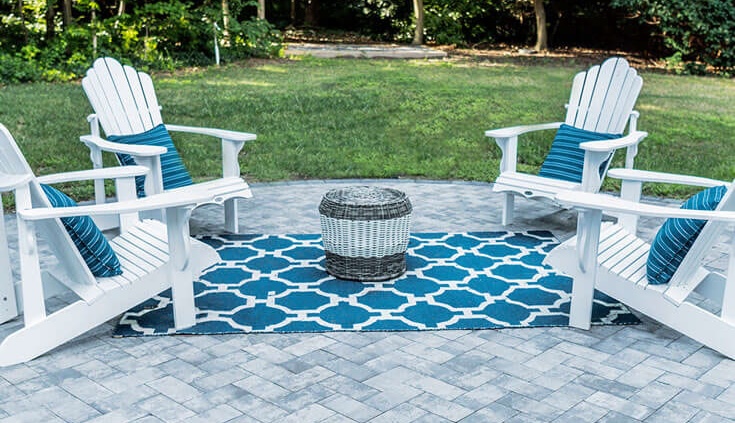
Brick paver sizes follow a narrower standard than concrete. The two most common formats are the full brick at 4x8 and the modular brick at 3-5/8 x 7-5/8 — both approximately 2-1/4 inches thick and covering roughly 0.22 square feet per unit. At 4.5 units per square foot, brick creates a high joint-line density with a textured, traditional character.
Clay brick takes its color from the firing process rather than surface pigment, so appearance holds reasonably well over time. The trade-off is a limited size range that restricts design flexibility. Brick suits colonial entries, cottage garden paths, and bordered patios where the material's inherent character is part of the design intent. For projects that call for larger formats, a broader color palette, or better freeze-thaw performance in northern climates, concrete paving stones are the more capable choice.
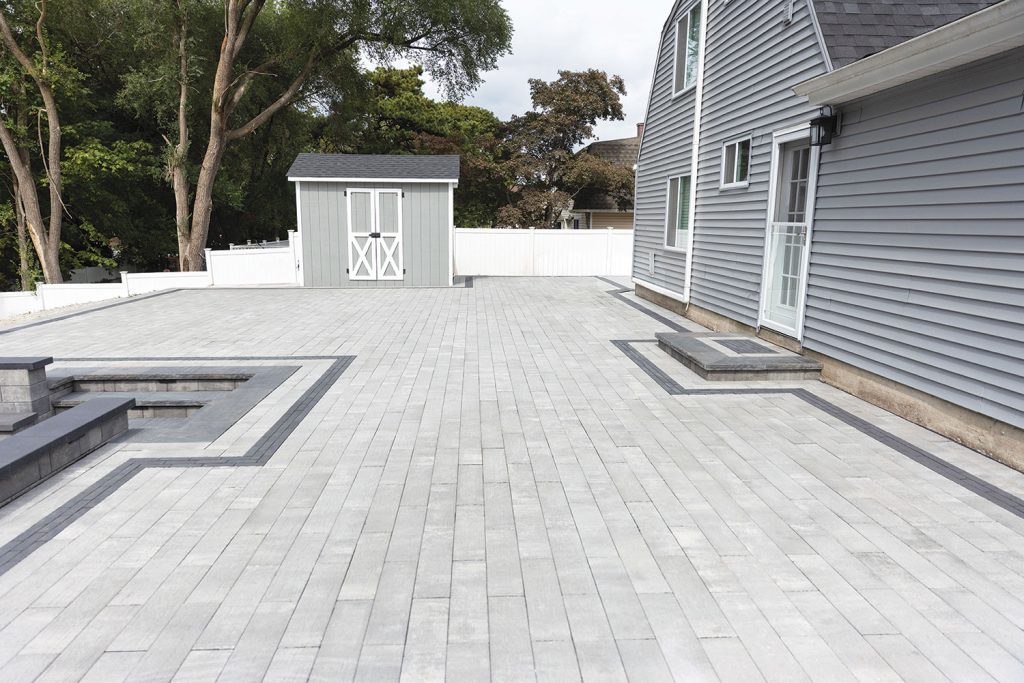
Large format pavers have become a defining element in contemporary residential design — and the reasons go beyond style. In spaces over 400 square feet with clean architectural lines, a standard 18x18 unit lacks sufficient visual weight to anchor the design. Formats in the 16x24, 20x30, and 24x36 range fill that role well.
Fewer units across the same area means fewer joints, less opportunity for weed intrusion, and a surface that stays sharp-looking with minimal upkeep. Nicolock's Alpine Contemporary line includes 16x24 and 20x30 formats, backed by paver-shield™ technology and a lifetime of fade-resistant color.
Two things to keep in mind with large-format choices:
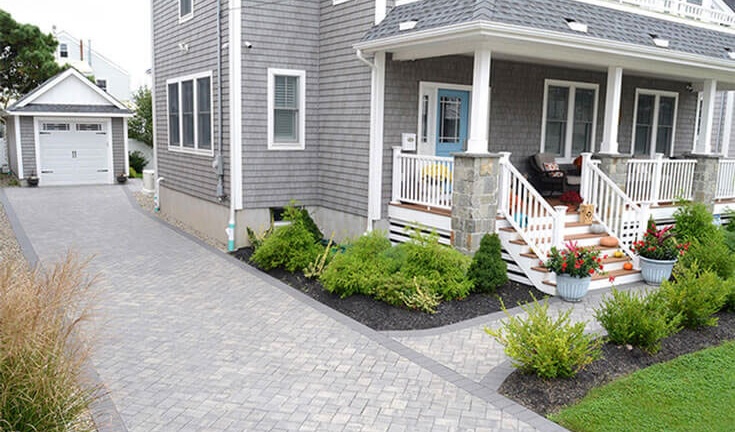
Choosing a size and choosing a pattern are the same decision, approached from different angles. Herringbone requires a rectangular unit — traditionally 4x8 or 6x9. A random ashlar layout requires two or three complementary sizes that share a common dimensional module. A grid pattern accepts almost any square or rectangular format.
Color consistency in a mixed-size installation requires sourcing all formats from one supplier. Nicolock's paver-shield™ process is applied the same way across all product sizes, so a 6x9 and an 18x18 in the same color will match throughout the full installation.
Drainage should be factored into pattern selection as well. Nicolock's environmental paver line includes permeable options that allow water to return to the soil rather than pooling on the surface. Where drainage is a site requirement, those products affect which joint widths — and therefore which patterns and sizes — are the right fit.
Quantity errors are the most preventable mistake in paver projects. The math is simple, but skipping a step produces either a shortage mid-installation or leftover material that cannot be returned.
Multiply length by width for rectangular spaces. Split L-shapes into two rectangles and add the totals. For curved edges, use the widest measurements and account for curve offcuts in the waste figure.
Divide the total square footage by the coverage per unit from the chart above. A 12x12 covers 1.0 square foot, so a 300-square-foot patio needs 300 units before waste. A 6x9 covers 0.38 square feet, so the same area requires about 790 units.
Border cuts, pattern offcuts, and breakage during installation account for roughly 10 percent of material. For the 12x12 example: 300 units plus 10 percent equals 330 to order.
Apply each size's ratio to the total separately, then add 10 percent waste to each independently. Cuts do not affect all sizes equally — applying blanket math to the full total leaves at least one format short.
A pallet of Nicolock's Rustico 6x9 contains 300 units as a reference point. Divide your order by the units per pallet for your specific product and round up to the nearest full pallet. Partial pallets often carry a surcharge, and running short mid-project costs more to fix than one extra pallet ordered upfront.
Does size affect cost? Generally yes. Larger formats cost more per unit and require more skilled installation. For budget-conscious projects, 12x12 and 6x9 formats offer strong value per square foot. Nicolock's permeable environmental pavers add a longer-term consideration: better drainage reduces maintenance costs and standing water issues that compound over time.
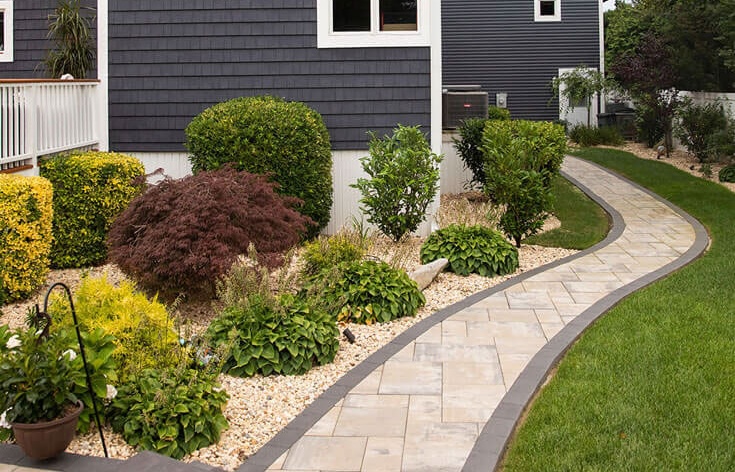
Sizes and shapes function as a system — neither works in isolation. Use these five steps to move from an open space to a confident, fully specified order.
| Step | What to Do |
| Step 1: Measure | Get exact square footage and note the narrowest point. That dimension sets the ceiling on paver size before border cuts become excessive. |
| Step 2: Match to Application | Confirm the recommended size range and thickness for your specific project type. Driveways carry structural requirements that override style preferences. |
| Step 3: Apply the Proportion Rule | Under 200 sq ft: 18x18 or smaller. Between 200–400 sq ft: 18x18 or 24x24. Over 400 sq ft: large-format options are appropriate. |
| Step 4: Select a Pattern | Single-size or multi-size. If mixing sizes, source all formats from one manufacturer in one color to ensure a consistent result. |
| Step 5: Calculate and Order | Apply the unit math, add 10 percent, and convert to full pallets. Order at once to ensure a matching production batch across the full project. |
Fifty years of manufacturing experience and American craftsmanship back every Nicolock paving stone. paver-shield™ technology means the color chosen today is the color present a decade from now — through New York winters, summer heat, and everything in between. Nicolock pavers are approximately three times stronger than regular poured concrete and can be removed and reset when needed, unlike a solid slab.
What is the most common paver size?
The 12x12 inch square is the most widely used residential format in the United States, covering exactly 1.0 square foot per unit and fitting cleanly into grid, offset, and pattern-block layouts. The 6x9 format runs a close second for walkways and mixed-pattern applications.
How many pavers do I need per square foot?
It depends on the size. A 4x8 paver needs approximately 4.5 units per square foot. A 6x9 requires about 2.7. A 12x12 needs exactly 1.0, and an 18x18 requires approximately 0.44. Use the size chart above to confirm for your specific product.
What size paver is best for a patio?
For most residential patios, sizes between 12x12 and 18x18 offer the best proportion and installation efficiency. Spaces under 200 square feet should remain 18x18 or smaller. Larger areas can take 24x24 or large-format units without losing visual balance.
How thick should driveway pavers be?
Nicolock's standard concrete paver thickness is 2-3/8 inches, which is appropriate for cars and pickup trucks on a properly prepared base. For driveways, plan for 8 to 12 inches of compacted base material beneath the pavers.
What size stepping stones should I use?
18x18 and larger reads as intentional design rather than an afterthought. Space stepping stones 18 to 24 inches center to center to match a natural walking stride — stones set outside that range create an awkward gait and undercut the purpose of the path.
Can I mix different paver sizes in one project?
Yes, and the result is often more visually interesting than a single-format layout. Source all sizes from a single manufacturer to ensure color consistency. Nicolock's paver-shield™ process is applied the same way across all product sizes, so different formats ordered in the same color will match throughout.
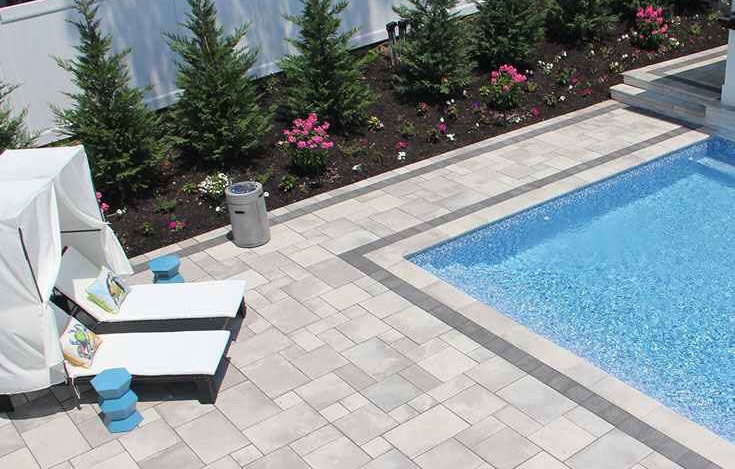
Whether the layout is fully planned or the details are still coming together, the right choice of paver sizes sets the tone for everything — the proportion, the pattern, the longevity, and the look. Nicolock's network of dealers, contractors, and design professionals is ready to help you get every decision right from the start.
By the Nicolock Product Team | Nicolock Paving Stones | Reviewed by Nicolock hardscape specialists. Published May 2026 | Content verified against ICPI installation standards (icpi.org)