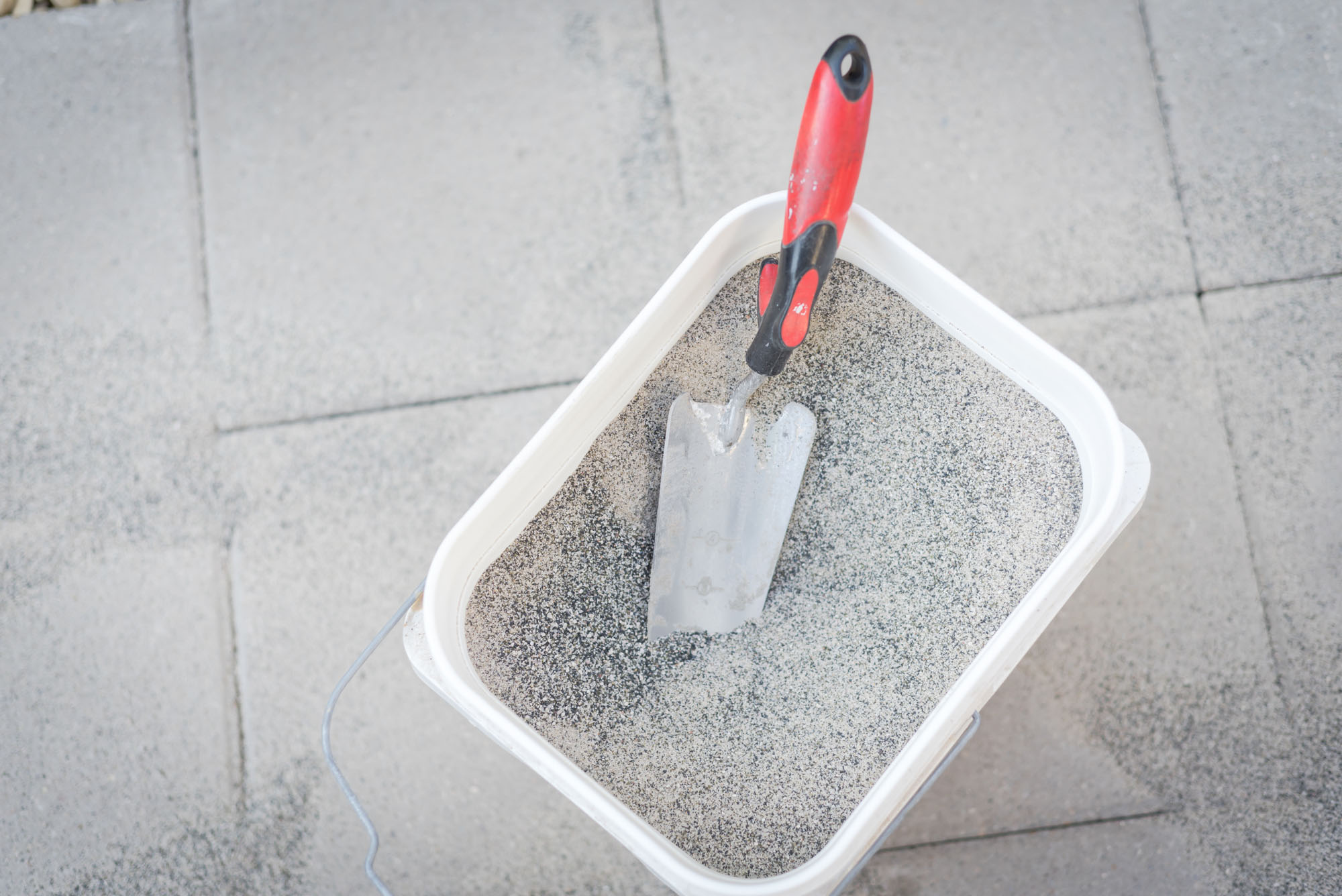
What is polymeric sand? It is a specially formulated jointing material made from graded sand and water-activated binders that fill the spaces between paving stones. After installation, water activates those binders, creating firm joints that resist washout, discourage weed growth, reduce insect activity, and require less frequent maintenance than traditional loose jointing sand.
Many homeowners start asking this question after they notice gaps between pavers, recurring weeds, or sand washing away after heavy rain. Replacing the missing material may seem like a simple solution, but lasting results depend on more than filling the joints. A durable paved surface begins with a well-prepared base, proper drainage, secure edge restraints, and quality pavers working together as one complete system.
At Nicolock, we understand that every layer plays a role in long-term performance. Whether you're planning a new patio, refreshing a driveway, or maintaining an existing walkway, understanding how polymeric sand works helps you make informed decisions that protect your investment for years to come.
Polymeric sand is a jointing material designed specifically for the spaces between concrete pavers, clay pavers, and certain natural stone installations. While it resembles traditional paver sand before installation, its performance changes after water activates the binding agents mixed throughout the material.
Most products contain:
Once the joints are filled, compacted, and activated according to the manufacturer's directions, the sand cures into a firm joint that stays in place more effectively than loose sand alone.
Unlike mortar or concrete, polymeric sand is not intended to create a rigid bond between pavers. Instead, it forms a durable joint that accommodates normal seasonal movement while helping maintain the interlocking action that keeps the pavement performing as designed.
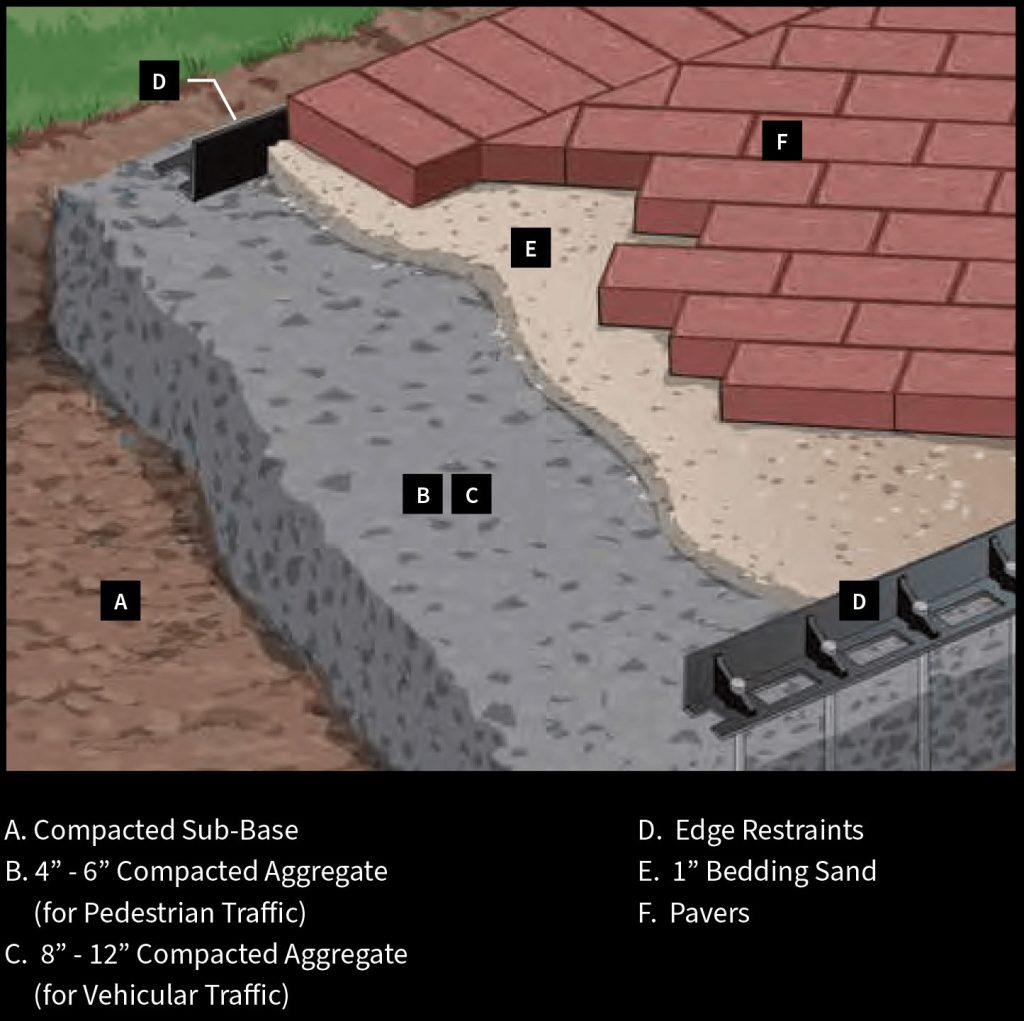
Nicolock recognizes polymeric sand as one option for many paver installations because it can reduce erosion, discourage weeds, and support a cleaner-looking finished surface when paired with proper installation practices. It performs best as one component of a complete paving system that includes a compacted aggregate base, bedding sand, edge restraints, and effective drainage.
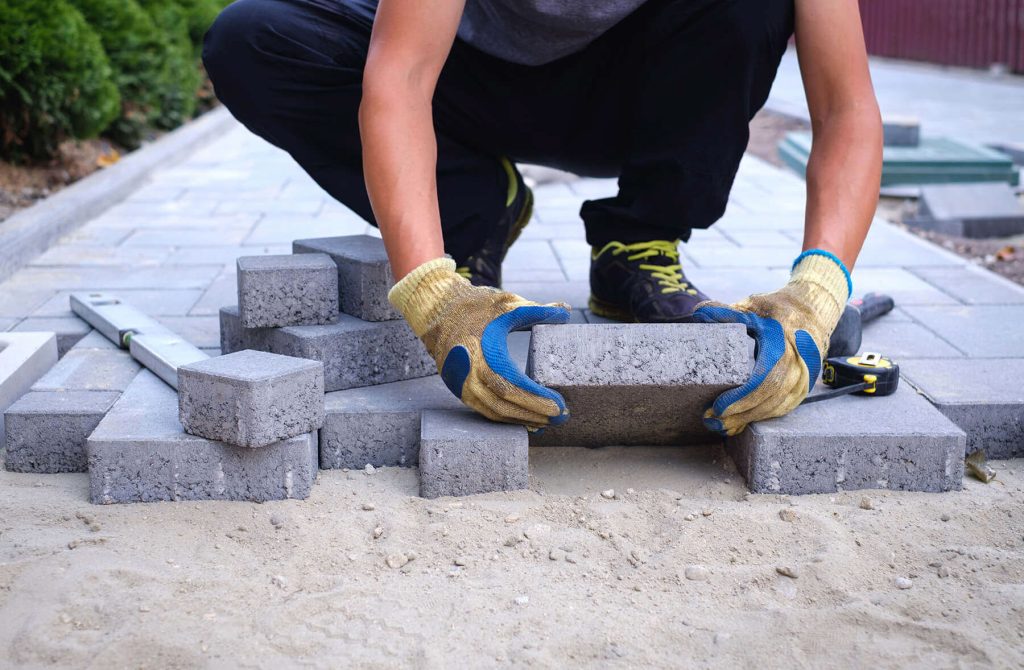
Paver joints face constant exposure to weather, foot traffic, routine cleaning, and seasonal temperature changes. Over time, traditional jointing sand can gradually leave the joints, creating openings that collect debris and allow the surface to lose some of its finished appearance.
In many cases, replacing the jointing material restores the surface. Other situations call for a closer look at the entire pavement before making repairs.
Several conditions commonly contribute to joint loss.
Heavy rainfall and concentrated runoff can slowly carry loose sand away, especially where water repeatedly flows across the same area.
Proper grading allows water to move away from the paved surface rather than through it. Nicolock's installation guidelines emphasize establishing the correct slope before construction begins to support long-term performance.
Pressure washing removes dirt effectively, but excessive pressure directed into the joints may also remove sand.
For routine maintenance, moderate pressure and good technique usually clean the pavers without disturbing the joints.
Leaves, soil, grass clippings, and other debris naturally collect between pavers. As those materials break down, they create an environment where windblown weed seeds can begin growing.
Keeping the surface clean throughout the year reduces that buildup and supports healthier-looking joints.
Loose jointing sand is easier for ants and other burrowing insects to move while building nests. Over time, their activity can leave shallow areas or small gaps between pavers.
Empty joints sometimes accompany larger issues below the pavement. Settlement, drainage problems, or loose edge restraints can allow pavers to shift, creating wider openings that no jointing material can correct on its own.
Identifying the cause before making repairs helps prevent the same issue from returning.
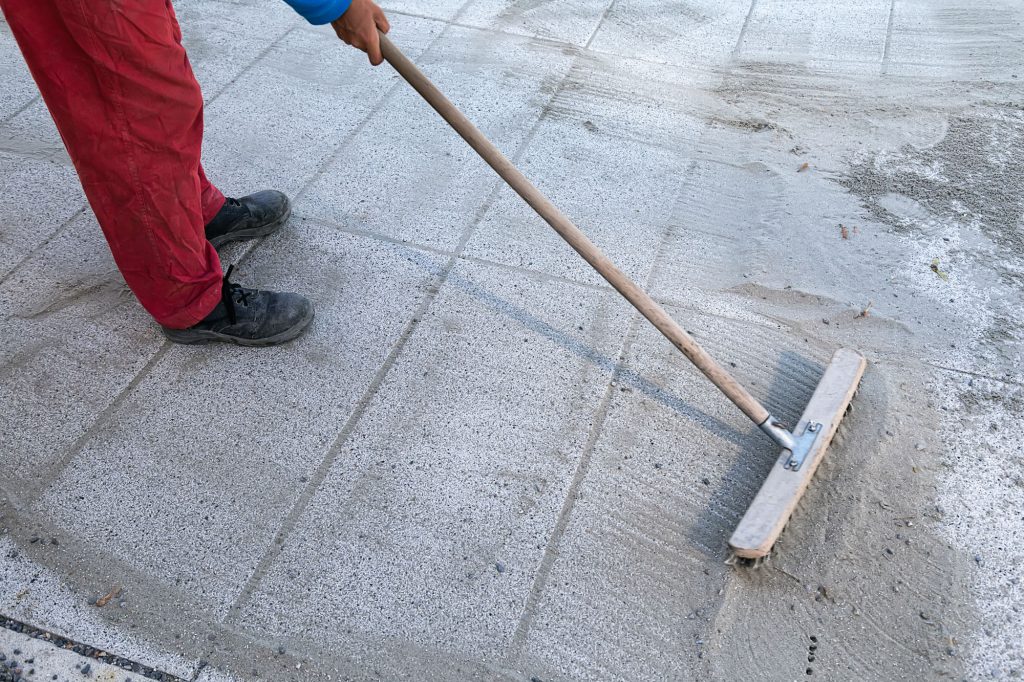
One reason polymeric sand has become a popular choice is its ability to remain in place after curing while still allowing the paver system to function as intended.
The process happens in four basic stages.
Dry polymeric sand is swept across the paved surface until every joint is completely filled.
Compaction settles the material deeper into the joints and exposes any low areas that need additional sand.
This step is often overlooked, yet it has a major influence on long-term performance because a joint that appears full before compaction may lose noticeable height afterward.
Before water is added, every trace of dust should be cleared from the paver faces. Taking extra time here helps prevent polymeric haze from forming during curing.
Water activates the polymers throughout the filled joints. As curing takes place, the material forms a firm connection that resists ordinary washout while supporting the interlocking action of the pavers.
Although polymeric sand contributes to pavement performance, it should never be viewed as a substitute for a properly prepared foundation. A well-compacted base, quality bedding material, secure edge restraints, and accurate installation remain the foundation of a durable hardscape.
Nicolock's recommended installation process reflects this same philosophy. Each layer supports the next, allowing the finished patio, driveway, pool deck, or walkway to perform as a complete system instead of relying on any single component.
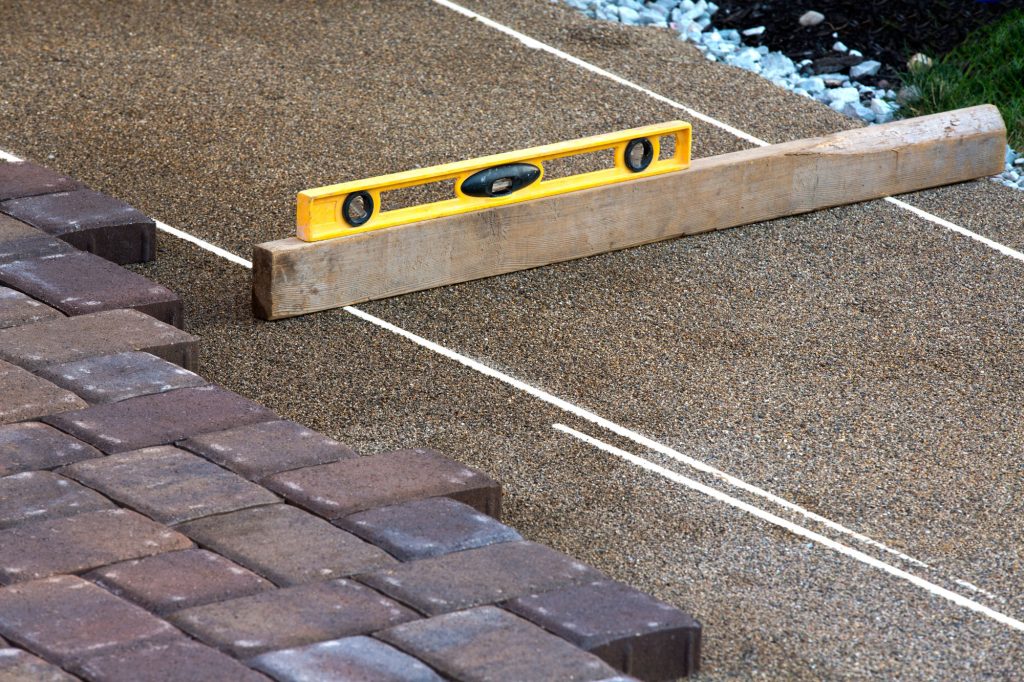
Polymeric sand is designed to support the performance of an interlocking pavement by creating stronger, more durable joints. While no jointing material can solve every problem, it can reduce many of the issues homeowners commonly experience with traditional loose sand.
Rainfall, irrigation, and routine cleaning gradually remove loose jointing sand. As the joints become shallower, they may collect debris or require frequent refilling.
After curing, polymeric sand forms a firmer joint that stands up better to normal weather conditions. That added durability makes it a popular choice for patios, walkways, pool decks, and other outdoor living spaces exposed to the elements.
Loose sand creates openings where dirt and organic matter can collect. Those materials provide a place for weed seeds to settle and grow.
Polymeric sand discourages that buildup by creating denser joints with fewer loose spaces. Routine sweeping remains part of good maintenance, yet many homeowners appreciate spending less time pulling weeds from between their pavers.
Ants often move loose sand while building tunnels beneath the surface. Over time, their activity can leave noticeable gaps throughout a paved area.
Firm joints are more difficult for insects to disturb, helping the surface maintain a more consistent appearance.
Jointing material plays an important role in the interlocking system. Filled joints distribute lateral forces across neighboring pavers, helping the surface remain stable during everyday use.
This support works alongside the compacted base and edge restraints rather than replacing them.
Traditional paver sand often needs occasional replenishment after heavy rain or cleaning. A properly installed polymeric product typically stays in place longer, reducing the need for routine touch-ups.
That means homeowners can spend more time enjoying their outdoor spaces and less time maintaining them.
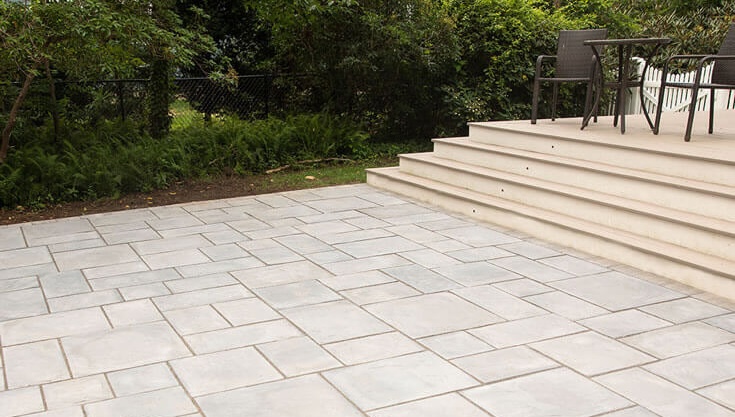
Most polymeric sand performs very well when installation follows the manufacturer's recommendations. If concerns appear later, they usually relate to preparation, weather conditions, or application rather than the material itself.
Understanding the source makes repairs much more effective.
| Visible concern | Common cause | Suggested next step |
| Soft joints | Limited curing, shallow fill, or incomplete compaction | Review installation requirements and inspect joint depth |
| White or cloudy residue | Dust remained before watering | Follow the manufacturer's cleaning recommendations |
| Washed-out areas | Heavy rain before curing or drainage concerns | Correct water flow before replacing damaged joints |
| Cracked sections | Surface movement or insufficient joint depth | Inspect the pavement system before making repairs |
| Uneven joints | Sand settled after compaction but was not refilled | Remove weak material and reinstall as directed |
| Returning weeds | Organic debris collected above the joints | Clean the surface and repair open areas |
Successful installation begins long before the bag is opened.
Older patios often contain roots, moss, dirt, or deteriorated jointing sand that prevents new material from reaching the required depth. Clearing those obstructions allows fresh polymeric sand to cure as one continuous joint instead of forming a thin layer across the top.
Compaction settles the sand throughout the joint while revealing low spots that need additional material.
Without this step, the upper portion may appear full even though hidden air pockets remain below.
One of the most common homeowner concerns is polymeric haze. This light-colored film develops when residue remains on the surface during activation.
Carefully sweeping the pavers before watering greatly reduces the chance of haze, especially on textured surfaces where fine particles can collect.
Too much water may wash binders from the joints or leave residue behind.
Too little water may prevent the lower portion from curing completely.
Because every formulation differs, the manufacturer's instructions should always determine the watering process.
Freshly activated joints need time to cure.
Checking the forecast before beginning the project gives the material an opportunity to develop its full strength without interruption from unexpected rainfall.
Not every polymeric sand suits every application.
Joint width, paver texture, traffic level, and the intended use of the paved surface all influence product selection. A driveway may require a different formulation than a backyard patio, while permeable systems often use specialized joint materials.
Matching the product to the project supports better long-term performance.
Polymeric sand improves the joints between pavers, but it cannot repair what's happening below them.
If the surface has settled, shifted, or developed drainage problems, those issues should be corrected before replacing the jointing material.
Addressing the underlying cause helps the repair last much longer.
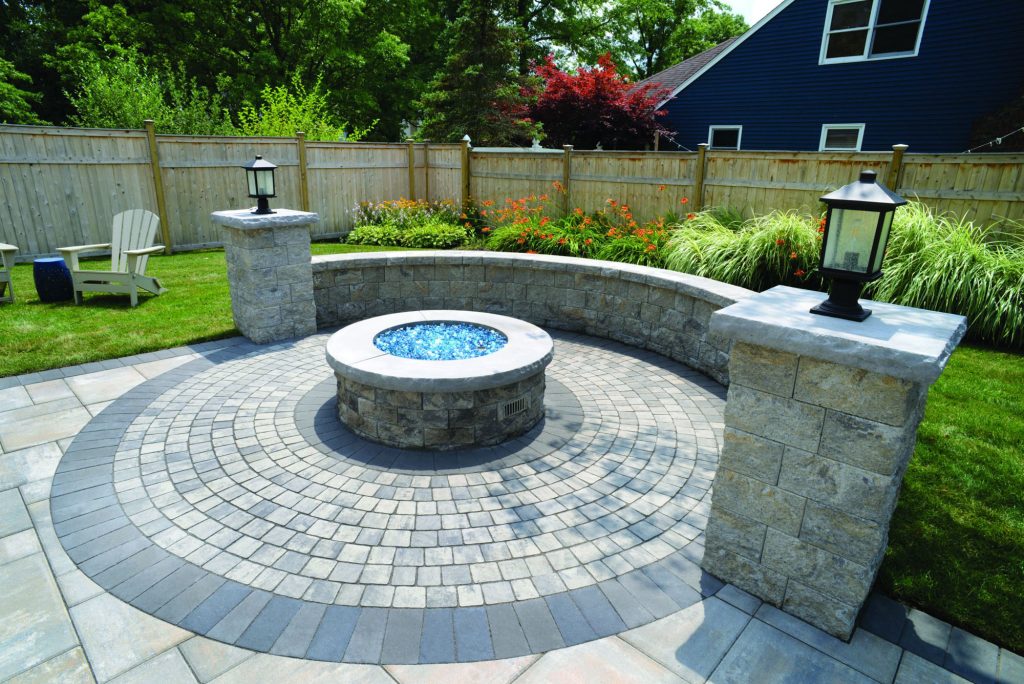
Many existing patios, walkways, and driveways can benefit from fresh polymeric sand without requiring a complete rebuild.
Before replacing the jointing material, take time to evaluate the condition of the paved surface. Stable pavers with clean, dry joints are often excellent candidates for re-sanding.
Start by checking for:
Once the surface is ready, remove deteriorated sand, roots, moss, and debris from the joints. Allow the area to dry thoroughly before beginning installation.
Avoid placing a thin layer of polymeric sand over old jointing material. Fresh sand needs adequate depth to cure into a strong, continuous joint. Taking time to prepare the surface properly usually produces a much better result than trying to speed through the repair.
If sections of the pavement continue moving after preparation, the problem likely extends below the surface. Repairing the base before replacing the joints protects the investment and helps prevent the same issue from returning.
Many homeowners compare polymeric sand vs paver sand while planning a new patio or refreshing an older hardscape. Both products fill the spaces between pavers, yet they perform differently after installation.
Choosing between them depends on the project, maintenance expectations, and site conditions rather than finding a single option that works for every situation.
| Feature | Polymeric Sand | Traditional Paver Sand |
| Composition | Graded sand with water-activated binders | Graded jointing sand |
| Installation | Requires compaction, cleaning, and controlled watering | Swept into joints and compacted |
| Finished Joint | Firm with limited flexibility | Loose |
| Washout Resistance | Higher after curing | Lower |
| Weed Resistance | Better at discouraging growth | More susceptible to debris buildup |
| Maintenance | Less frequent refilling | Periodic replenishment may be needed |
| Spot Repairs | More involved | Generally simpler |
| Initial Cost | Higher | Lower |
| Best Applications | Projects seeking longer-lasting joints | Installations where loose jointing sand is preferred |
Neither product should be confused with play sand or beach sand. Those materials lack the particle size and characteristics needed for paver joints.
For many residential patios, walkways, pool decks, and driveways, polymeric sand provides a balance of appearance and durability that reduces ongoing maintenance. Traditional paver sand remains a suitable choice for certain applications, particularly where project requirements or drainage considerations call for a conventional jointing material.
If you're unsure which option fits your project, a Nicolock dealer or experienced contractor can recommend materials based on your paver style, joint dimensions, and the conditions at your home.
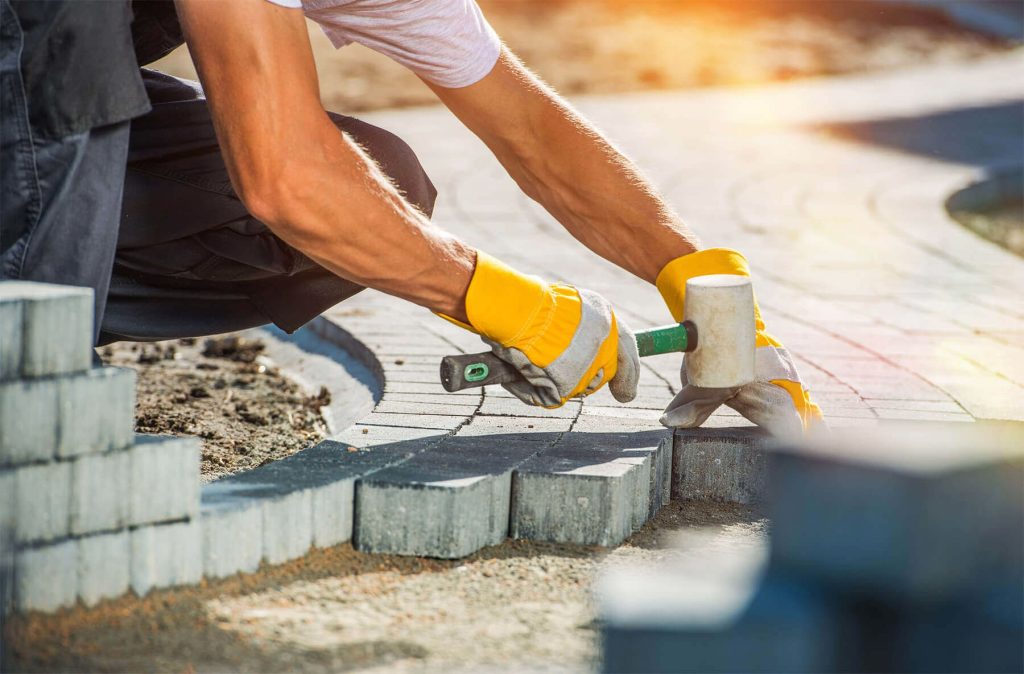
Polymeric sand works well in many residential hardscape projects when the selected product matches the application, and the installation follows the manufacturer's recommendations.
Patios serve as gathering places for meals, celebrations, and everyday relaxation. Firm joints help the surface maintain a clean, finished appearance while reducing the need for frequent touch-ups.
When paired with Nicolock pavers, polymeric sand contributes to an outdoor living area designed for years of enjoyment.
Walkways experience regular foot traffic and frequent exposure to rain. Stable joints help maintain a smooth, attractive path while reducing erosion caused by everyday weather.
Pool areas face splashing water, changing temperatures, and regular cleaning. Choosing a polymeric sand approved for those conditions can help maintain consistent joints throughout the season.
Always confirm that the selected product is compatible with the paver surface and joint dimensions before installation.
Driveways place greater demands on every part of the pavement system.
A well-compacted base, the proper paver thickness, an appropriate laying pattern, secure edge restraints, and quality jointing material all contribute to long-term performance. Nicolock recommends following its published installation guidelines for residential vehicular applications.
Outdoor kitchens, dining patios, seating areas, and fire pit gathering spaces all benefit from durable joints that remain attractive with routine maintenance.
A complete outdoor design works best when every element supports the next, from the base beneath the pavers to the finished surface homeowners enjoy every day.
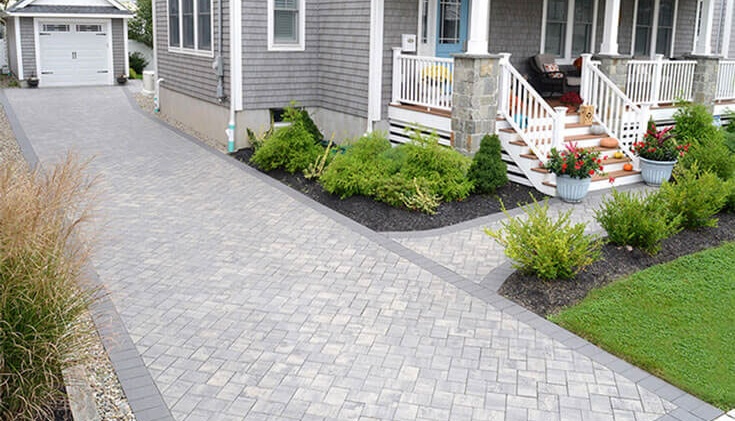
Although polymeric sand performs well in many situations, it is not the right choice for every project.
Consider another jointing material if:
Addressing these conditions before replacing the jointing material gives the entire pavement a stronger foundation for long-term performance.
Every manufacturer provides specific installation instructions. The following overview highlights the general process while reinforcing the importance of preparation.
Begin by removing weeds, roots, loose jointing sand, and debris.
Allow the pavers and joints to dry completely before adding new material.
Confirm that:
Sweep the dry polymeric sand diagonally across the surface until every joint is filled.
Compact the pavers using equipment recommended for the installation. After vibration, inspect the joints and refill any areas where the sand settles.
Full-depth joints provide a stronger finished result than a shallow surface layer.
Take time to remove every visible grain from the paver faces.
Pay close attention to textured surfaces, corners, borders, and decorative accents where residue can collect.
Careful cleaning greatly reduces the chance of polymeric haze.
Apply water according to the manufacturer's instructions.
Each formulation has its own recommendations for spray pattern, application rate, and curing conditions, so avoid assuming every product installs the same way.
Once watering is complete, keep foot traffic, furniture, sprinklers, and vehicles away until curing finishes.
Polymeric haze is one of the most common installation concerns, yet it is also one of the easiest to avoid with careful preparation.
Before activating the sand:
Polymeric haze differs from efflorescence.
Efflorescence is a naturally occurring mineral deposit that can appear on concrete products over time. Polymeric haze results from residue left on the paver surface during installation.
Identifying the cause before selecting a cleaner helps protect the appearance of your pavers.
Service life varies because every installation is different.
Several factors influence long-term performance, including:
Periodic inspections help identify small concerns before they become larger repairs.
A few minutes spent checking the joints after winter or following heavy storms can extend the life of the entire paved surface.
Routine maintenance keeps patios, walkways, driveways, and pool decks looking their best throughout the year.
Simple habits often make the biggest difference.
Small repairs are generally easier and less expensive than waiting until larger sections require attention.
If recurring joint problems continue after repairs, have the pavement evaluated to determine whether the base or drainage system needs correction.
For many homeowners, the answer is yes.
Polymeric sand offers improved resistance to washout, discourages weed growth, reduces insect activity, and typically requires less ongoing maintenance than traditional paver sand.
Those benefits are most noticeable when the entire hardscape is built correctly from the ground up.
Nicolock has spent more than 60 years helping homeowners create beautiful outdoor spaces with durable paving stones, retaining walls, and outdoor living products. Combined with paver-shield™ technology and sound installation practices, polymeric sand can support a hardscape that continues looking great season after season.
No jointing material replaces quality construction, but selecting the right product for your project is an important part of protecting your investment.
No. It discourages weed growth by creating firmer joints with fewer places for seeds to settle. Regular cleaning remains part of good paver maintenance.
Soft joints usually result from incomplete curing, limited compaction, insufficient joint depth, or watering that did not follow the manufacturer's instructions.
Rain before curing finishes can weaken the joints or wash away binding agents. Always review the weather forecast before beginning the project.
Fresh polymeric sand performs best after deteriorated jointing material has been removed to the depth recommended by the manufacturer.
Only if the joint width falls within the product's specified range. Check the packaging before installation.
Improper pressure washing can damage any jointing material. Use moderate pressure and avoid directing the spray into the joints.
No. Loose or settling pavers usually indicate movement below the surface. Those conditions should be repaired before replacing the jointing material.
Many formulas are designed for pool decks. Confirm compatibility with the paver type, joint width, and installation before beginning the project.

Choosing the right jointing material is one step toward a beautiful, long-lasting hardscape. Pairing polymeric sand with quality Nicolock pavers, a properly prepared base, and professional installation creates an outdoor space ready for family gatherings, everyday living, and years of enjoyment.
Whether you're planning a new patio, upgrading a driveway, or refreshing an existing walkway, a Nicolock expert can help you select products that fit your vision.
Find a Nicolock dealer to see colors, styles, and products in person, or connect with a Nicolock contractor for professional installation guidance.