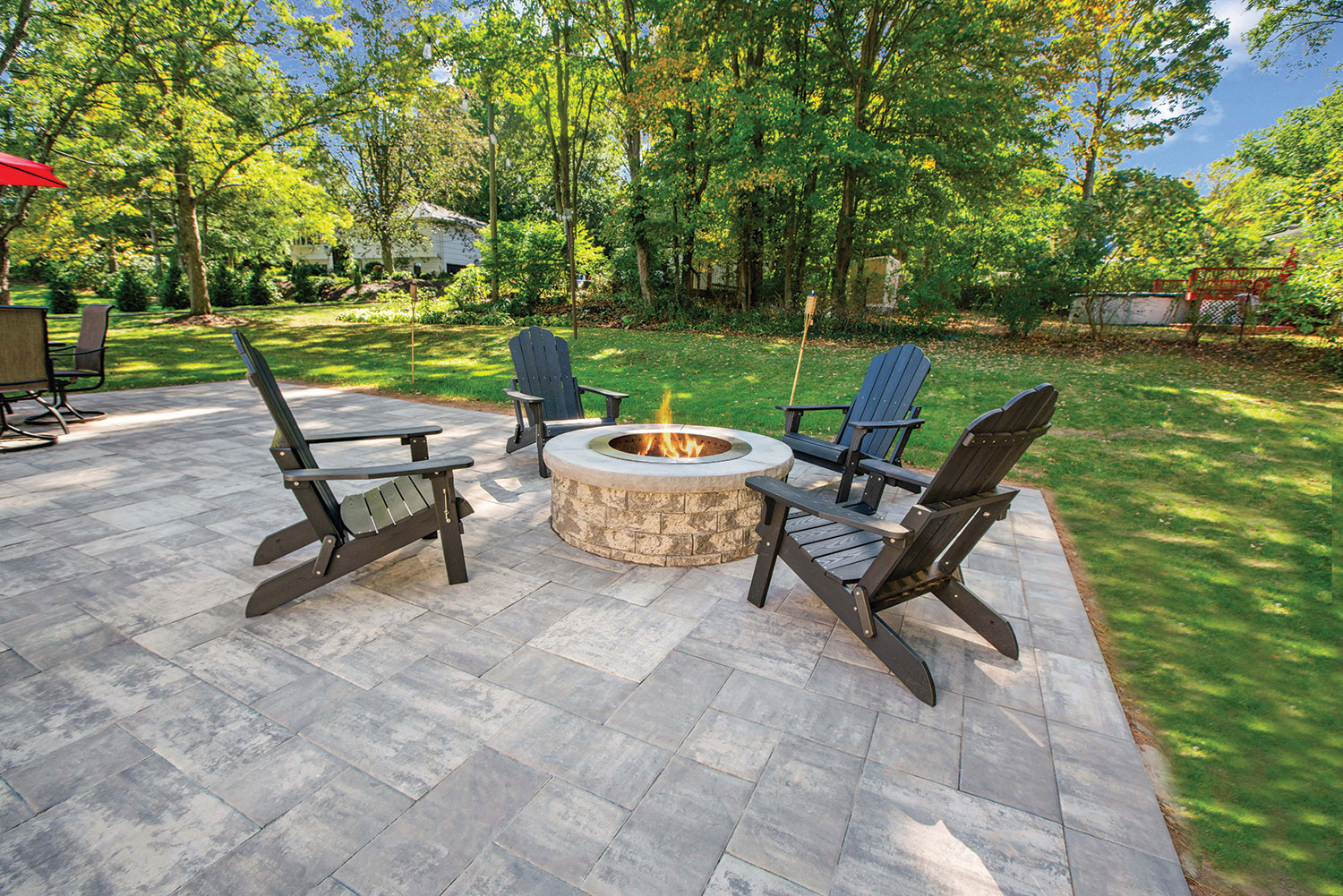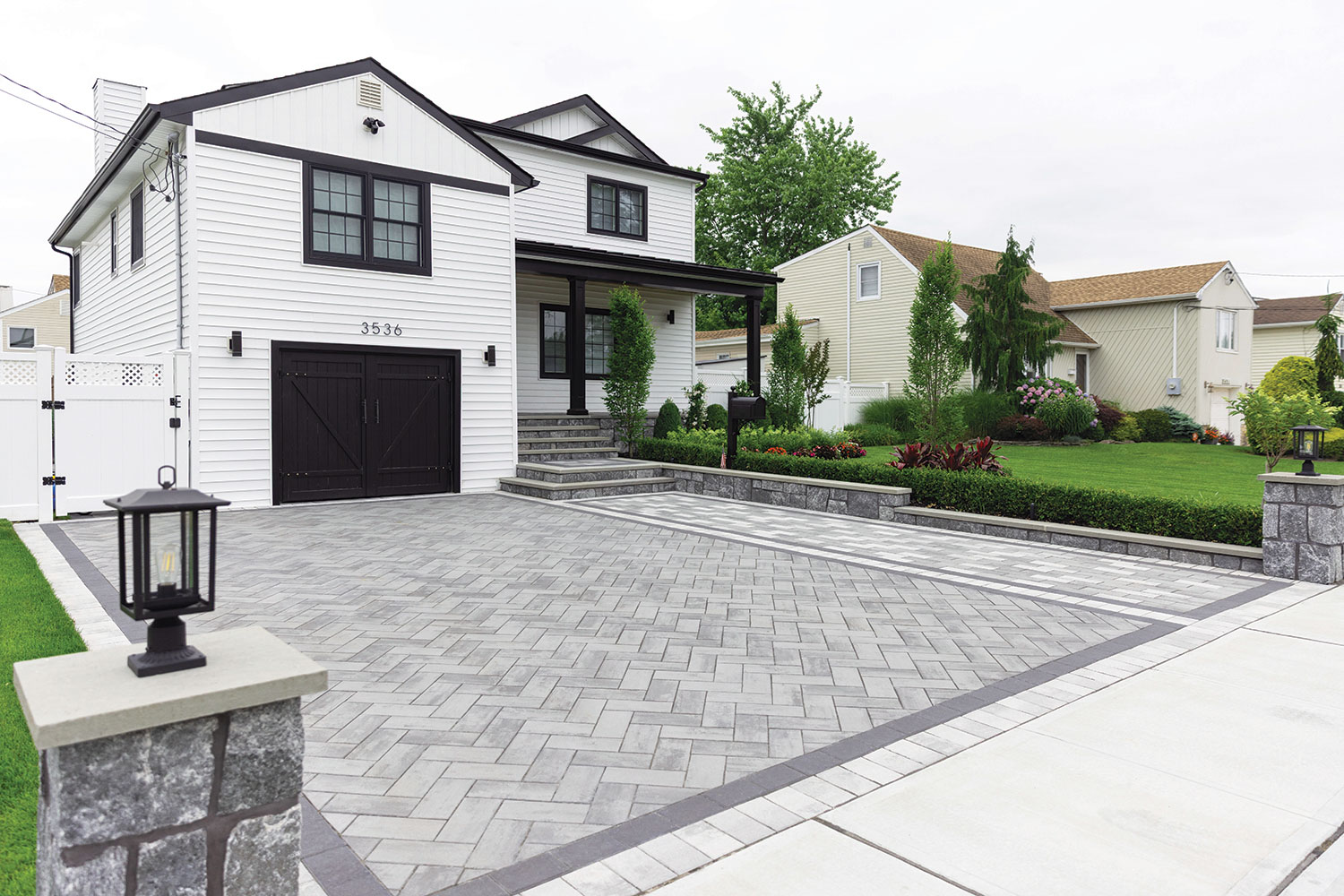
The right hardscape can set the stage for summer dinners on the patio, welcoming walks to the front door, afternoons around the pool, and a driveway that adds character from the moment you arrive home. Choosing pavers vs concrete is a chance to think beyond the material beneath your feet and consider how you want these outdoor areas to look, function, and grow with your home for years to come.
Both materials create attractive, useful spaces, yet they offer different advantages. Poured concrete generally costs less upfront and provides a continuous finish. Concrete pavers offer extensive design choices, individual-unit repairability, and flexibility when a property or outdoor living area changes over time.
Looking past the installation quote makes the differences easier to understand. Appearance, upkeep, repairs, drainage, ground movement, and intended use all factor into the final selection. Considering those details now helps you choose a hardscape that suits your home today and continues to serve it beautifully in the years ahead.
Concrete typically costs less upfront, while pavers offer greater customization and simpler localized repairs. Soil conditions, construction quality, intended use, and ongoing care also shape long-term performance.
| Consideration | Pavers | Poured Concrete |
| Initial price | Typically higher | Generally lower |
| Design choices | Extensive colors, textures, sizes, and patterns | Plain, colored, finished, or stamped |
| Ground movement | Separate units accommodate some movement | Continuous slabs can develop cracks |
| Repairs | Affected pavers can often be reset or replaced | May require patching, resurfacing, or sectional replacement |
| Maintenance | Cleaning and periodic joint care | Cleaning, crack care, and sealing where appropriate |
| Drainage | Conventional and permeable systems available | Typically directs water across the pavement |
| Installation | Units placed over a prepared base | Formed, poured, finished, and cured |
| Customization | Extensive | Expanded through colors and decorative finishes |
Climate, base preparation, grading, traffic, and workmanship add another layer to the comparison. A patio used for weekend gatherings has different demands than a driveway carrying vehicles every day, so the project itself should guide material selection.
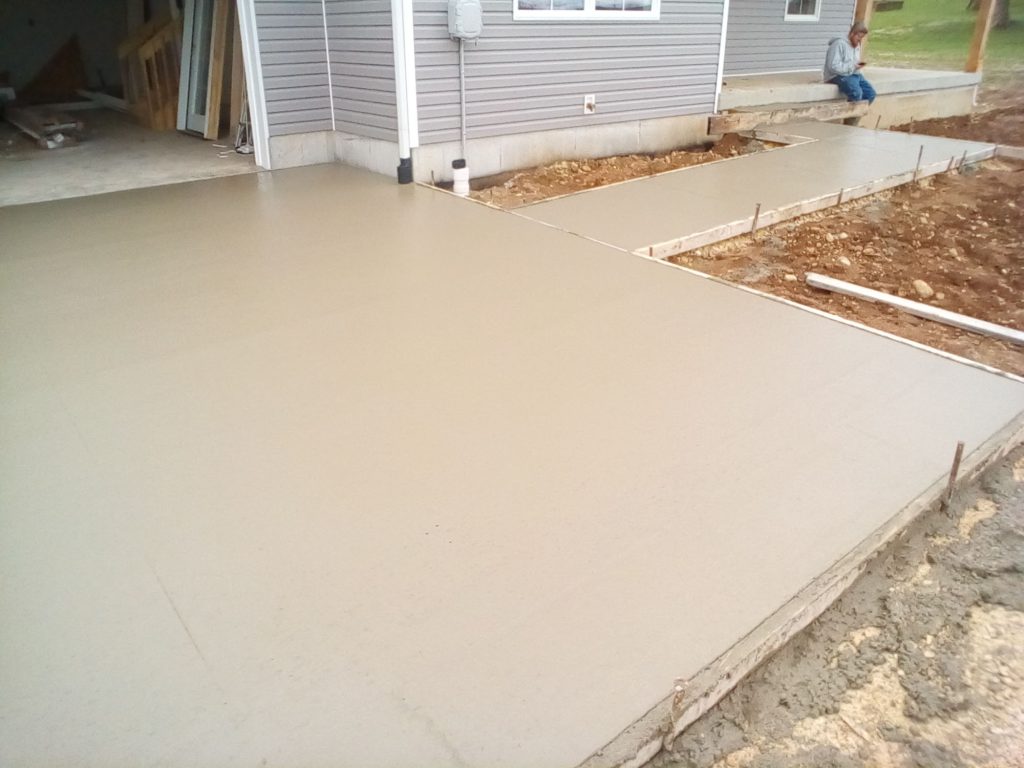
Poured concrete forms a continuous slab, while concrete pavers are manufactured units installed within a layered paving system. Their different construction methods help explain how each option responds to soil movement, damage, repairs, and future changes.
Concrete construction typically begins with site preparation and forming. Crews then pour, finish, and cure the mixture to create one continuous slab.
Control joints manage where some cracking may occur as the pavement responds to temperature changes, moisture, loads, and movement beneath it. Quality construction reduces many risks, but outdoor concrete still rests on soil that changes with weather and time.
The continuous finish creates a uniform appearance. Localized damage, however, may require a repair that remains visible against older surrounding material.
Paving stones function as part of a complete system, not as blocks placed directly on soil.
A typical project includes:
Base requirements vary according to soil, climate, application, and site conditions. Nicolock recommends approximately four to six inches of compacted base for patios and walkways, while driveways and parking areas generally require eight to twelve inches. Weak soils or drainage concerns may call for greater depth.
Nicolock's paving stone installation resources provide more information about the layers and preparation behind a lasting paved area.
The cost of pavers vs concrete generally favors basic poured concrete at the start of a project. Long-term expenses tell a more complete story.
Paver projects often require more labor because crews prepare the foundation, place separate units, make cuts, and build patterns or borders. Product choice and design complexity also affect pricing.
Beyond the first estimate, ownership expenses may include:
A single national dollar figure rarely tells homeowners what their project will cost. Labor rates, excavation, access, drainage, foundation requirements, paving style, and regional conditions all influence pricing.
For anyone weighing concrete vs pavers, consider what each option could require after five, ten, or more years rather than focusing entirely on day-one expense.
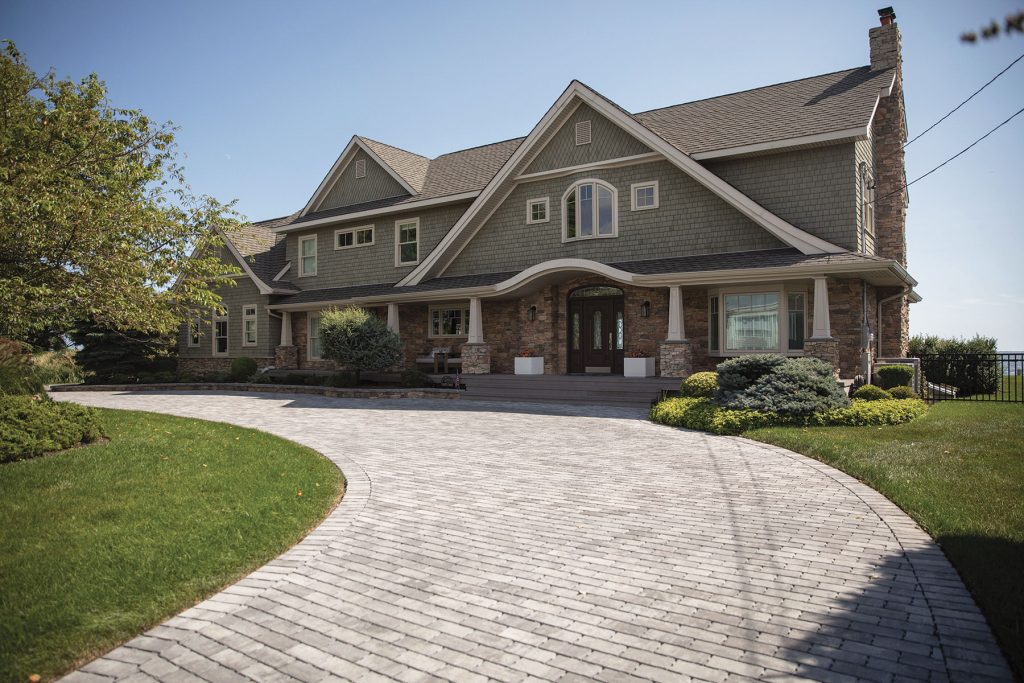
Cracks and settlement don't necessarily mean starting over, but the repair process differs considerably between a poured slab and separate paving stones.
Ground settlement, temperature changes, moisture, loads, soil movement, and freeze-thaw conditions can cause concrete to crack. Good site preparation and construction reduce risk, while control joints direct some movement toward planned locations.
A rigid slab still sits over ground that naturally changes. The effects become especially noticeable when repairs are eventually needed.
Pavers may settle when the base wasn't prepared correctly or when erosion, drainage problems, ground movement, or failing edge restraints affect the system.
Segmental construction helps when movement is limited to one area. A contractor can often lift the affected pieces, correct the foundation below, and reset the paving stones without rebuilding a large section.
Thicker pavers can't compensate for weak preparation underneath. A stable compacted foundation, effective drainage, and suitable edge restraints all contribute to lasting results.
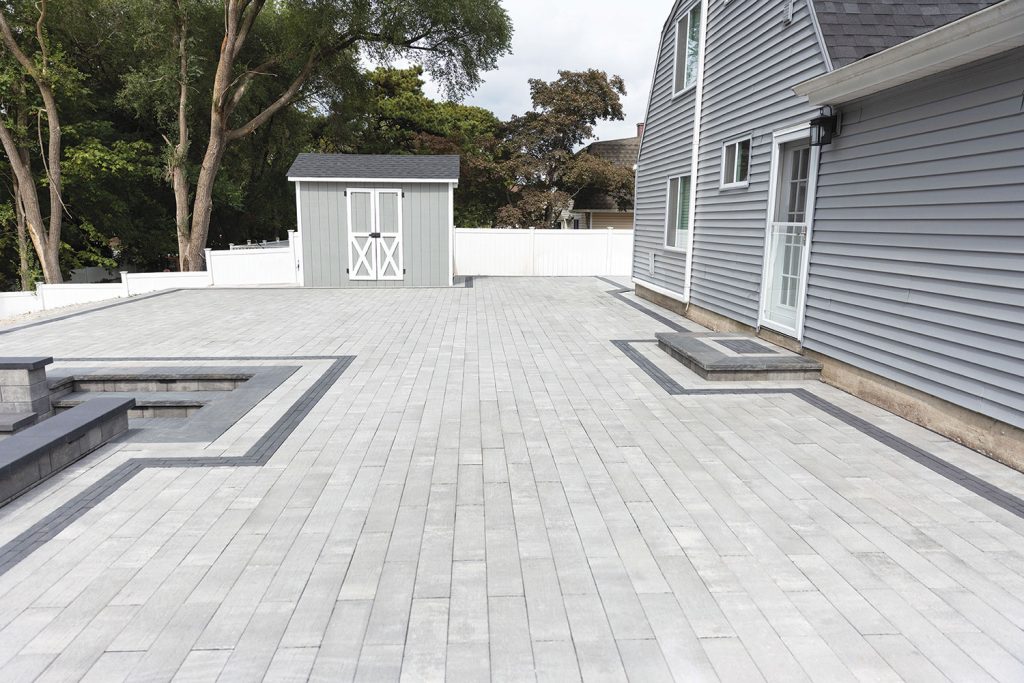
Every outdoor hardscape needs some care. With pavers, much of that attention goes to joints and occasional resetting, while concrete owners may eventually address cracks, stains, or sealing.
Routine care includes sweeping, occasional washing, stain removal, and checking joints over time.
Jointing material helps stabilize the paving system. Polymeric sand also resists washout and discourages weeds when installed and maintained correctly.
Weed growth is a common homeowner concern, but paving stones don't automatically mean weekends spent pulling vegetation from every joint. Stable joint material, effective water management, quality construction, and routine cleaning reduce unwanted growth.
Sealing varies by product. Nicolock says sealing its paver-shield™ paving stones is optional and not required for performance.
Poured pavement benefits from regular cleaning and timely stain removal. Certain finishes and conditions may also call for periodic sealing.
Cracks warrant attention because moisture entering damaged sections may contribute to deterioration under some circumstances. Joints also require inspection as the slab ages.
Routine upkeep is only part of ownership. Repair methods create a much clearer difference between these two materials.
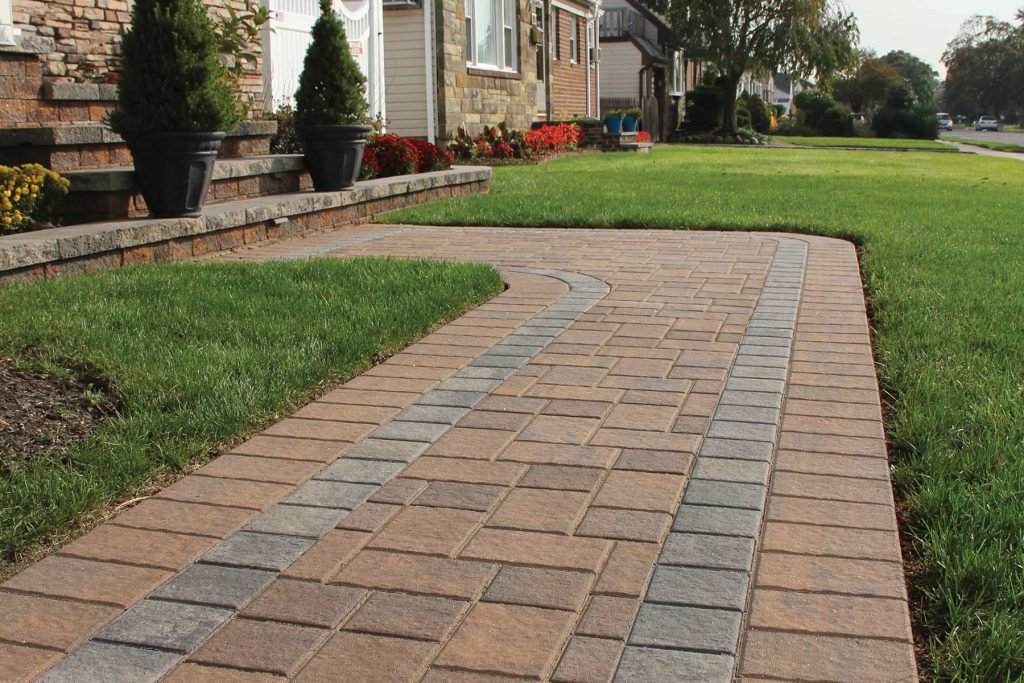
Pavers generally simplify localized repairs because you can remove, reset, or replace affected units without rebuilding the entire paved area.
Suppose part of a patio settles, an underground utility needs service, or several paving stones become badly stained. A contractor can often remove only the affected pieces, address the issue below, and reinstall that portion.
Concrete work may involve filling cracks, patching, saw cutting, resurfacing, or replacing a section, depending on the damage. Matching an older slab's existing tone and texture can present another challenge.
Repairability deserves a place beside durability in the planning process. Outdoor hardscapes live over changing soil, around utilities, and through years of weather. Being able to address one damaged area without rebuilding everything around it offers a practical long-term benefit.
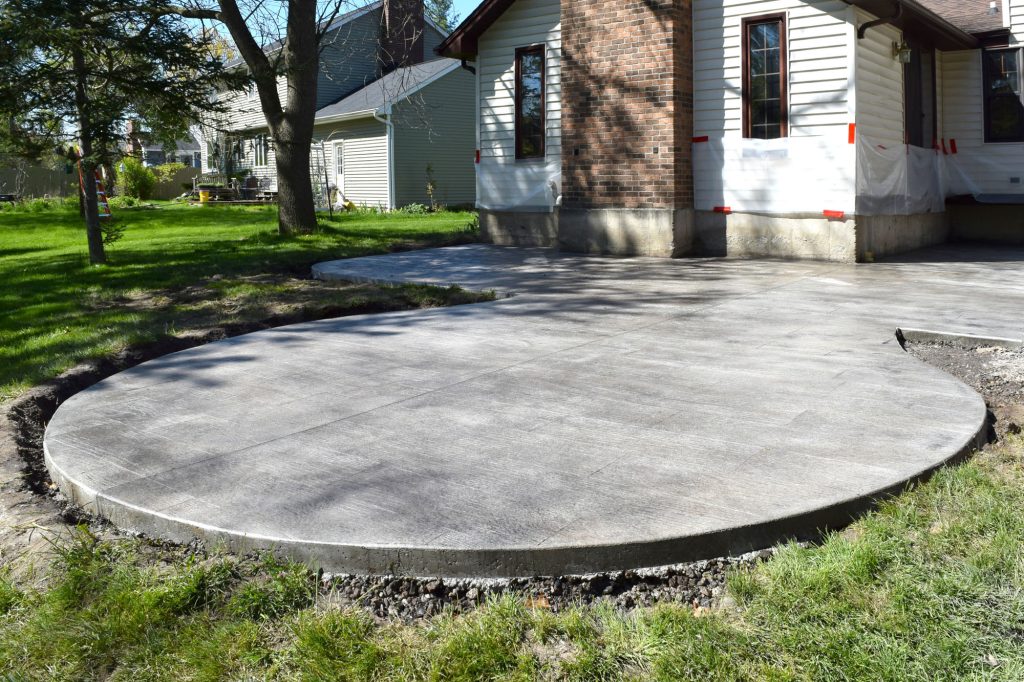
Pavers open up extensive possibilities for combining colors, textures, formats, laying patterns, borders, and accents. Decorative concrete also expands the choices available from a traditional poured finish.
Concrete creates a clean, continuous appearance. Coloring and texturing techniques provide alternatives to plain gray.
Paving stones take customization further by combining different formats and tones within a single project. Borders can frame gathering areas, contrasting shades can define a driveway, and coordinating products can carry a consistent look from a front walkway into the backyard.
Nicolock offers a broad selection of paving colors, shapes, and textures. Its paver-shield™ collection features rich pigments and an ultra-dense wear surface designed to maintain its appearance through outdoor exposure.
Viewing Nicolock's color options can help you compare blends against your home's architecture, landscaping, and other exterior materials.
Stamped concrete creates decorative texture across one slab, while paving stones build patterns through separate manufactured pieces.
Stamping can reproduce the appearance of brick, slate, stone, and other materials. Once cured, the pattern becomes part of the concrete. Expanding or modifying the layout later may make it difficult to match older sections.
Pavers allow combinations of sizes, colors, borders, accent bands, and laying patterns. Separate pieces retain the localized repair benefits described above.
Nicolock's paver-shield™ technology incorporates a dense wear layer made with concentrated cement, pigments, and fine aggregate. The layer bonds during manufacturing rather than being applied afterward as a topical sealer.
Nicolock's Stamped Concrete vs Pavers: Which Surface Will You Still Love 10 Years From Now? takes a closer look at appearance, aging, maintenance, and repairs.
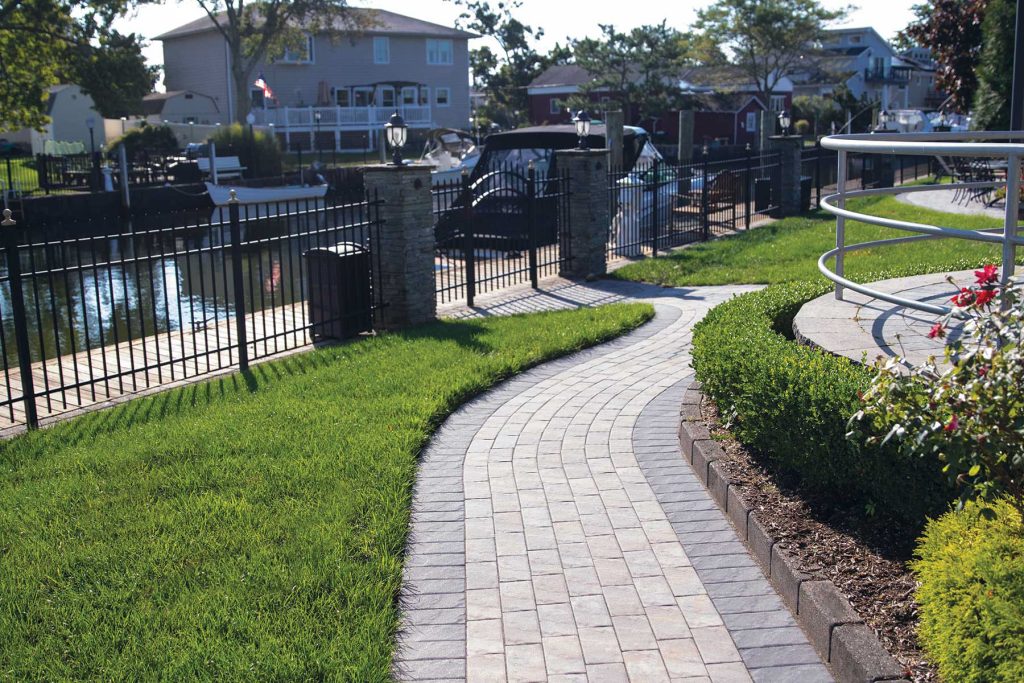
Standard pavers aren't automatically permeable. Specially designed permeable paving systems manage stormwater by allowing water to enter openings in the pavement and travel through the aggregate layers below.
Conventional paving stones and environmental systems address drainage differently. Planning for water from the beginning helps determine which construction method fits the property.
A complete water-management approach may account for:
Nicolock offers environmental pavers manufactured specifically for water-management applications.
SF-RIMA®, for example, incorporates 1/2-inch gaps that create approximately 10% open surface area. Rainfall passes through those openings into the system below, helping reduce runoff toward storm drains.
Permeable pavement requires the right construction and ongoing care. Your contractor can evaluate soil, grading, municipal requirements, and project goals before recommending a system.
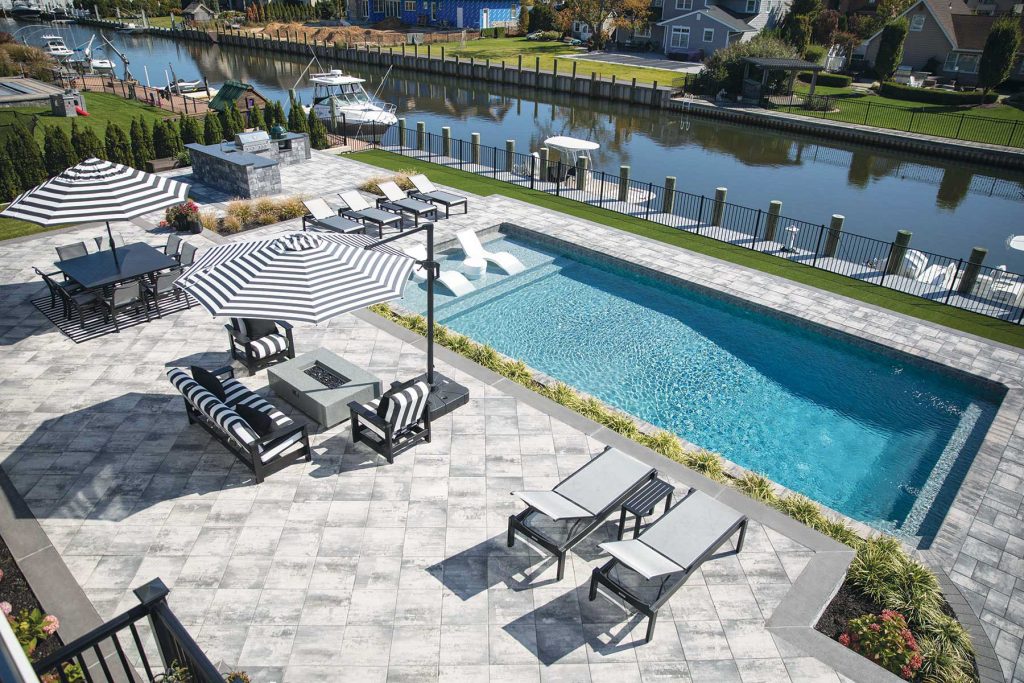
A pavers vs concrete patio comparison shouldn't use the same criteria as a driveway, walkway, or pool deck project. Each setting asks something different from the hardscape.
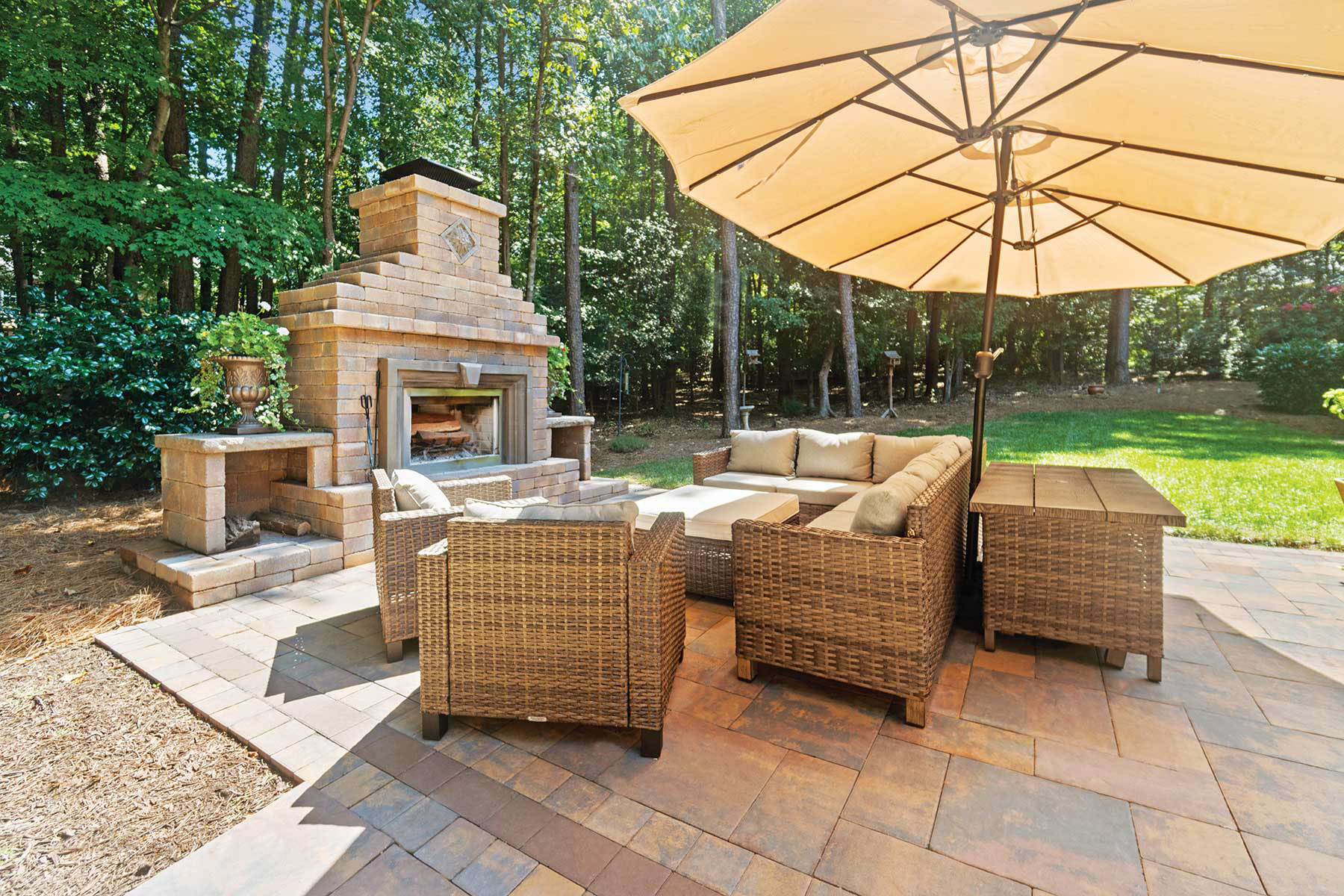
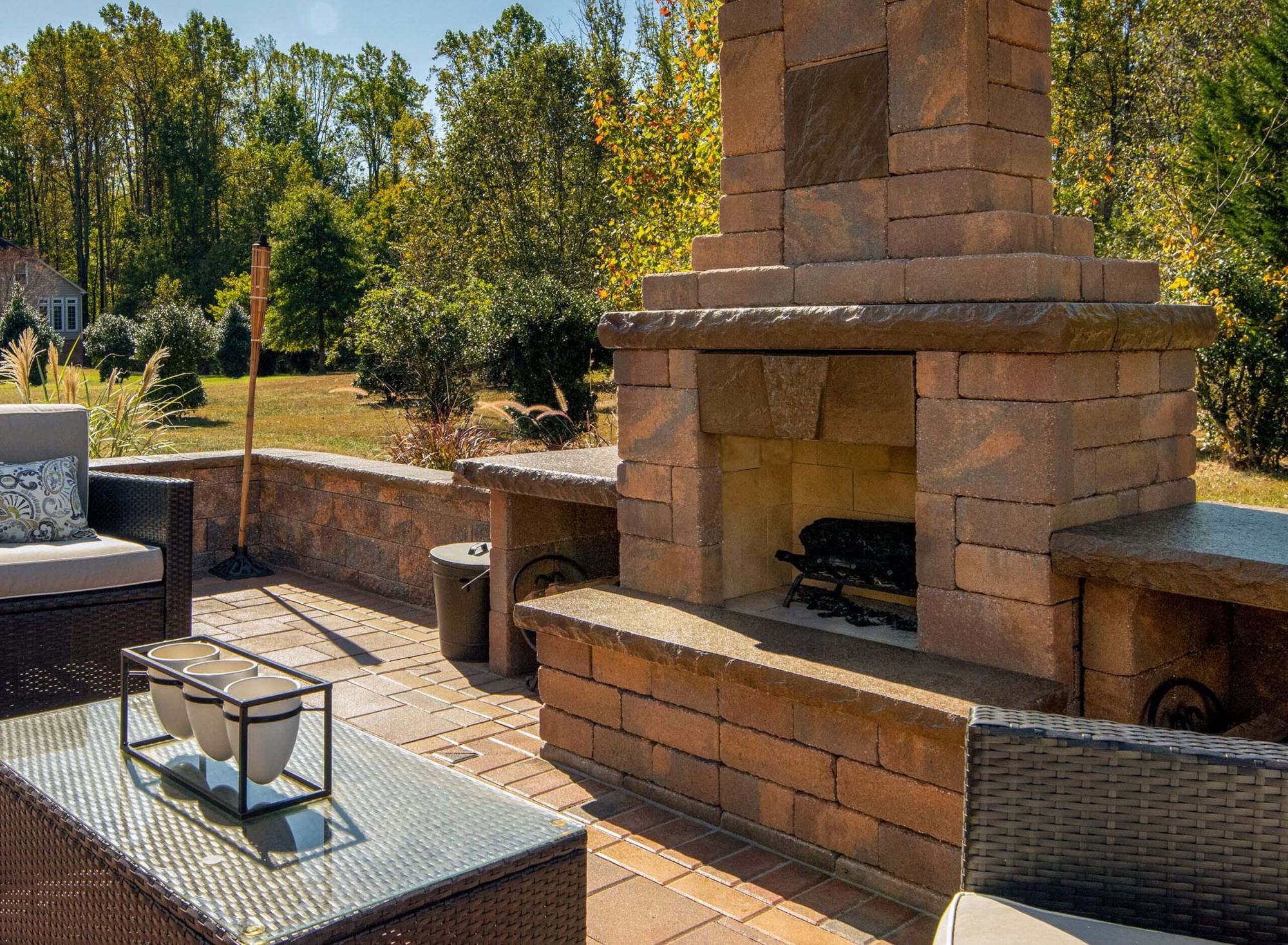
Outdoor patios hold furniture, grills, dining areas, gatherings, and everyday relaxation. Appearance and comfort carry more weight here because this part of the backyard often becomes an extension of the home.
Future changes are worth planning for too. Paving stones make later additions or localized work easier because you can remove and reset selected pieces.
Already have a slab? Nicolock explains when homeowners can install pavers over concrete instead of removing an existing patio first.
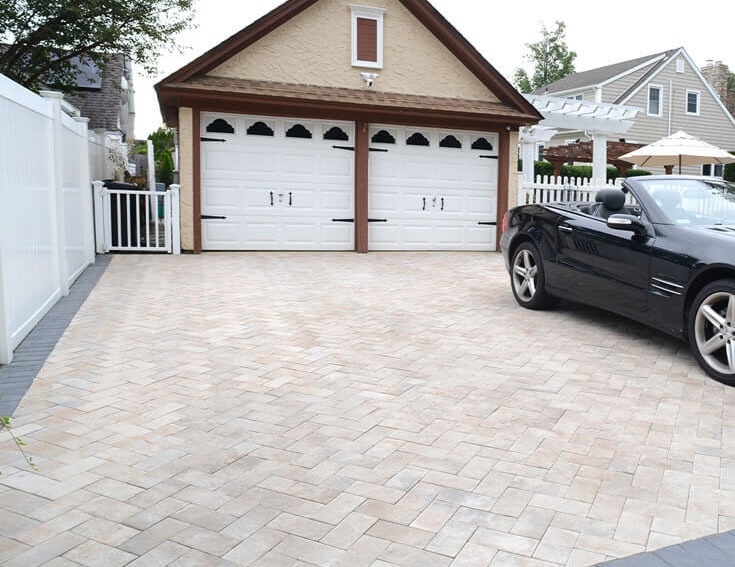
Vehicle traffic places greater structural demands on the pavement.
A driveway requires attention to:
Nicolock generally recommends eight to twelve inches of compacted base for residential driveways, although conditions at the property may change that requirement. Match paver selection to vehicular use, not appearance alone.
Paths connect entrances, patios, side yards, gardens, and gathering places. Stable footing comes first, while color and pattern help tie separate portions of the property together visually.
Segmental construction also allows targeted adjustments if roots, soil changes, or underground work affect a small portion later.
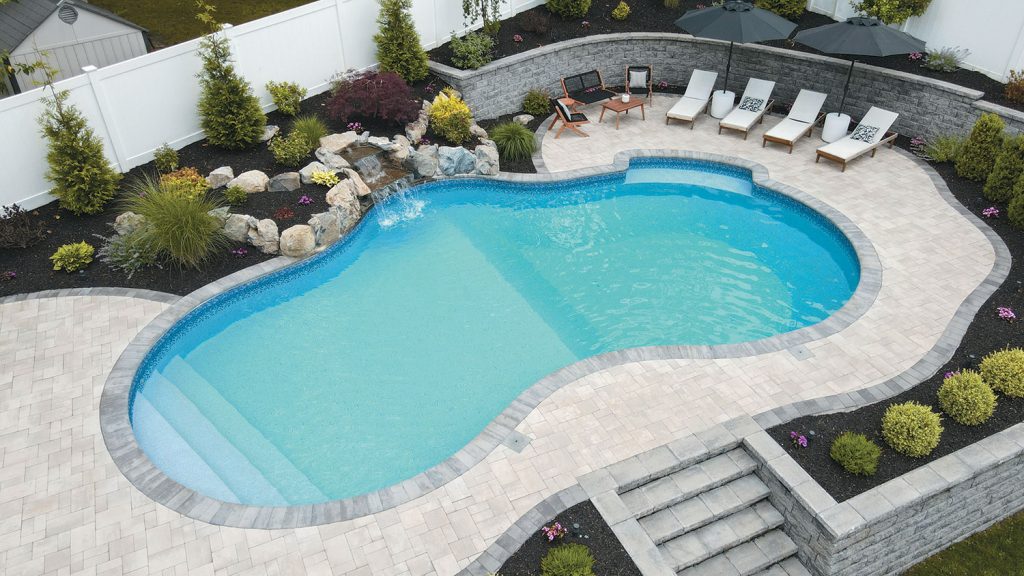
Pool surroundings deal with water, direct sunlight, bare feet, and frequent traffic. Texture and traction matter most here, along with color, upkeep, and repair options.
Shade selection also influences how paving materials respond to direct sun. Viewing physical samples before making a final selection gives homeowners a better sense of appearance and comfort around the pool.
Nicolock's overview of patio, driveway, and walkway pavers offers more guidance on matching paving styles to specific areas around the home.
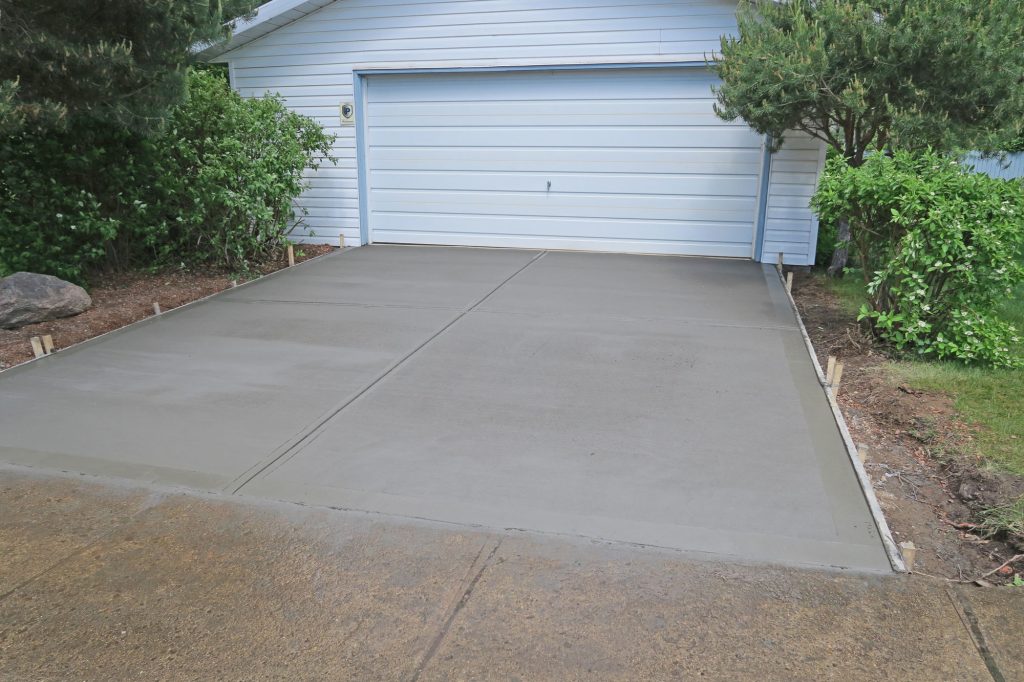
Your property can tell you a lot about which paving option fits the project. Before approving the work, ask:
Answering these questions gives you a clearer picture of how each material will fit your home rather than reducing the comparison to appearance or price.
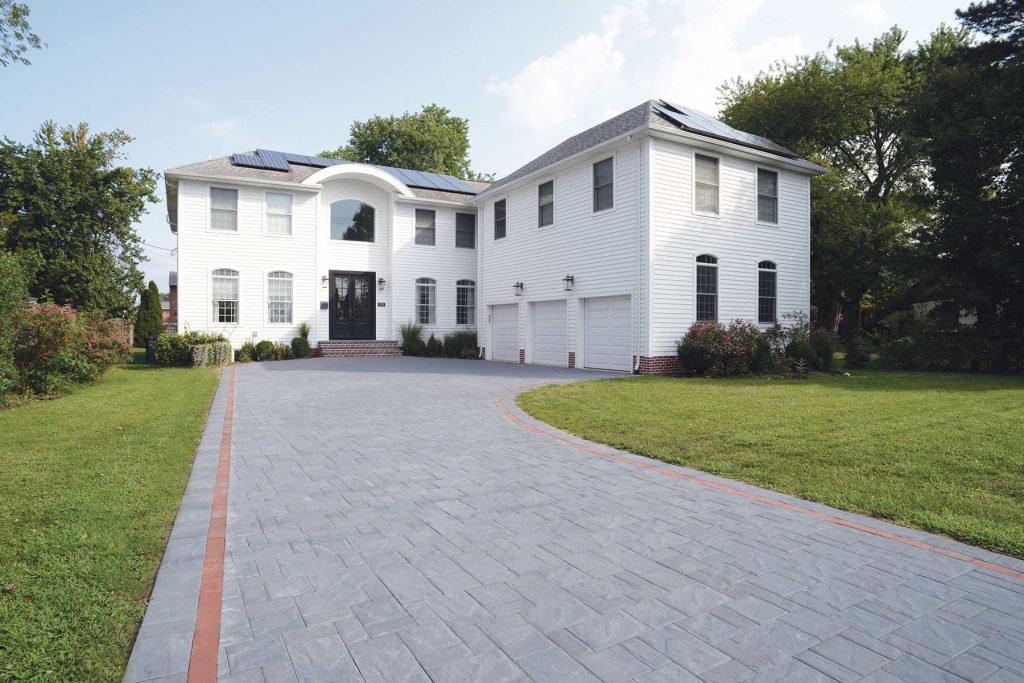
Pavers usually cost more upfront than basic poured concrete. Final project expense depends on excavation, site access, base requirements, labor, drainage, pattern complexity, and product selection. Looking at future upkeep and repairs provides a more complete financial comparison than installation estimates alone.
Weeds sometimes appear in joints, particularly when organic debris accumulates or jointing material deteriorates. Polymeric sand stabilizes those spaces and discourages growth when used correctly. Periodic cleaning and joint care also help keep unwanted vegetation under control.
Movement may occur if the foundation settles, erosion develops, drainage is poor, or edge restraints fail. Quality construction reduces those risks. When settlement remains localized, you can often lift and reset affected paving stones after correcting the cause underneath.
No. Quality site preparation, placement, curing, and control joints support good concrete performance. Rigid slabs still respond to soil movement, temperature changes, moisture, settlement, and heavy loads, all of which may contribute to cracking over time.
Concrete pavers perform well through repeated freezing and thawing when paired with a correctly constructed aggregate base and effective drainage. Separate units and joints accommodate some seasonal movement. Product quality, site preparation, and workmanship remain major factors.
No single lifespan applies to every project. Soil, climate, traffic, base construction, drainage, upkeep, material quality, and repair history all affect longevity. Comparing how each option ages and how damaged areas are repaired provides more useful guidance than relying on one generalized number.
The answer depends on what you want from the finished project. Stamped concrete provides decorative texture across a continuous slab. Paving stones offer a wide range of pattern choices, easier localized repairs, and more flexibility for later changes. Budget, site conditions, desired appearance, and maintenance preferences can guide the selection.
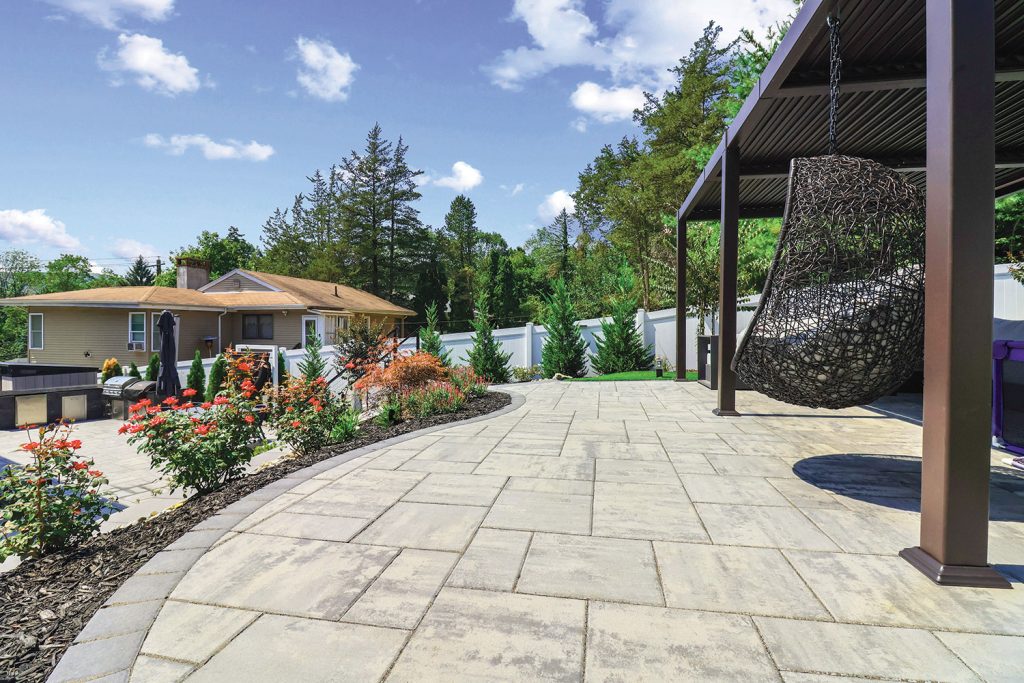
A beautiful hardscape does more than cover the ground beneath your feet. It can welcome you home, bring family and friends together, connect different areas of the property, and give everyday outdoor moments a setting that reflects your style.
Choosing between concrete and pavers means finding the material that suits your home's architecture, your property, and how you want to spend time outside. Poured concrete can make sense for homeowners who prioritize a lower initial expense and prefer a continuous finish. Pavers offer compelling advantages for those who value distinctive colors and patterns, individual-unit repairs, adaptable layouts, and segmental construction.
For more than 50 years, Nicolock has manufactured concrete paving products for patios, pool decks, walkways, driveways, and other outdoor spaces. Our paver-shield™ technology provides rich, lasting color, while an extensive collection of styles, textures, and formats gives homeowners plenty of ways to create an outdoor setting that complements the home.
Your finished hardscape should be somewhere you look forward to using, sharing, and coming home to. Find a Nicolock dealer to see colors, textures, and paving styles in person and start planning an outdoor area you'll be glad to come home to.