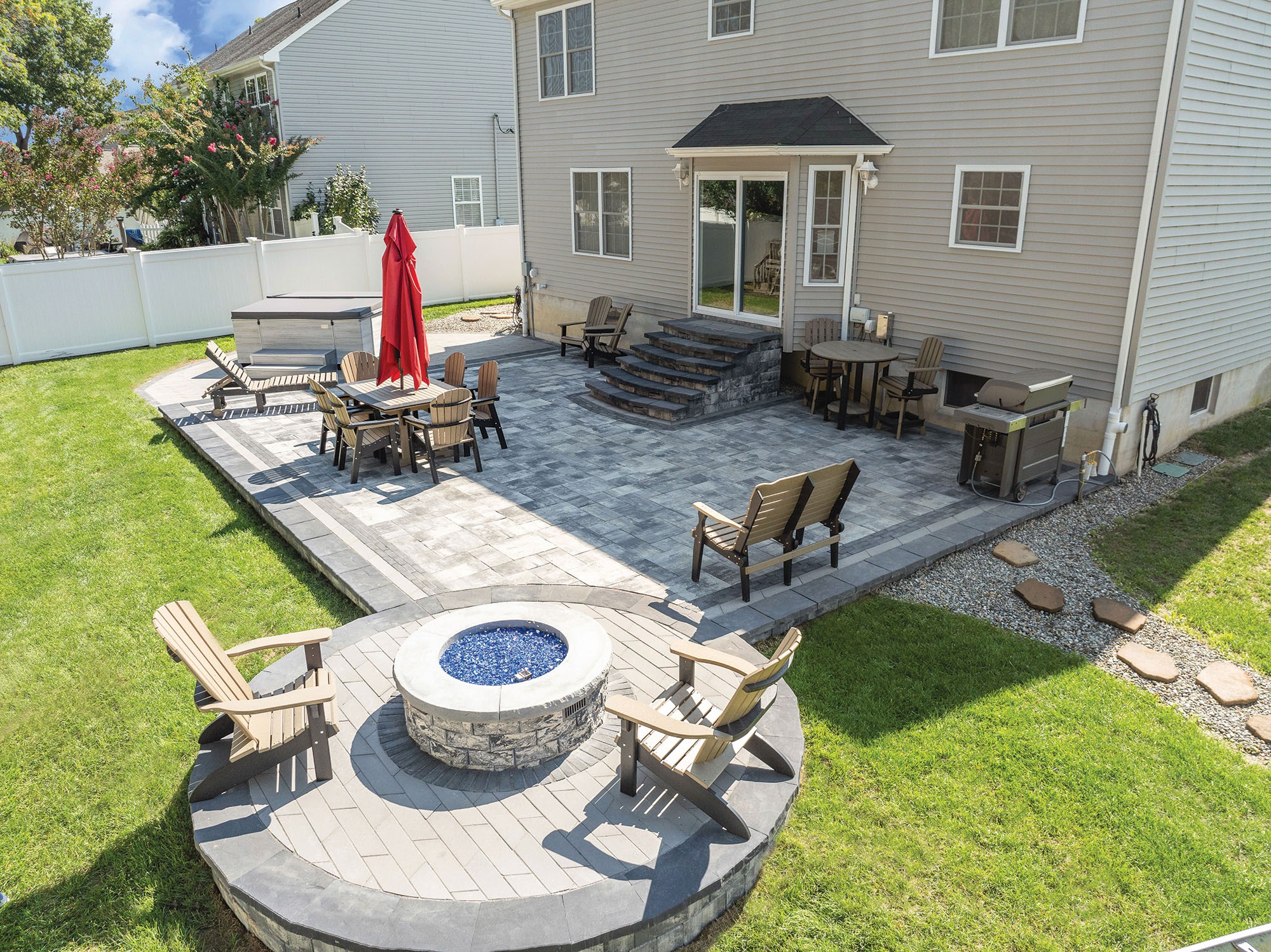
A worn patio can change the entire feel of a backyard. Cracked slabs, faded surfaces, and uneven sections often leave homeowners searching for ways to improve the space without removing every inch of concrete underneath. That is why so many people ask about pavers over concrete. In many situations, installing pavers over an existing slab creates a cleaner, more inviting outdoor area while avoiding a full demolition project.
Still, the surface below matters just as much as the finished patio itself. Drainage issues, shifting concrete, and poor planning can shorten the life of the installation if those concerns are ignored early. Homeowners considering thin pavers over concrete should understand how to evaluate the slab, properly prepare the space, and choose materials designed for long-term outdoor use.
Nicolock has manufactured hardscape products in the United States for more than 50 years. As a 100% U.S.-owned and operated company, Nicolock continues to help homeowners create patios, walkways, pool decks, and gathering spaces designed for lasting beauty and performance. Before moving forward with an overlay project, it helps to understand what separates a successful installation from one that develops problems later. Let’s look at when pavers over concrete make sense, what conditions to evaluate first, and how proper planning can help create an outdoor space that serves your home well for years to come.
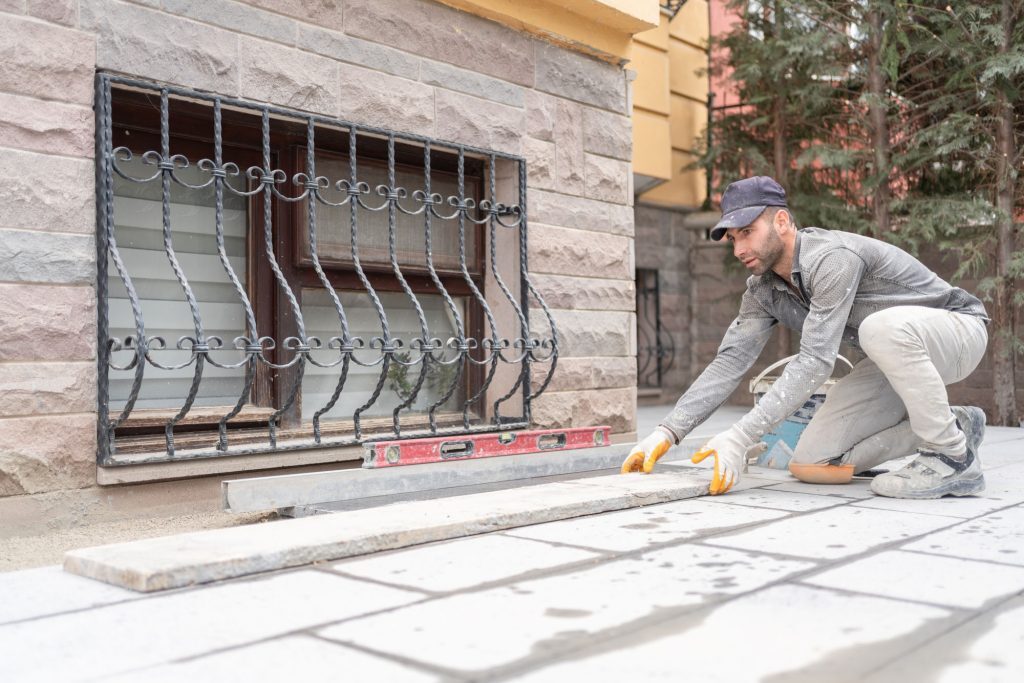
Yes, homeowners can often install pavers over concrete if the existing slab remains stable, drains properly, and shows no major structural failure.
Many older patios still provide a solid foundation even after years of use. A concrete surface with minor cosmetic cracks may still support a successful overlay project. On the other hand, slabs with sinking sections, severe movement, or standing water often require removal before new pavers are installed.
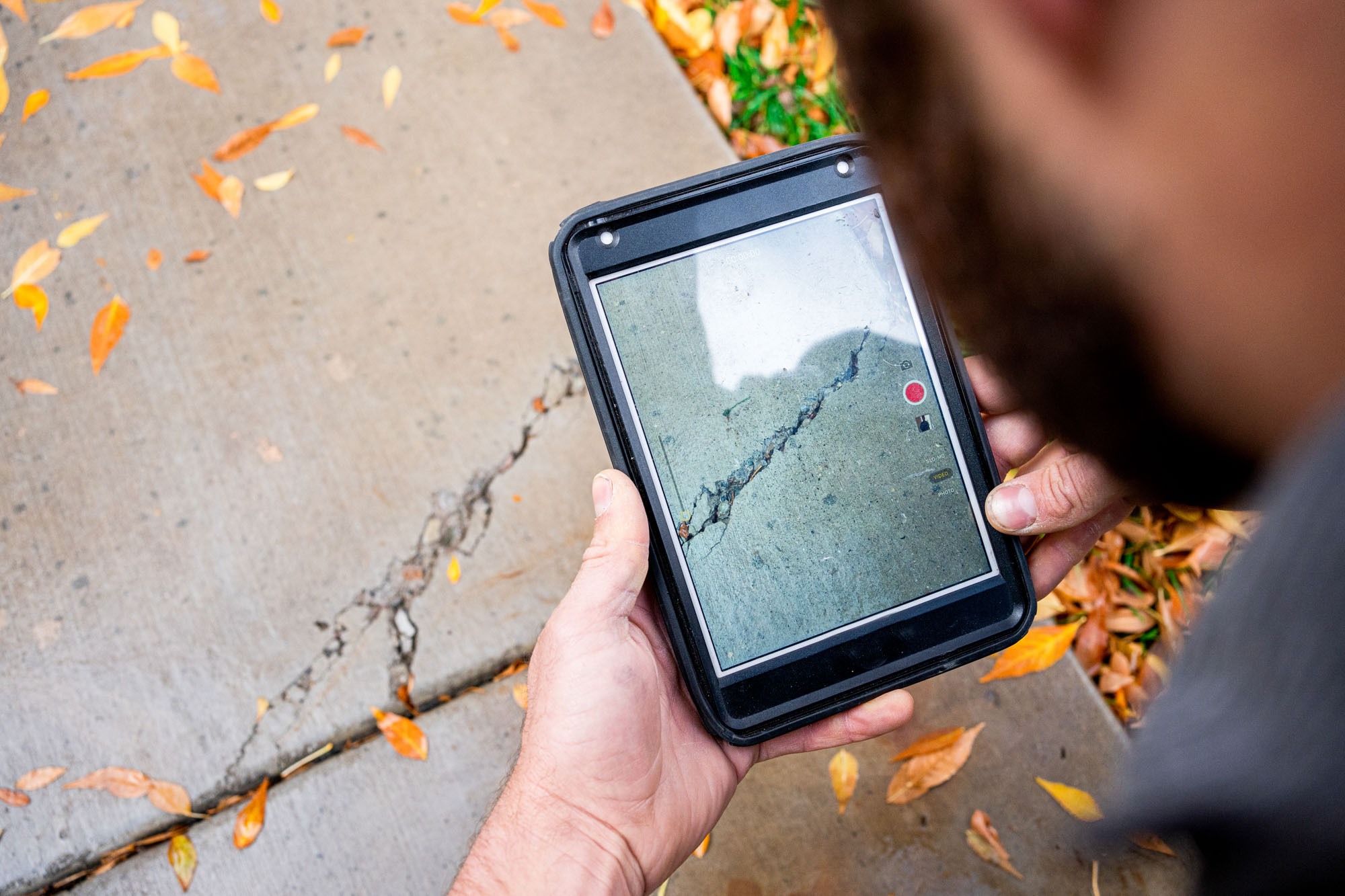
Before moving forward, inspect the concrete for:
Homeowners frequently focus on the appearance of new pavers while overlooking what is happening beneath them. Most overlay failures begin with slab problems that were already present before installation started.
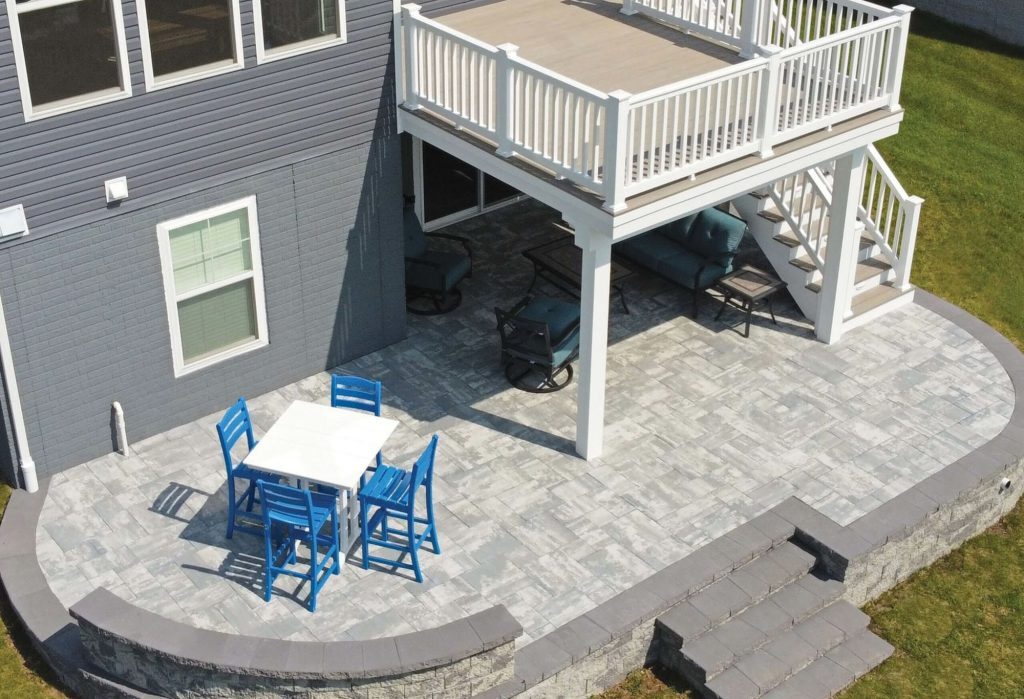
Concrete patios often remain structurally sound long after their appearance starts to decline. As a result, overlays appeal to homeowners who want a fresh outdoor space without rebuilding the entire area from the ground up.
A paver over concrete patio may help homeowners:
Many families inherit older patios when they purchase a home built years earlier. While the slab may still feel solid underfoot, the surface itself can look disconnected from the rest of the property. Pavers create a more finished appearance while helping outdoor areas feel connected and easier to use.
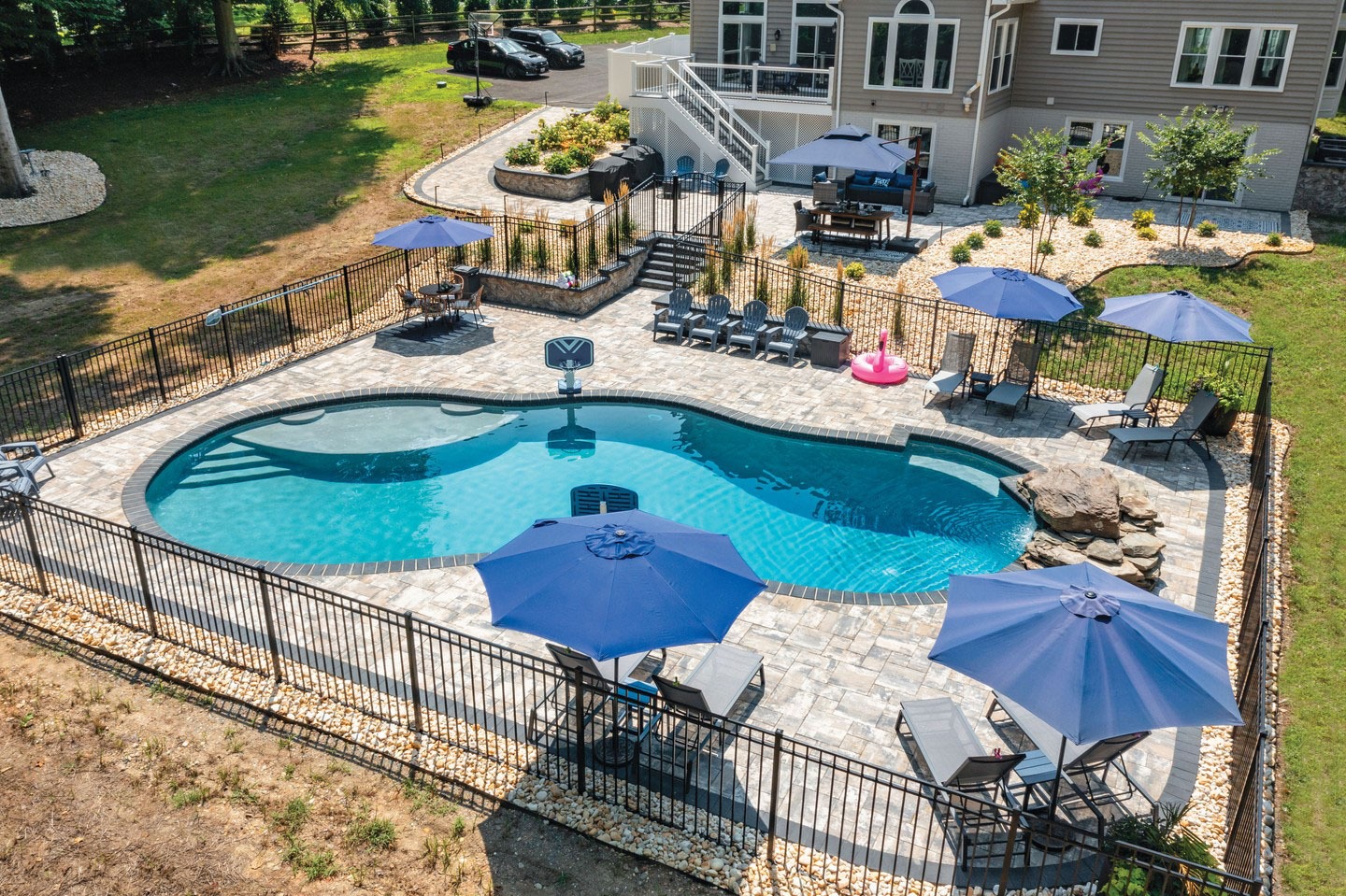
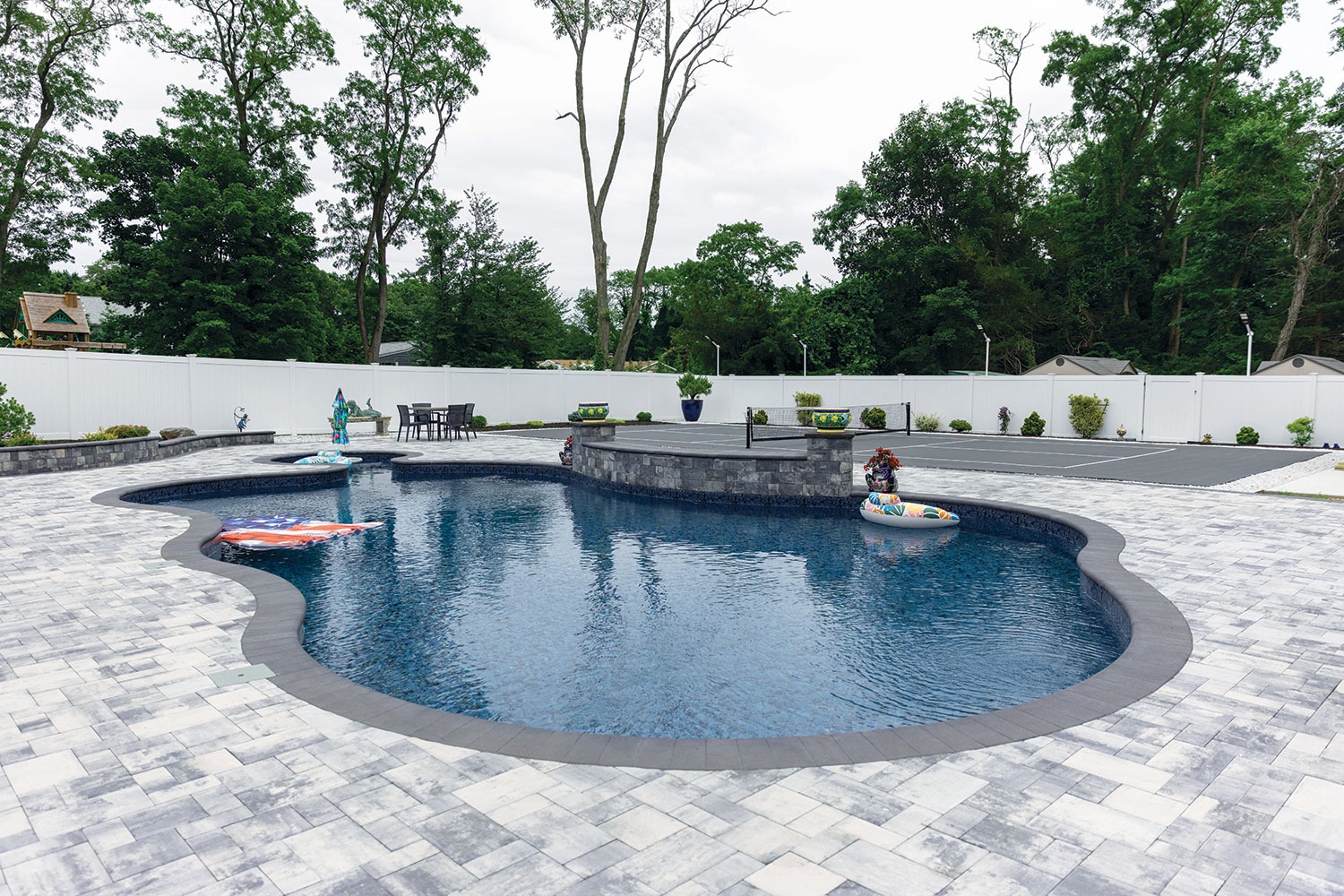
Pool decks also benefit from overlay projects when the existing concrete remains stable. Updated surfaces help create a cleaner setting for gathering, relaxing, and outdoor entertaining throughout the warmer months.
Another advantage is reducing disruption. Demolition creates noise, debris, and additional labor. If the slab is in good condition, an overlay may offer a practical way to create a more attractive outdoor living space.
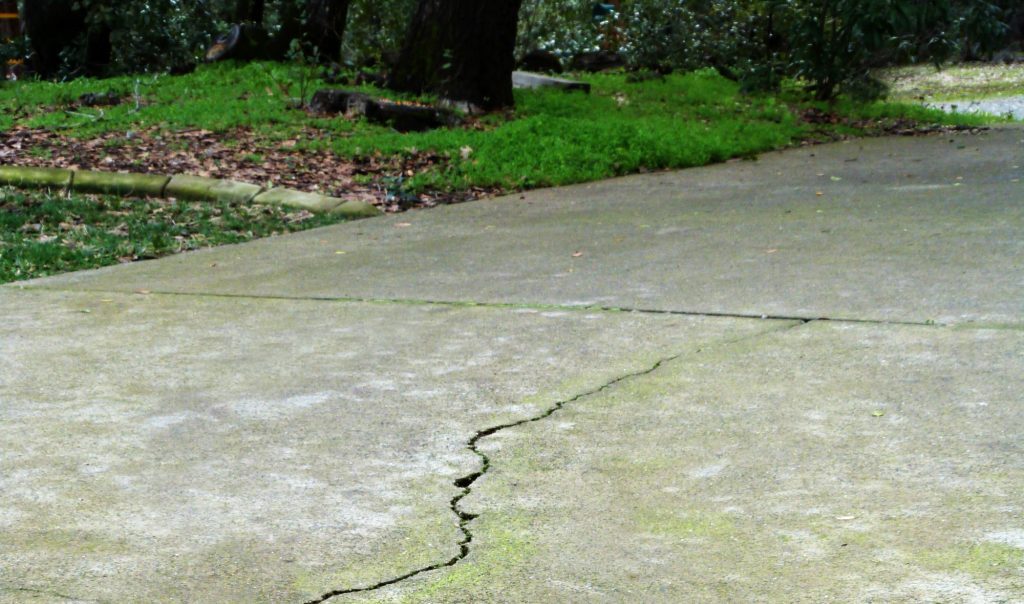
One of the biggest challenges in an overlay project is identifying issues hidden beneath the surface before installation begins.
Pavers are durable, but they still rely on a dependable base. If the slab continues shifting after installation, the finished surface above it may eventually reflect those same problems.
Signs the concrete may require replacement instead of an overlay include:
Freeze-thaw conditions deserve special attention in colder climates. Water entering damaged concrete can freeze and expand during winter, creating additional movement below the pavers over time.
Many homeowners ask whether cracked patios automatically prevent overlays. Hairline cracks are fairly common and may not create major concerns. Movement matters far more than appearance alone. A slab with small cosmetic cracking but solid stability may still support a successful installation.
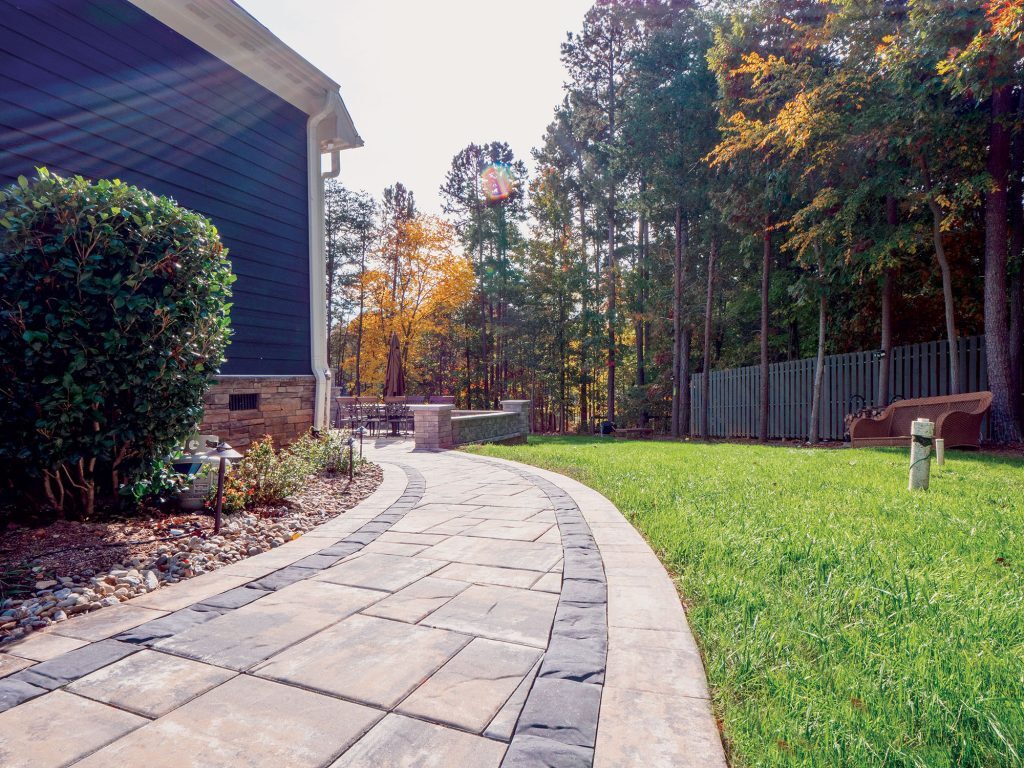
The answer depends on the type of cracking present.
Hairline surface cracks often result from normal aging and may not affect an overlay project. Larger cracks that continue to widen, shift, or create uneven surfaces warrant closer evaluation.
Ask these questions:
If the answer to several of these questions is yes, rebuilding the patio may provide a better long-term solution.
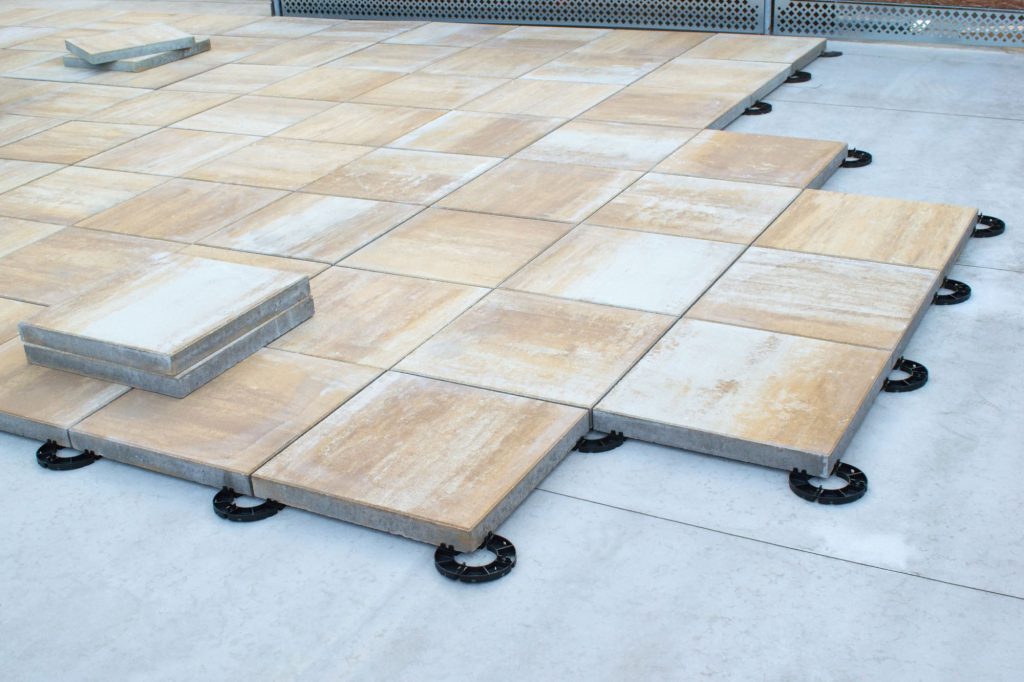
Water management plays a major role in long-term patio performance.
Poor drainage underneath pavers over concrete may contribute to shifting, algae buildup, erosion near edges, or moisture problems around the home. Standing water also increases stress during freeze-thaw cycles once temperatures drop.
Before installation begins, evaluate how water moves across the slab during rainstorms. A properly sloped surface should direct runoff away from the home rather than trapping moisture near foundations, thresholds, or low spots.
Homeowners planning thin pavers over concrete should pay especially close attention to:
Some installations may benefit from drainage channels or permeable design features that help move water more efficiently through the space.
Nicolock Environmental Pavers offer another option for homeowners seeking to support drainage while maintaining a cohesive outdoor design.
Good water management supports:
Drainage frequently becomes the deciding factor between a patio that performs well for years and one that requires repairs sooner than expected. Spending time evaluating water movement before installation often prevents costly repairs down the road.
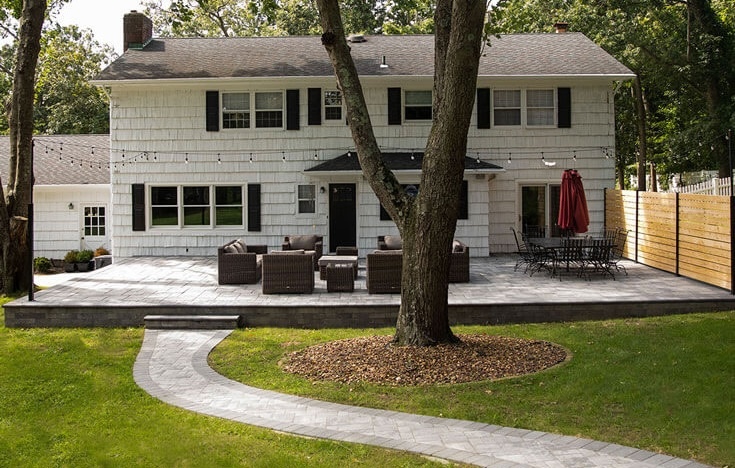
Surface height becomes another major planning factor during overlay projects.
Adding pavers over concrete raises the finished elevation of the patio, walkway, or pool deck. Even small increases may affect surrounding transitions if they are not addressed early.
Before selecting materials, check:
One of the most overlooked issues involves stair height consistency. Uneven risers can create safety concerns while making the patio feel disconnected from the rest of the yard.
Outdoor kitchens sometimes require adjustments as well. Existing islands built directly on concrete slabs may need modifications once pavers are added above the original surface.
In many overlay projects, homeowners look for paver solutions that help minimize height increases while still providing the appearance and durability they want.
Planning these details early helps maintain smooth movement throughout the backyard while keeping every area comfortable and easy to use.
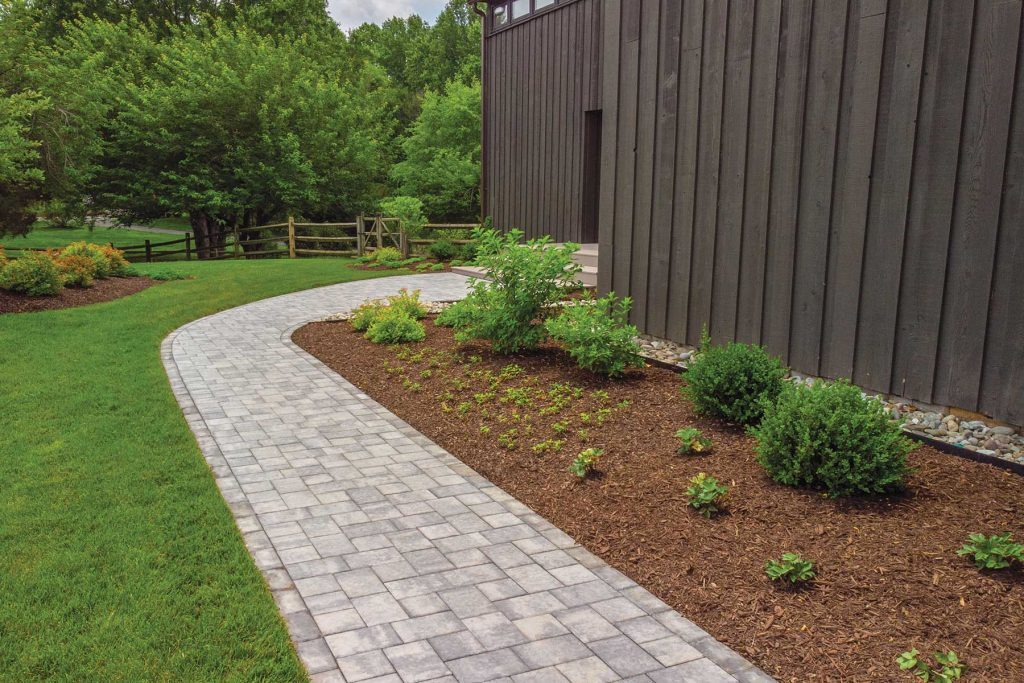
Not every paver is designed for overlay installations. Material selection should balance appearance, durability, traction, and long-term performance.
Many homeowners choose thinner overlay-compatible products because they:
Texture also matters, especially around pools or outdoor kitchens where surfaces may become wet. Patios should feel comfortable to walk across while still maintaining reliable traction.
Nicolock offers a wide range of paver styles designed to complement different home designs and outdoor living goals. Many homeowners choose Nicolock products because of paver-shield™ technology, which helps maintain rich color and long-lasting durability through changing weather conditions and regular outdoor use. Unlike surface treatments that can wear away over time, paver-shield™ technology helps support long-term color retention and visual appeal.
Popular overlay applications include:
Many homeowners also coordinate borders, coping, and wall systems to create a more unified appearance throughout the property.
A patio should feel connected to the home rather than added as an afterthought. Matching textures, complementary colors, and coordinated layouts help outdoor living areas feel more natural and welcoming over time.
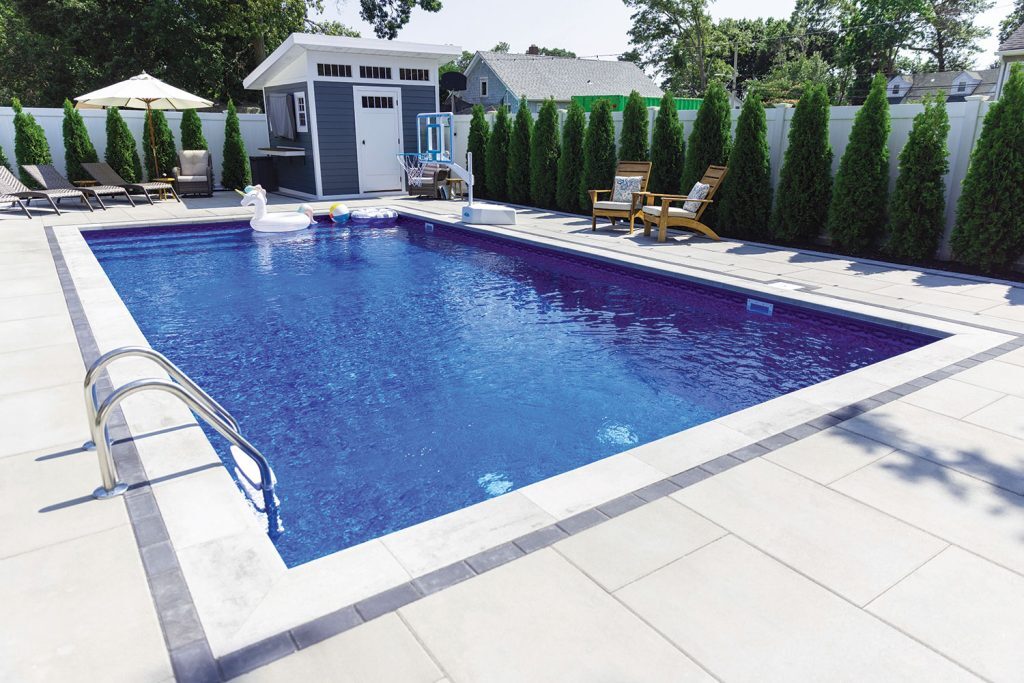
Homeowners should understand both the benefits and limitations before beginning an overlay project.
The goal is not simply to cover old concrete. The objective is to create an outdoor space that continues to perform well through changing seasons and everyday use.
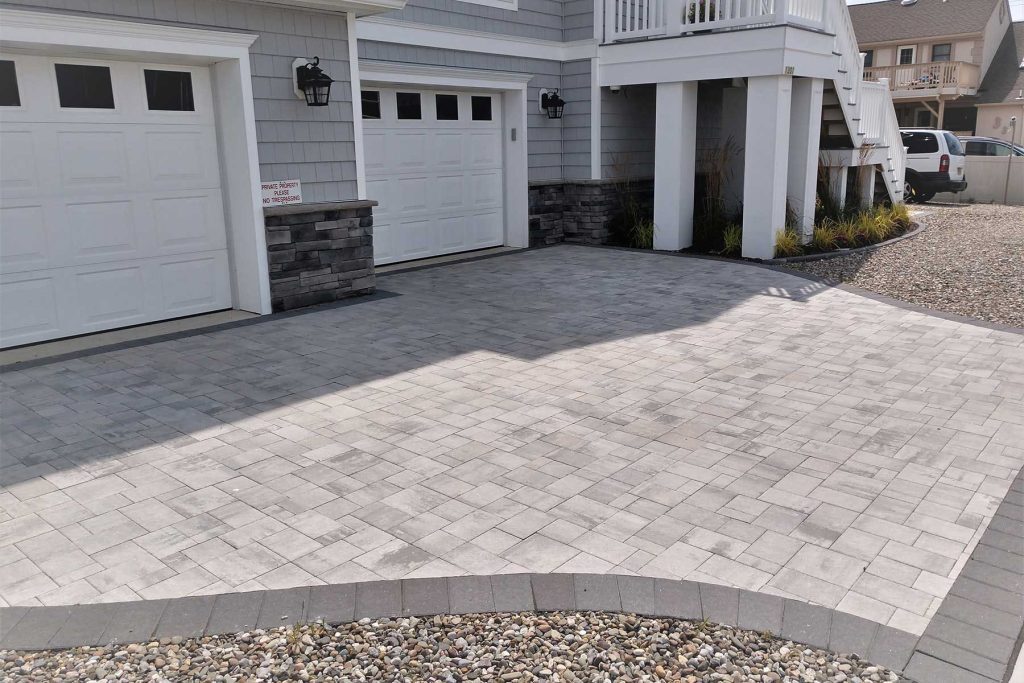
The cost to install pavers over concrete depends on several project conditions.
Pricing may vary based on:
A slab requiring major repairs or drainage improvements may increase project costs early, though those adjustments often help prevent more expensive issues later.
Homeowners comparing overlay projects to complete patio replacements should consider long-term stability alongside upfront costs. A professional evaluation helps determine whether the existing slab still provides a reliable base.
Rather than focusing solely on initial cost, consider the value of a patio that continues to look great and perform well for years to come.
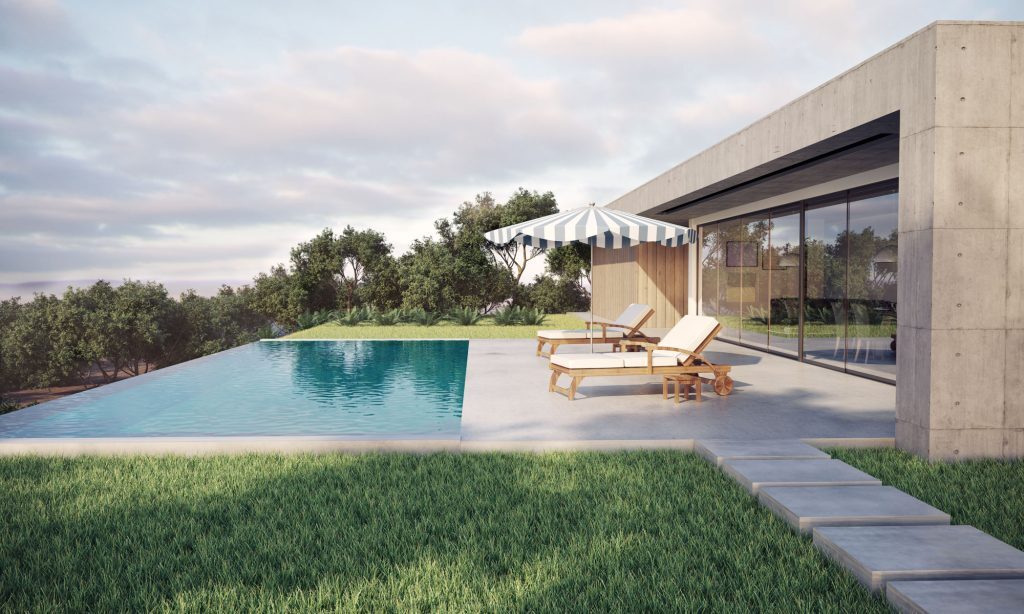
Before beginning an overlay project, homeowners should ask:
These questions help identify problems before installation begins, rather than after the patio is finished.
A brief assessment today may help avoid unnecessary expenses later while supporting a better outcome for the entire project.
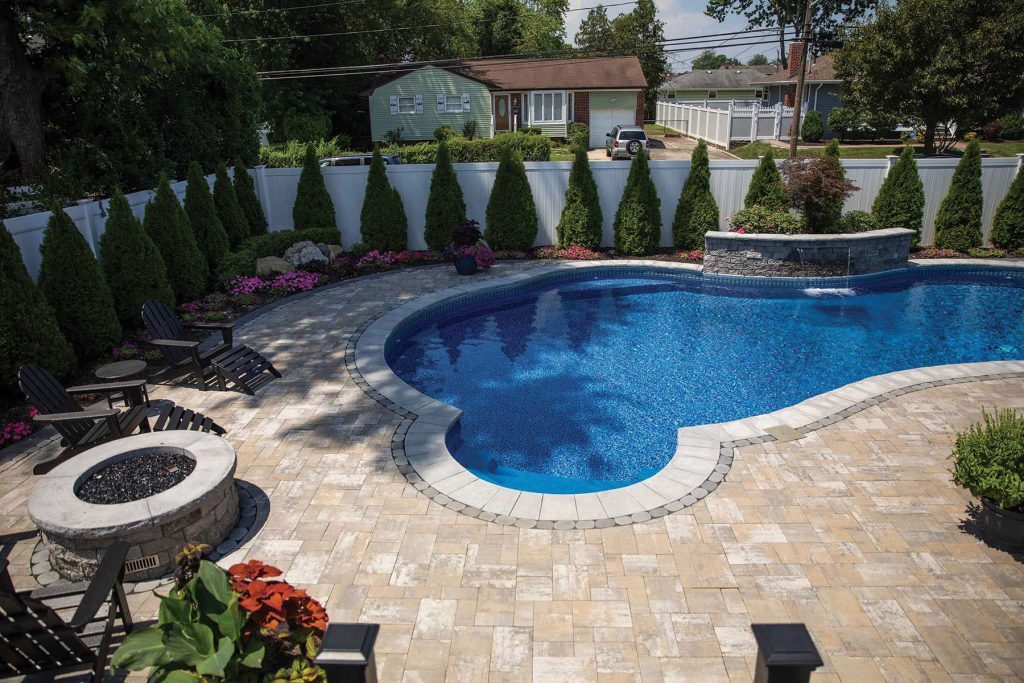
Outdoor living should feel comfortable, connected, and ready for everyday use. Whether the goal involves refreshing an older patio, improving a pool deck, or creating a better gathering area for family and friends, preparation matters just as much as the finished surface.
Every property is different. In some situations, installing pavers over concrete can provide excellent long-term value. In others, addressing drainage concerns or replacing a failing slab may be the better investment. Taking time to evaluate the existing surface helps ensure you make the right decision for your home, your budget, and how you plan to enjoy the space in the years ahead.
Pavers over concrete can provide long-lasting results when the slab remains stable, drainage is handled properly, and the materials are selected with durability in mind.
Nicolock continues helping homeowners create outdoor spaces built for year-round enjoyment with vibrant color options, durable hardscape products, and support throughout the planning process. Backed by more than five decades of manufacturing experience and protected by Nicolock’s transferable limited lifetime warranty, Nicolock products help bring outdoor visions to life with lasting beauty and performance.
Ready to get started?