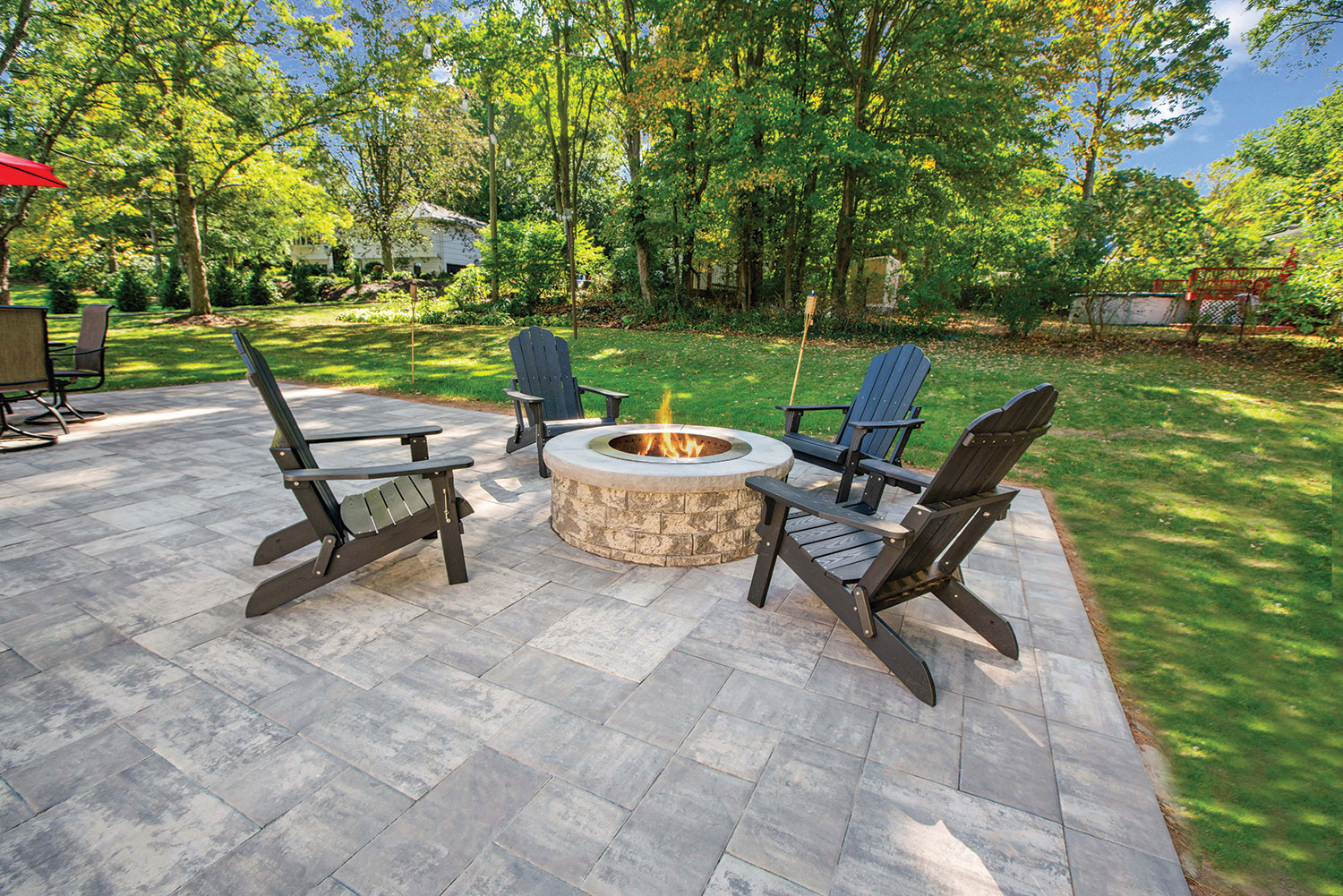
Concrete patios can last for decades, but years of weather, heavy use, and changing design trends often leave them looking worn long before they reach the end of their lifespan. If your outdoor space has surface cracks, discoloration, or an outdated appearance, you may be wondering if pavers over concrete are a practical way to refresh your backyard without removing the existing slab.
In many cases, the answer is yes. A stable concrete patio can provide a suitable foundation for an overlay, allowing you to create a beautiful outdoor living space while avoiding the time, expense, and disruption of demolition. Before moving forward, though, it is worth taking a closer look at the condition of the concrete beneath the surface. Drainage, slab movement, elevation changes, and your local climate all play a role in determining whether installing pavers is the right solution.
Many homeowners choose this approach because it gives an aging patio a fresh new look while creating opportunities to add features such as seating areas, fire pits, outdoor kitchens, or walkways that better connect the backyard. With the right planning and quality materials, a concrete slab can become the foundation for an outdoor space that is both beautiful and built to last.
For more than 50 years, Nicolock has helped homeowners create inviting patios, pool decks, walkways, and outdoor living spaces with premium hardscape products made in the USA. If you are considering pavers over concrete, understanding when an overlay makes sense and when replacing the slab is the better investment will help you make the best decision for your home.
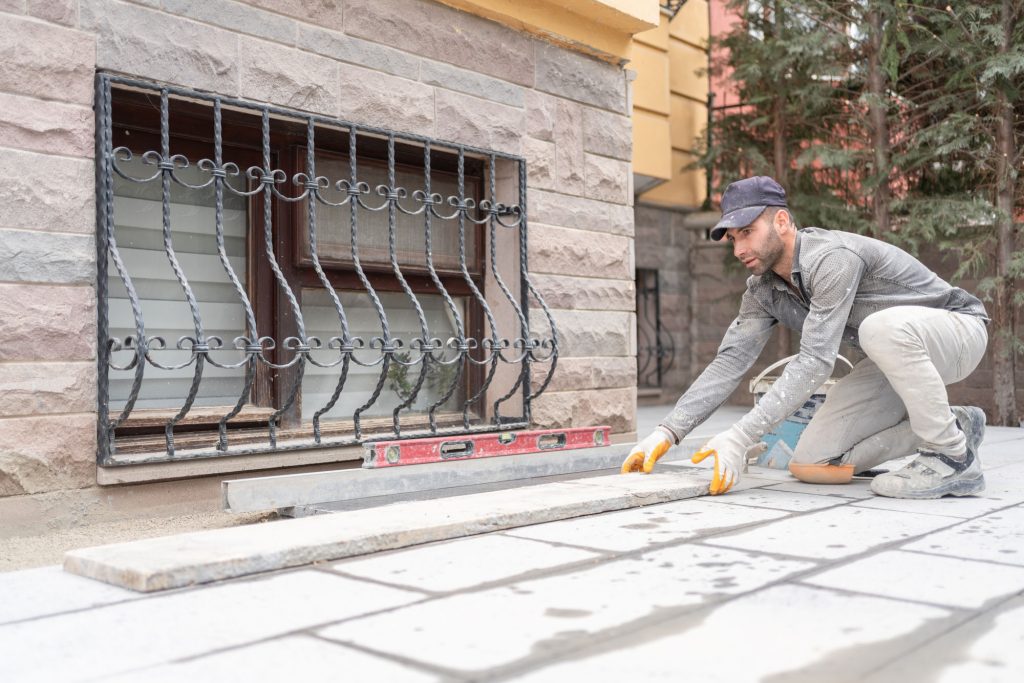
Yes, you can often put pavers over concrete if the existing slab is structurally sound and provides a stable foundation. Many older patios remain solid even after years of exposure to the elements. While the surface may show cosmetic wear, that does not always mean it needs to be removed before installing new pavers.
The first step is determining whether the concrete is still performing as it should. Hairline surface cracks, minor discoloration, and small imperfections are common signs of aging and may not prevent an overlay. Larger problems, however, deserve closer attention before moving ahead with the project.
Look for signs such as:
If several of these conditions are present, covering the concrete may simply hide problems that continue beneath the new surface. Over time, movement in the slab can affect the pavers above it, reducing the lifespan of the installation.
Drainage is another factor that should never be overlooked. Water should flow away from your home rather than collecting on the patio. Poor drainage can allow moisture to remain beneath the pavers, particularly in climates that experience repeated freeze and thaw cycles. Addressing drainage concerns before installation helps protect your investment and supports long-term performance.
Finished height also deserves careful planning. Adding thin pavers over concrete raises the patio surface, which can affect door thresholds, steps, adjoining walkways, pool coping, and transitions into other outdoor areas. Planning these changes before selecting materials helps create a finished project that looks intentional and functions safely.
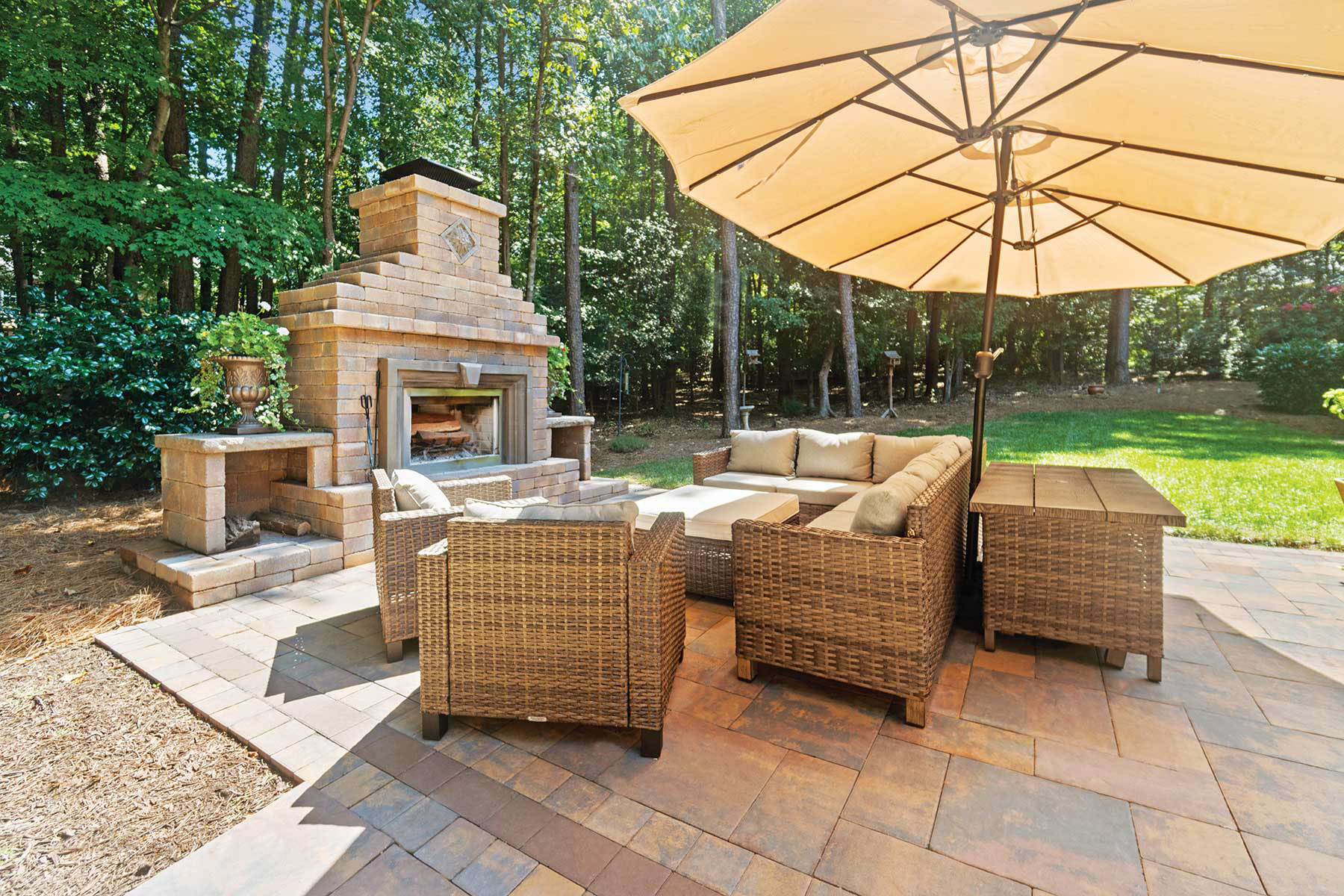
When the slab is in good condition, installing pavers can completely refresh an aging concrete patio while opening the door to new design possibilities. Many homeowners use an overlay as part of a larger backyard renovation, pairing a new patio with retaining walls, seating areas, outdoor kitchens, or fire features that create a more inviting place to gather with family and friends.
If your project includes updating the surrounding landscape as well, Nicolock's selection of retaining walls and premium pavers makes it easy to create a cohesive design that connects every part of your outdoor living space. Whether you are renovating a small patio or redesigning the backyard from the ground up, starting with a stable foundation gives your project the best opportunity for lasting beauty and performance.
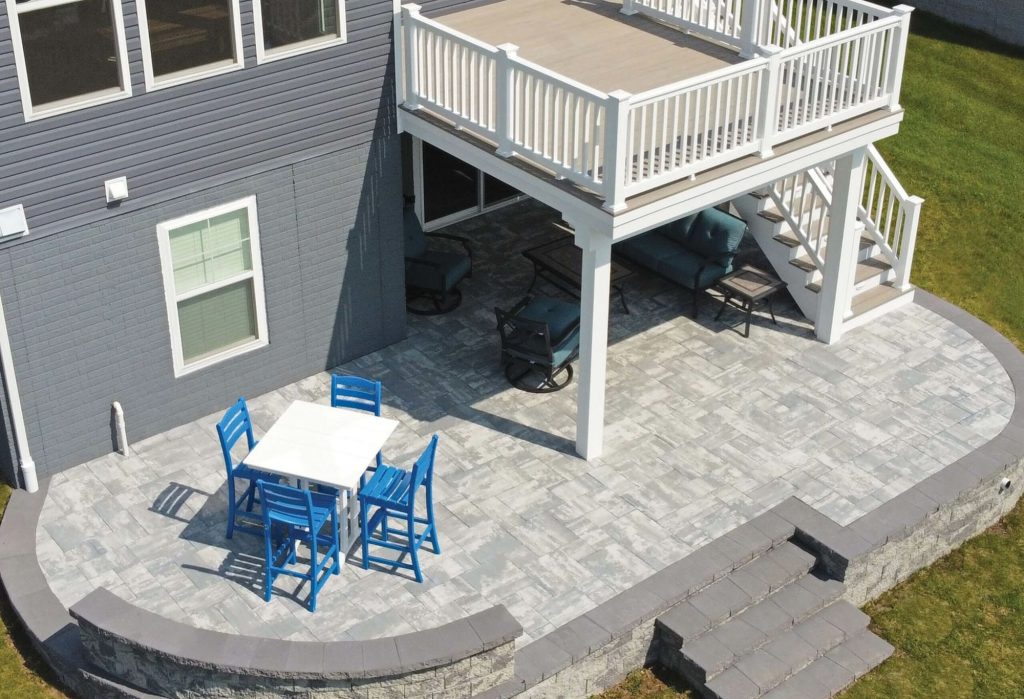
Replacing an existing concrete patio is not always necessary. If the slab is stable and drains properly, installing pavers over concrete can give your outdoor space a completely updated appearance while reducing demolition, debris, and the time required to complete the project.
Many homeowners choose this approach because it allows them to improve both the appearance and functionality of their backyard without starting from scratch. An aging concrete surface can become the foundation for a welcoming patio that better fits the way your family lives and entertains.
Some of the most common reasons homeowners choose an overlay include:
Rather than living with stained or weathered concrete, homeowners can redesign the space using pavers that complement the architecture of the home and connect different outdoor areas into one cohesive design. A refreshed patio often becomes the centerpiece of family dinners, weekend cookouts, and evenings spent outdoors.
If you are already planning improvements beyond the patio, installing pavers over an existing slab can also create a smoother transition to new walkways, garden spaces, or outdoor living features. A complete backyard renovation often feels more unified when every surface works together.
That said, an overlay is only as dependable as the concrete beneath it. Before choosing this option, take time to evaluate the existing slab carefully.
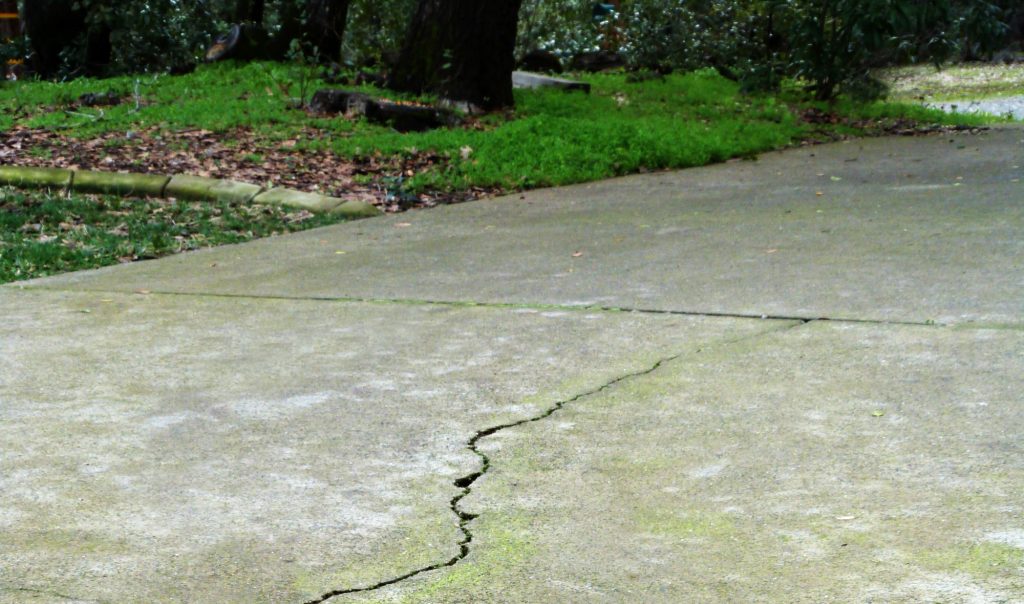
Installing pavers over an existing slab can be an excellent solution, but success depends on more than simply covering old concrete. Understanding the most common problems with laying pavers over concrete helps homeowners avoid costly repairs and determine whether an overlay is the right investment.
Most long-term issues fall into four categories: slab movement, drainage, elevation changes, and the condition of the concrete itself.
Concrete naturally expands and contracts as temperatures change. Small surface cracks are common and are often nothing more than signs of normal aging. Structural movement is different.
Watch for warning signs such as:
If the concrete continues to move after the pavers are installed, that movement can eventually affect the finished surface above. Instead of solving the problem, an overlay may simply hide it for a period of time.
A professional evaluation can help determine whether the slab remains suitable or whether replacing it will provide a better long-term result.
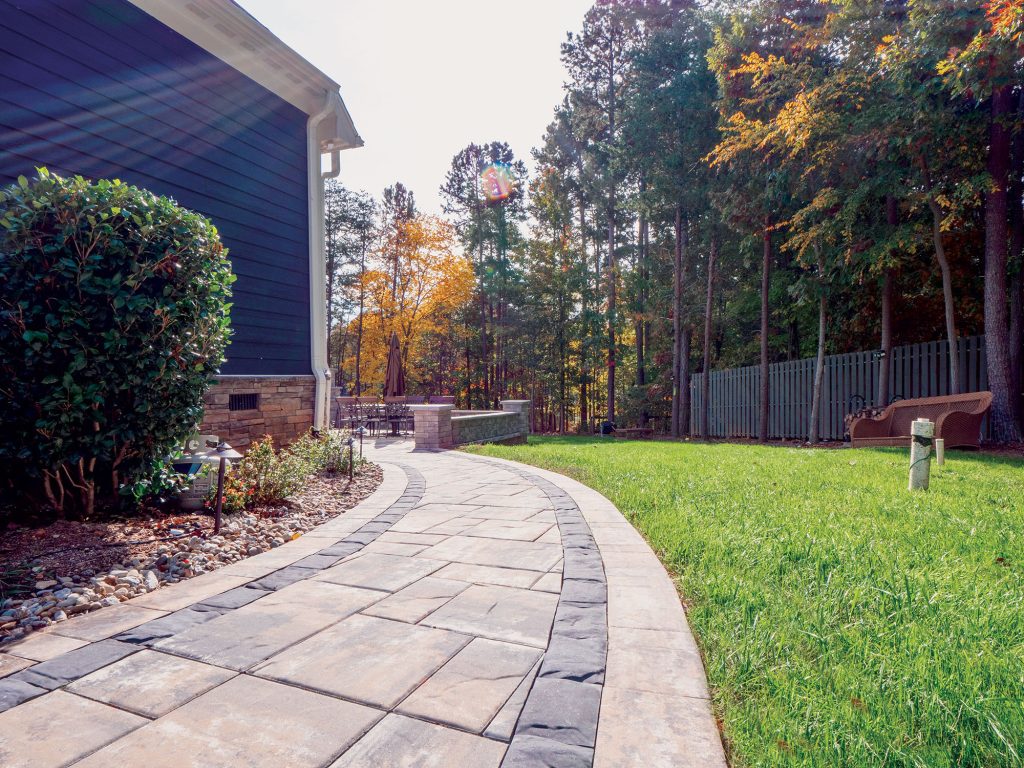
One of the most common homeowner questions is whether cracked concrete automatically means the slab must be removed.
The answer depends on the type of crack.
Hairline surface cracks that have remained stable for years are often cosmetic. Wider cracks that continue to expand or show vertical movement usually indicate a larger structural issue.
Ask yourself:
Answering yes to several of these questions suggests the concrete should be evaluated before moving forward with an overlay.
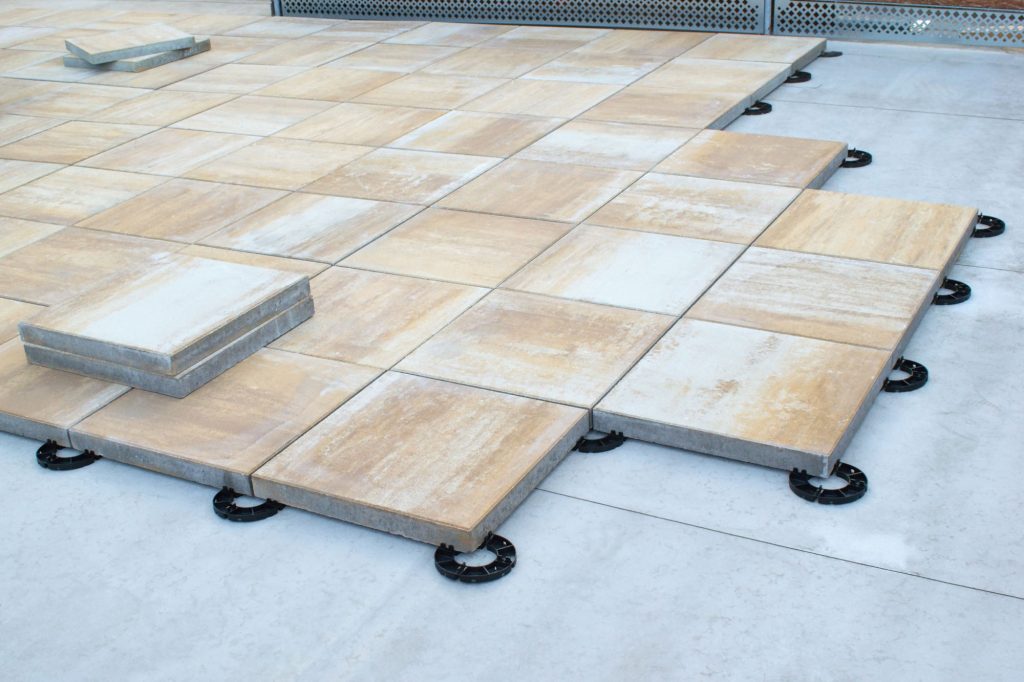
Water management is one of the biggest factors in any successful hardscape project.
Even a solid concrete patio can create problems if water collects beneath or around the new paver surface. Standing water may contribute to staining, algae growth, erosion around the patio, or seasonal movement caused by repeated freezing and thawing.
Before laying pavers over concrete, ask yourself:
Improving drainage before installation protects both the existing slab and the new paver surface.
For projects where stormwater management is a priority, Nicolock's Environmental Pavers provide another option worth considering. Designed to help manage runoff while maintaining the appearance of a traditional paver patio, they can be an excellent choice in the right application.
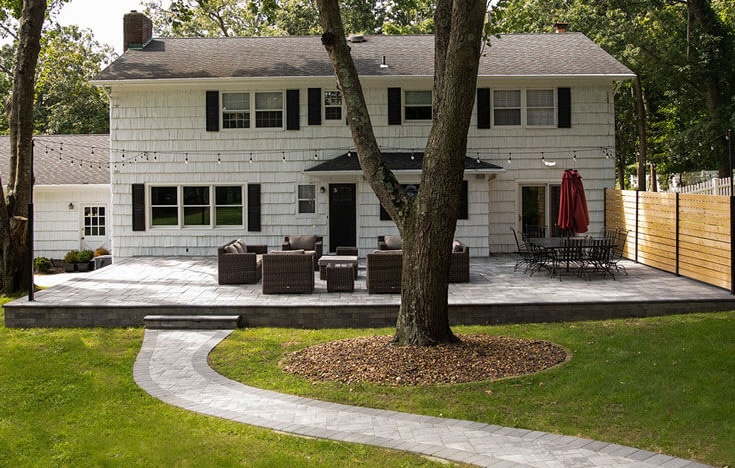
Every layer added above the concrete increases the finished height of the patio.
Even thin pavers over concrete add elevation once bedding materials and joint sand are included. While that increase may seem small, it can affect several areas around the patio.
Pay close attention to:
Planning for these changes before installation helps create a finished project that is both attractive and comfortable to use.
Climate plays a larger role than many people realize.
In areas that experience repeated freeze and thaw cycles, trapped moisture beneath the pavers can place additional stress on the concrete below. Over time, that movement may contribute to shifting or uneven surfaces if drainage was not addressed during installation.
Homes in warmer climates still benefit from proper drainage because standing water can encourage staining, algae, and premature wear.
Considering local weather conditions early in the planning process helps homeowners choose the installation approach that best fits their property.
Although pavers over concrete are an excellent option for many projects, some patios simply need a fresh foundation.
Replacing the slab is often the better investment when you find:
Starting with a properly prepared base allows the new patio to perform as intended for many years.
If the existing concrete is stable, however, an overlay can provide the updated appearance homeowners want while avoiding unnecessary demolition.
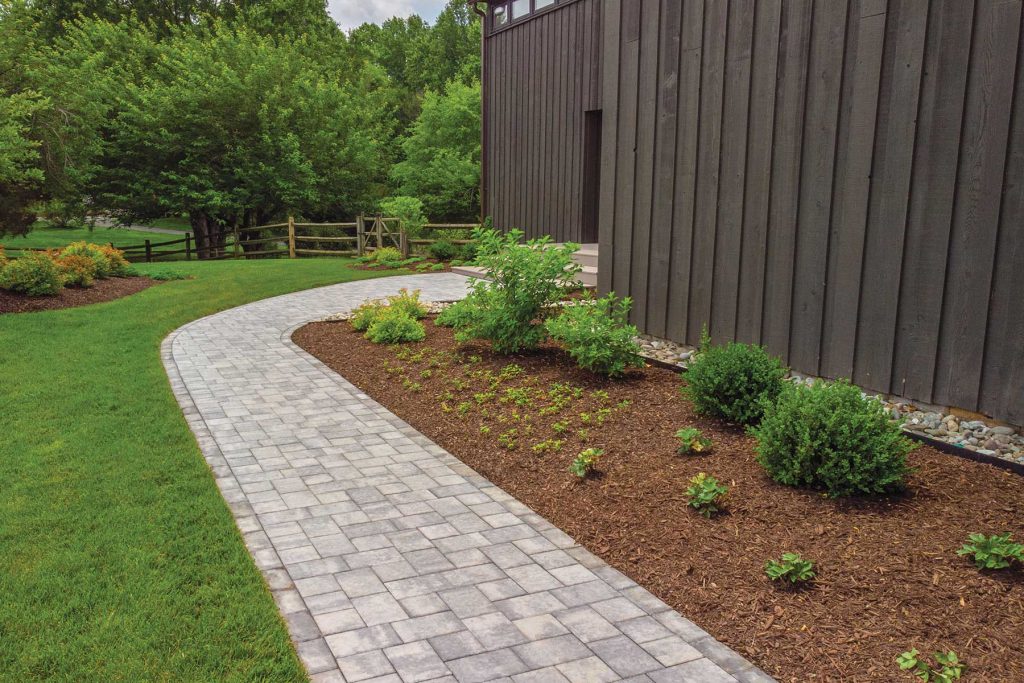
Once you determine that your existing slab is suitable for an overlay, the next step is selecting the right materials. Not every paver is intended for every application, and choosing products that complement the project can improve both the appearance and long-term performance of your outdoor space.
Many homeowners consider thin pavers over concrete because they help minimize changes to the finished height of the patio. They can make transitions at doors, steps, and adjoining walkways easier to manage while still delivering the timeless appearance of a professionally installed paver surface.
As you compare options, consider:
The intended use of the space should also guide your decision. A patio used for outdoor dining may have different design priorities than a pool deck or front walkway. Creating a cohesive layout allows every area of the backyard to feel connected rather than built in separate phases.
Nicolock offers a wide variety of premium pavers in styles ranging from traditional to contemporary, making it easy to coordinate patios, walkways, pool decks, and outdoor living spaces. Thanks to paver-shield™ technology, Nicolock pavers are manufactured with rich, vibrant color throughout the surface, helping them maintain their appearance season after season.
If your project includes retaining walls, outdoor kitchens, seating areas, or fire features, selecting complementary colors and textures creates a finished design that looks intentional from every angle.
Every project is different, and installation methods vary depending on the condition of the existing slab, local climate, and the type of pavers being used. While professional installers may use different techniques based on the project, most successful overlays follow the same general planning process.
Begin by evaluating the slab for structural movement, drainage concerns, and surface deterioration. A stable foundation provides the best opportunity for long-term performance.
Loose debris, dirt, vegetation growing through cracks, and surface contaminants should be removed before installation begins. A clean surface helps create consistent contact between the concrete and the materials placed above it.
Confirm that water moves away from the home and does not collect on the patio. If drainage problems exist, they should be corrected before installing the pavers.
Measure how the additional height will affect nearby doors, steps, walkways, and transitions. Making adjustments during the planning stage is much easier than correcting them after installation.
Proper edge restraint helps maintain the integrity of the paver field by limiting movement around the perimeter. Depending on the project, installers may use different restraint systems based on the layout and surrounding conditions.
The appropriate bedding system depends on the installation method and project requirements. A consistent, properly prepared surface supports the pavers and helps maintain an even finished appearance.
Pavers are installed according to the selected pattern while maintaining consistent joint spacing. Borders and accent bands are often installed first to establish the overall layout before completing the field area.
Once installation is complete, the joints are filled using the appropriate jointing material, and the entire surface is inspected to confirm proper alignment, stability, and drainage.
Although these steps provide a general overview, every project has unique conditions. Working with an experienced Nicolock contractor helps ensure the installation method is appropriate for your property and your long-term goals.
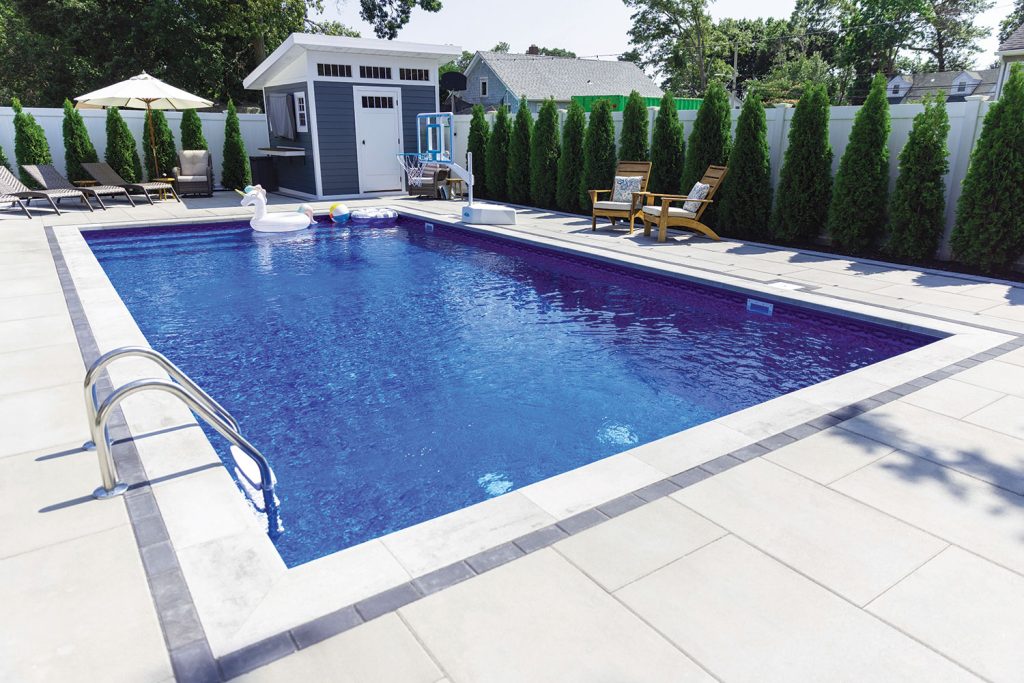
Not every concrete surface presents the same challenges. Some applications are excellent candidates for an overlay, while others require additional evaluation before moving forward.
Patios are among the most common locations for pavers over concrete. If the slab remains stable, an overlay can update an aging backyard while creating a welcoming space for relaxing, entertaining, and outdoor dining.
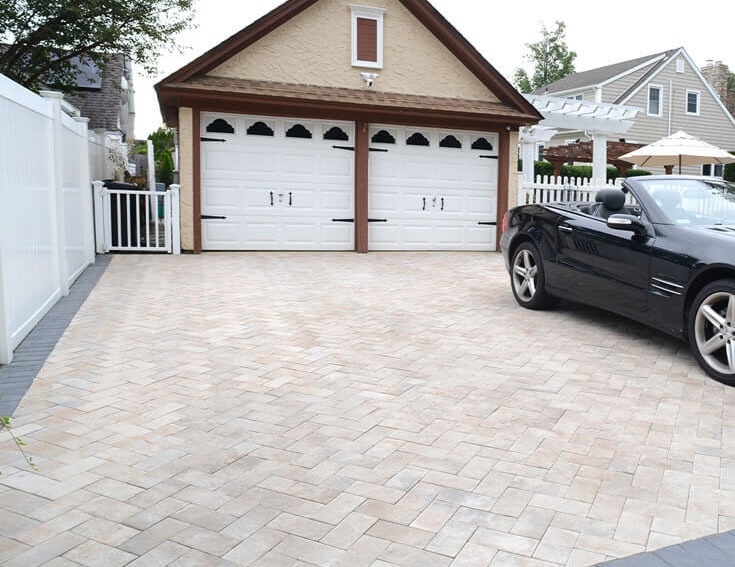
Walkways that have become stained or dated can often be refreshed without removing the underlying concrete. New pavers create a more inviting path that complements the home's architecture and surrounding landscape.
Many homeowners update older pool decks with pavers to improve appearance, comfort, and traction. Before beginning the project, verify that drainage, elevation, and connections to the pool coping are properly addressed.
Installing pavers over an existing concrete entry can improve curb appeal while creating a more welcoming approach to the home. Height changes at door thresholds and steps should always be reviewed during the planning process.
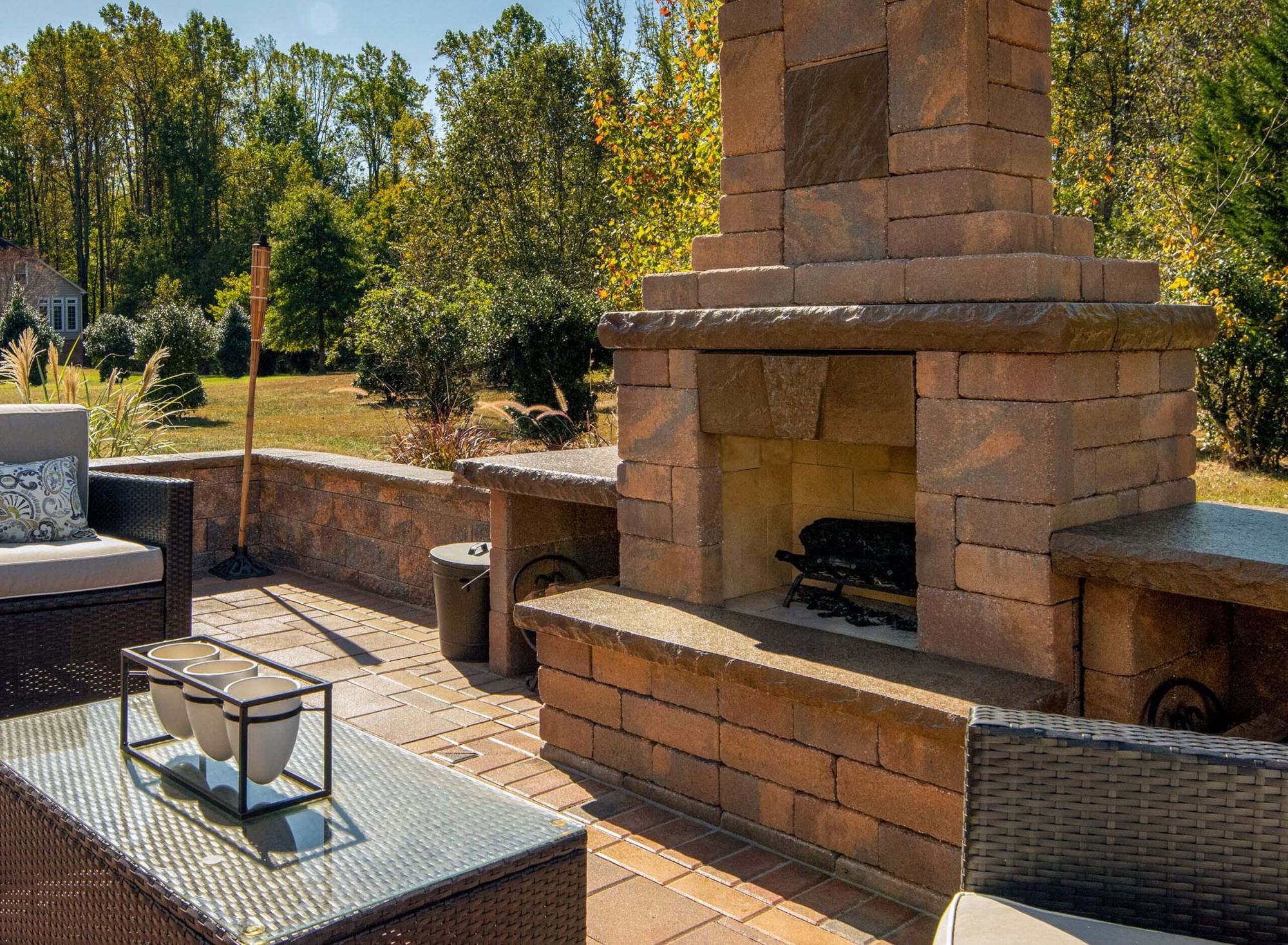
A concrete slab can also become the foundation for a larger outdoor living project. Adding seating walls, dining areas, fire features, or an outdoor kitchen creates a backyard designed for everyday enjoyment and special occasions alike.
Pavers Over Concrete Pros and Cons
Every backyard is different, which is why there is no universal answer for every project. Comparing the advantages and potential limitations can help you determine whether an overlay fits your goals.
| Pavers Over Existing Concrete | Removing the Concrete and Starting Fresh |
|---|---|
| Less demolition and debris | Creates an entirely new foundation |
| Often shorter construction timeline | Better option for severely damaged slabs |
| Updates the appearance of an aging patio | Greater flexibility for correcting elevation and drainage |
| Can reduce project disruption | Allows complete redesign of the base and grading |
| Makes use of a stable existing slab | Eliminates concerns about hidden slab movement |
| Excellent choice when the concrete remains in good condition | Best for patios with extensive structural failure |
Neither approach is automatically better than the other. The right choice depends on the condition of the existing concrete, your long-term plans for the space, and the recommendations of an experienced hardscape professional.
If your patio has remained stable for years and drains properly, installing pavers over concrete may provide the updated appearance you want while preserving a solid foundation. If significant movement or deterioration is present, rebuilding the base may deliver better long-term performance and value.
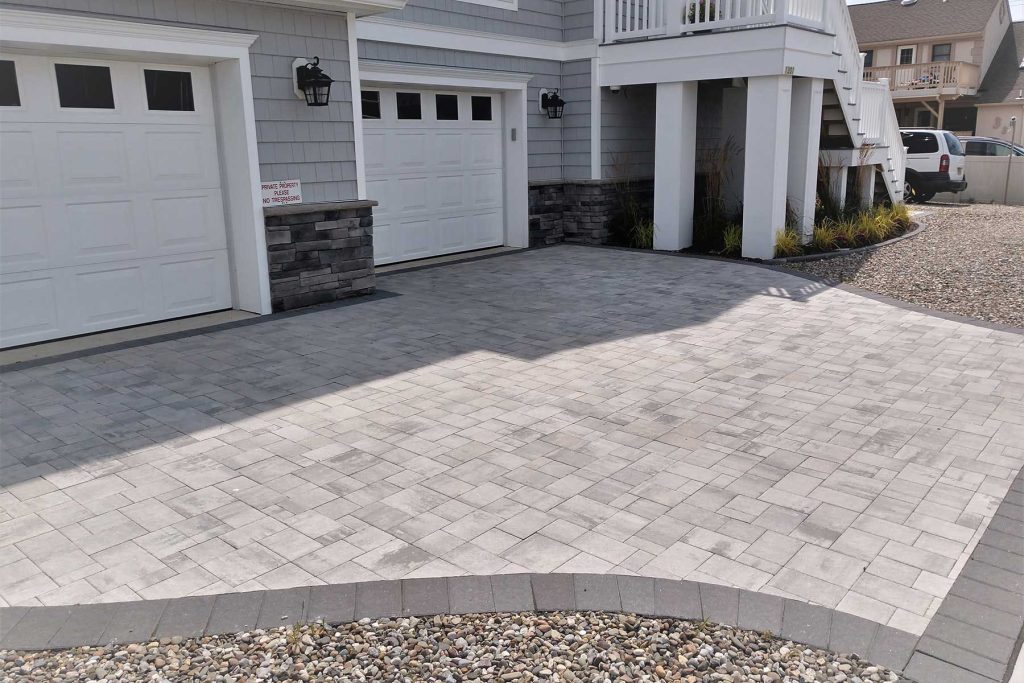
Homeowners often ask whether installing pavers over concrete costs less than removing the existing patio and starting over. The answer depends on the condition of the slab and the scope of the project rather than a single price per square foot.
A stable concrete patio may reduce demolition costs, but several other factors influence the overall investment.
These include:
For example, a simple rectangular patio in good condition will generally require less preparation than an older backyard with drainage concerns, uneven settlement, and multiple elevation changes.
Looking beyond the initial installation cost is also worthwhile. Premium pavers provide lasting beauty, individual units can be replaced if damage occurs, and the flexibility to expand your outdoor living space in the future. Those long-term advantages often make a paver overlay an attractive investment for homeowners planning to enjoy their property for years to come.
If you are unsure whether your existing slab is suitable, an experienced Nicolock contractor can evaluate the concrete and recommend the approach that best fits your home and your goals.
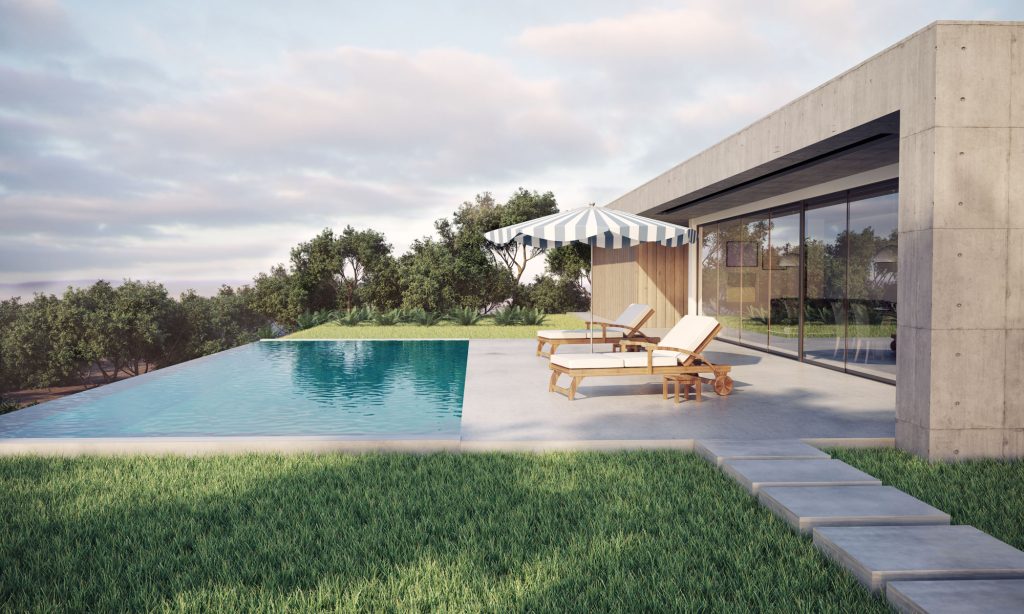
Before beginning your project, take a few minutes to evaluate the existing patio. Answering these questions can help determine whether laying pavers over concrete is likely to provide long-term success or whether additional work should be completed first.
✔ Does the patio drain water away from your home?
✔ Does rainwater collect in low areas after a storm?
✔ Are cracks stable, or have they continued to grow?
✔ Has the concrete shifted, settled, or heaved over time?
✔ Are the edges solid and free from crumbling?
✔ Will adding pavers affect nearby doors or stair heights?
✔ Will the finished patio connect smoothly to existing walkways and other outdoor spaces?
✔ Is your area prone to repeated freeze and thaw cycles?
✔ Does the existing slab still feel stable when you walk across it?
✔ Would removing the slab provide a better long-term foundation for your plans?
If you answered "yes" to several concerns about movement, drainage, or deterioration, having the slab professionally evaluated before installation can help you avoid future repairs.
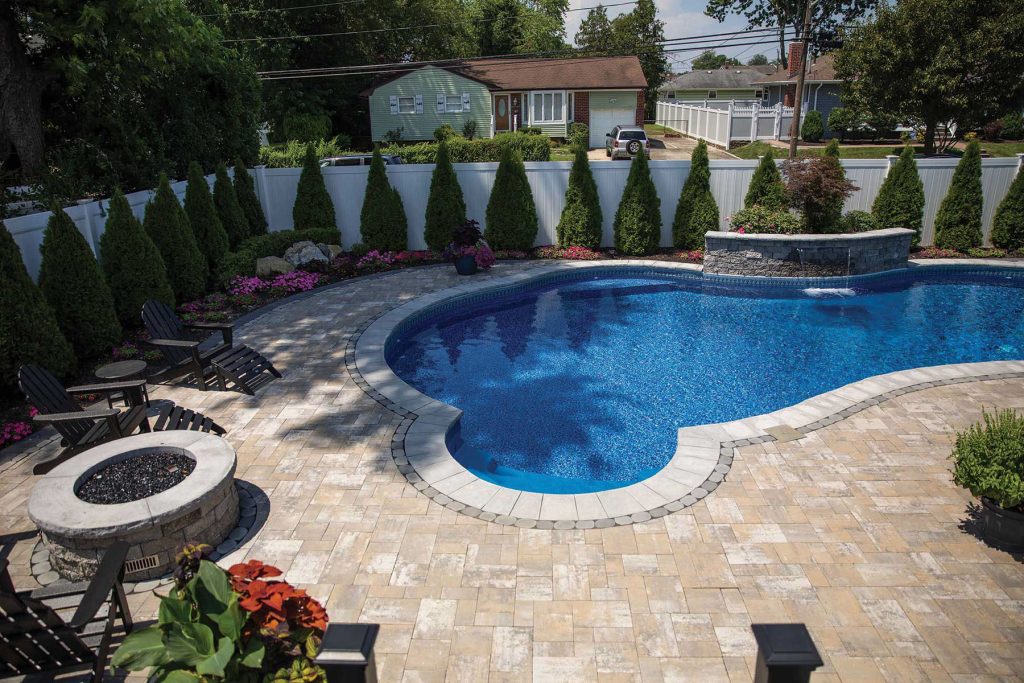
Installing pavers over concrete can be an excellent way to refresh an aging patio, but lasting results begin with careful planning. A stable slab, proper drainage, thoughtful design, and quality materials all contribute to an outdoor space that continues to perform beautifully year after year.
Whether you are updating a small concrete patio or planning a complete backyard renovation, choosing the right products helps create an outdoor environment that reflects how you enjoy your home. Coordinating patios with walkways, retaining walls, outdoor kitchens, fire features, and pool decks creates a finished design that feels connected from one space to the next.
Nicolock has spent more than 50 years helping homeowners build inviting outdoor living spaces with premium hardscape products proudly made in the USA. Our pavers feature paver-shield™ technology for rich, long-lasting color, while our extensive collection of styles and colors makes it easy to create a backyard that complements your home and your lifestyle.
If you are considering pavers over concrete, start by evaluating the condition of your existing patio, then connect with a Nicolock professional who can recommend the best solution for your property. A strong foundation today can provide years of outdoor enjoyment for family gatherings, quiet evenings, and everything in between.
Ready to get started?